
John Boaz
Since I started Anywhere Blvd, John has been there. He was one of the first people to support this project. When I relaunched it at the beginning of this year we scheduled a video call. Over the course of two hours, every time he asked, “Does that make sense?” I realized I’d never understood someone more.
In this interview, John Boaz reflects on the experiences that have shaped both his life and his approach to photography, from growing up in a creative family to an impactful moment as a teenager when the camera first became his tool for celebrating life. Our conversation explores the realities of building a freelance career and what it means to take on work outside your ideal path without viewing it as a failure. He speaks openly about choosing not to be defined by fear, instead developing an internal dialogue that has helped him cultivate confidence. Along the way, he shares the questions he asks himself and how they’ve led him to sit more patiently with his work, allowing it to develop over time, and to approach portraiture by “looking at people through a lens of goodness.”
As he looks back on his travels, he can clearly see how his approach has evolved, learning to prioritize the connection over the portrait itself. To me, that’s what it’s all about, honoring the people that we see.
Many photographers feel nervous approaching the people they want to photograph, you’re no stranger to that feeling. Yet when I look at your portraits, there’s a clear sense of ease and trust; your subjects appear genuinely comfortable in your presence.
During our conversation, you spoke openly about that nervousness, how you’ve experienced it, sat with it, and gradually reshaped the way you speak to yourself. Over time, that internal dialogue has transformed nervous energy into confidence, ultimately changing the way you move through the world.
How has nervousness played a positive role in your journey? In what ways has it deepened your sense of empathy? Can you share how you have not let it define your life?
Naturally, I can be nervous and anxious at times, but more and more I’m reaching a point in my life where I’m tired of letting that negatively impact my life and my photography. It’s something I’m actively working through. When it comes to photography, I’ve gotten to a place where I can often talk myself into confidence. It’s not false confidence either, it’s something that has genuinely helped shift my mindset over the years.
I don’t want fear to hold me back. There have been so many moments in my life, even now, when I’ve seen someone I really wanted to photograph, and that fear stopped me from approaching them. It kept me from fully experiencing life in those instances. That voice in your head says, “Don’t do it, they won’t take it well.” But I’m learning that voice doesn’t have to control the outcome. I’m learning to trust myself, to step forward with confidence anyway. And nine times out of ten, I’m so glad I did. I’ve had great experiences, meaningful conversations, and the chance to learn about someone’s story and perspective.
When someone allows me to photograph them, I feel a real sense of gratitude. They’re trusting me to create a portrait of them. In some small way, I’m representing an element of who that person is, and I don’t take that for granted. A photograph can only show so much, you only capture a small glimpse of someone, but I still feel a responsibility to do my best. Photography has helped me become less reserved, less shy. It’s given me a sense of adventure and pushed me to adapt. I don’t have to be defined by being reserved, and I don’t want to spend my life believing I can’t do something simply because I’m shy.
What do you remind yourself of when you approach someone you want to photograph?
I often remind myself, “How would I feel if someone came up to me and asked to photograph me?” I’d probably be a little suspicious at first. Remembering that helps me approach people with more understanding and empathy. I try to be mindful of how I would feel in that same situation.
When I introduce myself, I share a bit about who I am and what the project is about. I’m never trying to convince anyone, I’m simply sharing the facts and seeing if they’re open to being photographed. If someone seems hesitant, I’ll sometimes show them some of my work. Often you can see a shift after that. It helps build trust.
Over time I’ve become more mature in the way I approach people, though I know I’m still learning and growing. What I’ve found matters most is being calm, honest, and having a peaceful presence. People tend to respond better to that. I try to come from a place of warmth and genuine curiosity about who they are.
Many times I’ll even put the camera down at first. I like to prioritize the person and the conversation before taking any portraits. Building that connection matters more to me as it builds the foundation of the photograph.
How did your upbringing in a creative household lend itself to how you romanticize life? your love of art? interest in photography?
I am fortunate to come from a family of creative people who have always supported my creativity. From a young age I was inspired by paintings, drawings, architecture, and especially light. To be honest, I wasn’t particularly skilled in other art forms. Maybe I could have improved, but back then I was quite impatient. Still, my love for art, light, nature, and a sense of adventure eventually led me to photography. There was something inside me that I wanted to express visually.
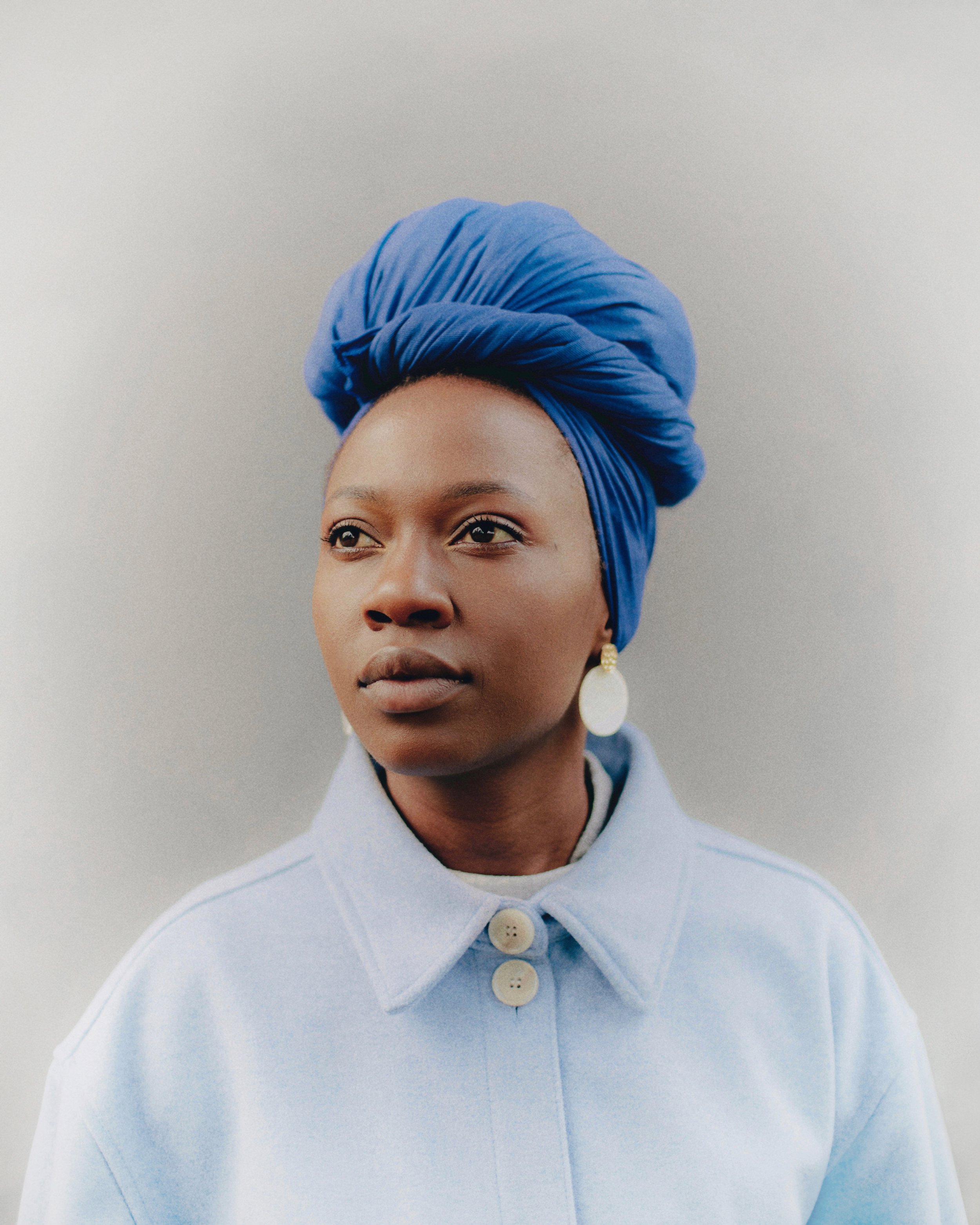
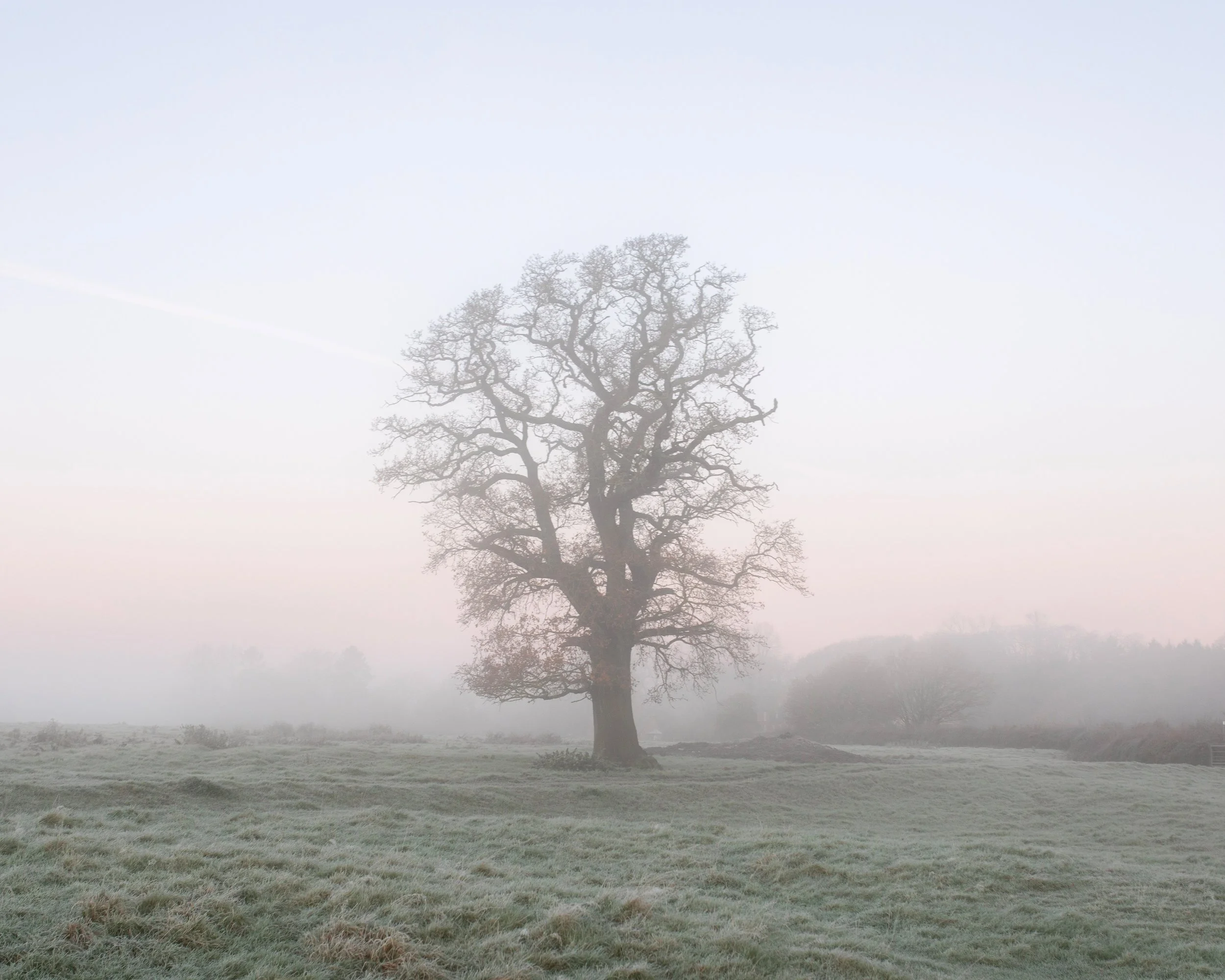
I’ve been fascinated by light for as long as I can remember, sunlight, moonlight, dusk and dawn, and the way light moves through mist and creates something almost surreal. I’m quite a bit of a dreamer. It might sound like a load of rubbish, but I like to romanticize life. There’s a lot in this world that I love and feel grateful for. Many things inspire me, although that doesn’t mean I feel that way every single day. I know that life can be difficult and complex at times, but I also believe there is real beauty in it. Through my photography, I try to look at people through a lens of goodness, to celebrate people and to celebrate life.
I remember one moment clearly from when I was a teenager. I visited a beautiful country park in Leicestershire, England. There was a river, ancient oak trees, and many deer. It was around golden hour, and the light was incredible. I remember seeing these deer slowly walking off into the distance. My friend had a camera, and I asked if I could use it. I can still remember running off into the sunset with that camera in my hand, feeling this incredible sense of joy and adventure. In some ways, I think that feeling is still with me today, not just in photography, but in life.
We talked about the role travel has played in your growth, and what stood out to me was your first trip abroad to India. You reflected on how different you were at that time, particularly in the way you approached photographing people, compared to how you work now. Can you speak to that shift and what you noticed about how it influenced the work you created?
In my final year of college, before going off to university, I traveled to India. My older brother was filming there and invited me to join him for the adventure. I brought my camera and spent three weeks traveling around and photographing. It was an amazing experience, and those memories will always stay with me.
At that time, though, I was very new to photography. I lacked experience and, in many ways, maturity. If I were to return now, my approach and my reasons for photographing would be completely different. Although the images I made weren’t bad, they lacked a clear sense of purpose and connection. Looking back, I realize I should have spent more time communicating with the people I photographed and getting to know them.
A few years later, in my final year at university, I traveled to Nepal. I spent around two weeks photographing in two rural villages in southern Nepal. This time was different. I stayed with people in the community and spent time talking, meeting, and getting to know those living in the villages. There was a clearer purpose behind the images, and you could see a stronger sense of connection compared to the photographs I made in India years earlier.
During that trip to Nepal, I also spent a lot of time photographing with medium format film. That process helped slow me down and made me more present, both in the moment and with the people I was photographing. That experience really shifted my approach to making images. I brought a lot of what I learned back with me and applied it to the projects I was working on in the UK during my final year at university.
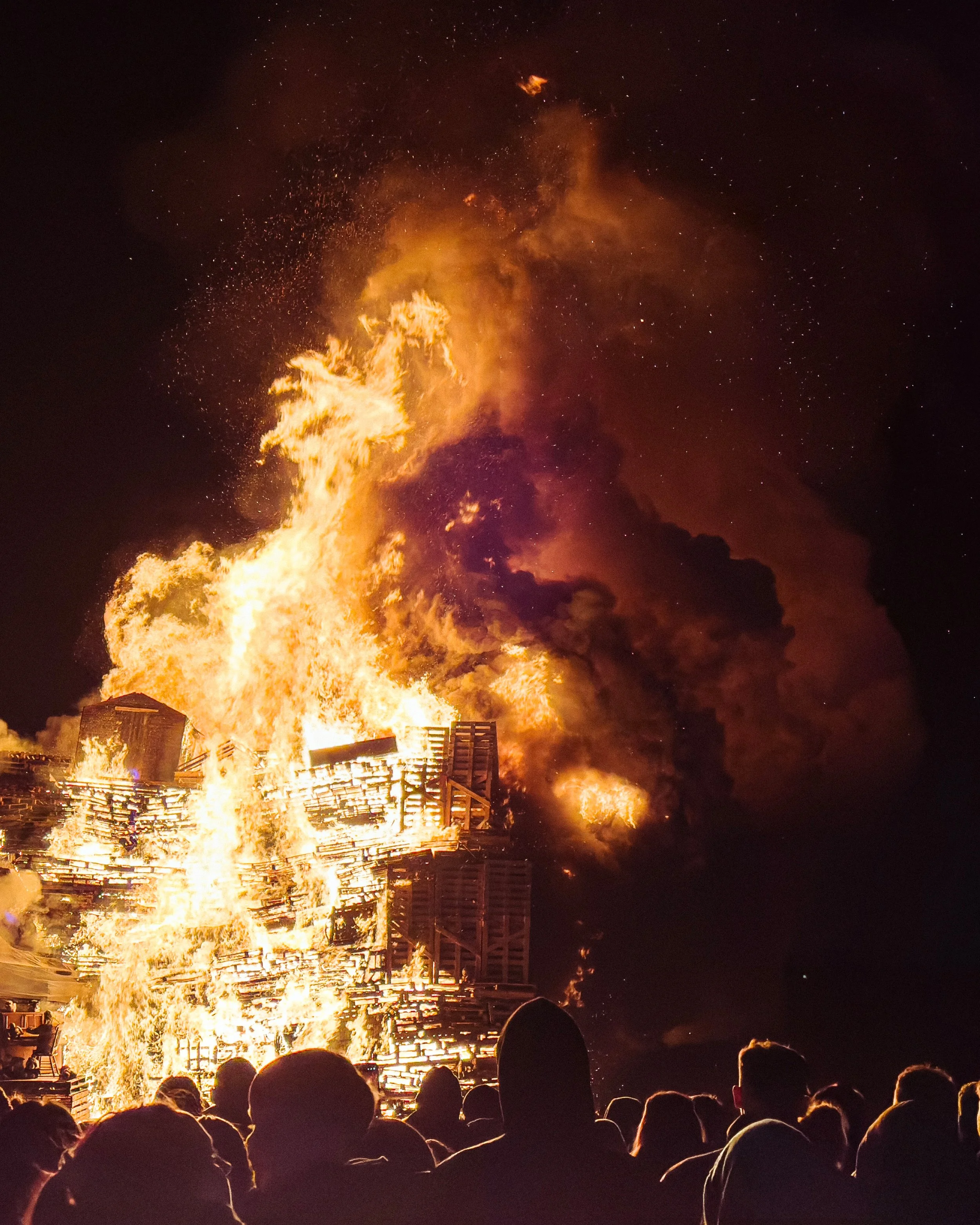
You mentioned that university exposed you to artists from around the world, and that recognizing the context, meaning, and purpose behind their work was especially influential. How did engaging with the work of others shape the internal dialogue you began to develop as an artist? What questions did you begin to ask yourself?
It was during my time at university, especially in my final year, that I really began to mature. I learned a great deal about photography and portraiture, and I discovered photographers from all over the world whose work I hadn’t even known existed. It was eye-opening. Their photographs had context and meaning; there was purpose behind them, but also a real sense of beauty.
University pushed me to start asking deeper questions about my own work. Why am I taking this image? What is the purpose? What is my intention? Am I being respectful? Am I representing this person honestly and accurately? Why am I creating this project in the first place?
It was a significant shift in my thinking. Portraiture became a way for me to explore those questions in a practical way. When you make a portrait, you have to speak with someone, communicate, and build a connection. It became a space where I could put those ideas into practice and think more carefully about the responsibility that comes with photographing another person.
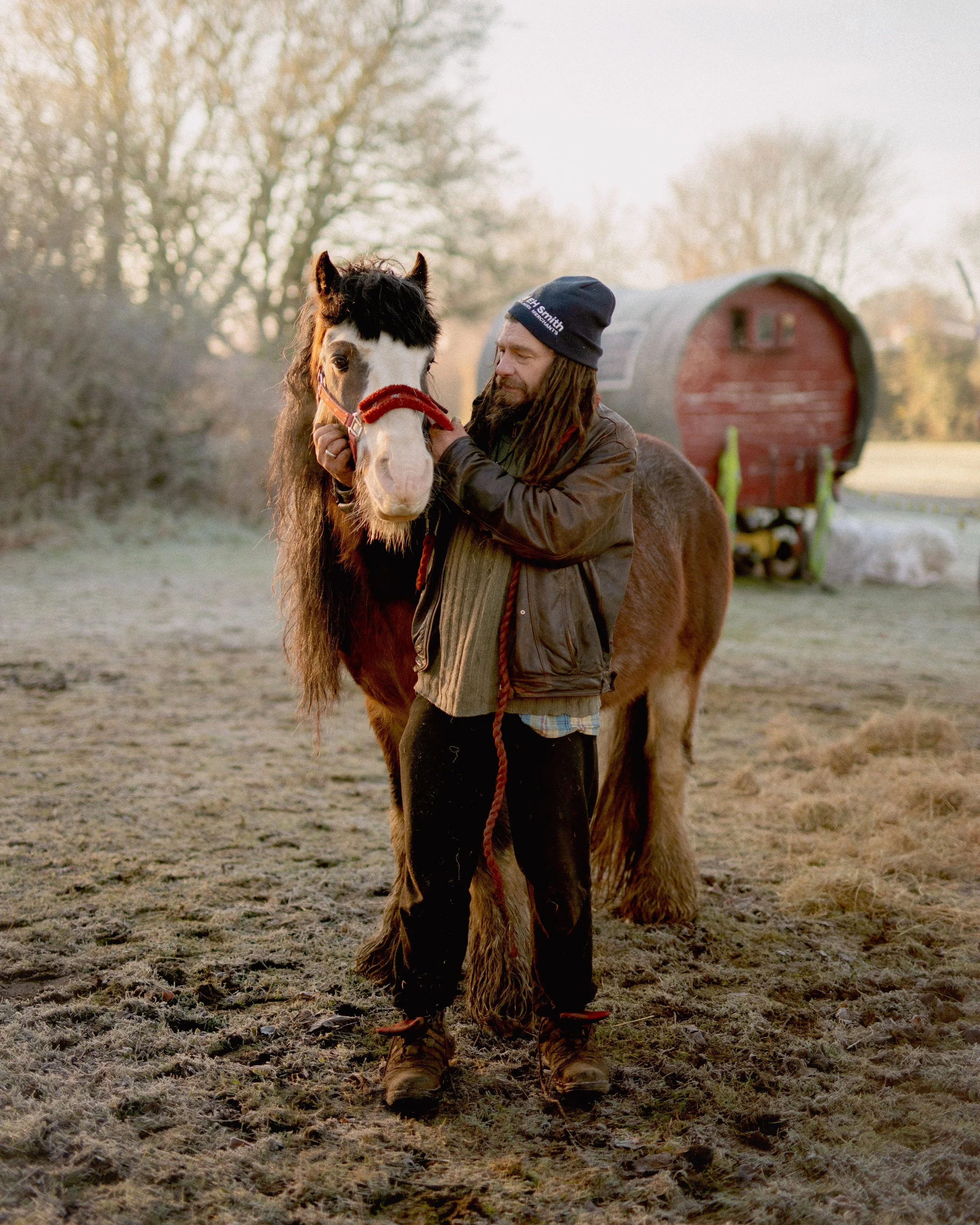
What I really appreciated in our conversation was your honesty about the realities of a freelance career. Can you talk about what that experience is like, and about the sense of freedom that comes from understanding your income doesn’t have to come solely from photography?
My personal projects, what most people know my work for, are currently fully funded by myself. That’s where my true passion lies. It’s where my heart is, and it’s what really drives me in photography. I do enjoy the paid projects and commissions that I take on, but personal work allows for a different kind of freedom. It’s guided entirely by your own direction and motivation.
I also run workshops from time to time and offer mentoring. I really enjoy this side of things because it gives me the chance to help inspire others and share tools that might help them take their work further.
Being a freelance photographer can be difficult. There are periods when I have a lot of work, and other times when things are very quiet. That uncertainty can create stress, and sometimes it affects my personal projects, especially in terms of having the creative energy to keep them moving forward.
Recently, I had an important realization: I don’t have to earn all of my income from photography in order to feel successful in my craft. It’s okay to do other things if needed, and that doesn’t mean I’ve failed. Photography is more than just my career, it’s my passion, my creative outlet, and a way for me to explore and better understand the world.
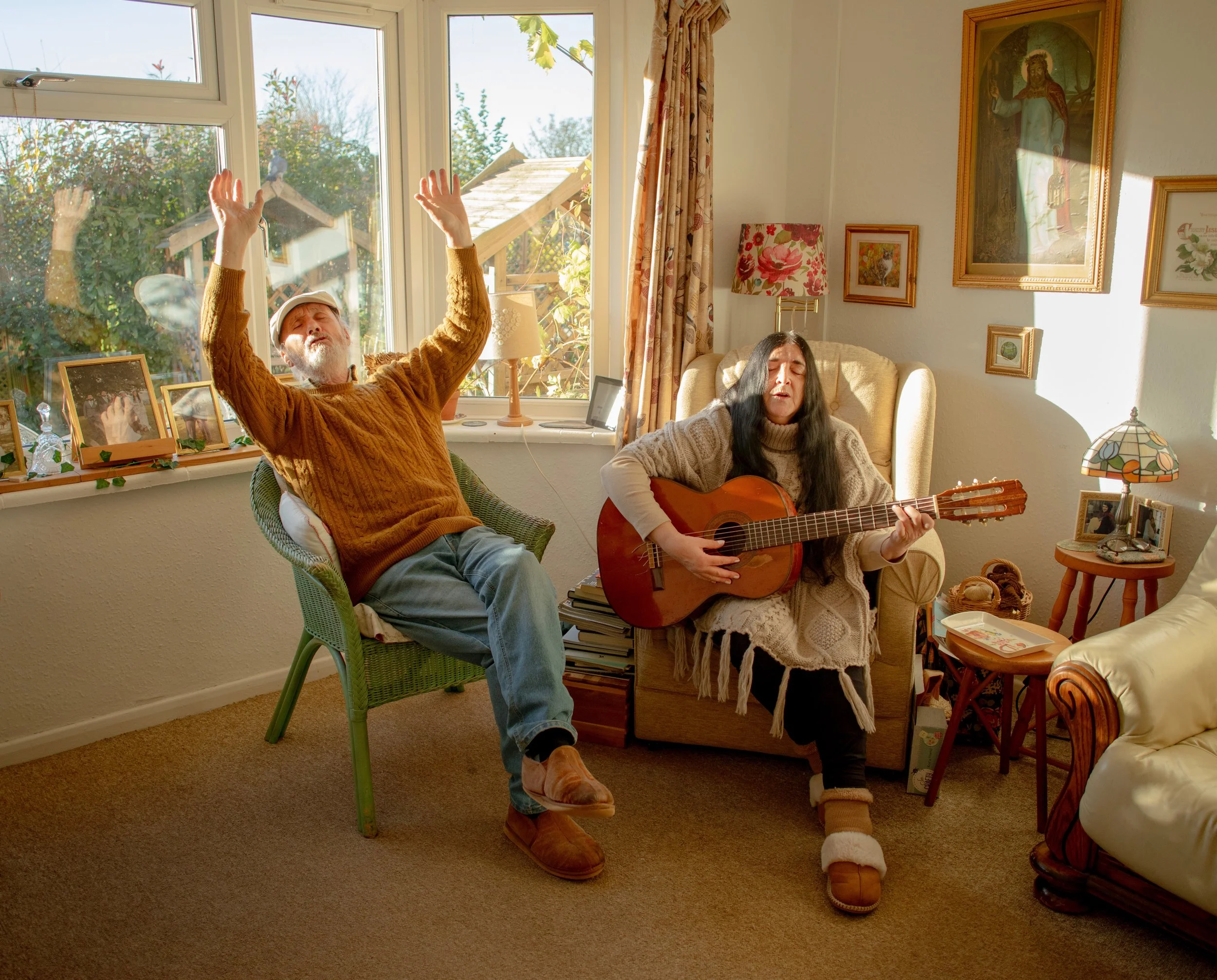
How does the theme of celebrating life come across in your current on-going project?
Currently my three main projects are:
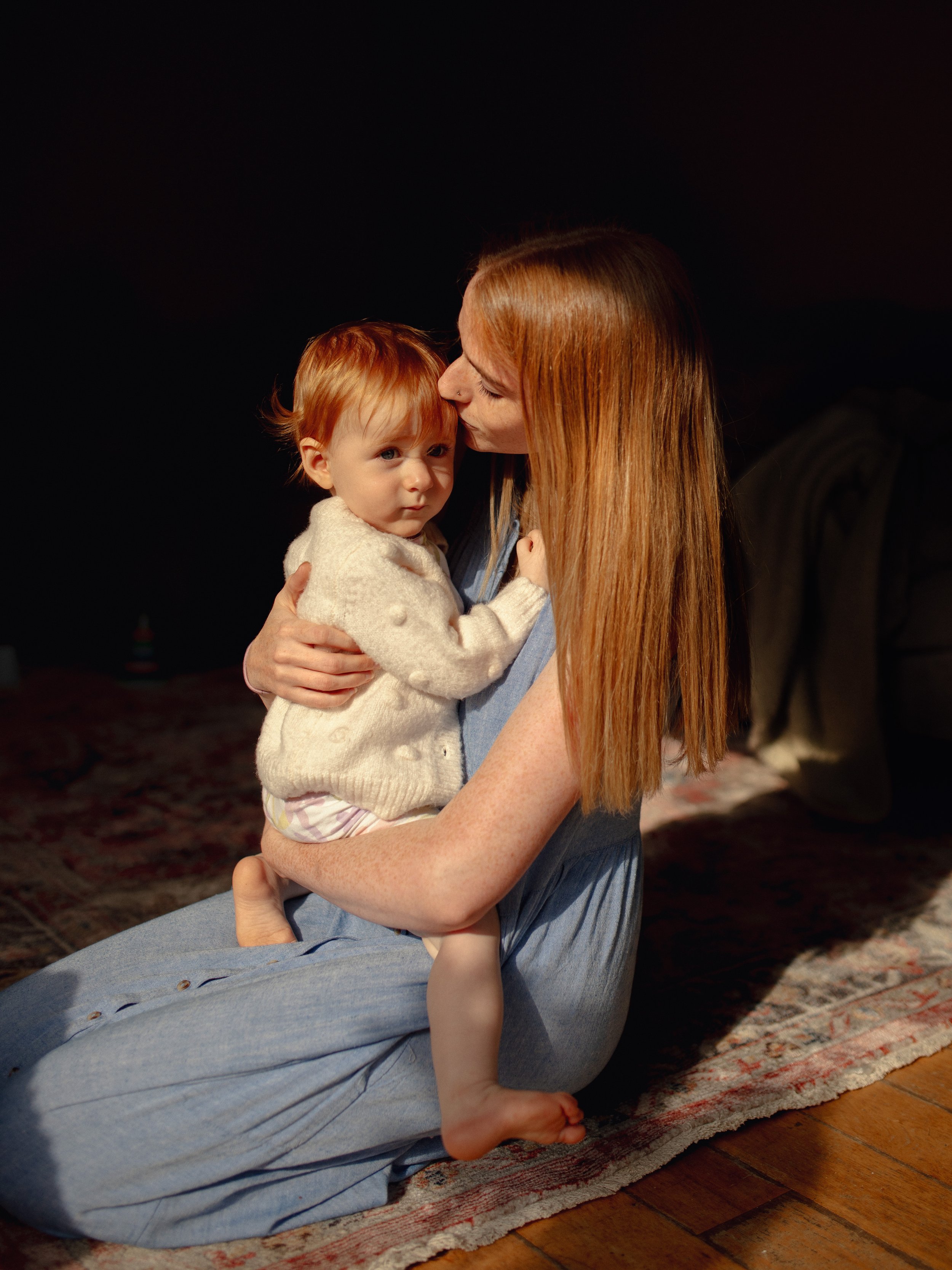
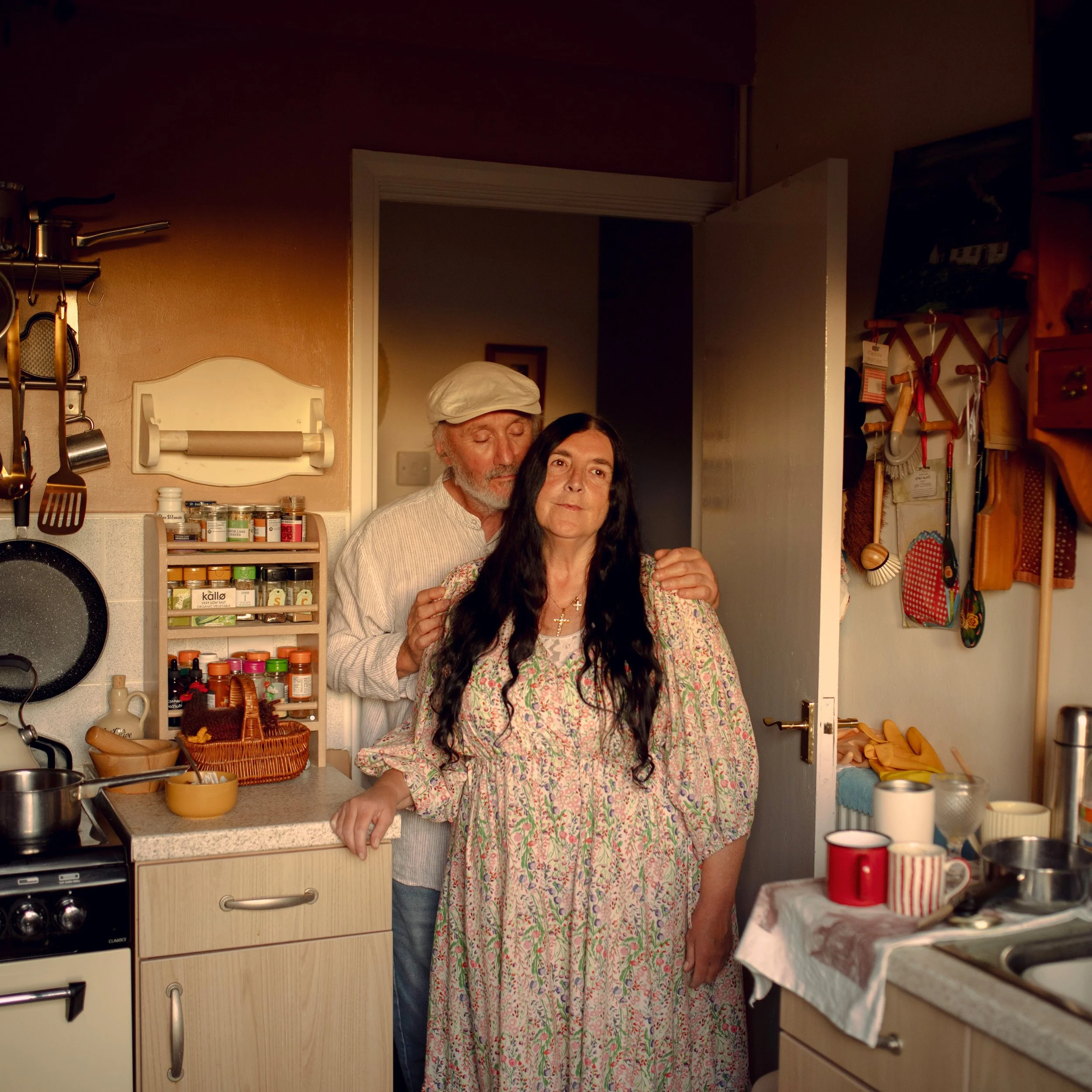
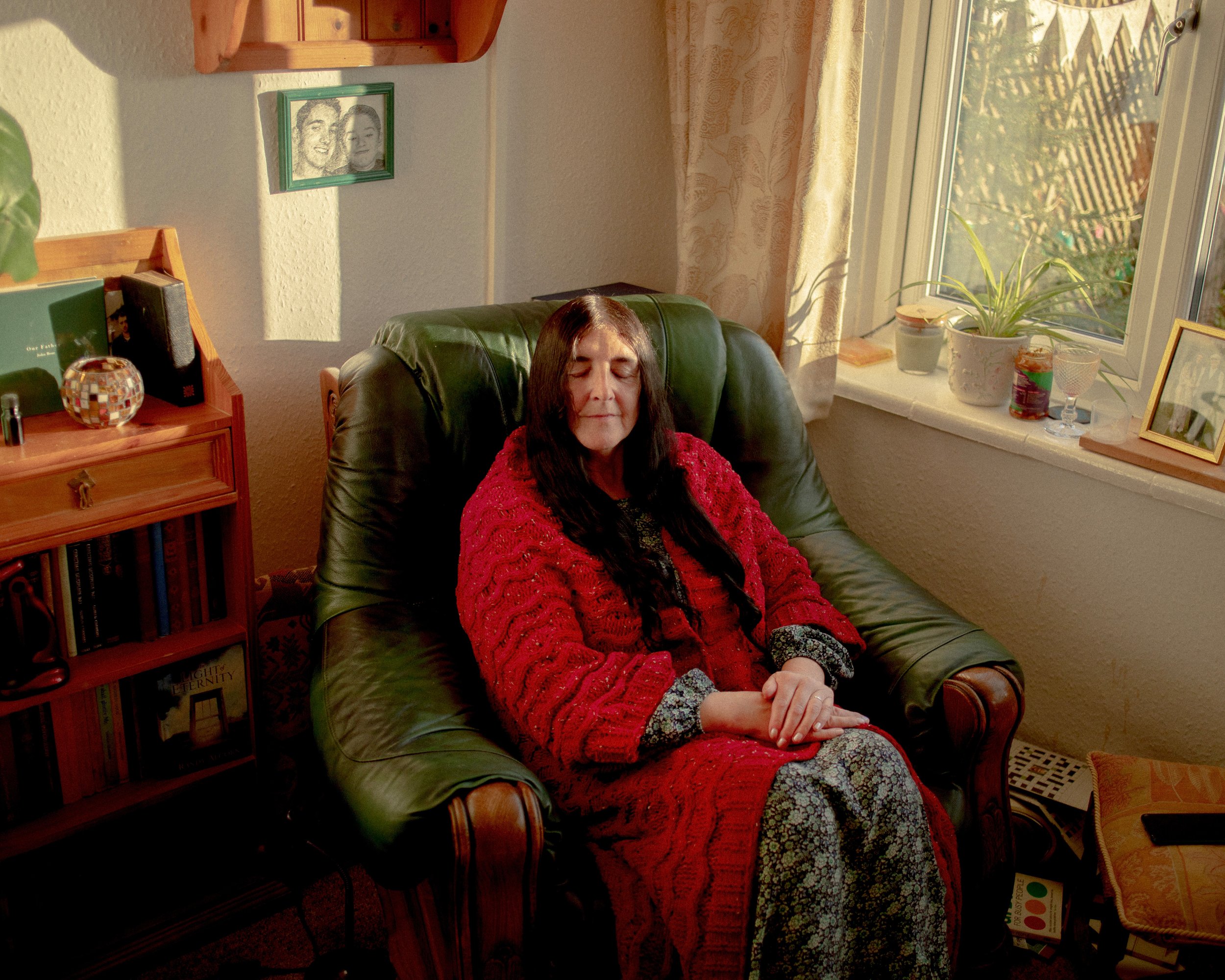
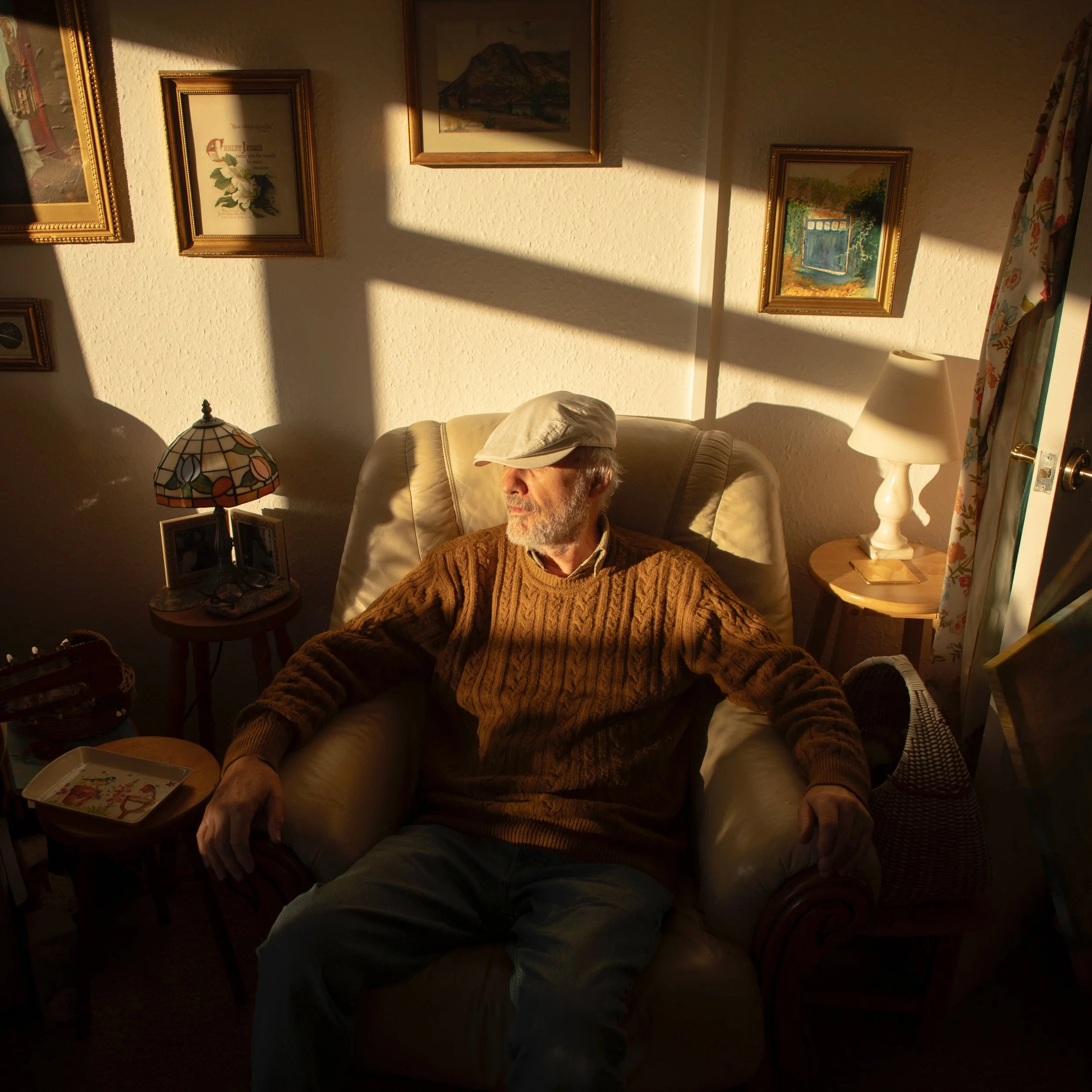
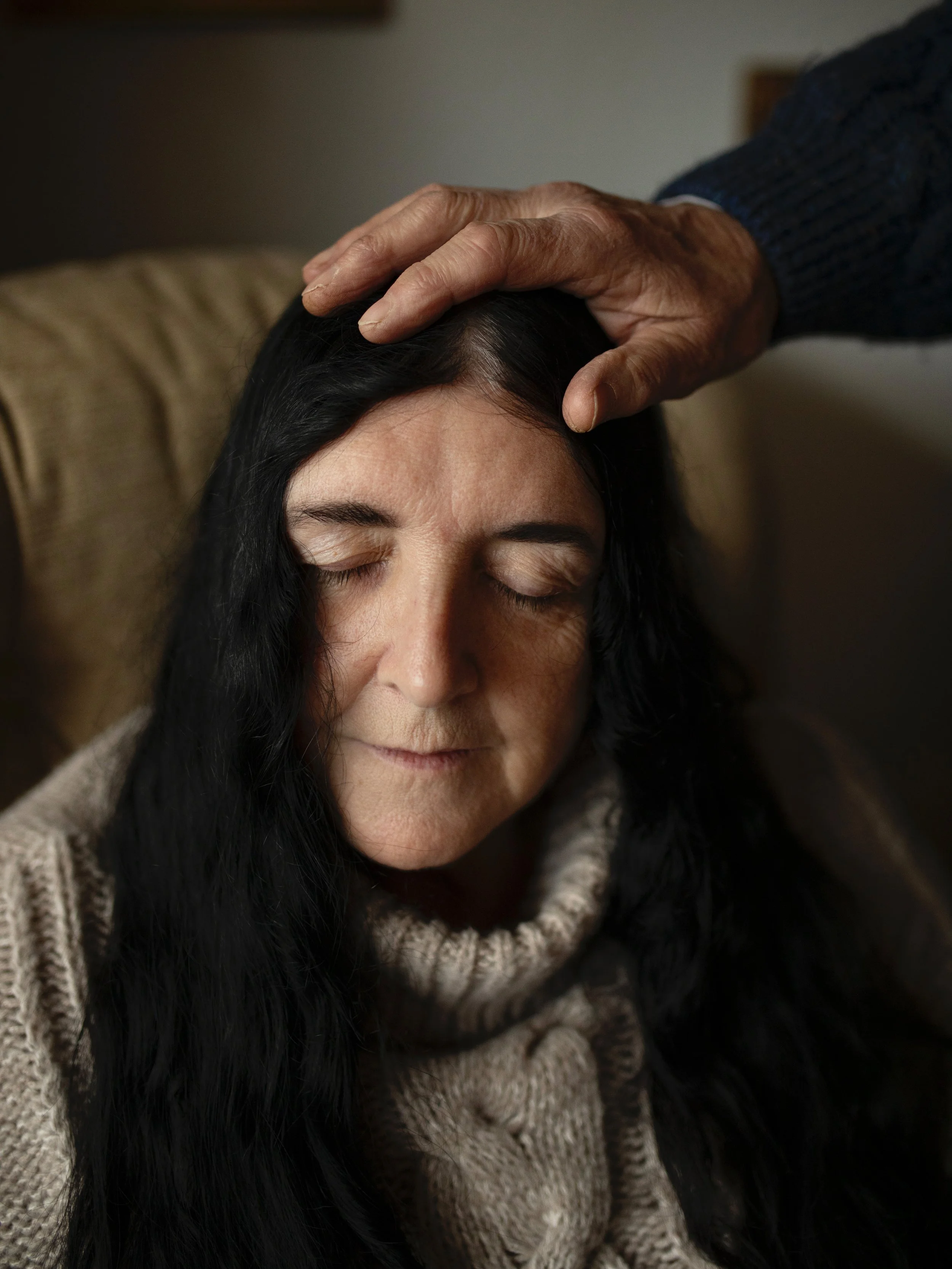
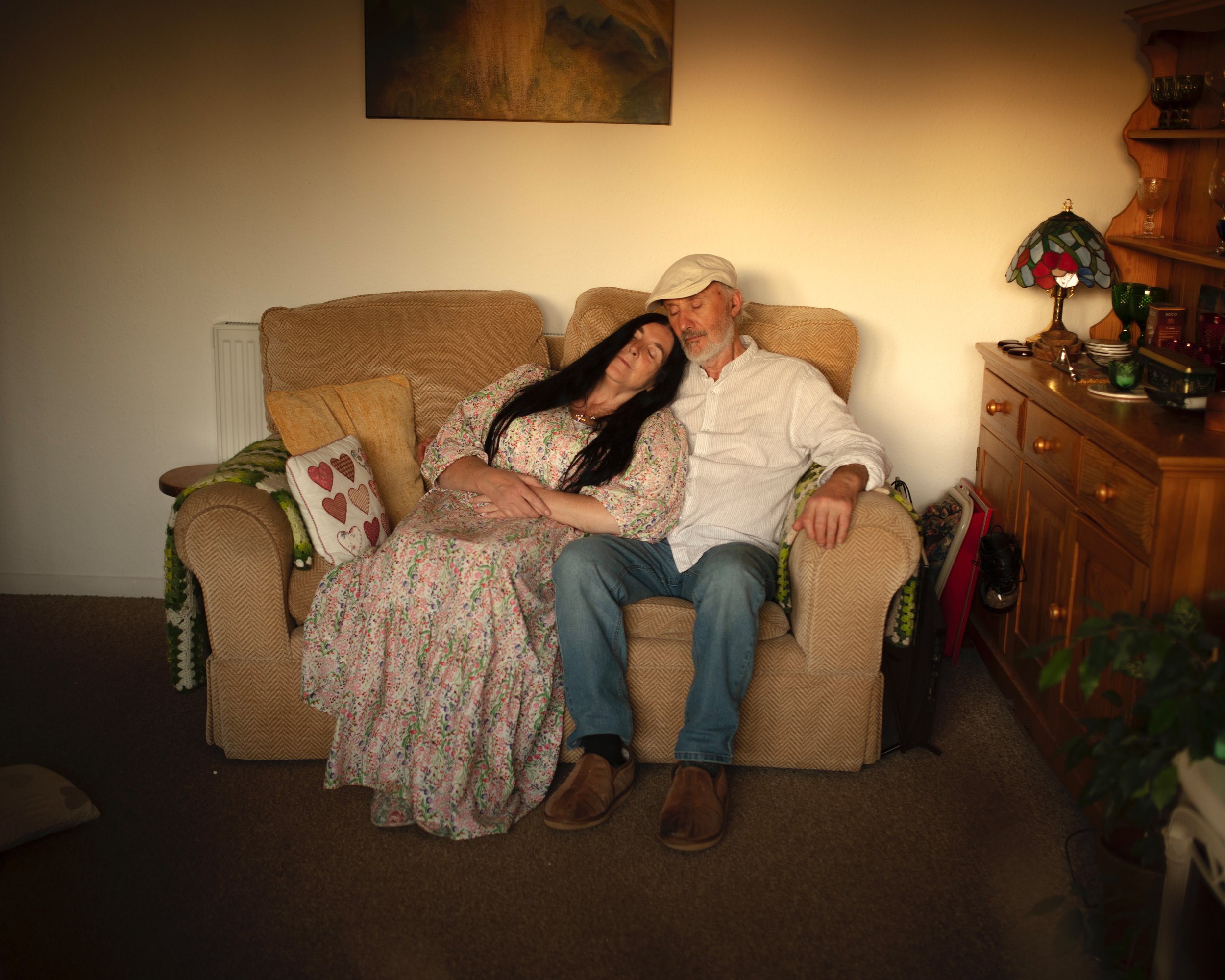
Hope in New Beginnings is a project that is now coming close to completion, with a few potentially exciting developments on the horizon. The work focuses on my parents, whom I have been photographing at our family home since late 2018.
It is a deeply personal body of work that explores themes such as love, aging, spirituality, the passing of time, relationships, and loss. There are many layers within the project that may not always be immediately obvious to the viewer, but for me it holds a great deal of personal meaning.
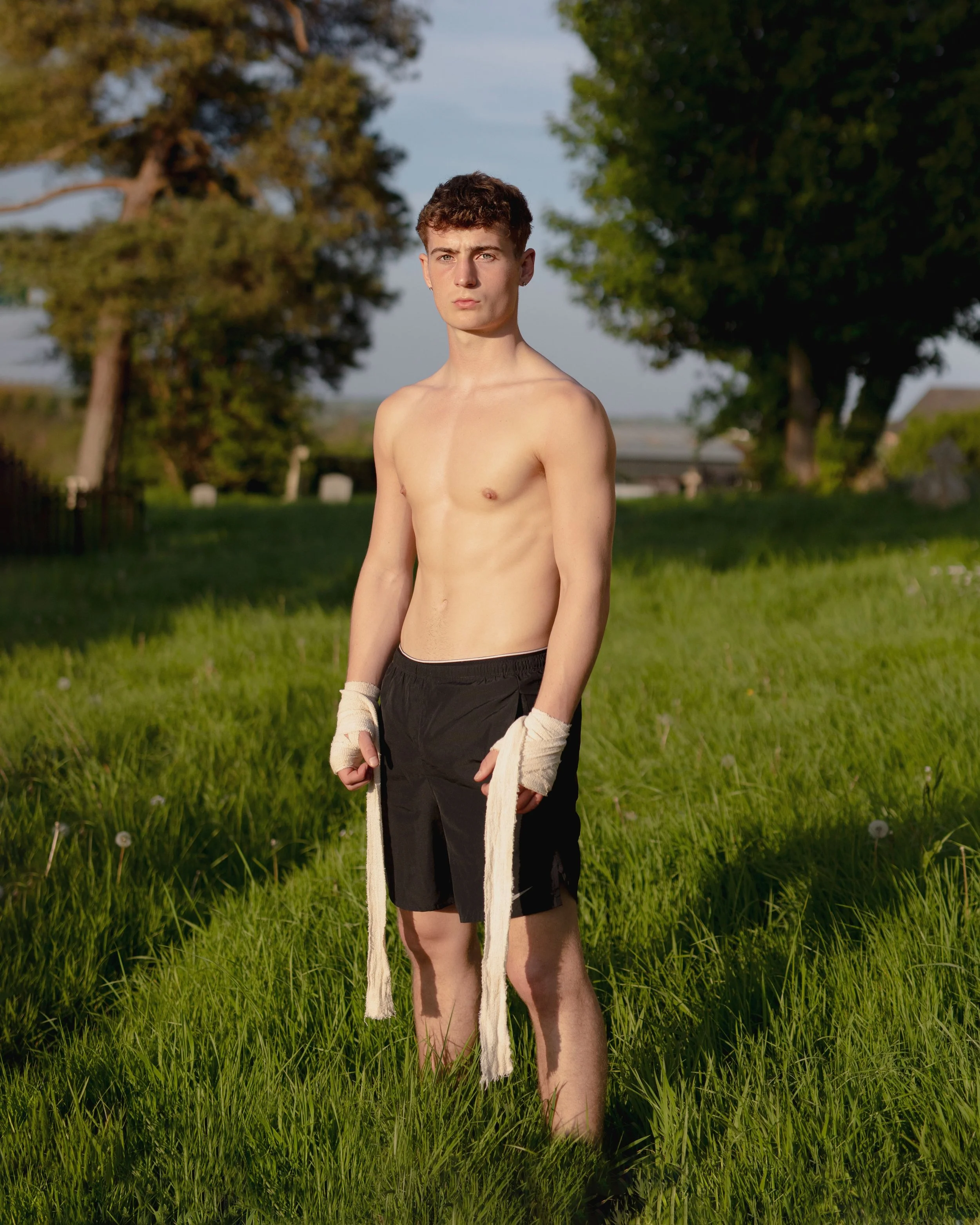
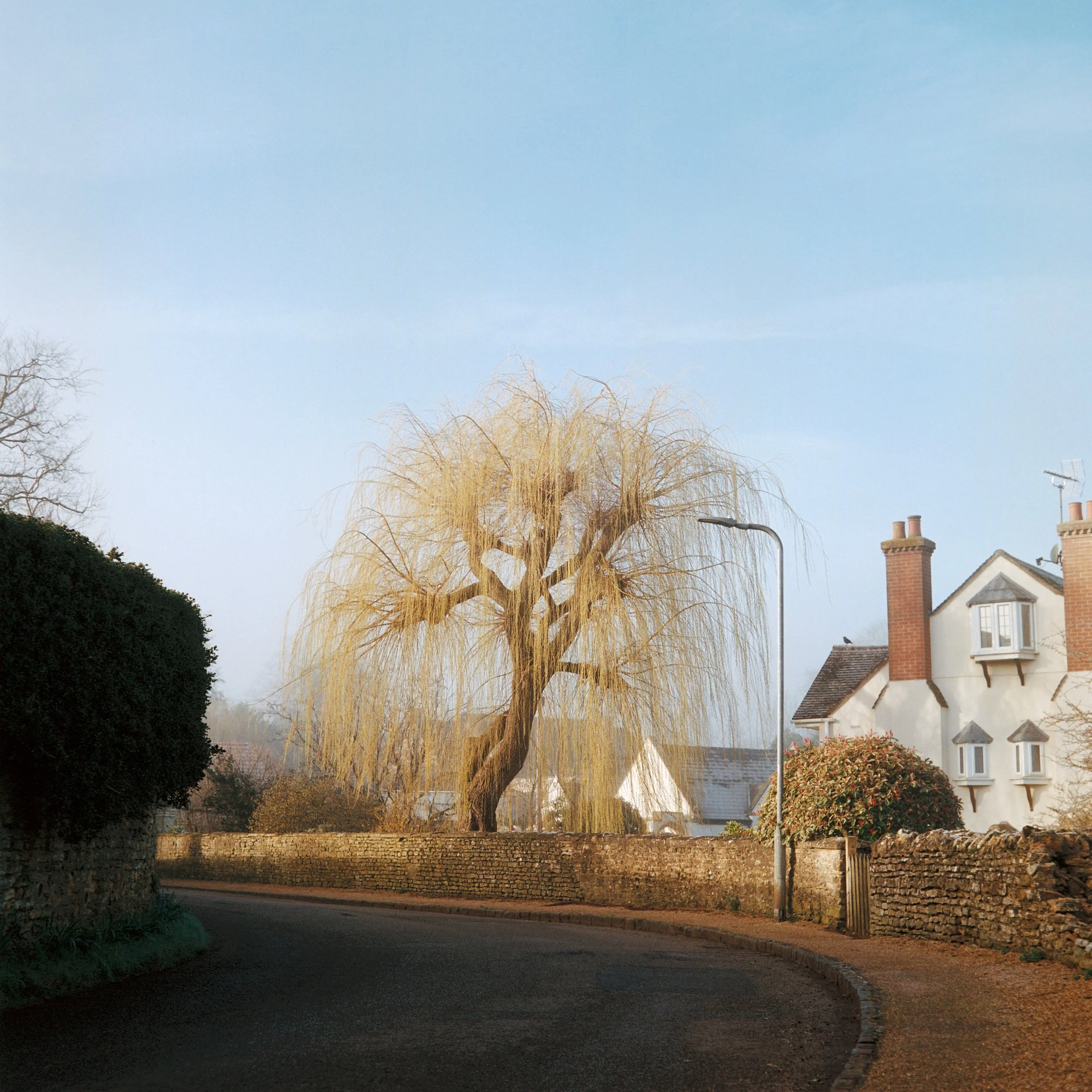
This Rose I Call Home is a long-term, ongoing project photographing Northamptonshire, the county where I grew up. It’s a space for me to experiment and simply enjoy the process of making images—exploring my surroundings and engaging with the people I meet along the way.
In many ways, the project is also a reflection of the nostalgia I feel for this place and my evolving relationship with it as an adult. It carries a sense of returning home, a kind of safe harbor. It’s a place filled with memories, but also a place where new memories continue to be made.
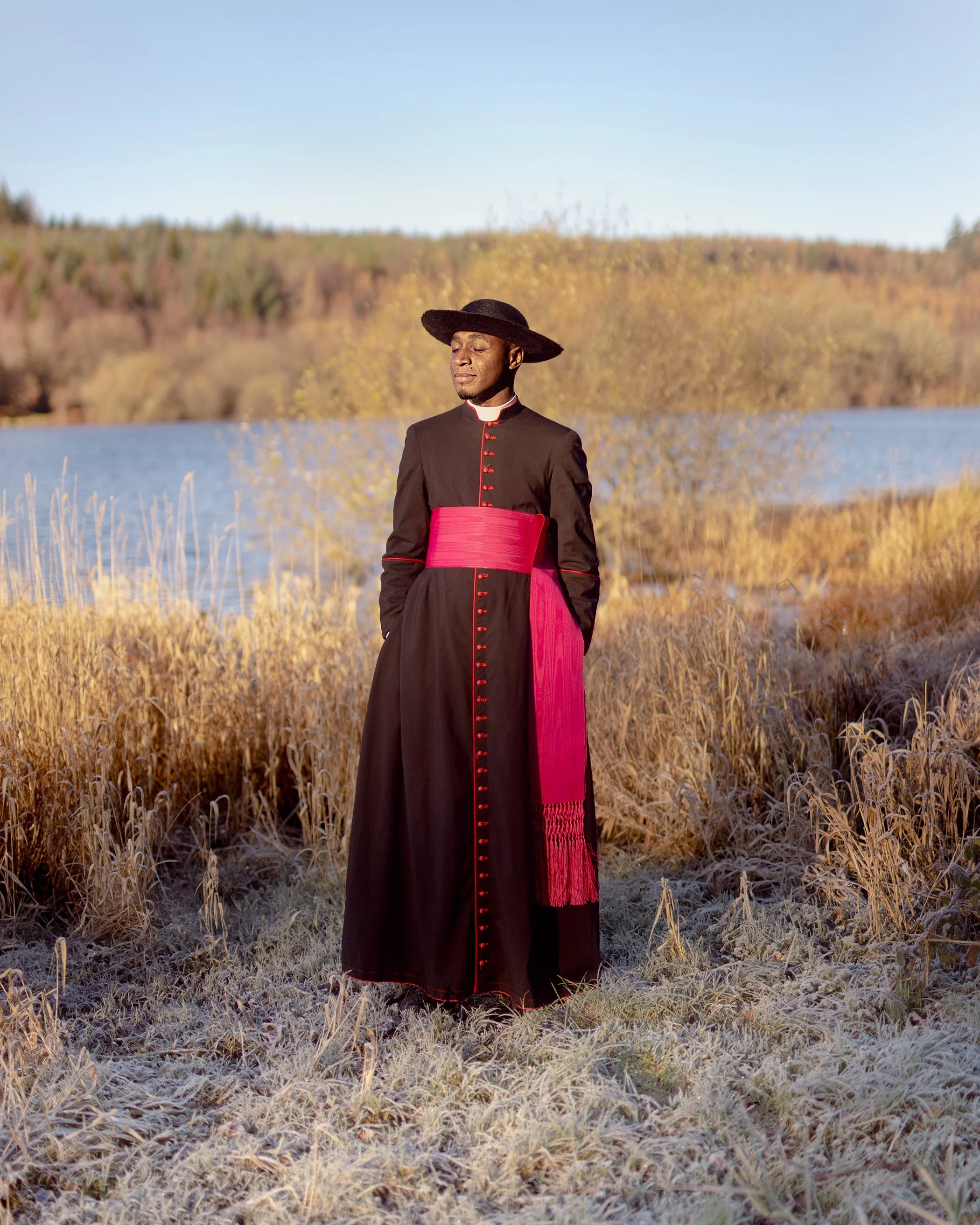
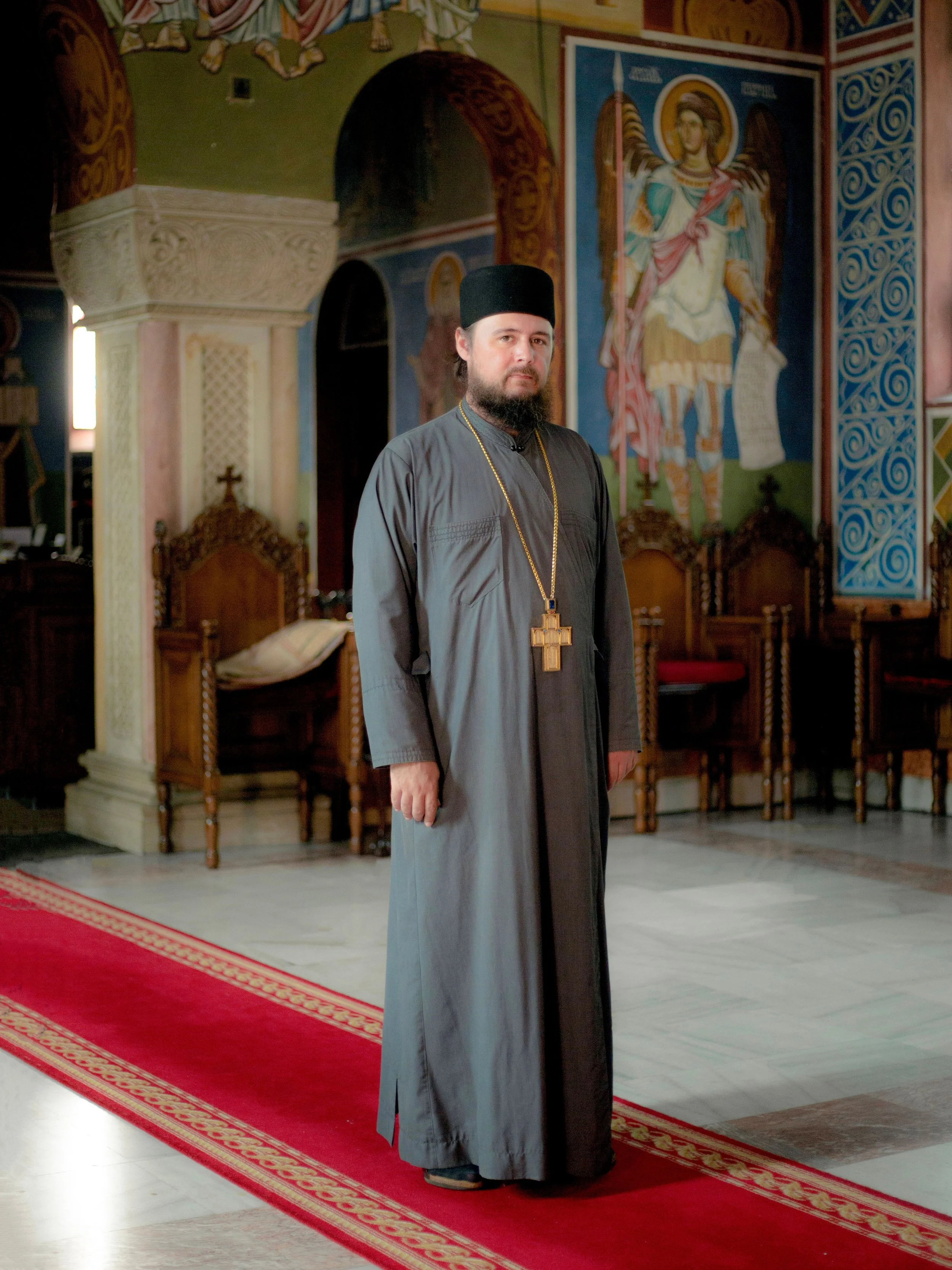
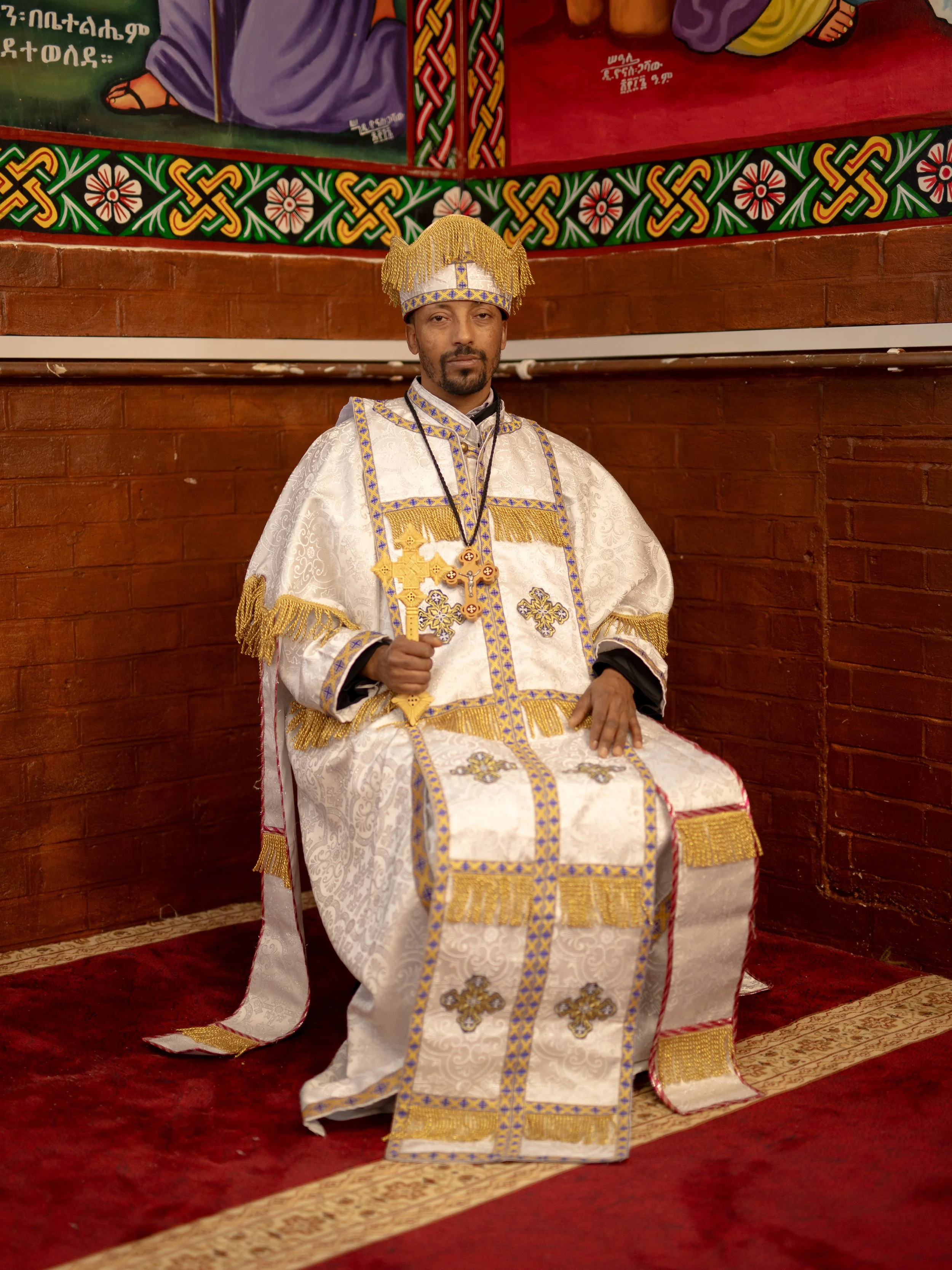
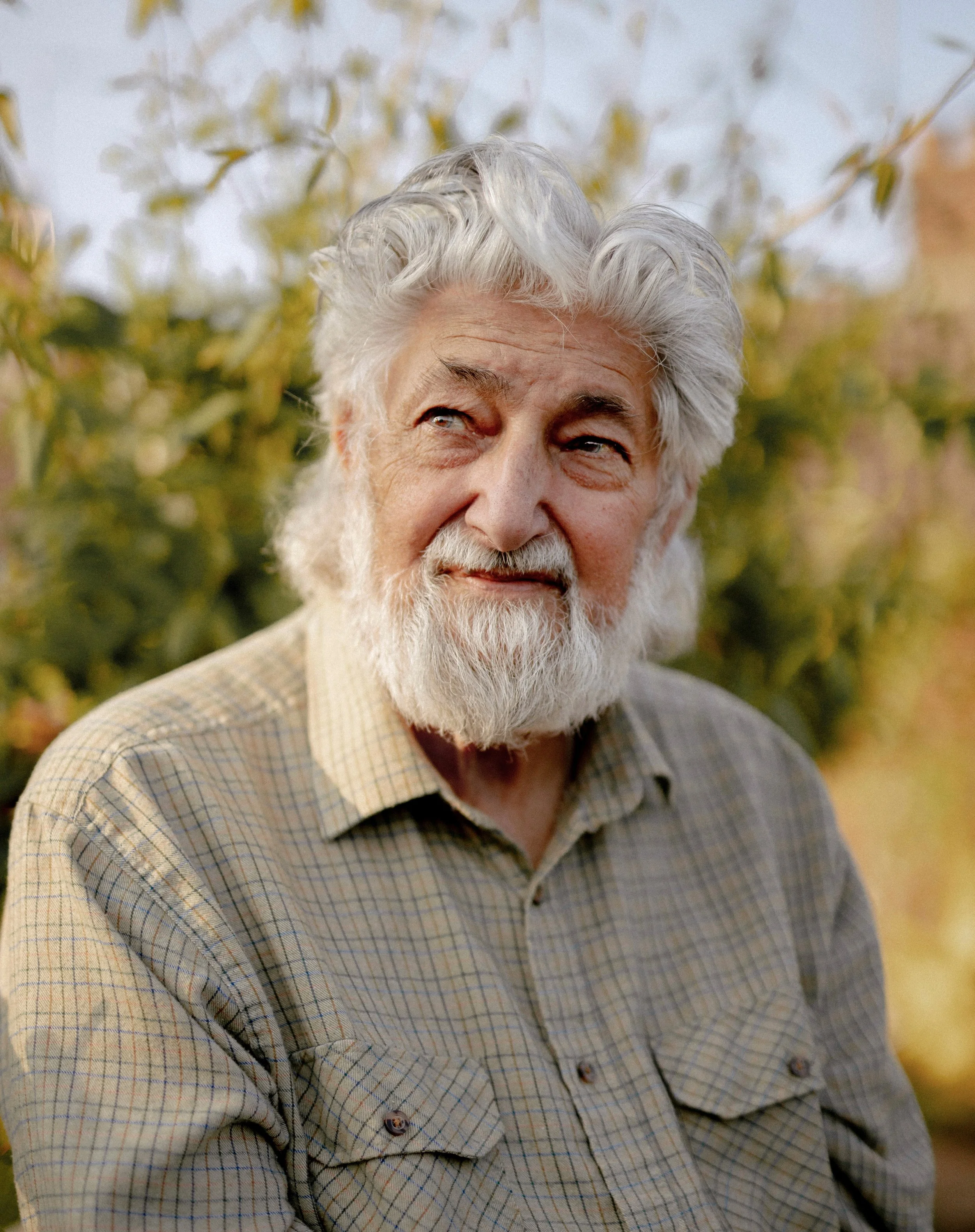
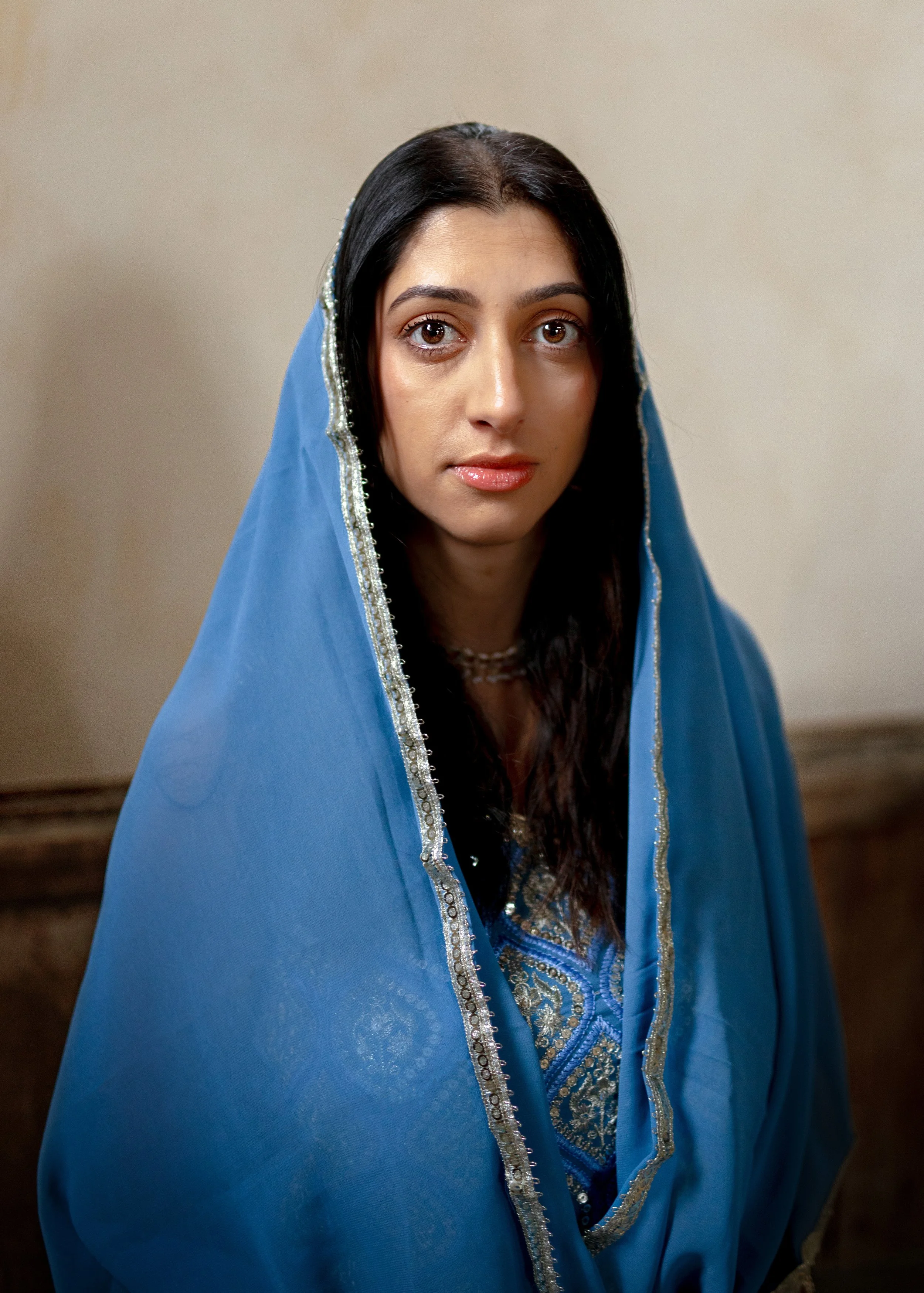
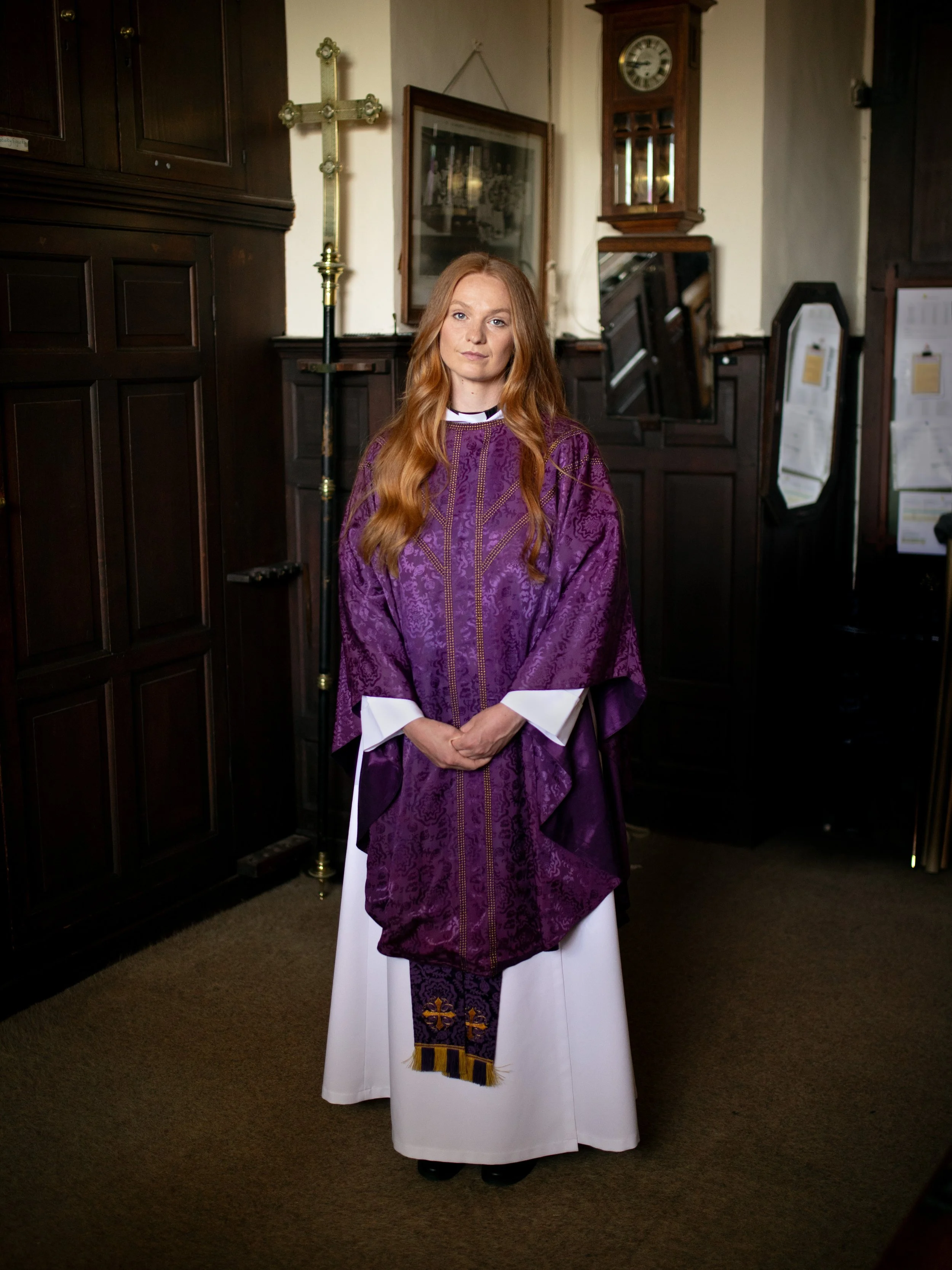
Rivers of Living Water is a long-term, ongoing body of work that I have been developing for many years, and it includes several award-winning portraits. The project explores and celebrates the diversity of the Christian faith in Britain. Out of the three main projects, this one is certainly the most challenging, but also the most fulfilling.
I have created other smaller projects in the past, but these three are my main bodies of work. All of them are still ongoing and have been developing over a number of years. I like to take my time when making work. I prefer to move slowly and allow the projects to grow naturally, giving them space to evolve and sometimes even take new directions if needed. That way of working suits me at the moment, though of course it could change over time.
Over the past year or so, I’ve also started to slow down in terms of sharing my work online. I spend more time sitting with my images, thinking carefully about where they belong within my projects and when the right time is to share them. I realized that I had begun showing my work a little too quickly on platforms like Instagram. At one point, I felt pressure to post several times a week to stay consistent, which created this sense that I always had to be producing and sharing something new. Over time, I recognized that this approach wasn’t sustainable or healthy.
I do enjoy sharing my work online, and I think social media can be a helpful platform when used thoughtfully. But nothing quite compares to seeing work, your own or someone else’s, beautifully printed and displayed in an exhibition, where people can gather, connect, and engage with the images and one another together.
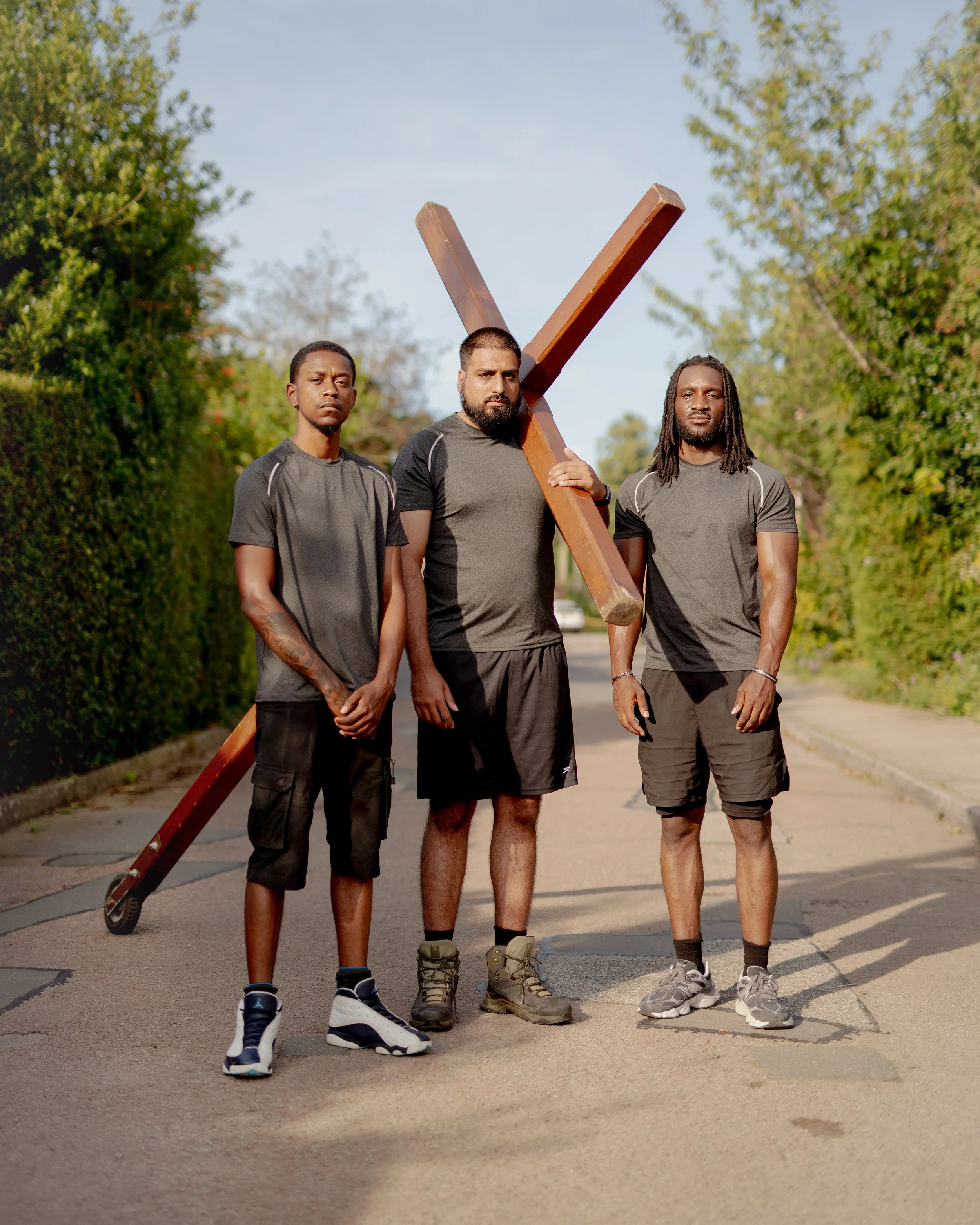
Out of your three projects, which one has provided you with the most challenges?
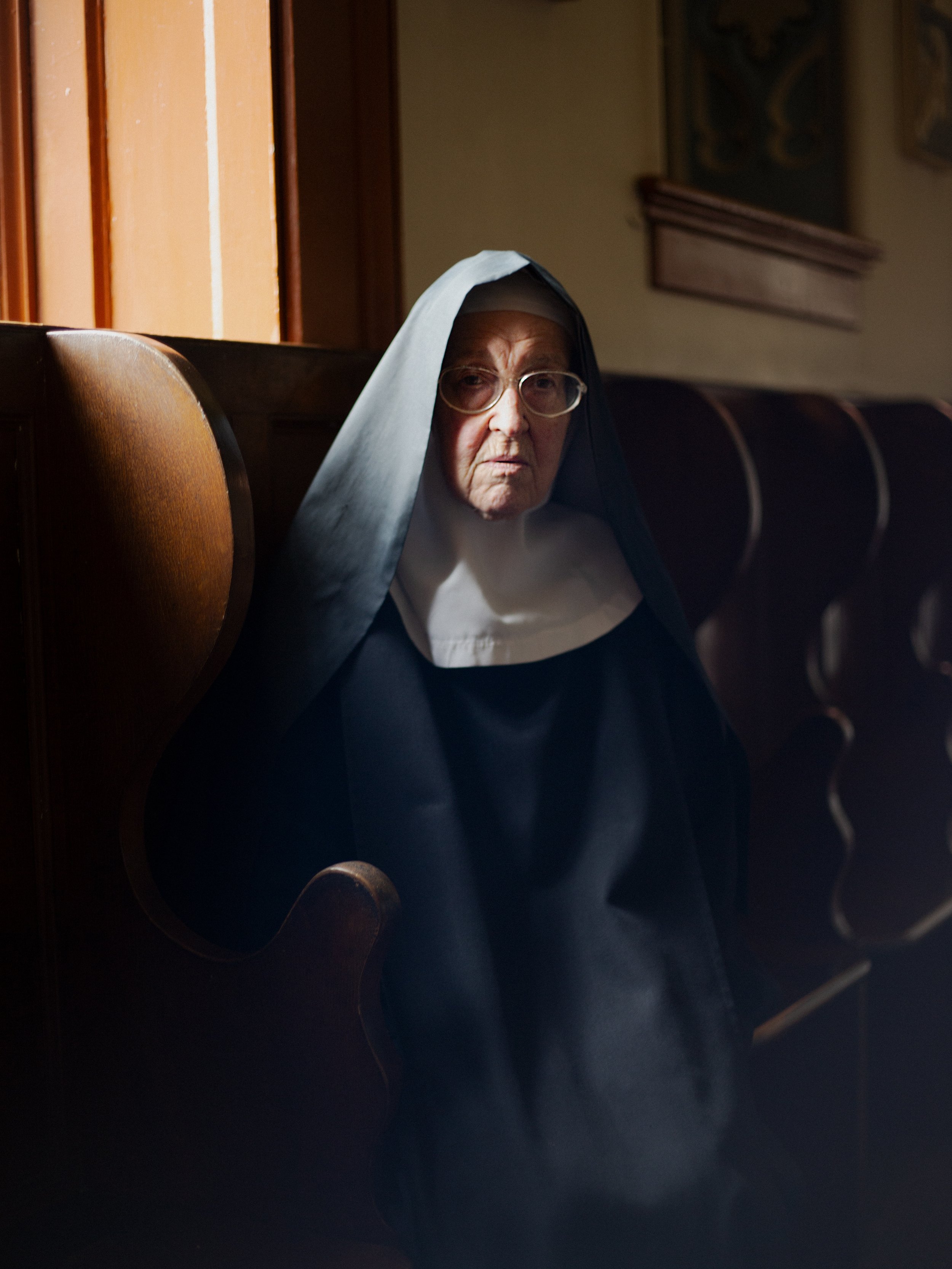
In many ways, Rivers of Living Water grew out of Our Father, the series I created during my final year at university for my final major project, where I photographed monastic communities in Britain.
Rivers of Living Water is the largest body of work I have undertaken so far. It has been the most challenging, but also the most rewarding process. Some of my strongest images have come from this project, and several photographs from the series have been selected in various photo awards and open calls. I feel as though I am on a journey with it, and I’m excited to see where it will lead in the future.
There are a few potentially exciting developments for Rivers of Living Water happening this year that I’m not yet able to share. One thing I can mention, however, is that in October some of the portraits from the project will be exhibited in Greece at the Photopolis Festival as part of Photofolios:26.
Keep up to date with John’s latest work here:
Website
Instagram