
Carter Johnston
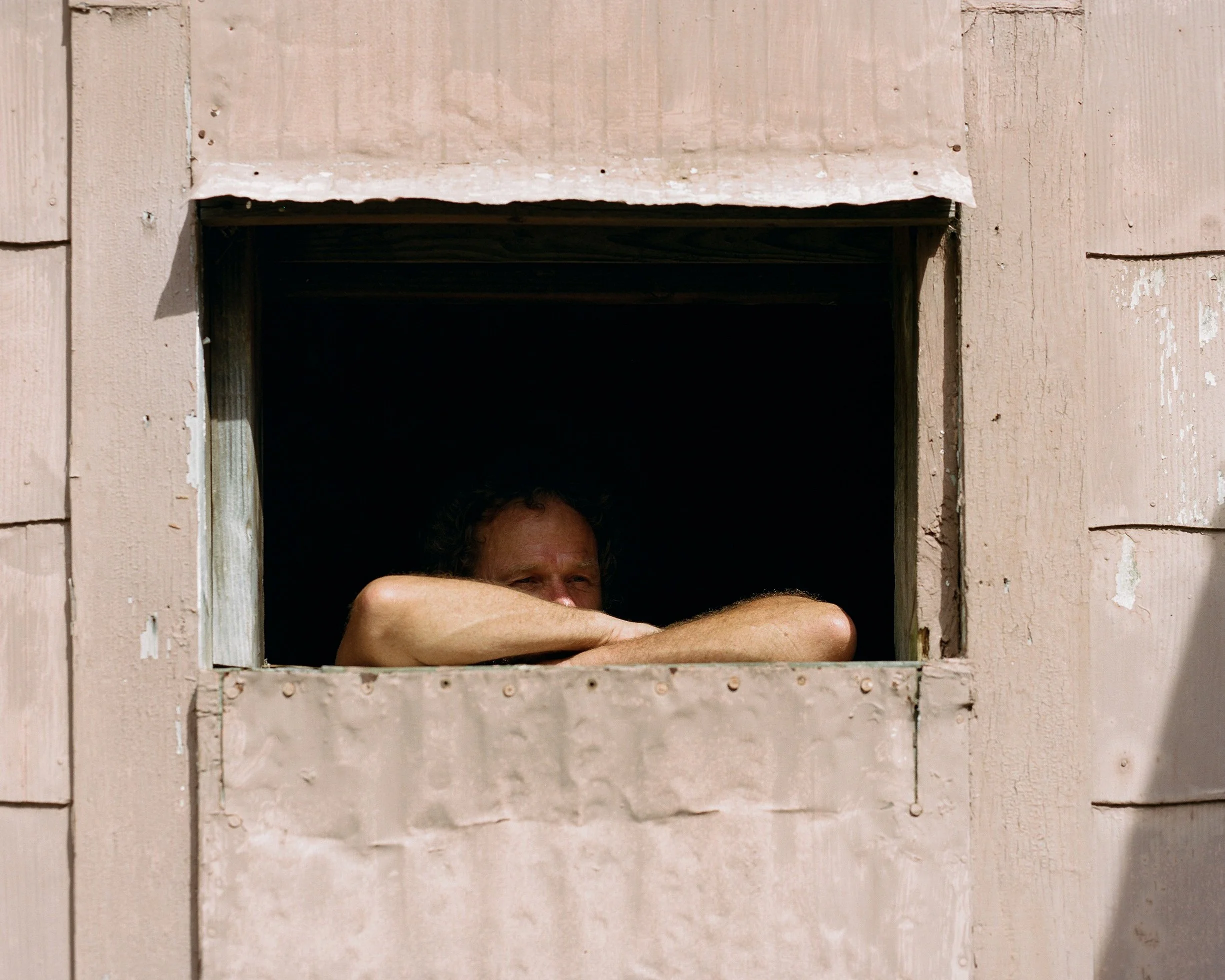
When I first encountered Carter Johnston’s portraits, their quiet intimacy immediately drew me in, they felt deeply personal yet unobtrusive. I reached out immediately, wanting to learn more. I begin an interview feature with a phone call, using it as a way to connect with the artist and understand what stories are most meaningful to share.
In preparation for the call, I read his bio, which listed his birth year as 1988 and noted that he has practiced photography since 1993; I assumed it was a typo. It wasn’t. It didn’t take long to realize that Carter’s trajectory has been driven by relentless determination. When doors seemed closed, he knocked louder; when something didn’t feel challenging enough, he found a way to push himself further.
This interview explores the profound influence of his grandfather, his wife, and his experience of feeling like an outsider, all of which deeply shaped his creative voice. He shares how photography became a way to navigate grief, particularly the emotional toll of miscarriages, and how his early ambition to become a photojournalist shifted as he gained clarity about his own values.
My notes from listening to Carter include this quote: “You have to believe what you’re doing is important.” And in the end, that’s what it comes down to, trusting that the pursuit is worth it, and “that reaching a goal isn’t the end." Building a creative life is challenging, and I started Anywhere Blvd to serve as a reminder that you’re not alone in that pursuit.
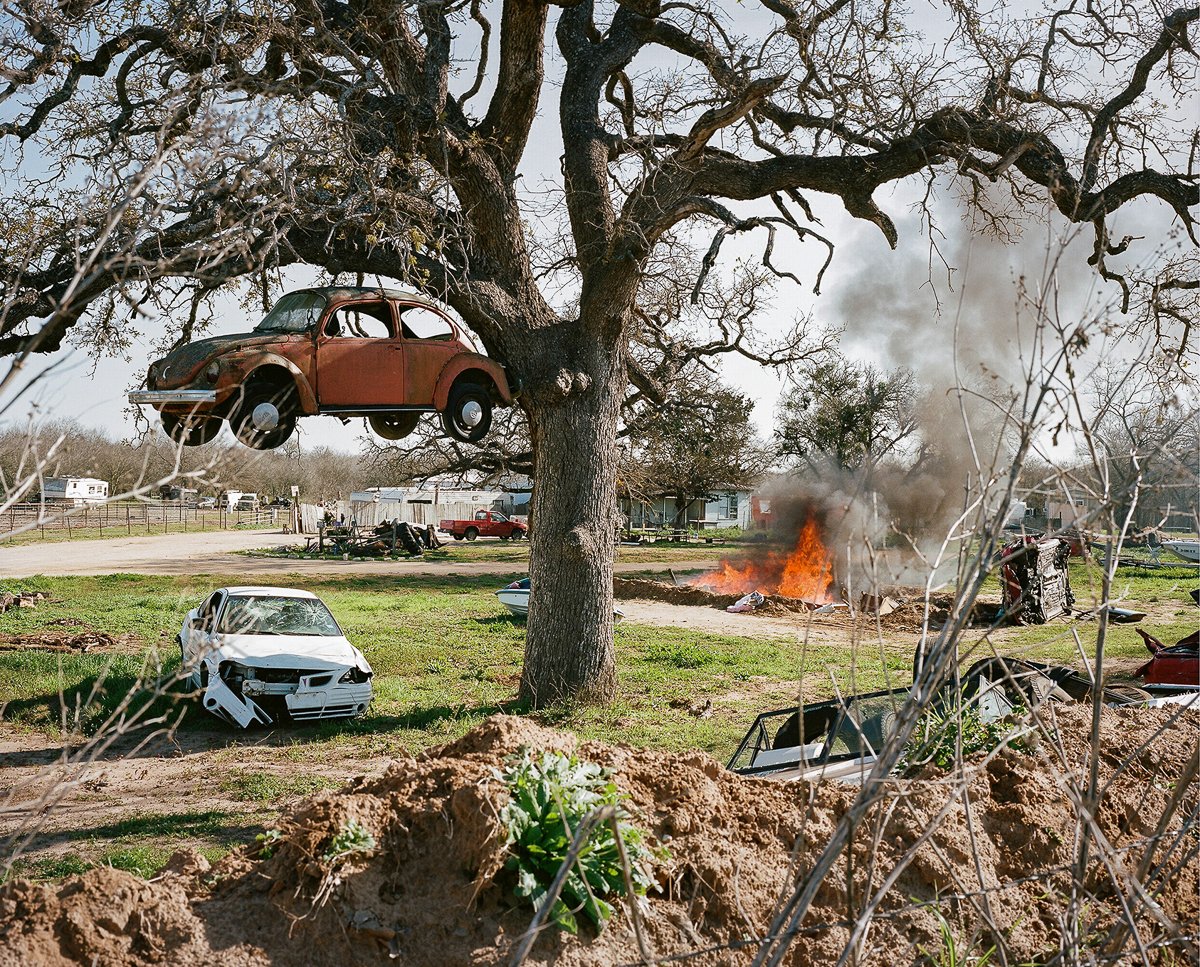
What initially seemed like a typo in your bio revealed something much more meaningful, that photography entered your life at a very young age. Can you share how your grandfather played a role in shaping that early connection?
My first interest in photography began when I was four or five, during a period when my parents’ marriage was falling apart. We took frequent trips from Houston to my grandparents’ house near Chicago, piling into the suburban with the seats down, sleeping and watching movies along the way. While there, I would sneak into the basement to watch my grandfather work in his darkroom and load slides in his projector for slideshows. I was fascinated. His basement smelled of leather, photo chemicals, cologne, and laundry, and he almost always had a camera with him. I’d ask to hold his camera and would wear it around my neck. He taught me how to focus, press the shutter, and advance the film. Those are my earliest memories of photography.
I bought my first camera, a cheap APS point-and-shoot, when I was six or seven and mostly photographed baseball games and life around the house. After my parents split and my mom remarried, we visited my grandparents less often, but my grandfather would bring me old National Geographic magazines when he came to visit. We’d look through them together, talking about the photos and articles. He loved the beautiful images and articles related to technique. I was drawn to photo essays on topics like genocide and climate change. Seeing my interest, he got me a subscription. Still, I learned best by doing, spending my early years learning through trial and error. I photographed squirrels, family events, and my neighborhood on film, most of it ending up in the trash.
It cost my mom a lot, but she saw how much I loved photography and how little I asked for otherwise, so she supported it. I’d negotiate smaller birthday and Christmas gifts in exchange for camera gear and film. I didn’t care about the quantity of gifts but more so that I had the tools I thought I needed to accomplish my dream. When she took me clothes shopping, I’d calculate the budget and shop at thrift stores so I could save the rest for camera equipment.
Around age eleven, my grandfather helped me turn my closet and bathroom into a black and white film processing room. I loaded film in the closet and processed it in the bathroom. I was rarely without my camera. I felt anxious if I didn’t have it, always afraid of missing “the shot.” I drove my family crazy, often nearly making us late for flights or ferries, like Kevin in Home Alone. They called me “Carterazzi” because I photographed everything, sometimes burning an entire roll on a dog, a flower, a sunset, or an old building.
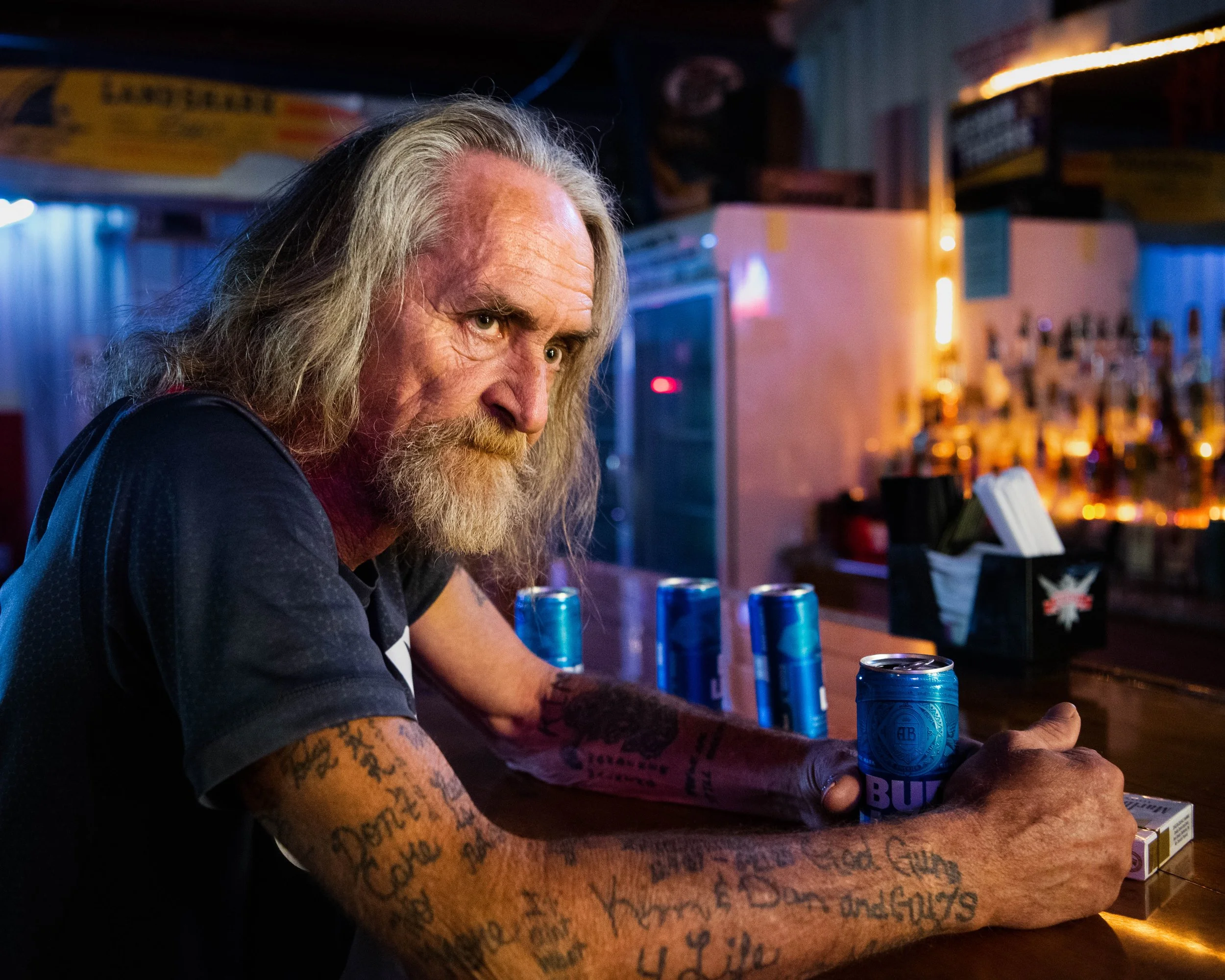
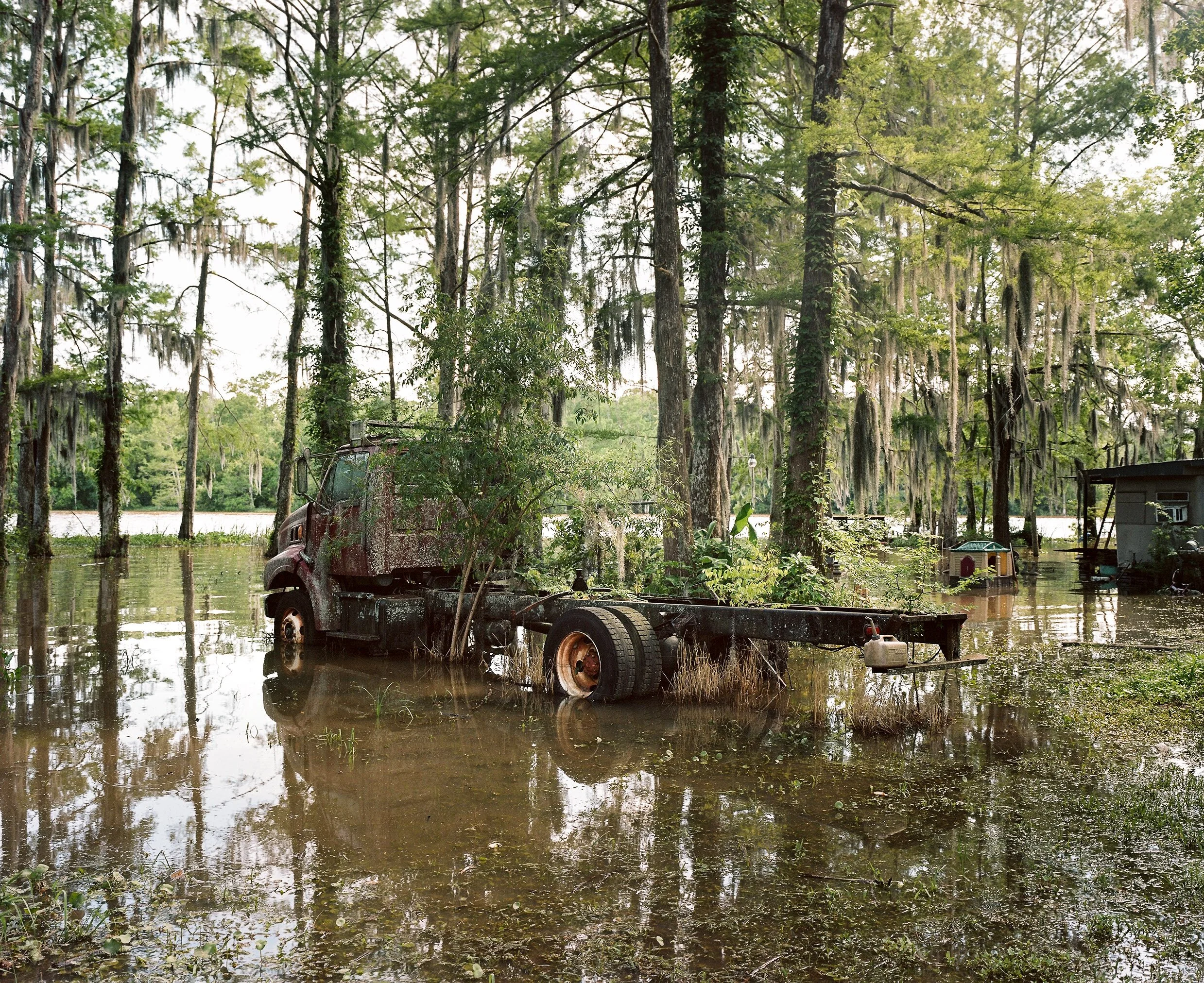
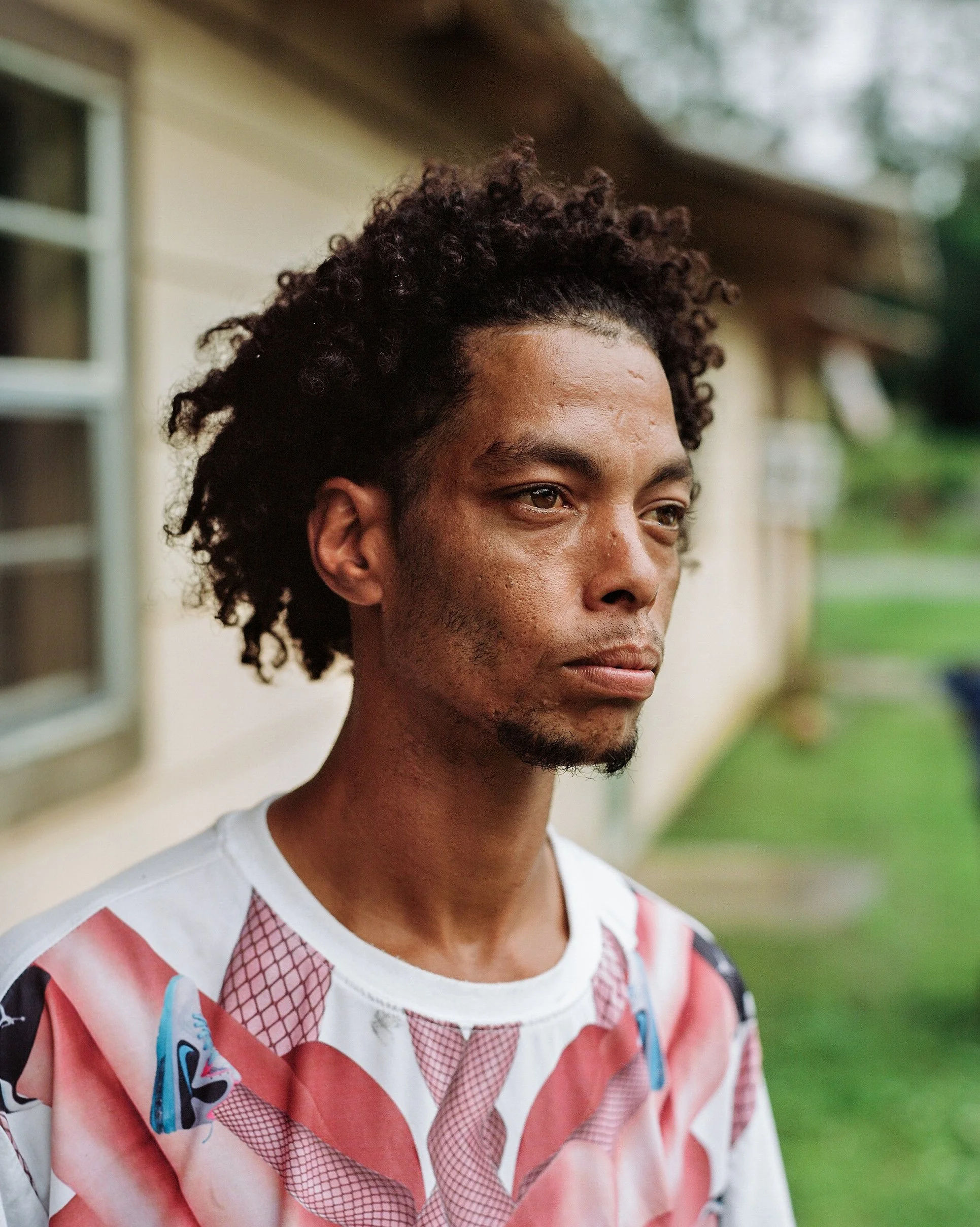
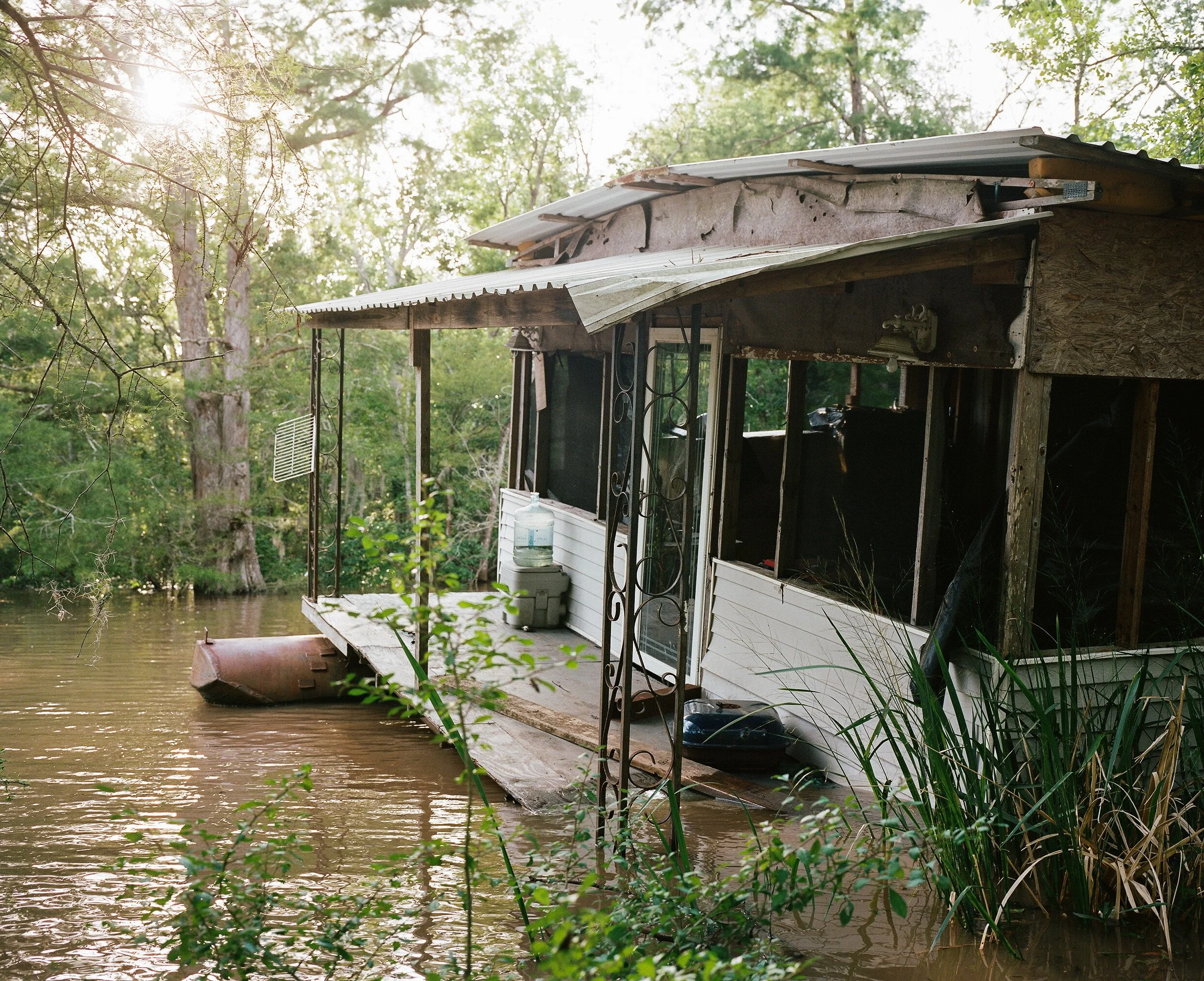
Since there were no photography classes available for children, your grandfather subscribed you to various magazines so you could learn on your own. His determination to find ways to open doors that initially seemed closed is a mindset he clearly passed on to you. As you pursued an education in photography, what closed doors did you encounter, and how did you manage to open them?
There weren’t many photography classes for kids my age back then. Once I started processing my own film, I began researching where I could make prints and eventually discovered a darkroom program at the Glassell Museum School. I jumped at the opportunity. They only accepted a few students each year because it was heavily subsidized. It was for high school students and up and I was still in middle school. I decided to apply anyway, wrote them a letter asking if they’d consider an exception, and I got in!
For the next couple of years, my life revolved around that darkroom. Their policy was that you had to use it a certain number of hours or risk losing your spot. I was there so often and for so long that I sometimes got in trouble for staying past cleanup time when the instructor was trying to close up. The program was only meant to last one year, but my teacher encouraged me to apply for a second, and I took full advantage of it, printing as much work as I could.
Some of those prints became my portfolio for applying to an art magnet high school, HSPVA (The High School for the Performing and Visual Arts). The alternative was my zoned school, Lamar, and after my middle school experience, I knew I wouldn’t thrive there. Being quiet and artistic made me an easy target, and I often felt like an outcast. I was just as anxious about not getting into HSPVA as I was about having to attend Lamar. Thankfully, I was accepted.
HSPVA was incredible and it had a darkroom. Differences were celebrated, and half of every school day was dedicated to making art. That made academics challenging, since we had to fit a full load of math, science, history, and English into the remaining half day, which meant constant homework. On top of that, I was asked to be the editor of the yearbook, so all-nighters became a regular part of my routine.
When it came time to choose a college, I focused on photojournalism. That narrowed my options quickly, since few schools offered it as a dedicated major. Still, I was convinced it was the right path for me. I wanted to tell stories and document the world through photographs. At the time, my biggest influences were photographers like Henri Cartier-Bresson, Weegee, Sebastião Salgado, and Robert Frank.
I applied to several art schools, including Brooks, which I desperately wanted to attend. My parents were hesitant, but I toured the school twice. After one visit, my guide quietly admitted that Brooks was essentially a scam and that many students were suing the school for fraud. I crossed it off my list.
I enrolled at the Art Institute of Boston, one of the few schools offering a photojournalism major, and they awarded me a scholarship. Almost immediately, I knew it wasn’t a good fit. The coursework covered material I already knew, my classmates lacked passion, and critiques were painful. After my first semester, I started looking elsewhere.
I transferred to RIT. During orientation, I realized I’d been placed in freshman-level classes and had to plead with the department chair to move me into more advanced courses. He told me to attend the higher-level classes anyway while staying enrolled in my assigned ones. Some classes were so large that no one noticed; when instructors did, I told them approval was in progress.
After a few weeks and several meetings with faculty and department heads, I was officially moved into sophomore-level classes and allowed to drop all my foundation courses. Despite the extra workload, I made the Dean’s List that semester.
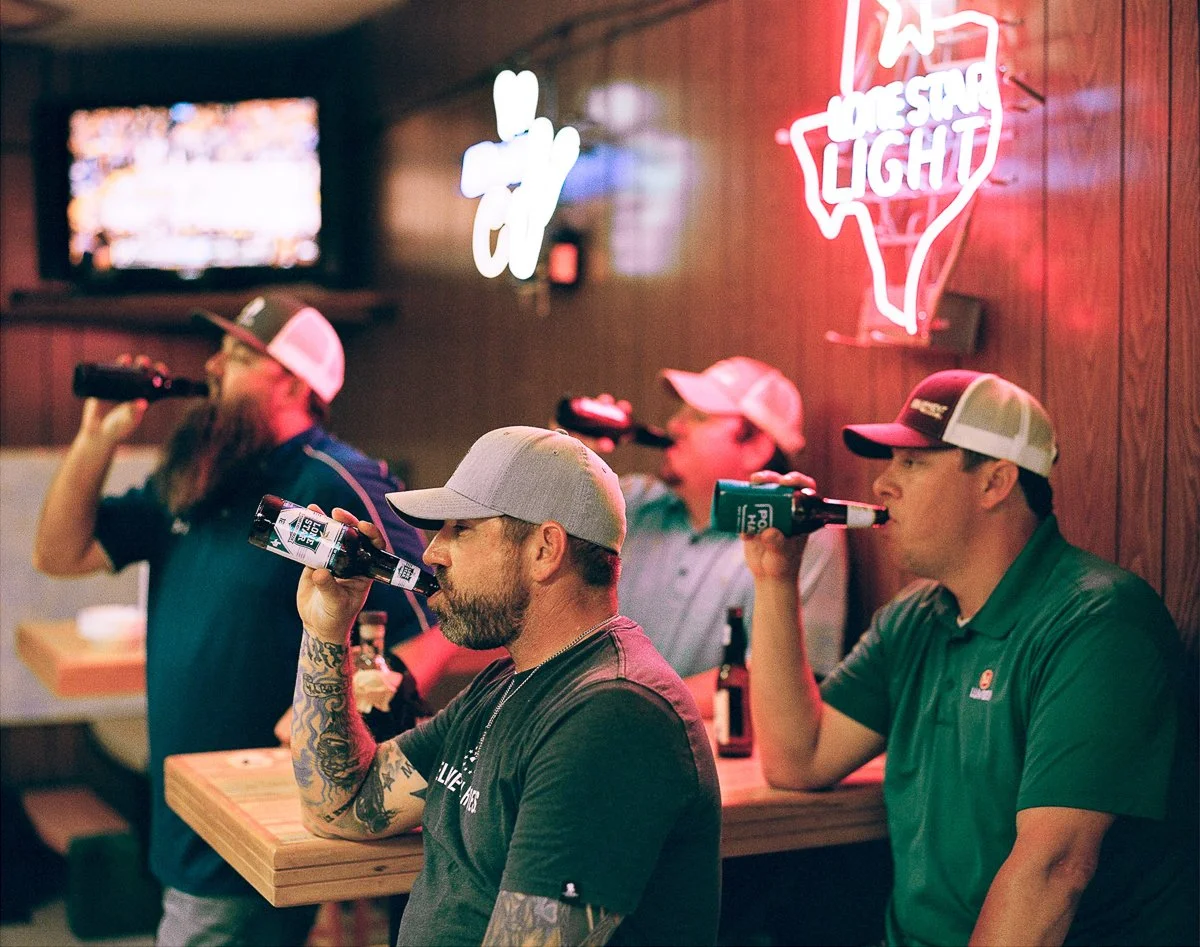
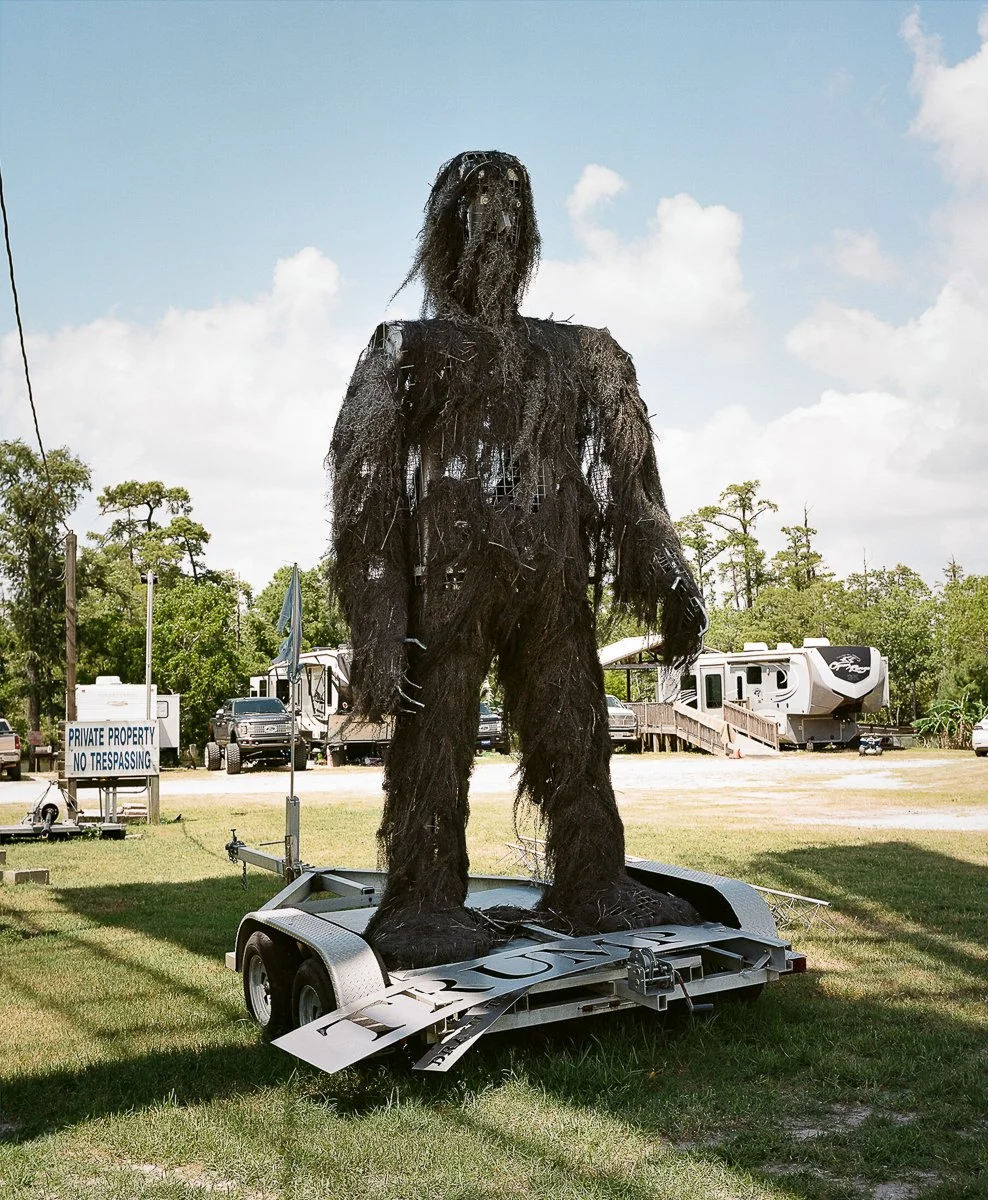
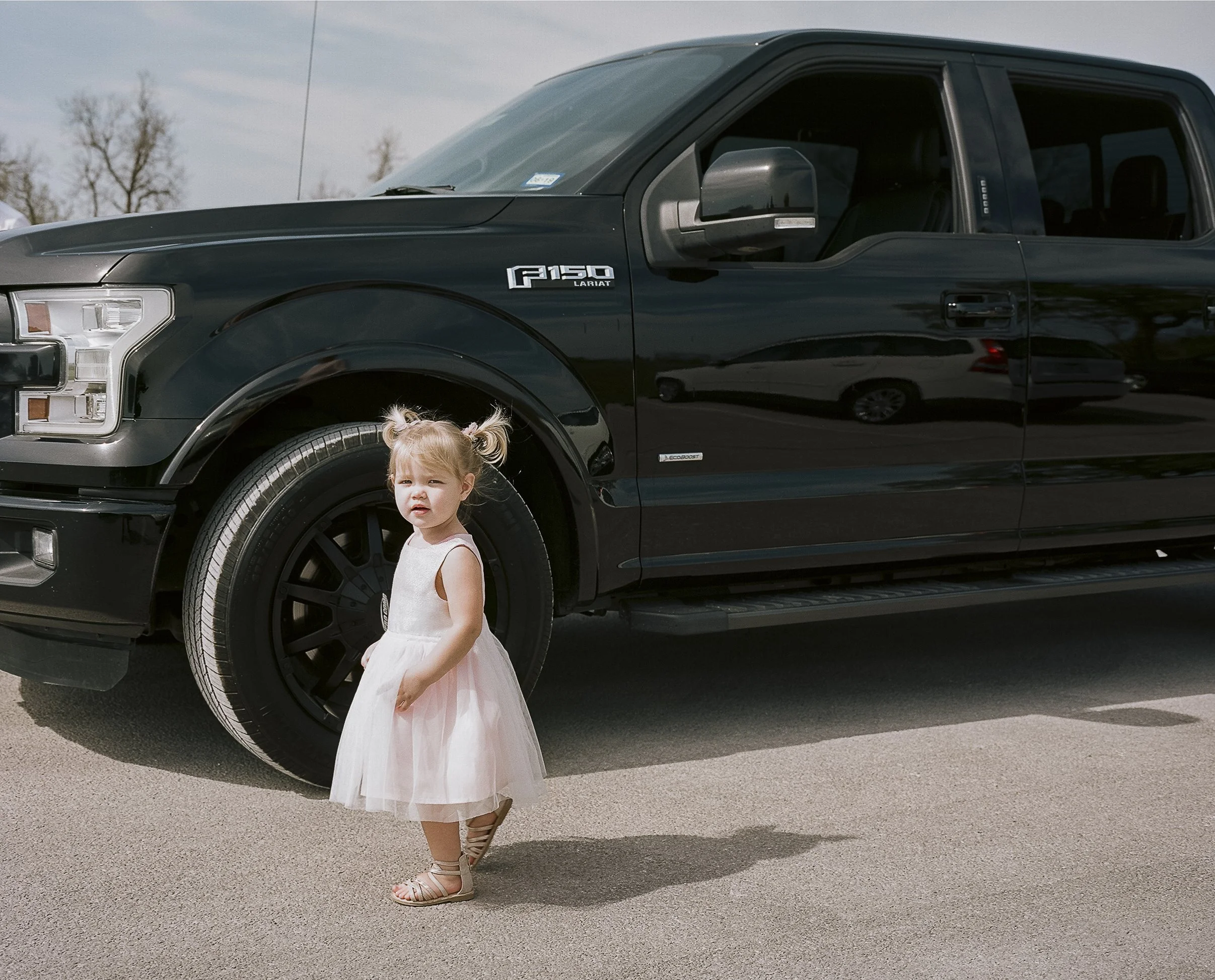
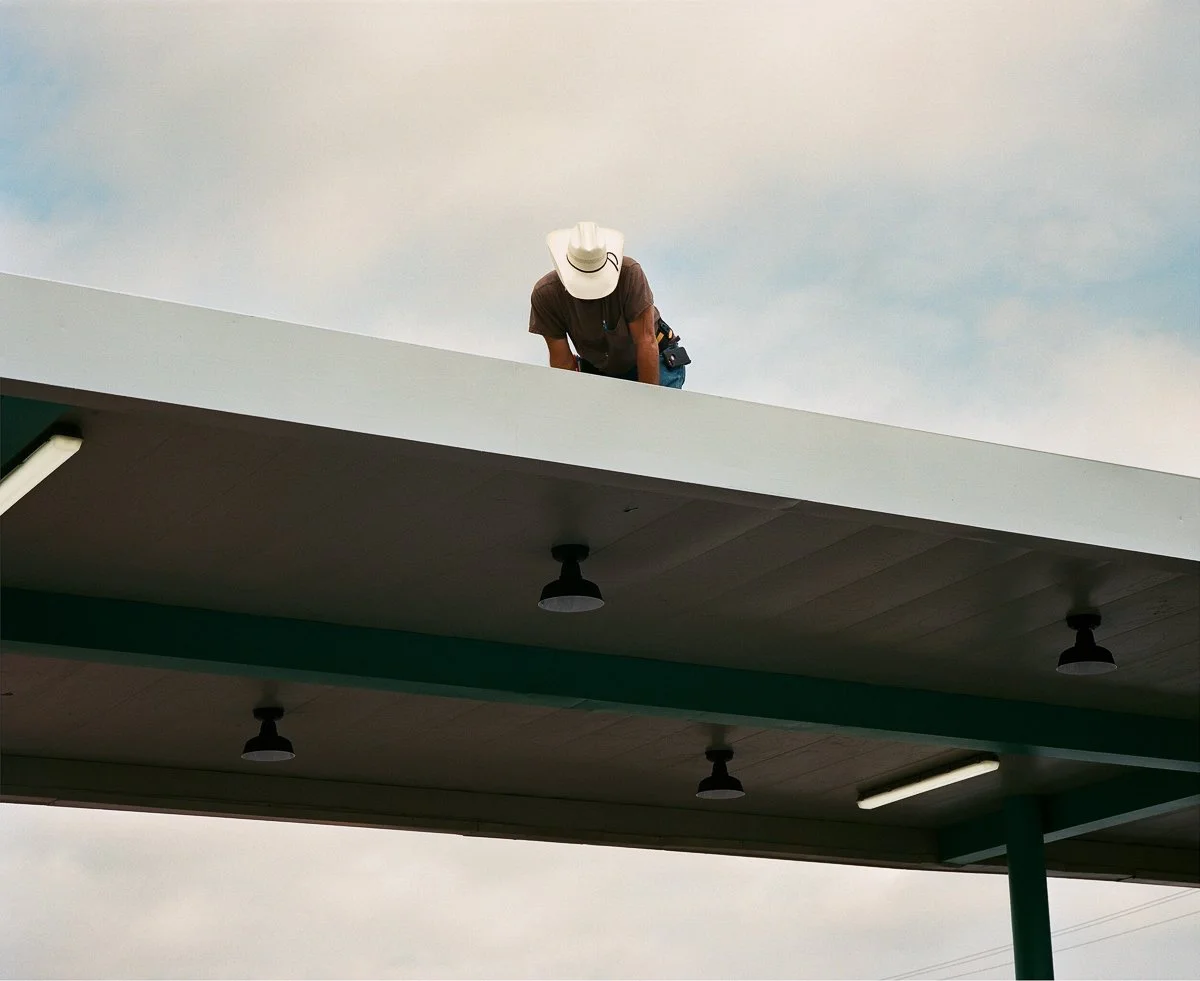
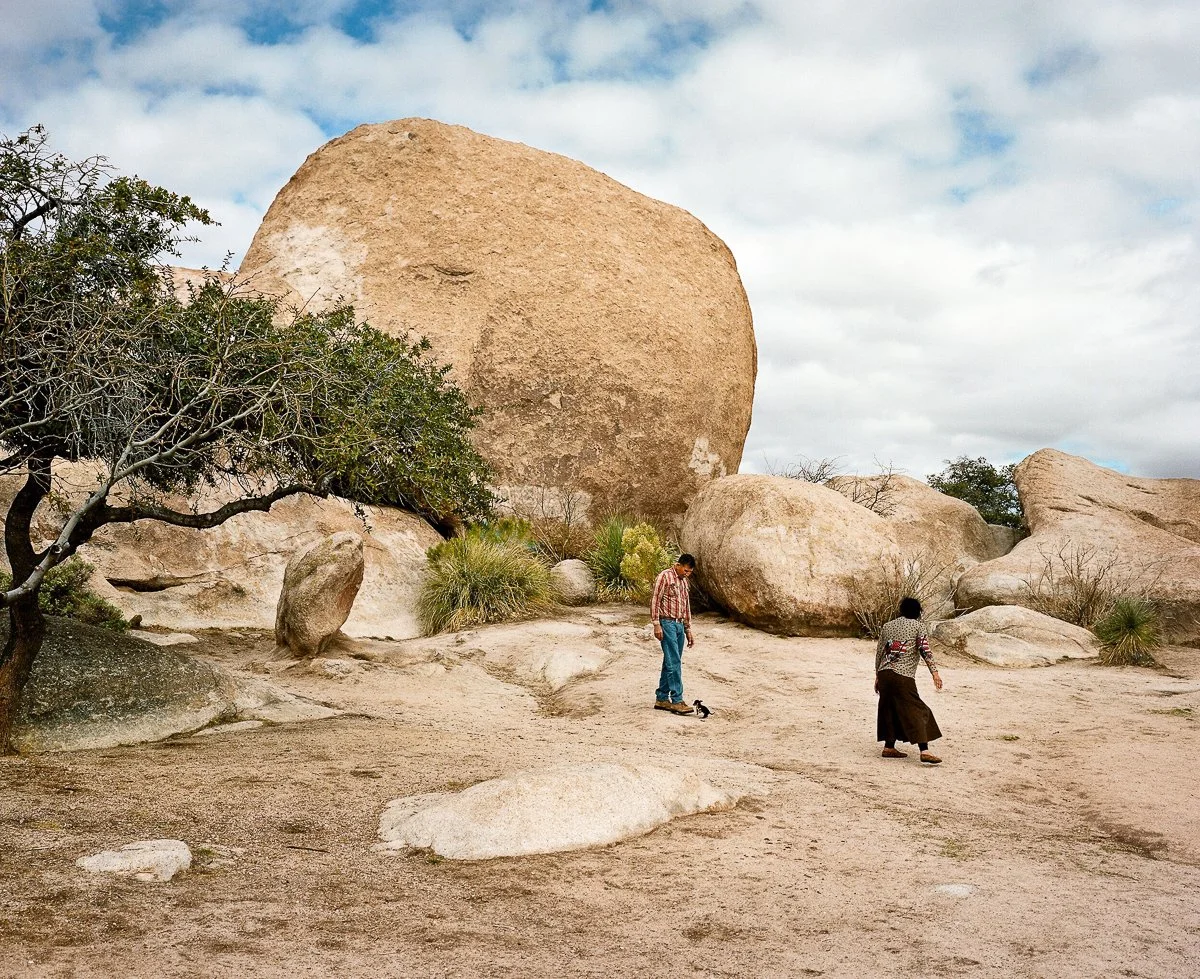
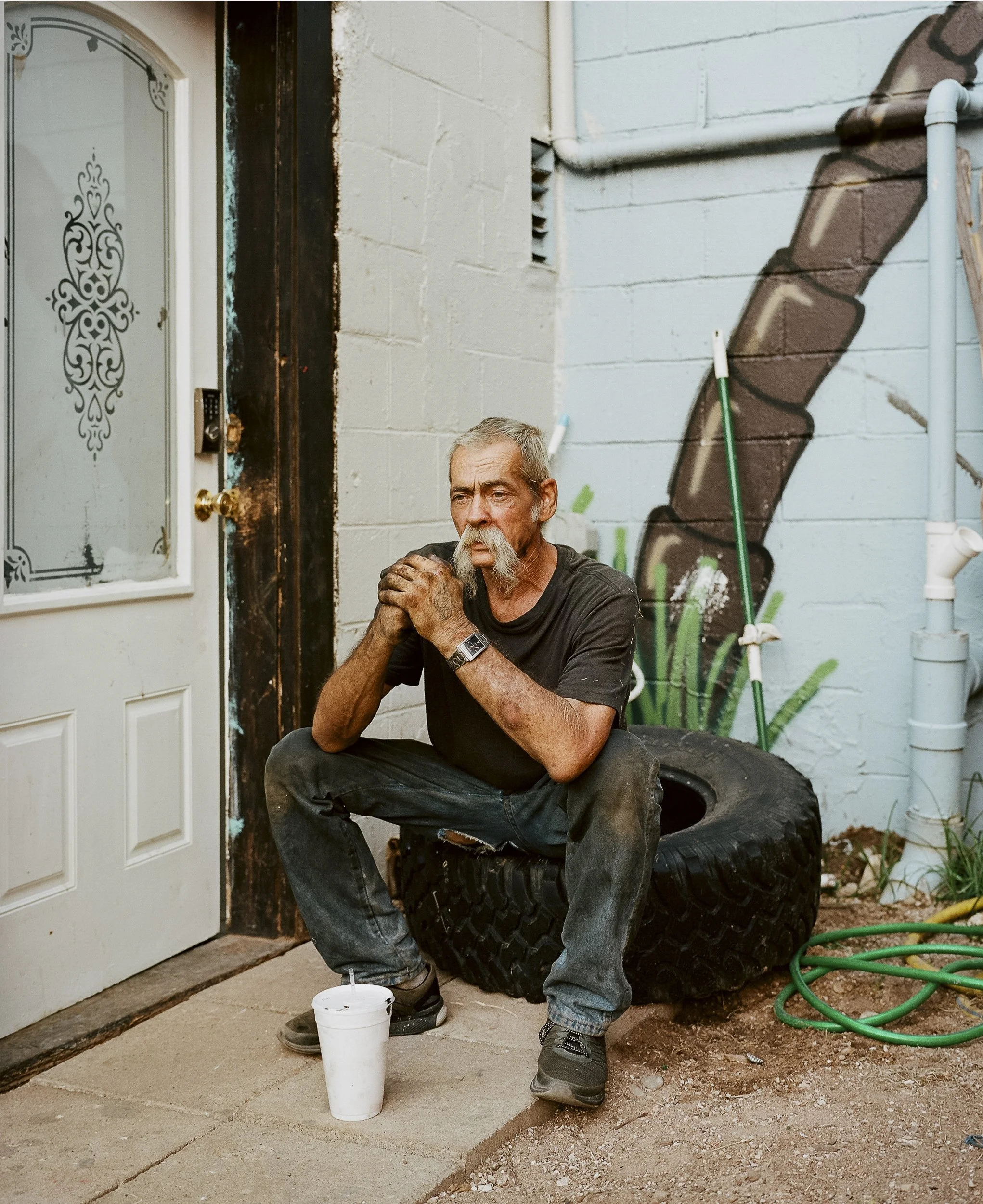
In our initial conversation, we discussed your upbringing, and you mentioned feeling like the black sheep of your family. How did the way you were raised influence your desire to understand other perspectives, and how did that ultimately shape the way you document life through your lens?
I grew up in a very conservative part of Houston, Texas. Compared to my siblings, I was quiet and shy and often felt like the black sheep. My biological father was extremely strict, and art was never seen as anything more than a hobby. What mattered were good grades and going to church. I constantly felt judged for being different, and I rarely felt like I truly belonged anywhere.
Amid all that negativity, I gravitated toward the one idea from church that actually resonated with me: the golden rule. Over time, that belief evolved into something closer to a Buddhist mindset. I came to believe that kindness and compassion mattered more than judgment, because you never know what someone else has been through. In many ways, that philosophy became my way of protecting myself from internalizing the neglect and abuse I experienced growing up.
One of my favorite ways to escape the house was going to Barnes & Noble. I’d spend hours flipping through photography magazines, then head to the music section, where I discovered bands like 311, Bush, Smashing Pumpkins, and Radiohead. If I had time, I’d browse the art section for photography books. One discovery that stuck with me was finding a book on Weegee. I was shocked that someone could photograph so much pain and violence and turn it into a career, but I was also fascinated. Seeing raw moments from another time helped put my own problems into perspective.
Between photography magazines, National Geographic, and the music I was listening to, a common thread began to emerge in my work. Documentary photography spoke to me the most. It helped me understand that pain and struggle are universal. Stories about climate change and global injustice made me realize how fragile the world really is, and how limiting it would be to simply follow the grain of my “family tree.” Photographs of environmental destruction, genocide, endangered animals, and pollution became a way for me to channel my anger and sadness into something meaningful. I knew then that this was the kind of work I was going to make.
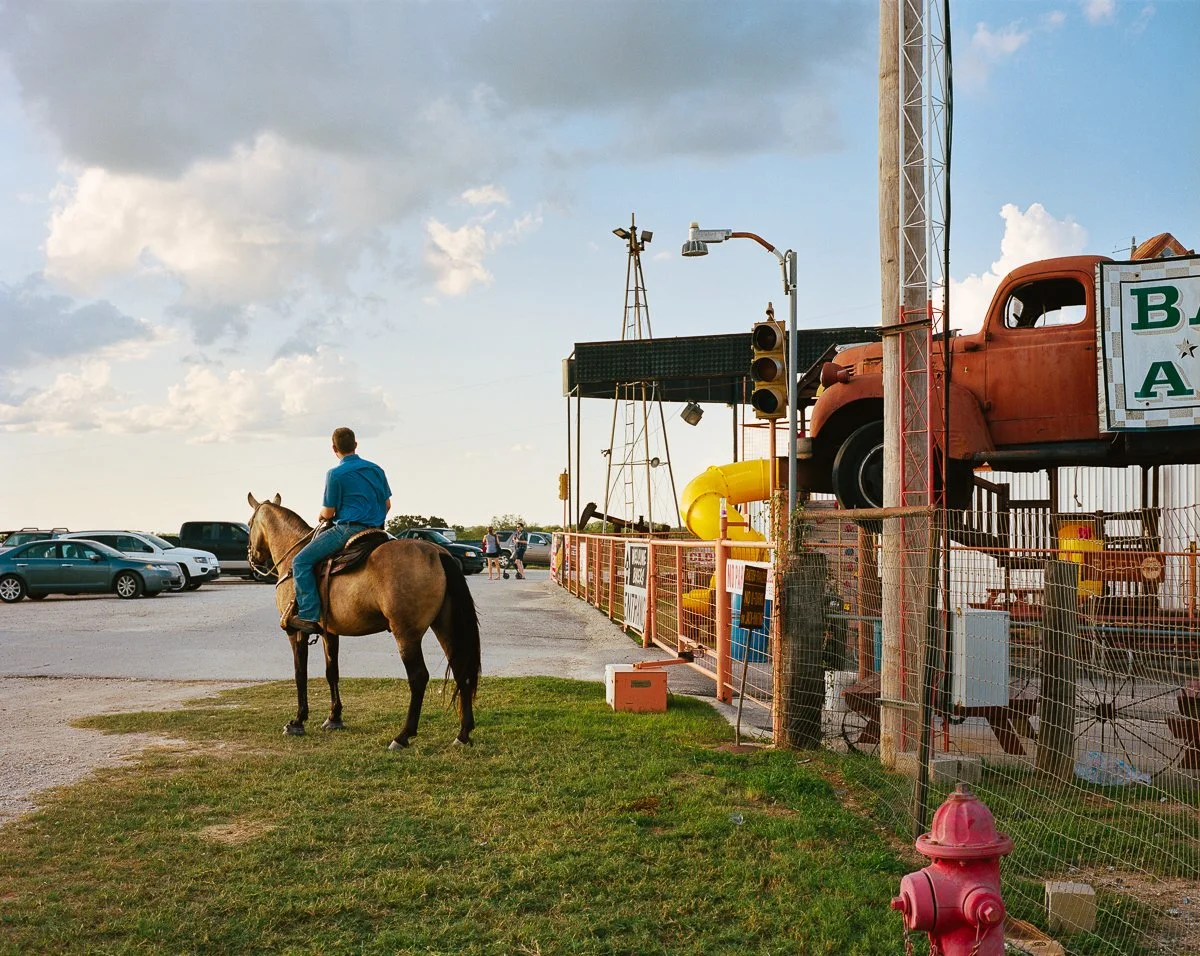
From an early age, you were drawn to photojournalism. What inspired that interest, and at what point did your perspective on the field begin to shift? Where did that shift take you?
Getting all those magazines from my grandfather made me realize that I wanted to photograph distant, unfamiliar parts of the world and get paid to do it. The idea of bringing images from remote places to people who had never left their hometowns felt powerful, like a way to broaden their perspectives. Shooting for National Geographic became, and still is, a major goal of mine.
When I initially chose the photojournalism track at my new school, I began noticing a pattern in the work that was most celebrated in the field: tragedy. Many of the most prestigious awards seemed to go to images of devastation, rewarding whoever documented the most horrific moments. While I don’t doubt that many photojournalists genuinely care about the stories they tell, the industry itself often felt structured to incentivize exploitation. That realization pushed me to reconsider my path. I became more interested in photography as art and how you could communicate ideas and meaning without exploiting the people being photographed.
So, once again, I pestered my department chair to let me transfer. The program offered two other tracks: Fine Art and Advertising. I chose Fine Art, partly because I didn’t want to spend all my time in a studio, but mostly because I loved how an artistic approach to photography encouraged slowness and intention. Moving quickly from assignment to assignment felt too mechanical. I needed time and space to focus on what genuinely interested me.
By my junior year, my work shifted away from specific places or individuals and toward broader observations of how people live. One project involved photographing thousands of people in their cars. I was fascinated by how behavior changes inside a vehicle and by the blurred line between public and private space. Another series examined the environmental and decorative choices people make—how homes and businesses are designed to create beauty, comfort, or a sense of belonging.
During a creative slump, I jokingly started photographing corners. What began as a throwaway idea slowly revealed deeper connections to my earlier work on decoration and personal space. To better understand this, I took a course in the History of Architecture and Furniture, where I learned about the “what-not,” a piece of furniture designed for corners to display small, often personal collections. Corners began to feel like the least noticed yet most frequently used spaces in a room, places where people set aside objects of minor but meaningful value. They function as temporary supports, catchalls, and quiet reflections of human behavior.
I realized that corners offered a subtle way to study human nature, what people overlook, what they keep close, and what they deem unimportant enough to push aside. That project taught me something important: if I could make compelling images of mundane subject matter, then I was becoming the kind of photographer and artist I wanted to be.
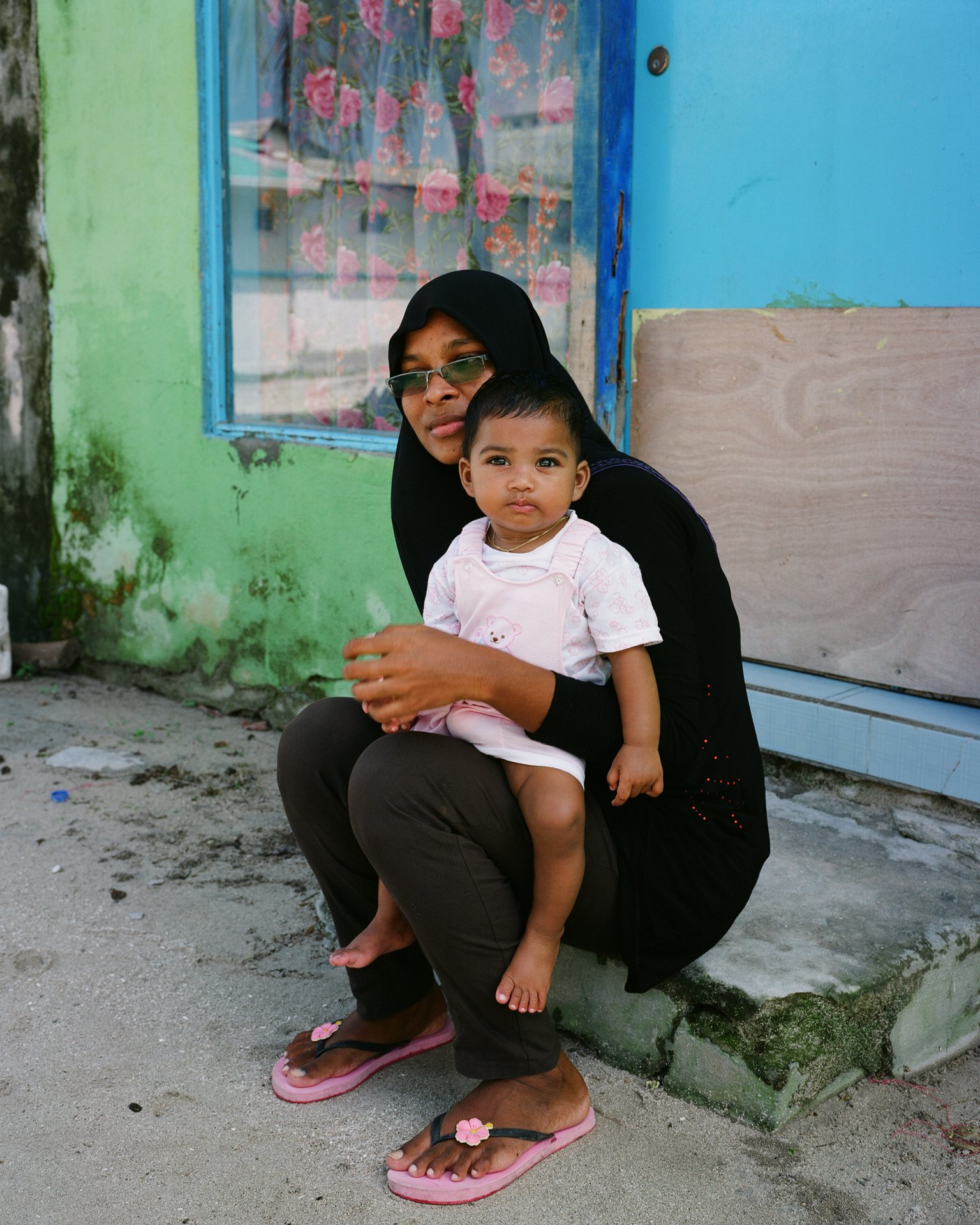
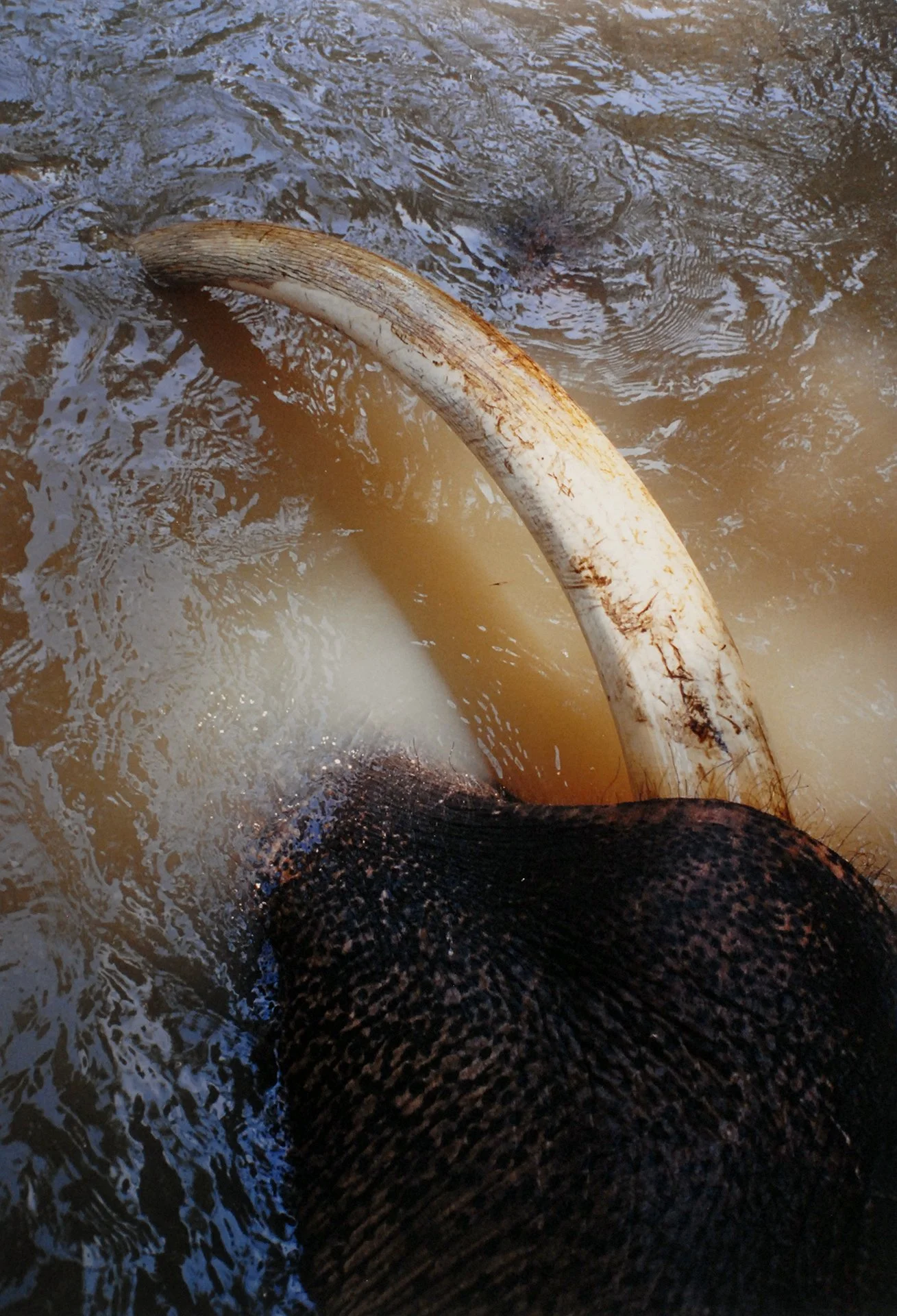
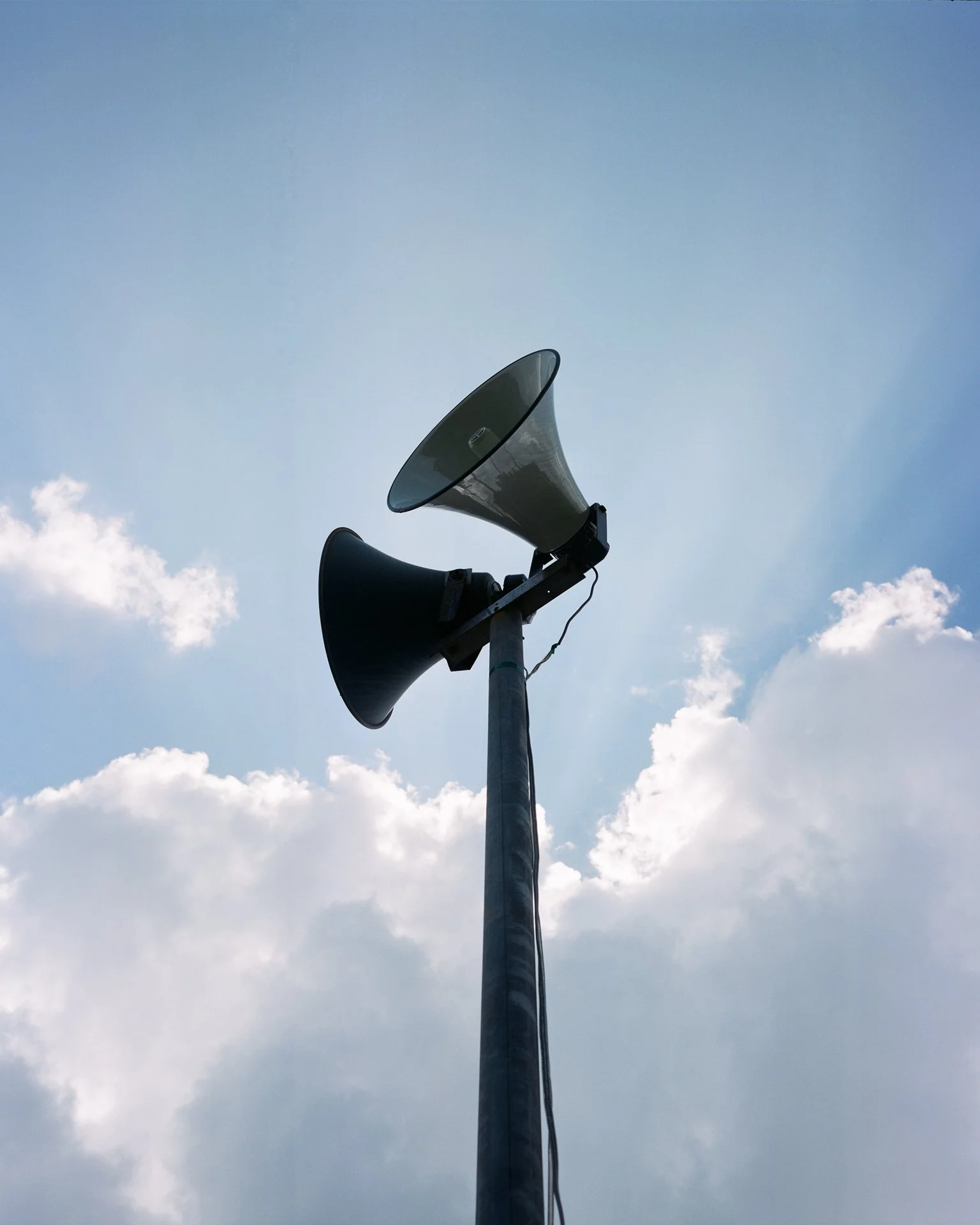
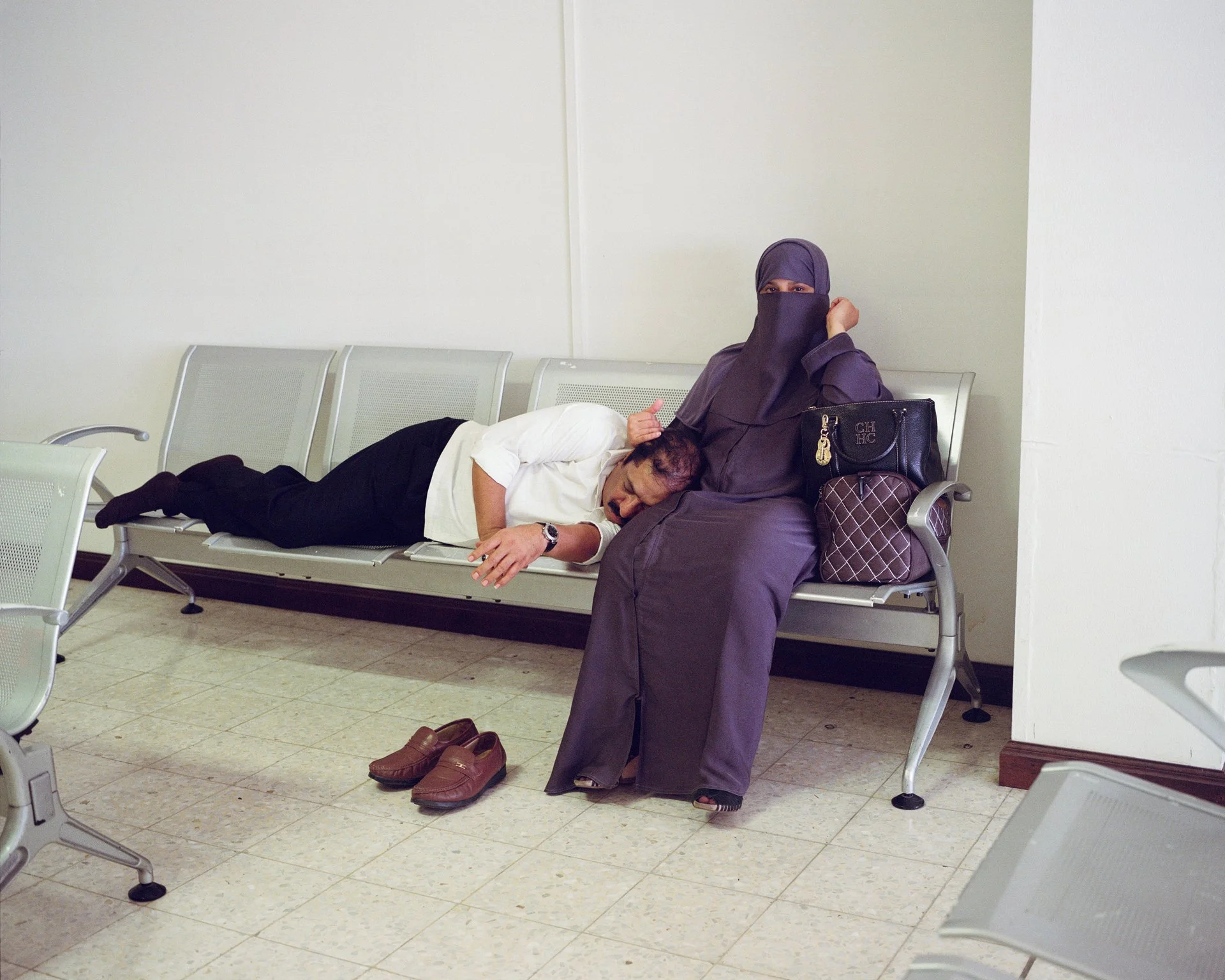
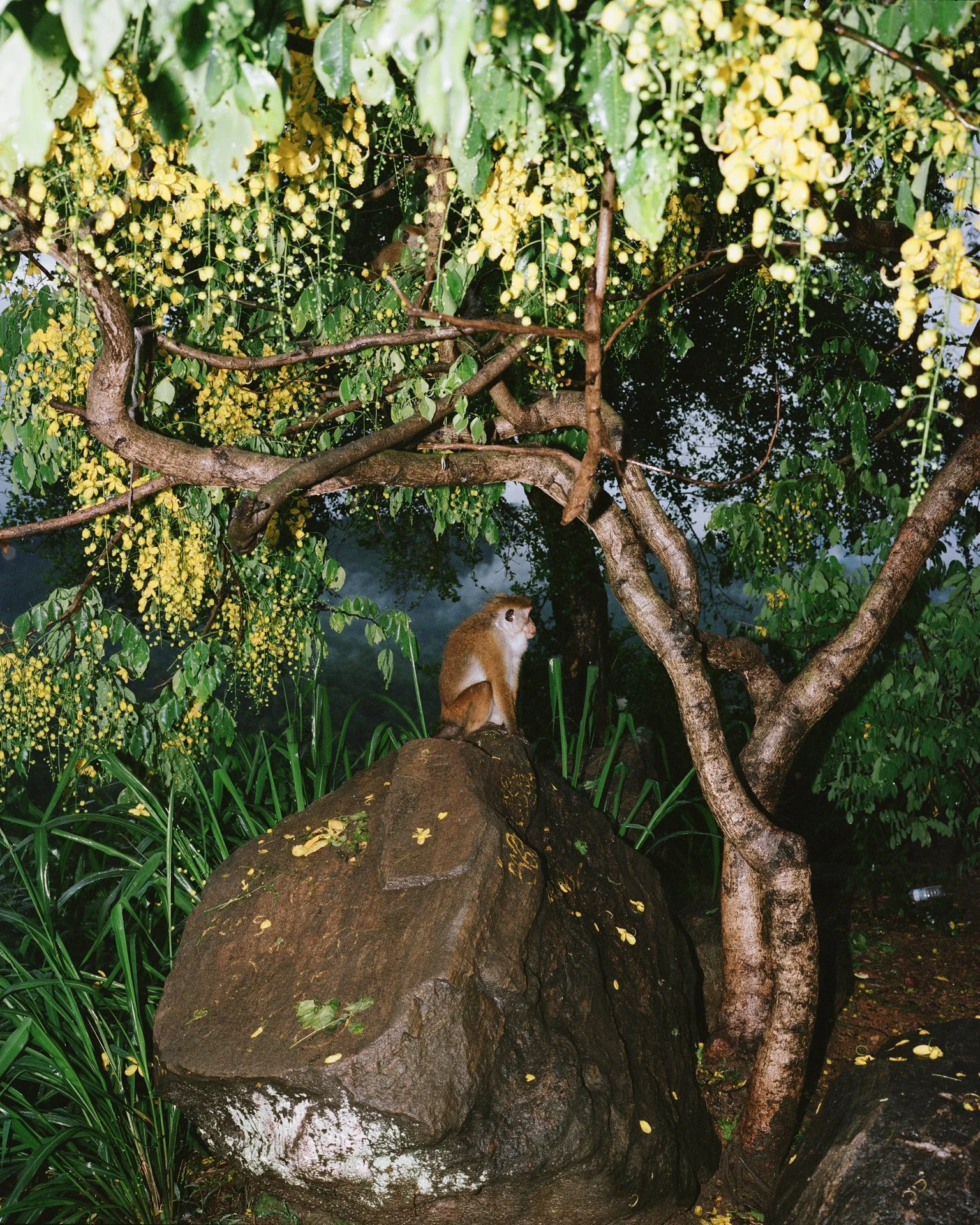
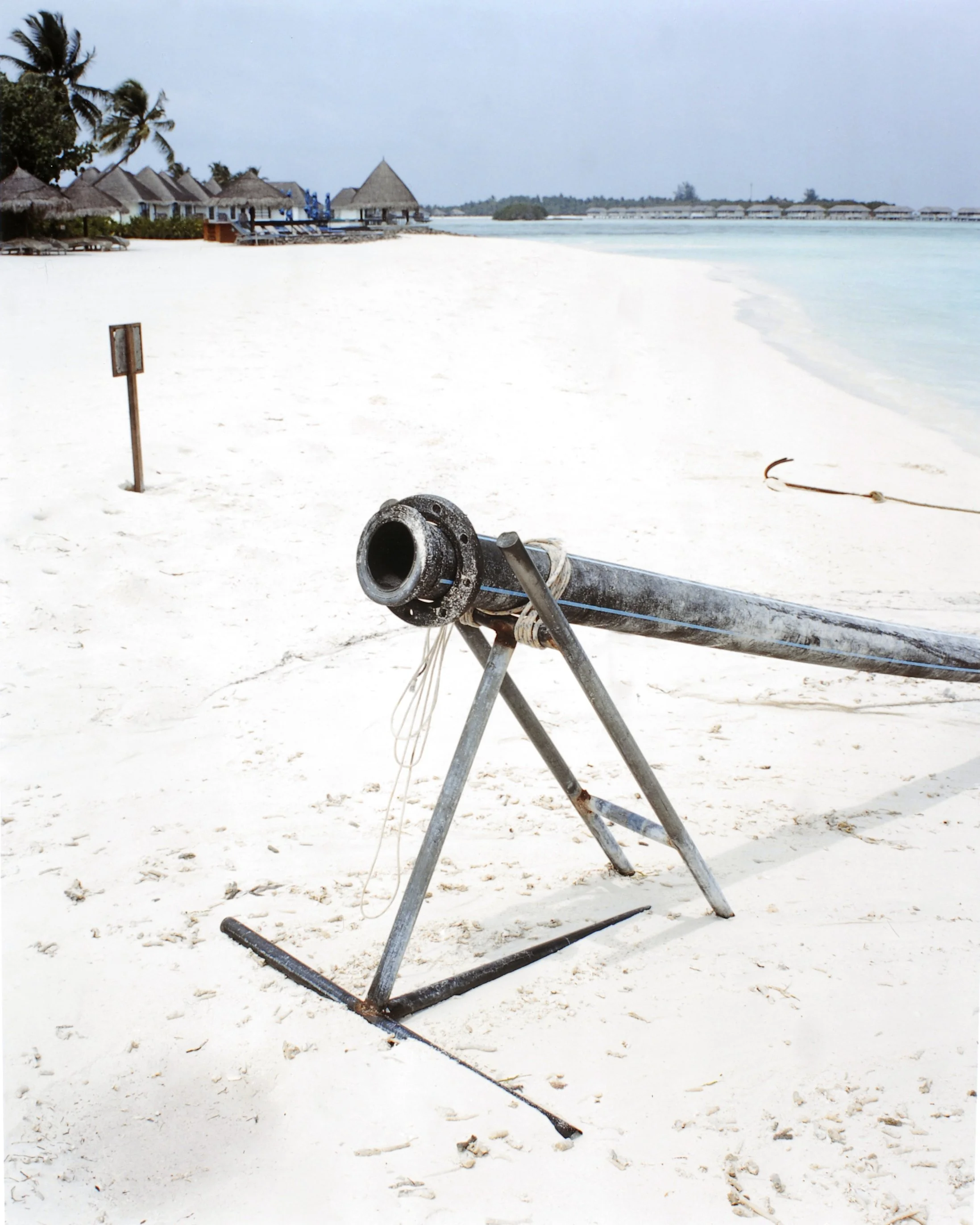
In reviewing your work, I observed a consistent exploration of climate change and humanity’s relationship to land. Could you discuss what compels you to pursue these themes through long-term documentation?
Climate change is deeply important to me, and over time I began to notice how closely it connects to my interest in human behavior. The two often feel like metaphors for one another. I believe that raising awareness about one can help shift the other as well.
When making work around these subjects, I think it’s essential to allow time for the process to unfold naturally. You can’t enter a place, photograph people, and expect the story to align perfectly with a preconceived vision. Meaningful stories aren’t told by a single narrator, they emerge through collaboration. To get to the core of an issue, trust has to be built. That means forming relationships, understanding what matters to the people involved, and helping them see why the work itself is important.
You mentioned feeling burned out after years of education, which led us to talk about our shared appreciation for cycling. There’s a feeling you experience while cycling that seems to capture important lessons about how to approach life’s challenges, can you talk about that?
In college, I immersed myself in conceptual art and eventually burned out. At a certain point, especially for artists my age, I wondered if anyone cared what I had to say. Why should my opinion matter? I realized I needed to experience more to develop an authentic voice.
After graduating, I moved back to my favorite city, Austin, Texas, with the intention of simply living for a while. I wasn’t finding photography work and honestly, I wasn’t trying very hard. I had gotten into cycling in college and began working as a bicycle mechanic and frame builder. Riding became my way of resetting my mind. Cyclists love the phrase “SHUT UP LEGS,” but for me it was always “SHUT UP BRAIN!” I loved the freedom of cycling, especially climbing hills, pushing through discomfort, telling myself to stop thinking and just keep going. The reward and break came on the descent.
Over time, I noticed that the stronger I became, the less I needed to rest. I stopped coasting downhill and pushed just as hard. That pattern started to mirror how I approached life: the idea that reaching a goal isn’t the end, you have to keep pushing past it. Each accomplishment should be replaced with a larger one. Pushing myself became the only way I could find a sense of happiness. Unfortunately, in my case, I’ve found this “can-do” attitude to come in waves. It’s hard for me to stay consistent.
While living in Austin, I was reckless. I burned through my savings, quit my job at the bike shop, and broke up with my girlfriend, who I was living with at the time. I ended up homeless, put my stuff in storage, crashed with any friend willing to host me and slept in my car, and even squatted once. It was during that period of instability that I met my wife. Not long after, we moved to San Francisco with little more than optimism.
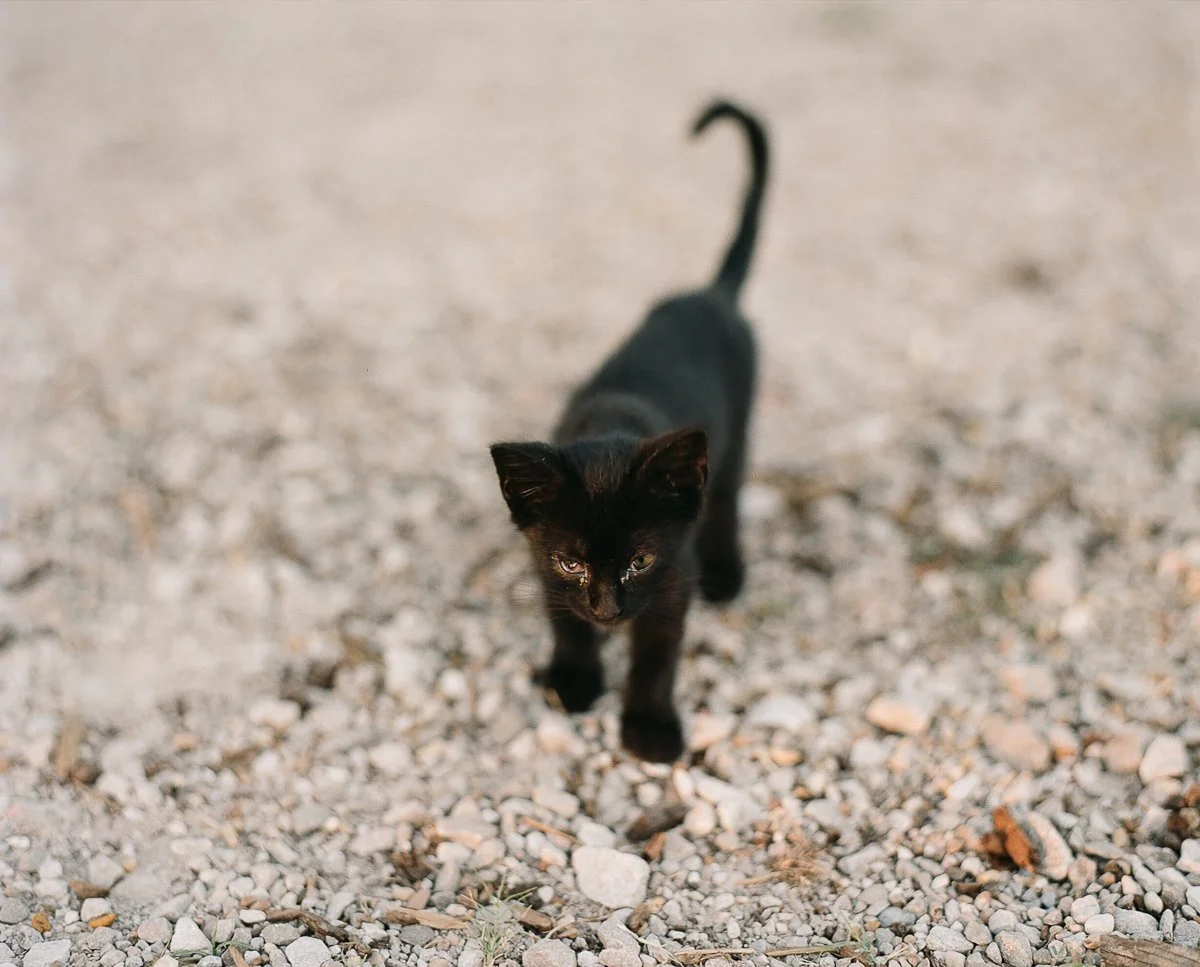
During the pandemic you began a podcast as a way to connect with other artists, what did you learn through that process and the conversations you had?
During my six and a half years living and working in the Bay Area, I built a strong network of photographers. For about three years, I worked as a printer at a photo lab, where I had the rare opportunity to print work for some of my idols. After that, I bounced in and out of work as an editor for a couple big companies and even had a gallery show. Nothing sold, though, and I eventually stopped making personal work altogether. I was too drained by my day job to create anything of my own
Feeling isolated by the culture, my wife and I moved back to Austin. I quit my job and committed fully to trying to make a living as a photographer. The first year was difficult and uneventful. I photographed the rapid growth and changes happening around Austin, took on low-budget commercial jobs, and cold-emailed editors and friends, for help getting my foot in the door, but nothing came of it. I was about to give up and get a job driving for uber or a barista, maybe both, when I finally got a break.
A few weeks before my best friend’s wedding in New York, my wife encouraged me to reach out to an old acquaintance from the Bay Area who was working at The New York Times. I resisted; it felt uncomfortable asking for a favor after so much time had passed. It felt sleezy. I came up with a few more excuses, but after a few arguments, my wife convinced me to do it. Eventually, I did it. So I reached out to her and she invited me to the office. The second I walked in the door, I thought of my grandfather, and how I wished he could be there with me. She introduced me to several editors that I showed my work to. They did ask for my card to leave on another photo editors’ desk who couldn’t make the meeting. I was unsure if there was real interest, and assumed the meeting was little more than a polite rejection. But on the cab ride afterward, I received an email from an editor on the Business Desk. One of the editors I met had shared my card, and she liked my work. It was a huge moment.
Back home, I doubled down. I took every job I could, anything to stay behind the camera. It didn’t matter what it was or how much it paid. I assisted, built a modest portfolio of commercial and portrait work, and slowly gained momentum. Then The New York Times hired me for my first assignment: a small job photographing a scientist in Lubbock. I was nervous and felt the pressure as if it was my only shot, but it went well. My editor shared my work with others, and soon more assignments followed.
Not long after, I received an email that I almost dismissed as spam, an editor asking if I could fly the next day to photograph an exiled billionaire’s compound in the Cayman Islands. At that time, I had been getting a lot of scam emails from “editors” at magazines looking to work with me. One of them was so good, I almost fell for it. I looked him up and called to confirm. It was real. I ended up walking the island to avoid expensive cab fares, careful not to jeopardize my relationship with the Times. The story went well, and work continued to come in—from the Times and elsewhere.
Then COVID hit. Work stopped overnight. My wife was able to keep her job and became our sole provider. We began trying to have children and experienced two miscarriages. The loss, combined with isolation, became overwhelming. Every corner in the home held a trigger or a bad memory, it was unbearable so we moved out of town for a fresh start. While my wife worked, I fixed up the house and stayed busy, but over time I sank into a deep depression. I stopped creating, cold-emailed unsuccessfully, watched TV, and slept. I felt hopeless.
Eventually, my wife suggested I start a podcast. At first, I brushed it off, but the more we talked about it, the more it made sense. I couldn’t be the only one struggling in the creative field. I reached out to former clients, colleagues, and photographers whose success had seemed effortless to see if they’d talk about their journey as an artist. Talking with them helped me reconnect and understand that there is no single path to success. Everyone gets a break somehow, and not always in the way you wish, or when you think you deserve it. For some, they had to work their ass off. For others, they were simply in the right place at the right time. Some were passed over until they were older, and some found success right out of the gate. That “right place and right time” can hit whenever, and it became clear to me that the common denominator is you have to continue to make the work.
Around that time, my wife decided to renovate our house. With a new baby and the podcast, I handled much of the contracting and small jobs. It was stressful, but it kept me moving. When the renovation was finished, I photographed the house as a tip for the designer. The images gained attention, and I decided to start an architectural and interiors photography business. The work was consistent, creatively satisfying, and conceptually aligned with earlier projects. It pulled me out of a long rut.
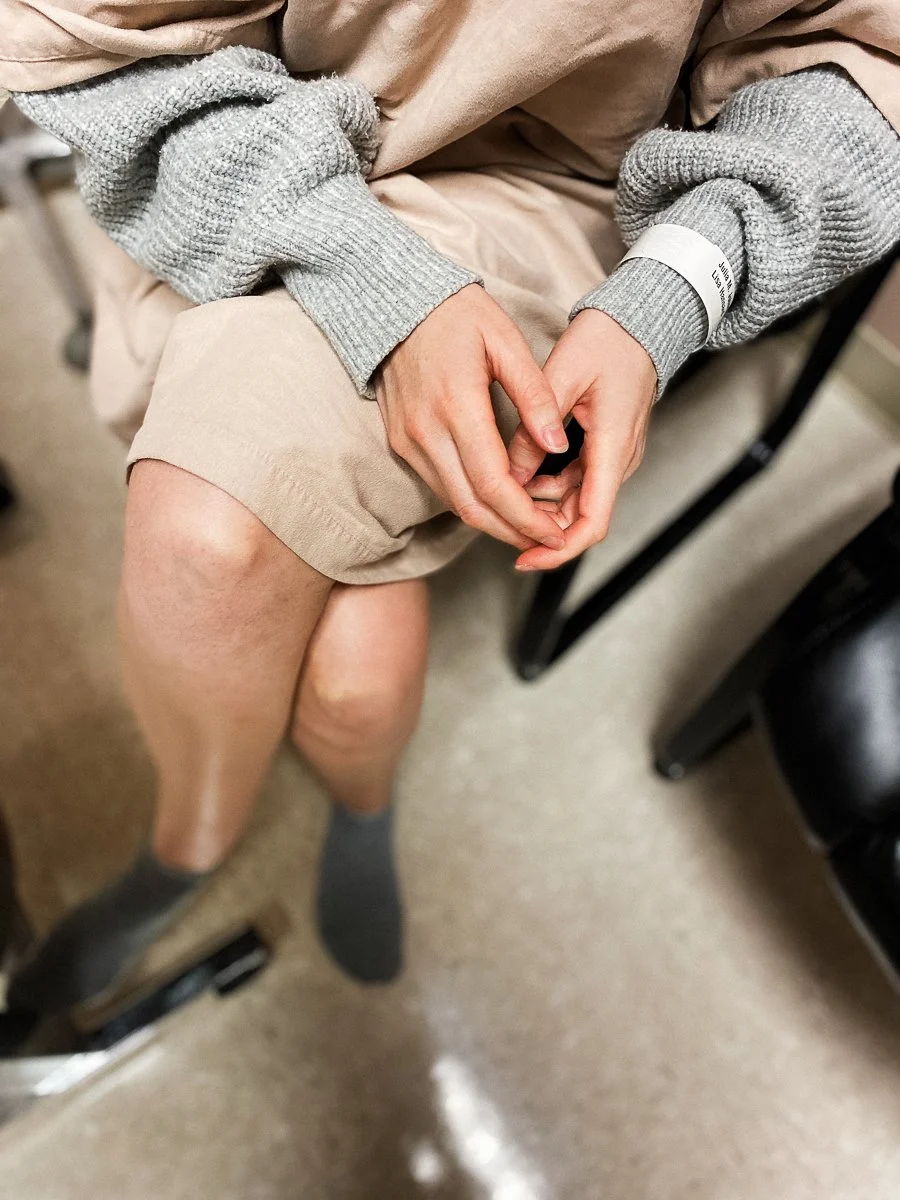
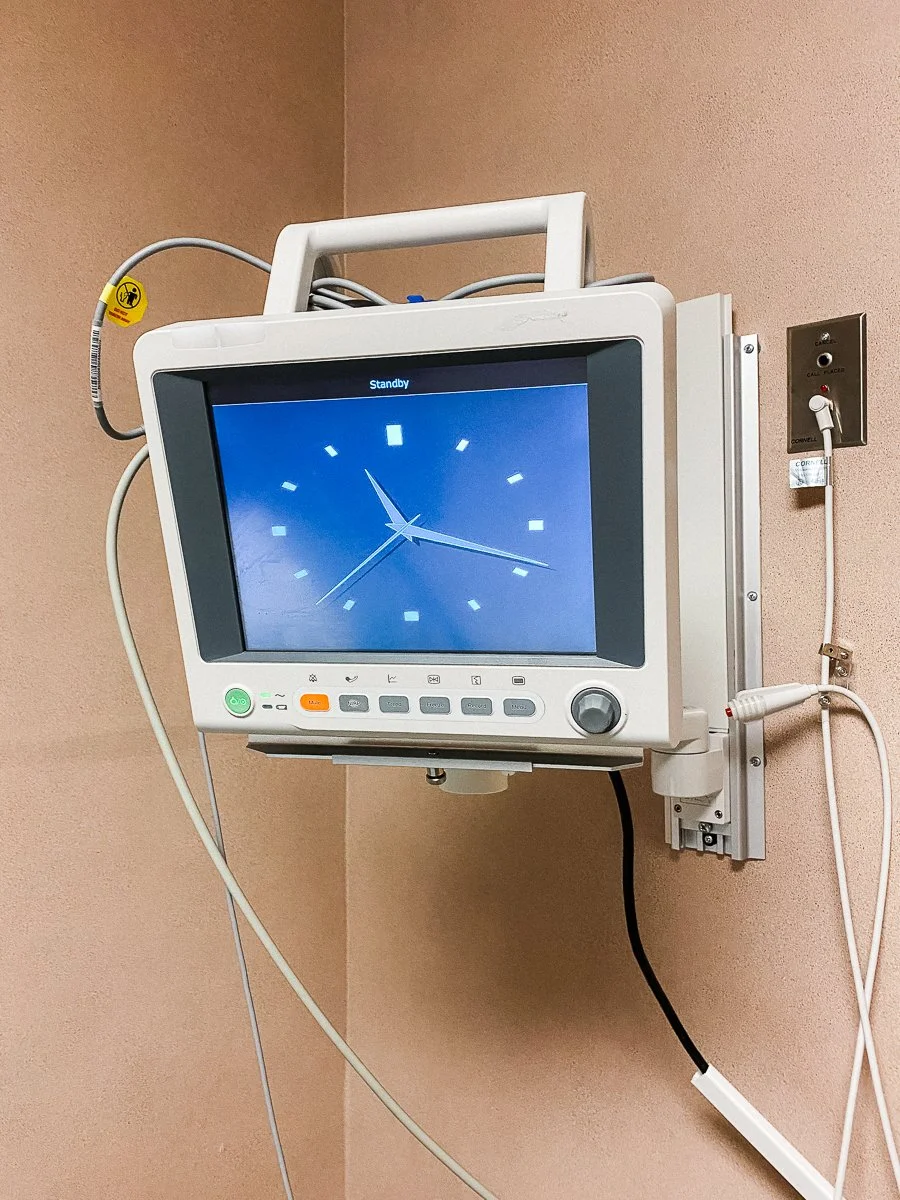
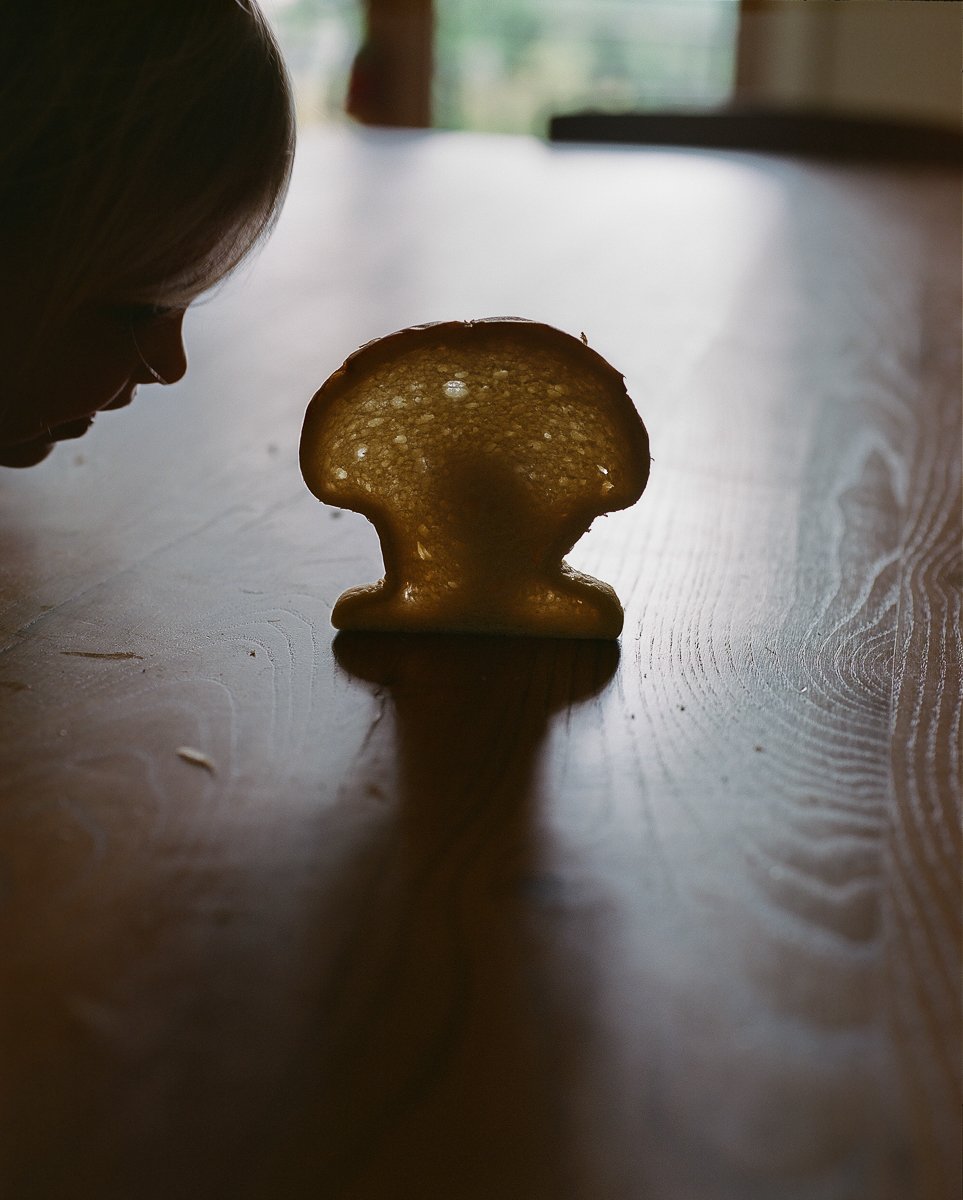
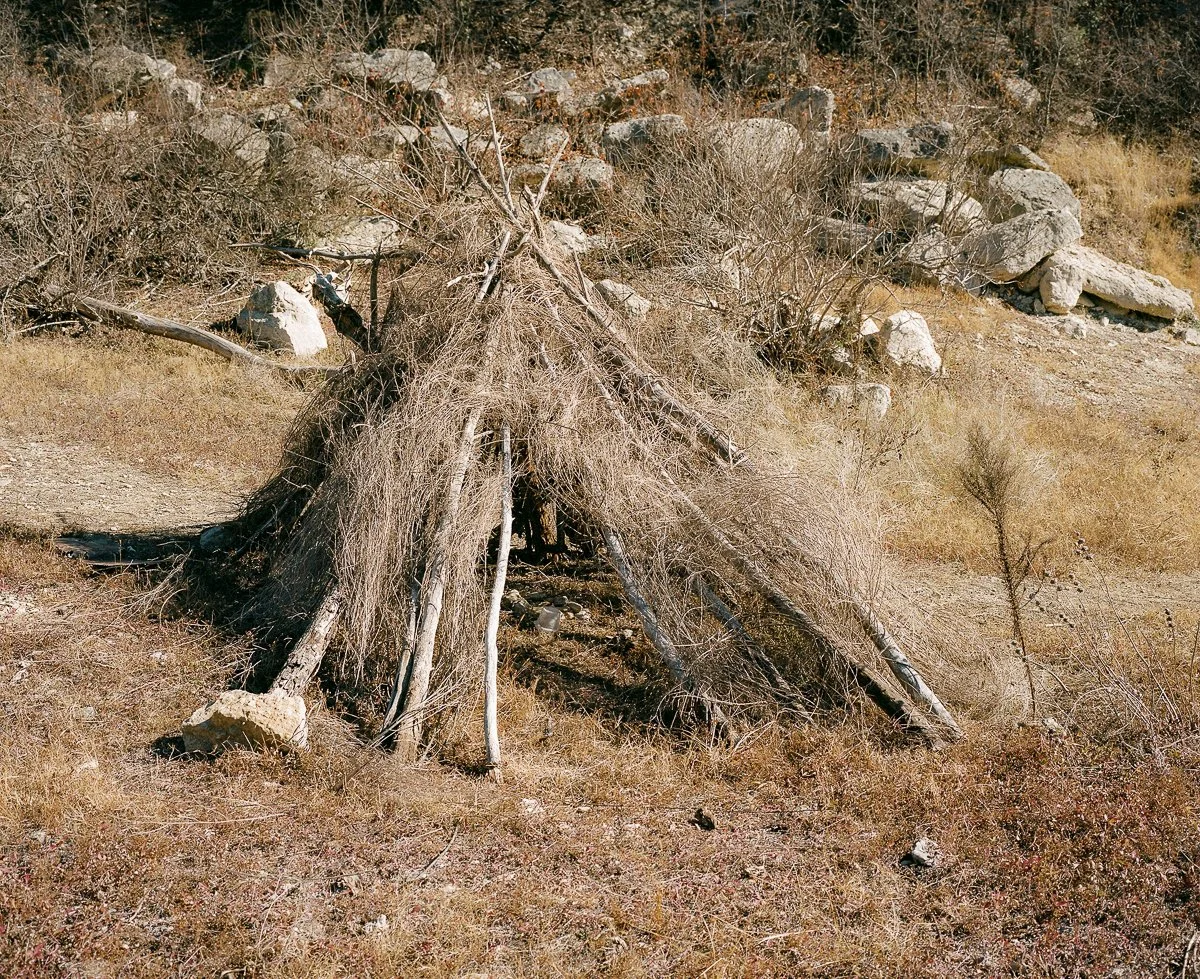
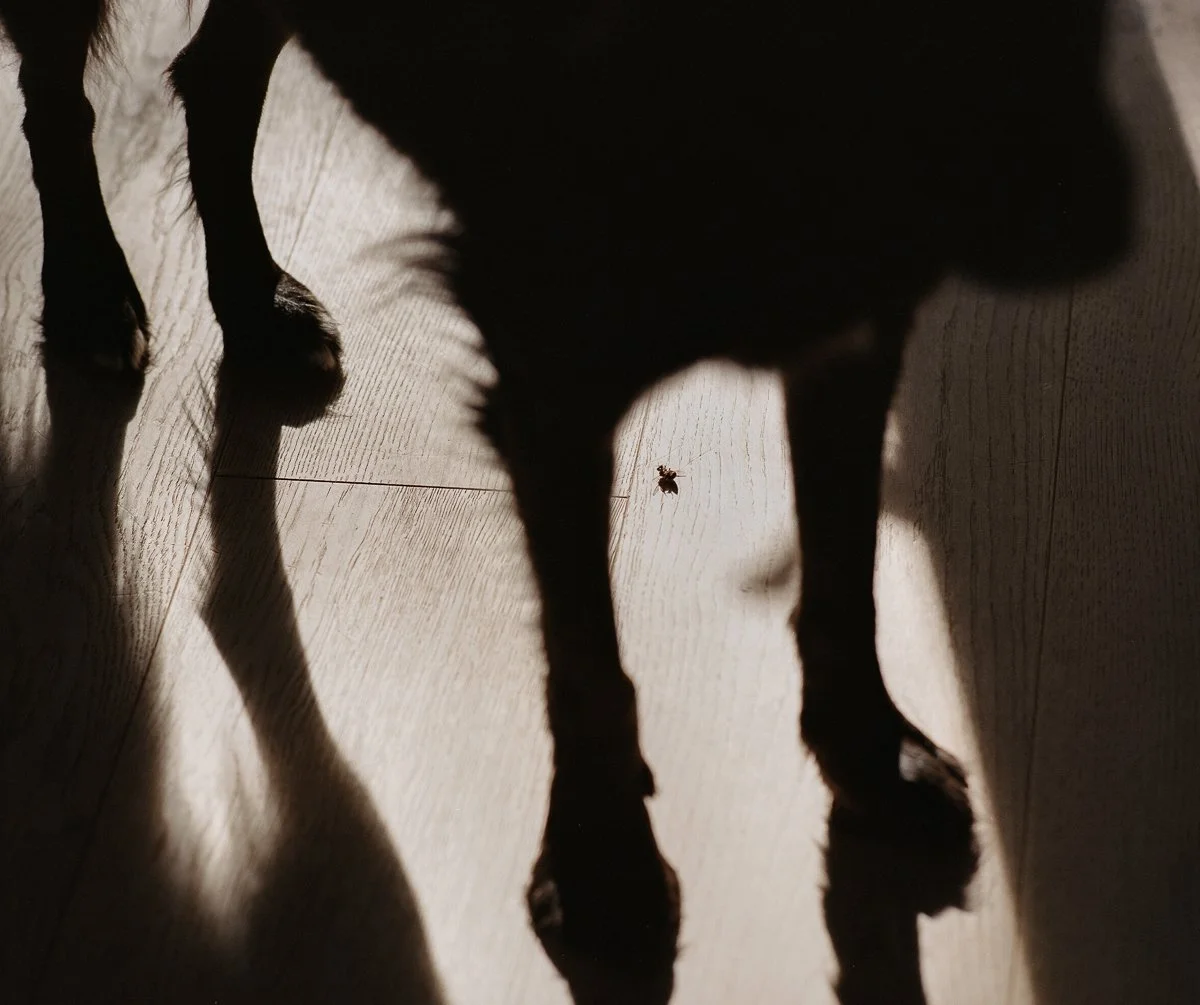
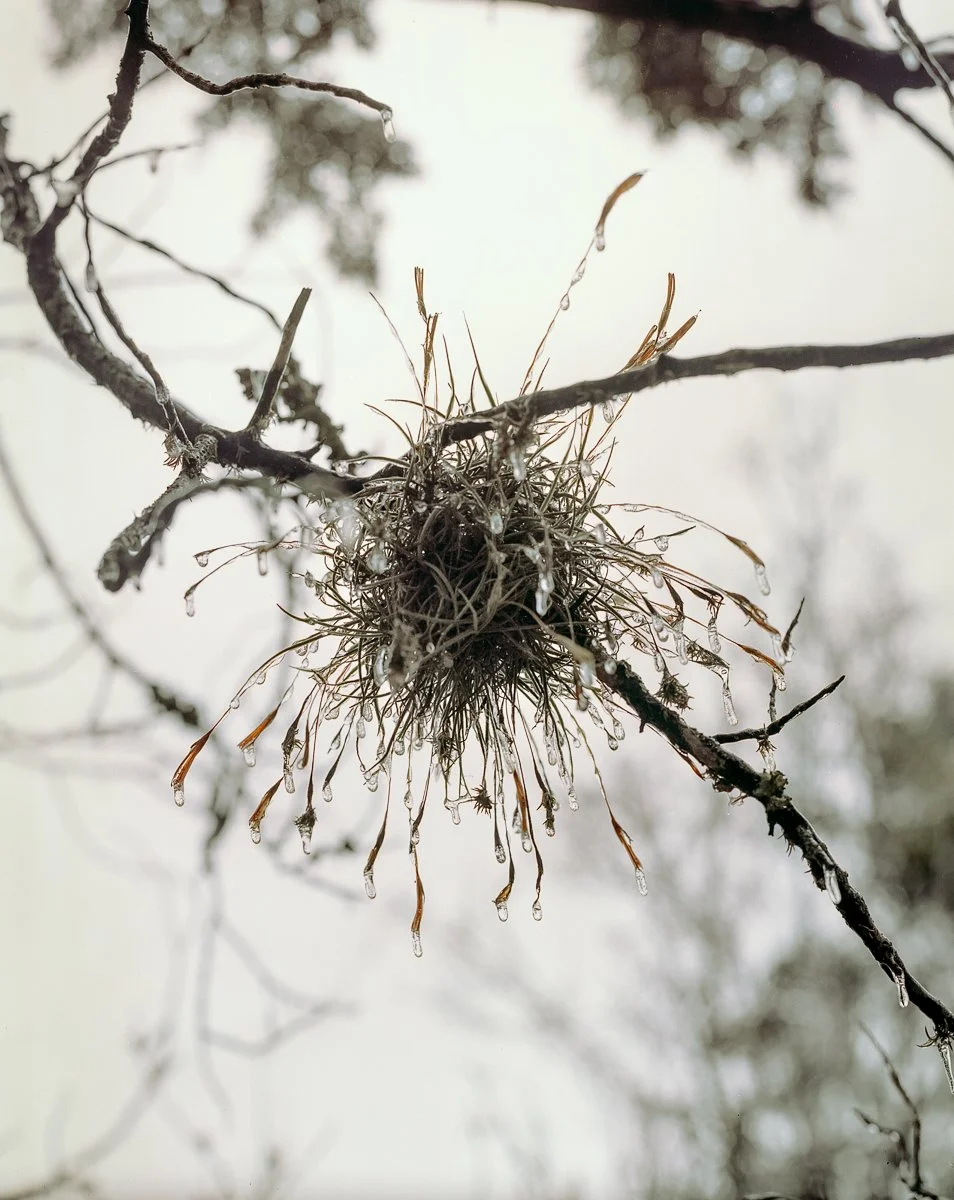
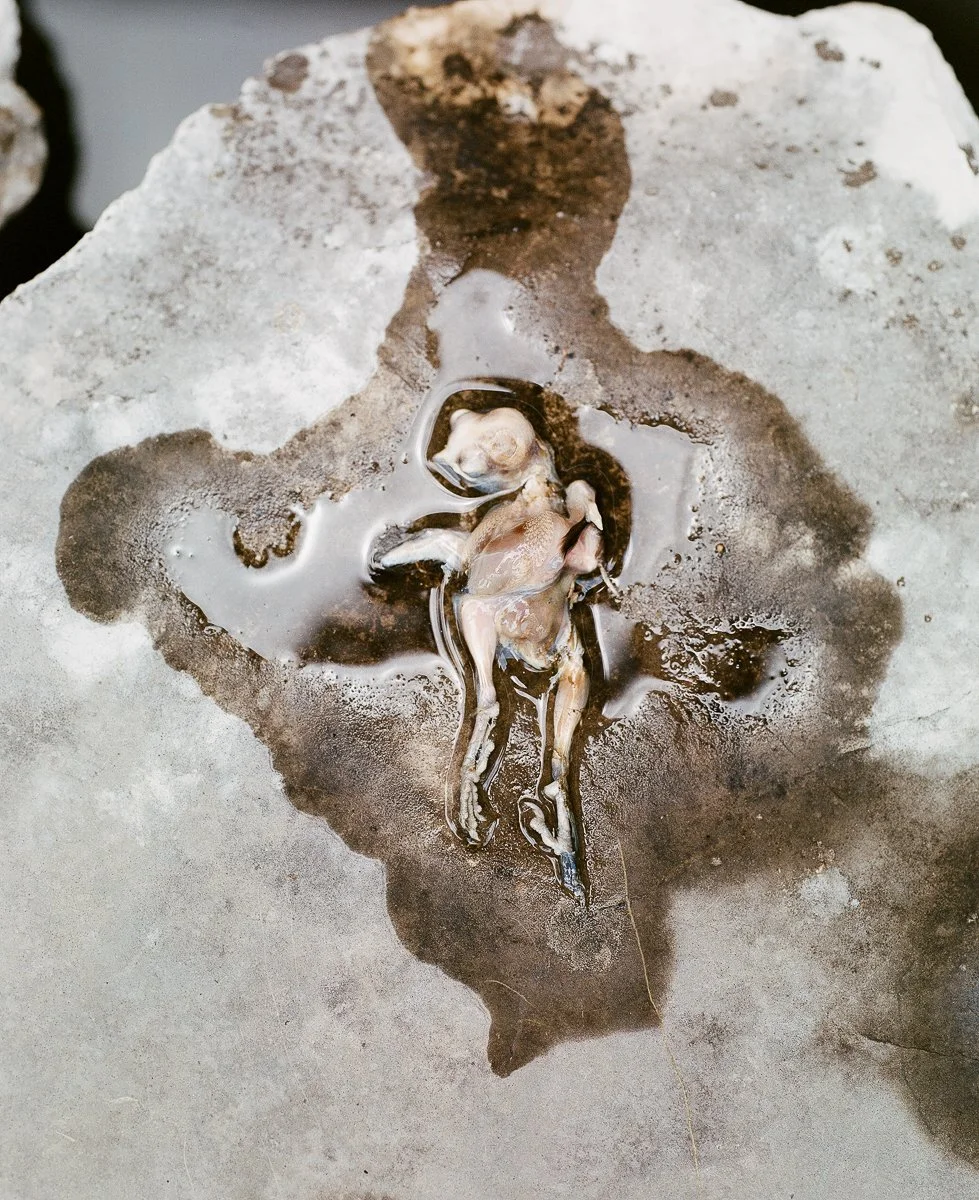
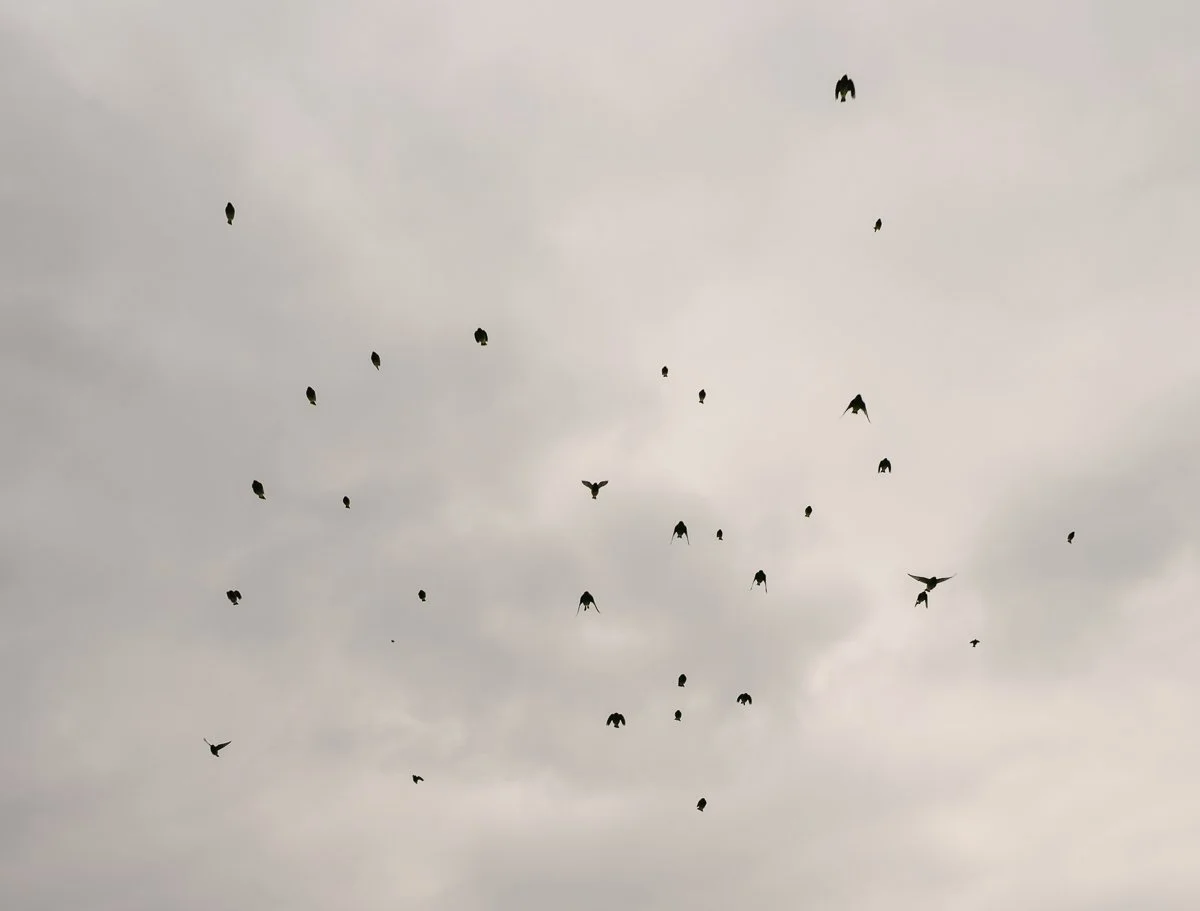
In my spare time, I revisited unfinished personal projects, including photographs I made during our miscarriages. I created mock book layouts and pitched them, but there was no interest. Much of the work reflected my experience, not my wife’s, as I needed to protect her privacy. So, the work became more of a testimony to my experience than hers. At first, I dismissed the work as being narcissistic , until I remembered something she once told me: you have to believe what you’re doing is important.
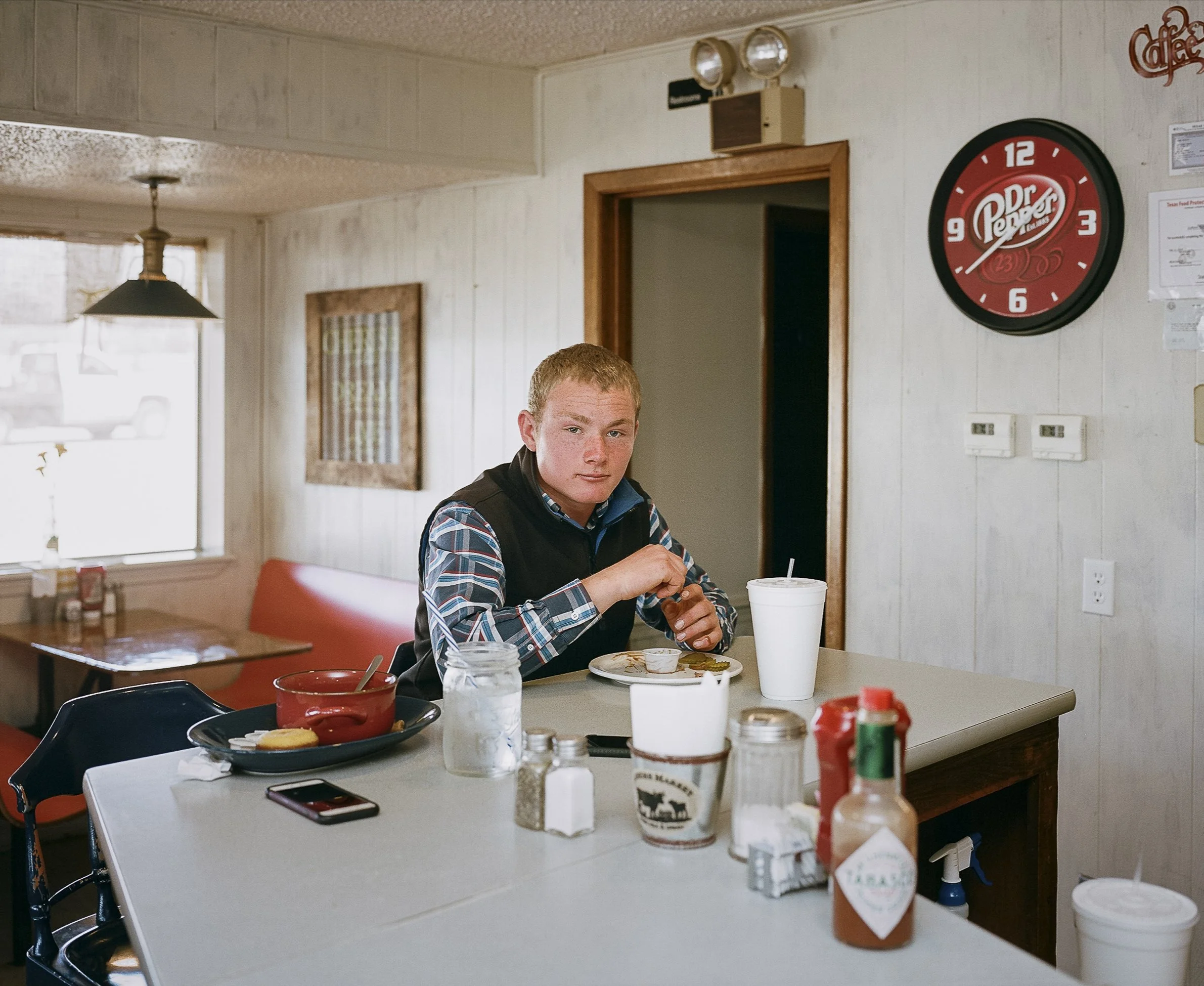
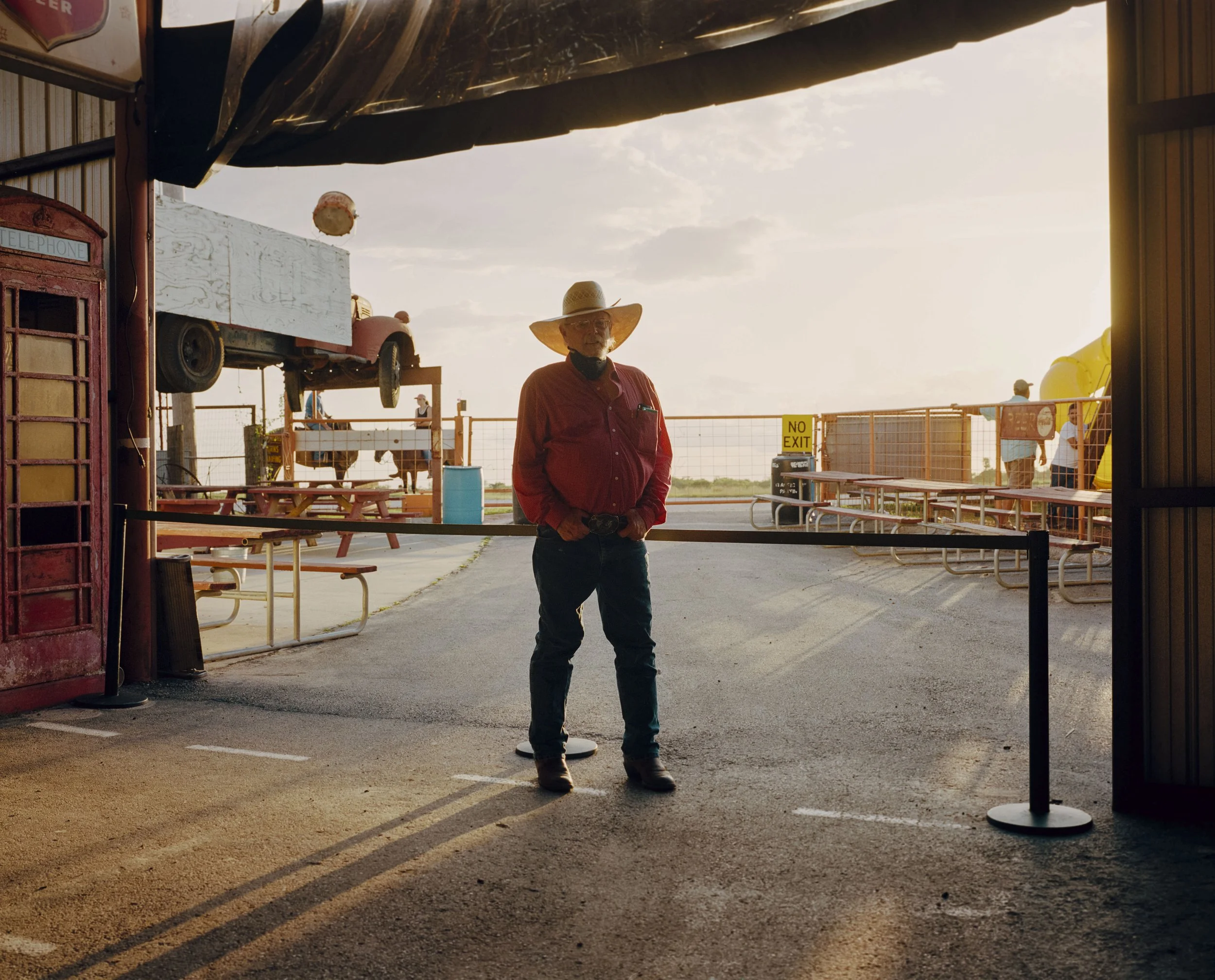
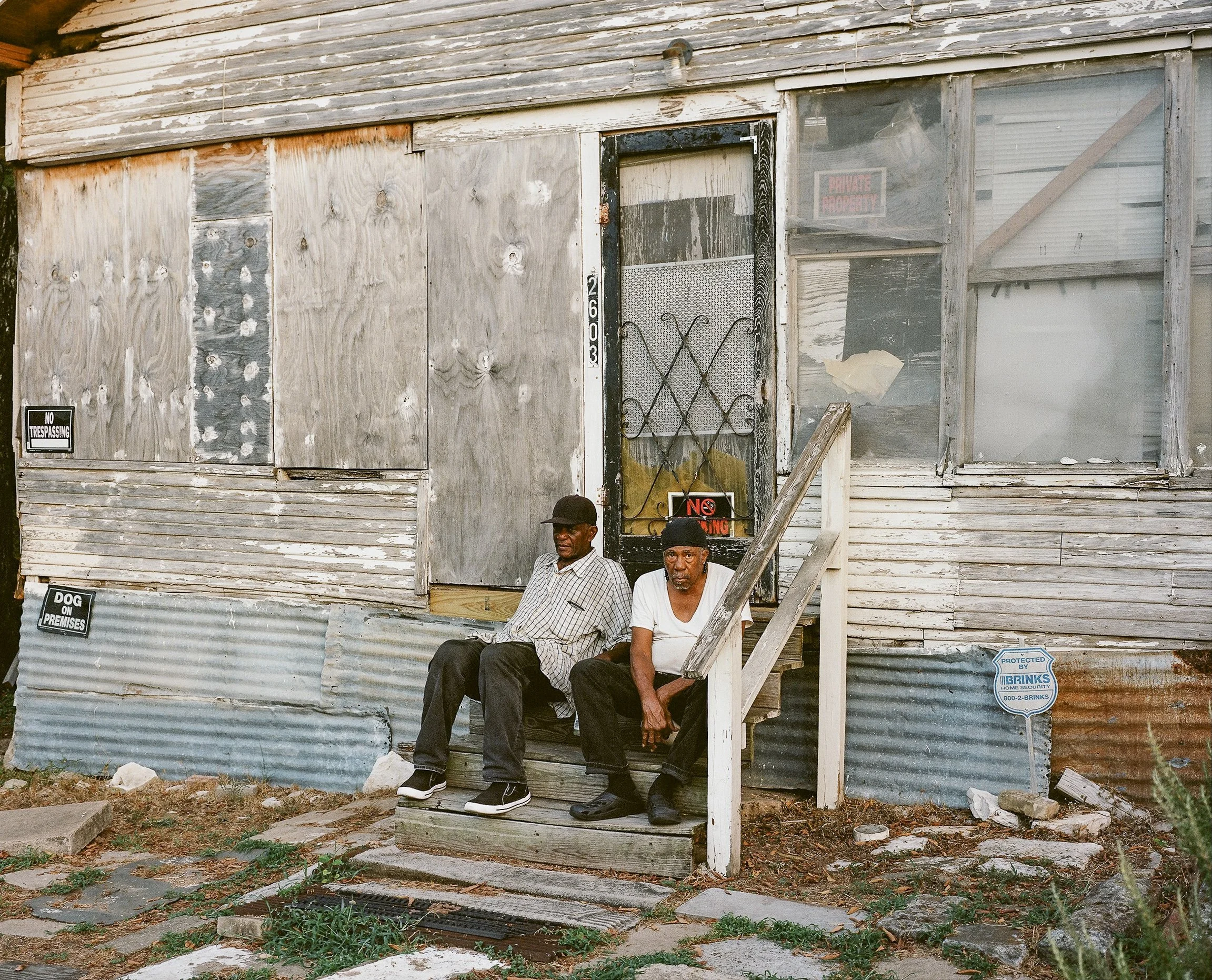
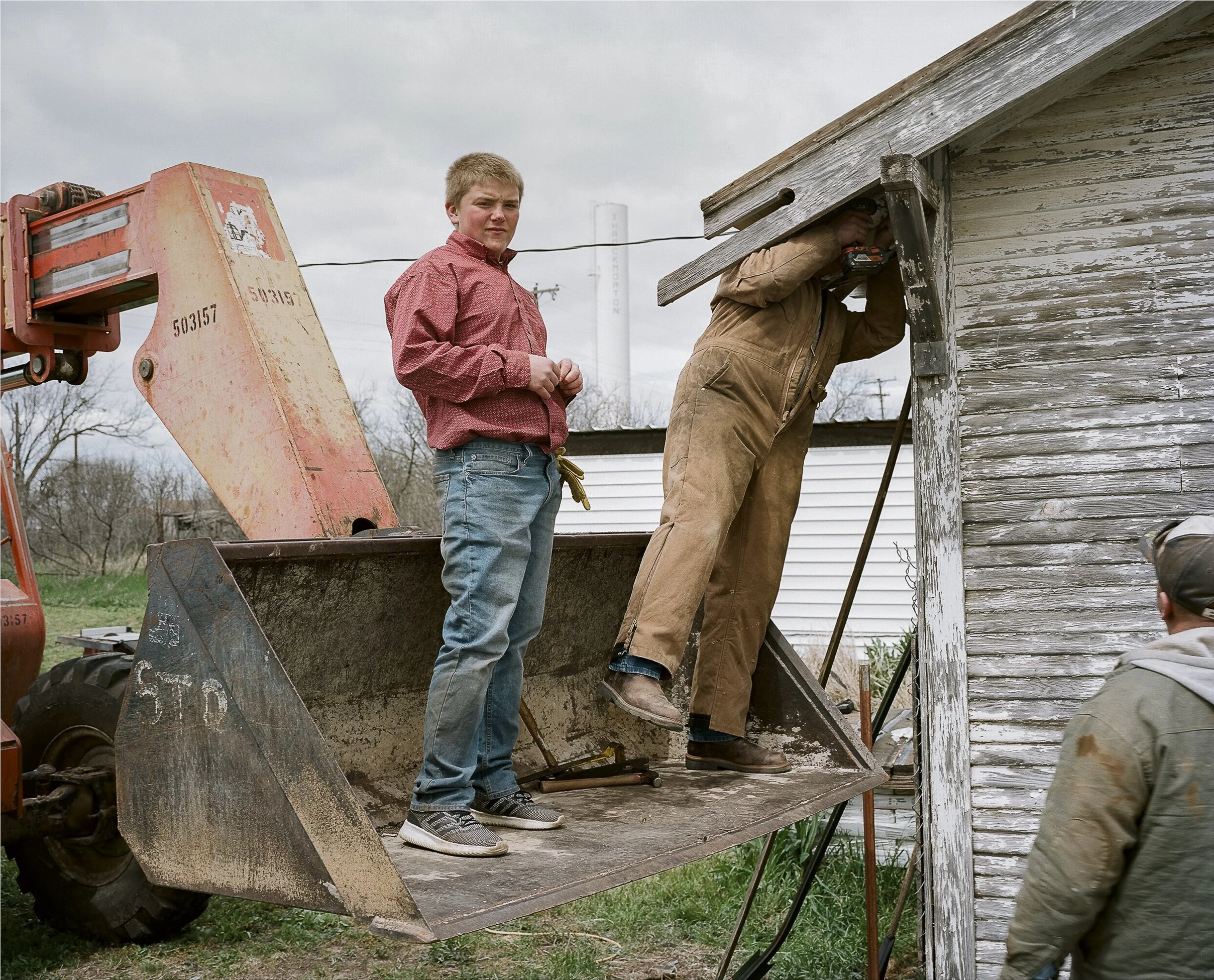
Another ongoing project, begun after moving back to Austin in 2018, documents the tech and energy boom reshaping Texas, its landscapes, communities, and politics. That work is far from finished.
As COVID eased, work slowly returned. Last Fourth of July, exhausted from a move, caring for my sick family, and recovering from COVID myself, I received a text from a New York Times editor asking me to document flooding in Kerrville. I hesitated. Then my sister texted that a family friend’s daughter and other girls were missing from Camp Mystic. As information poured in, I realized the scale of the situation and knew I had to go.
I’ve never wanted to be a disaster photographer, and being there felt awful. I cried often and struggled with the ethical weight of what I was doing. I refused certain images and deleted one that would have been front-page worthy when I saw the distress it caused. There was a line I wouldn’t cross. Watching other photographers behave insensitively only reinforced why I’d avoided that work for so long.
I did my best to document the situation in a way that respected the victims and allowed me to live with myself afterward. It was one of the hardest things I’ve ever done. As more people arrived, it became clear that continued coverage was doing more harm than good, and I stepped back. Since then, I’ve stayed in touch with people from the community and continue to document the aftermath carefully, understanding that trauma doesn’t end when the cameras leave.
Keep up to date with Carter’s latest work here:
Website
Instagram