
Rich-Joseph Facun
I’m excited to share Rich-Joseph Facun’s work as Anywhere Blvd’s April interview feature. After our conversation, he encouraged me to start a podcast, but for now, we found a way to include what we discussed into this interview, and it’s well worth your time and attention. His responses are thoughtful and deliberate, reflecting who he is: someone who steps outside himself to see the bigger picture.
He speaks about how photography first entered his life, how personal experience can shift documentation away from objectivity, and what he weighs before committing to projects that often span around seven years. He also reflects on why he stepped away from photography for a year and offers meaningful advice for anyone facing an opportunity they deeply want but struggle to believe is within reach.
Like me, he works in communications and marketing, so our conversation explored how we’re constantly navigating the responsibilities that come with storytelling—“Every decision—who I photograph, how I frame them, when I press the shutter, how the images are sequenced and presented—contributes to a narrative.” Throughout, his responses are shaped by the questions he asks himself, offering a window into both his creative process and his inner dialogue. They’re the same questions we should all be asking, because as photographers, learning to step outside our own lens is essential.
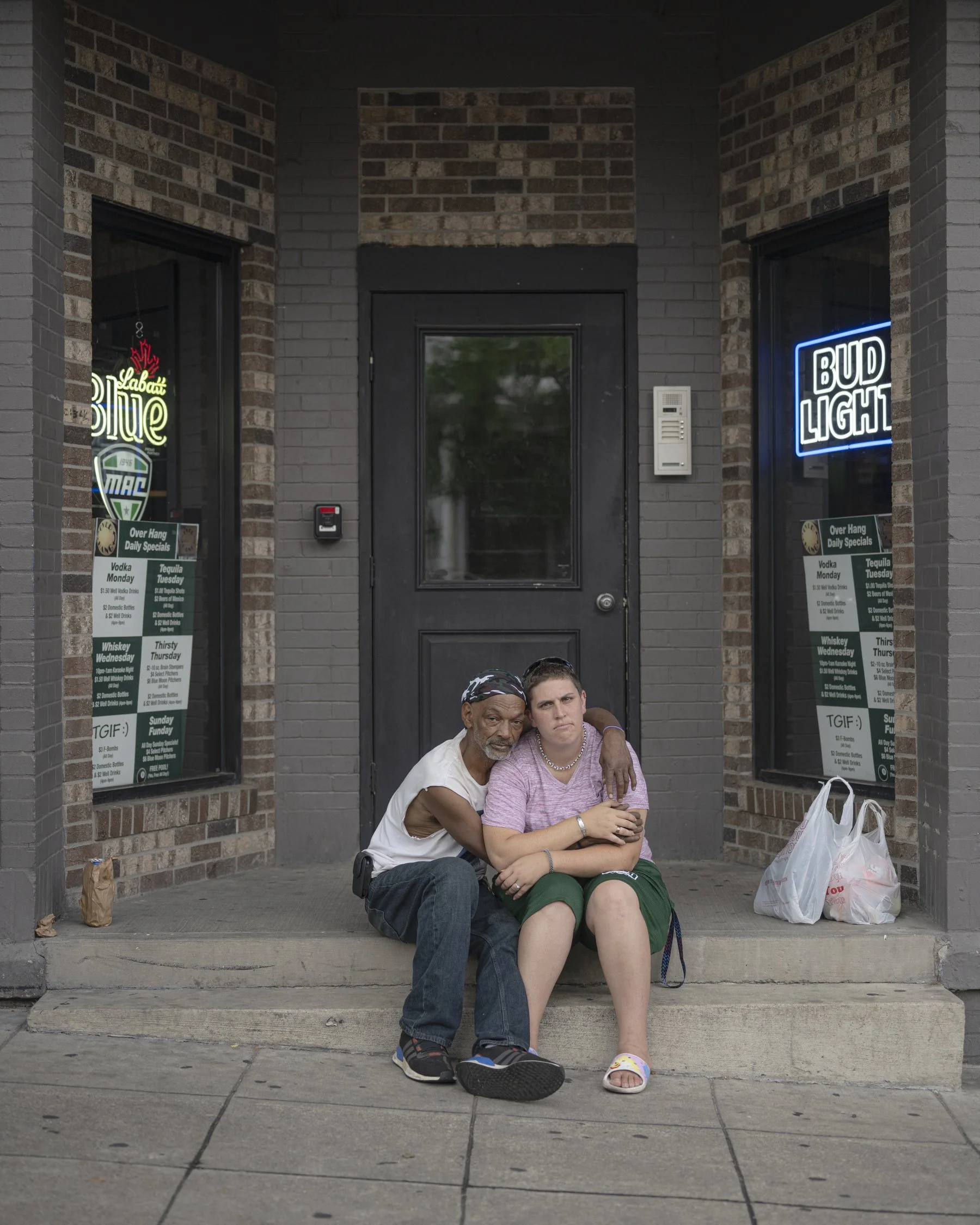
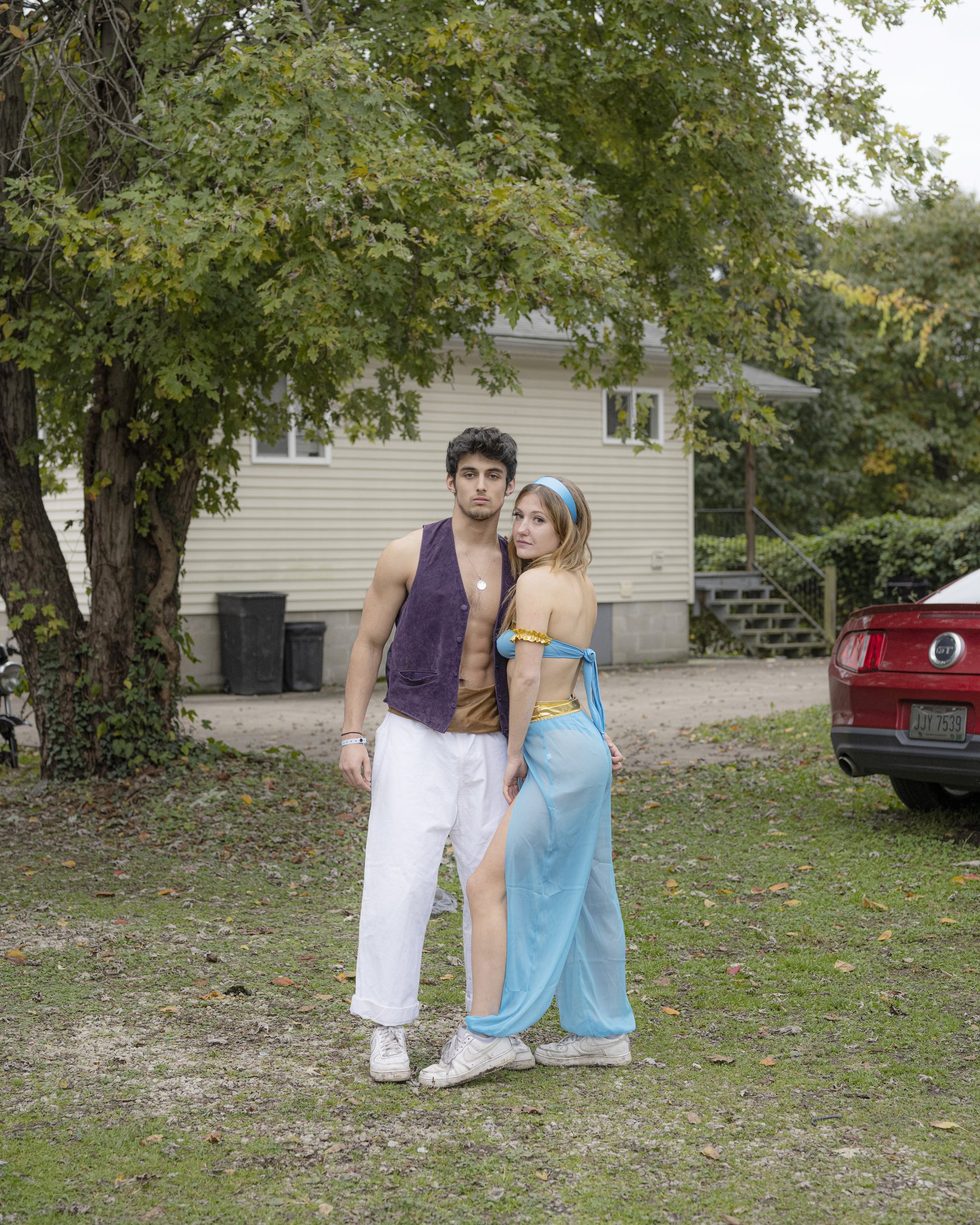
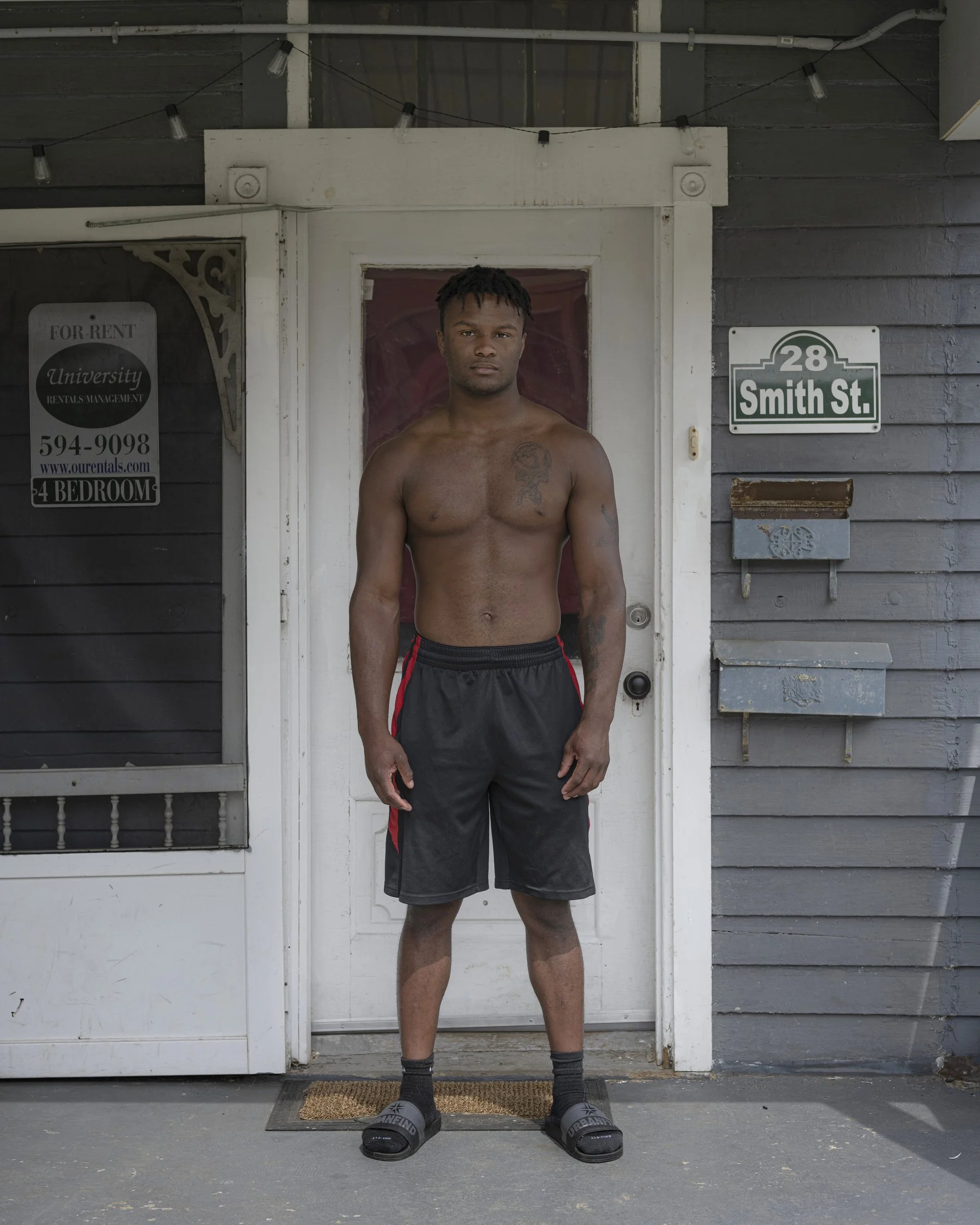
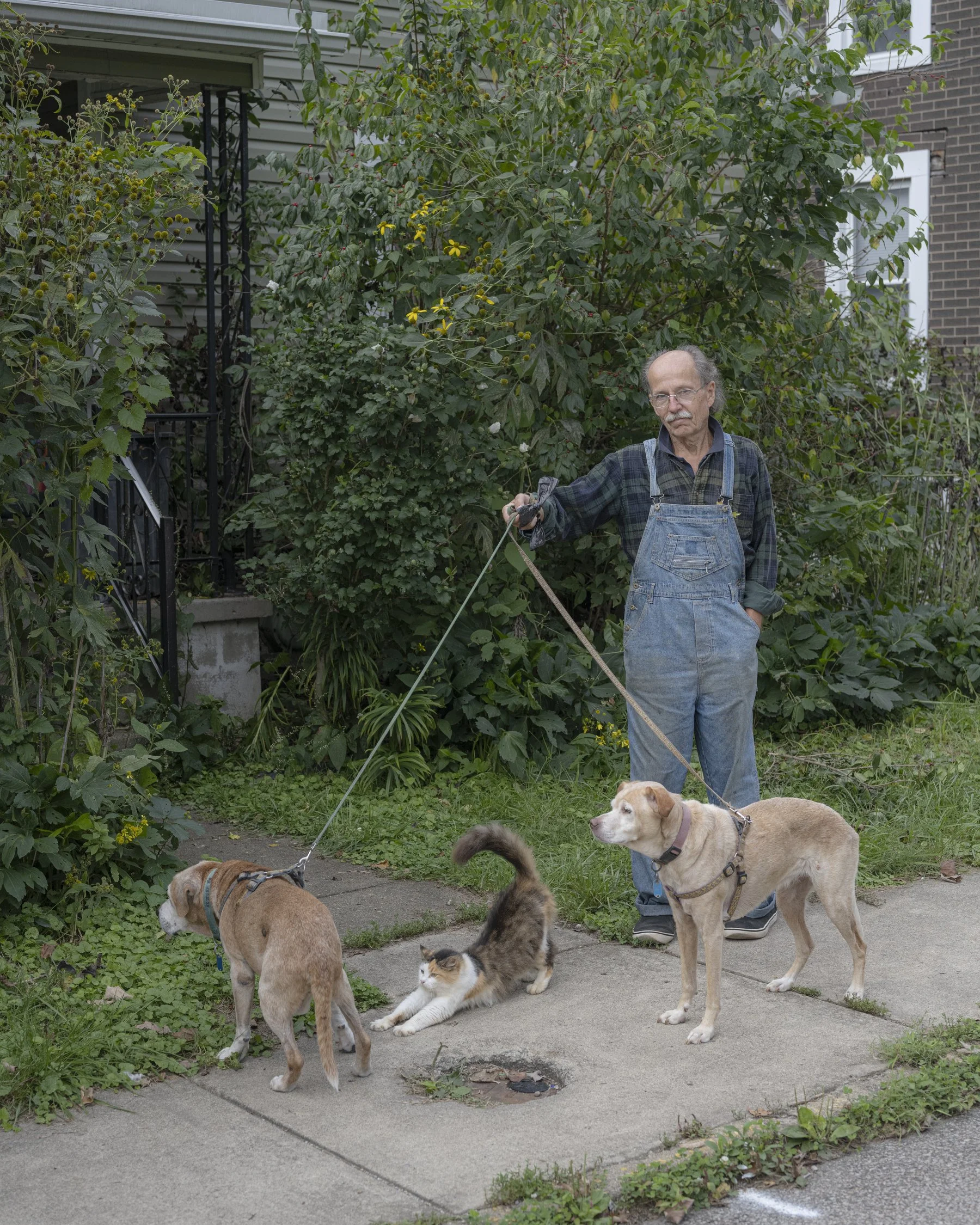
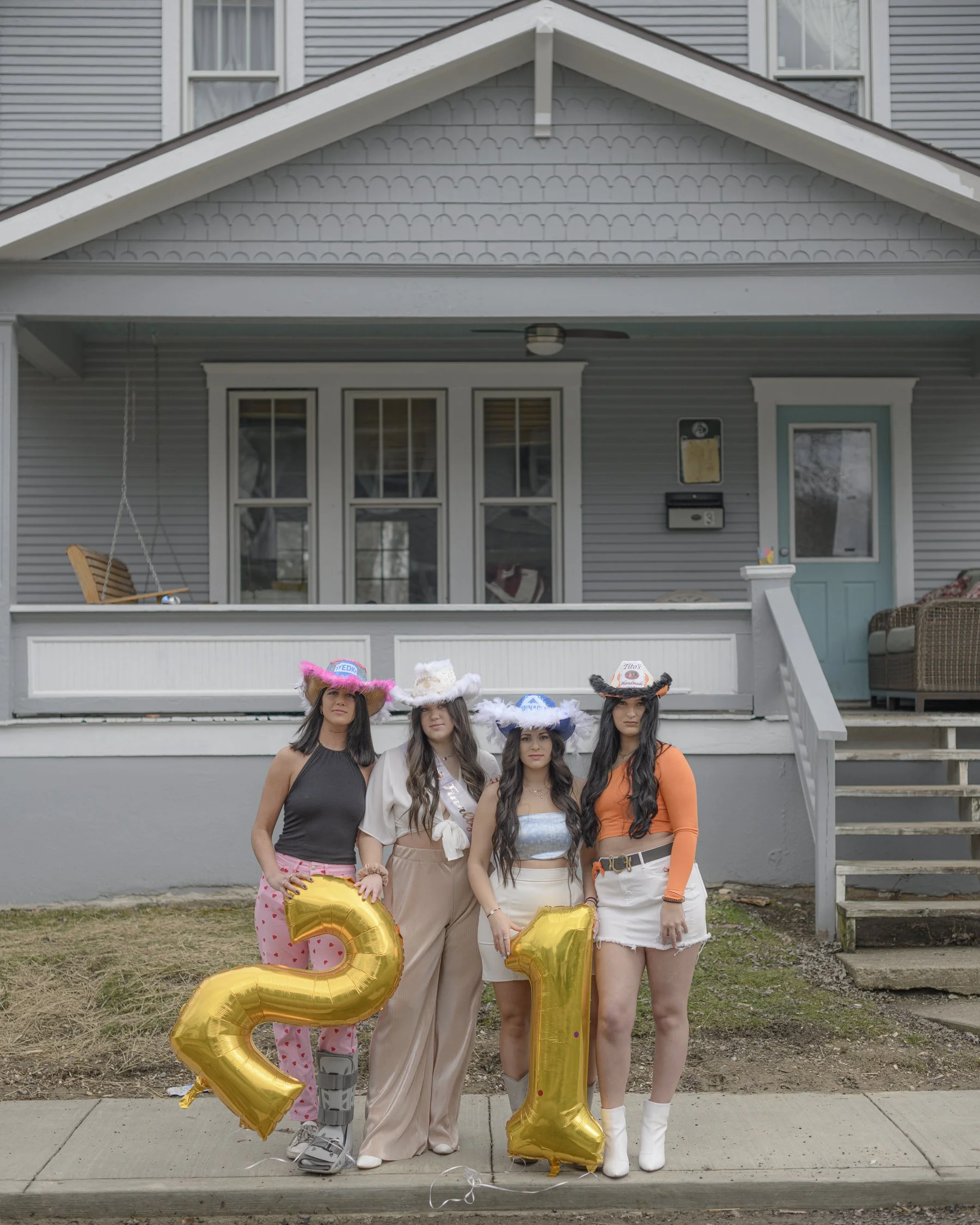
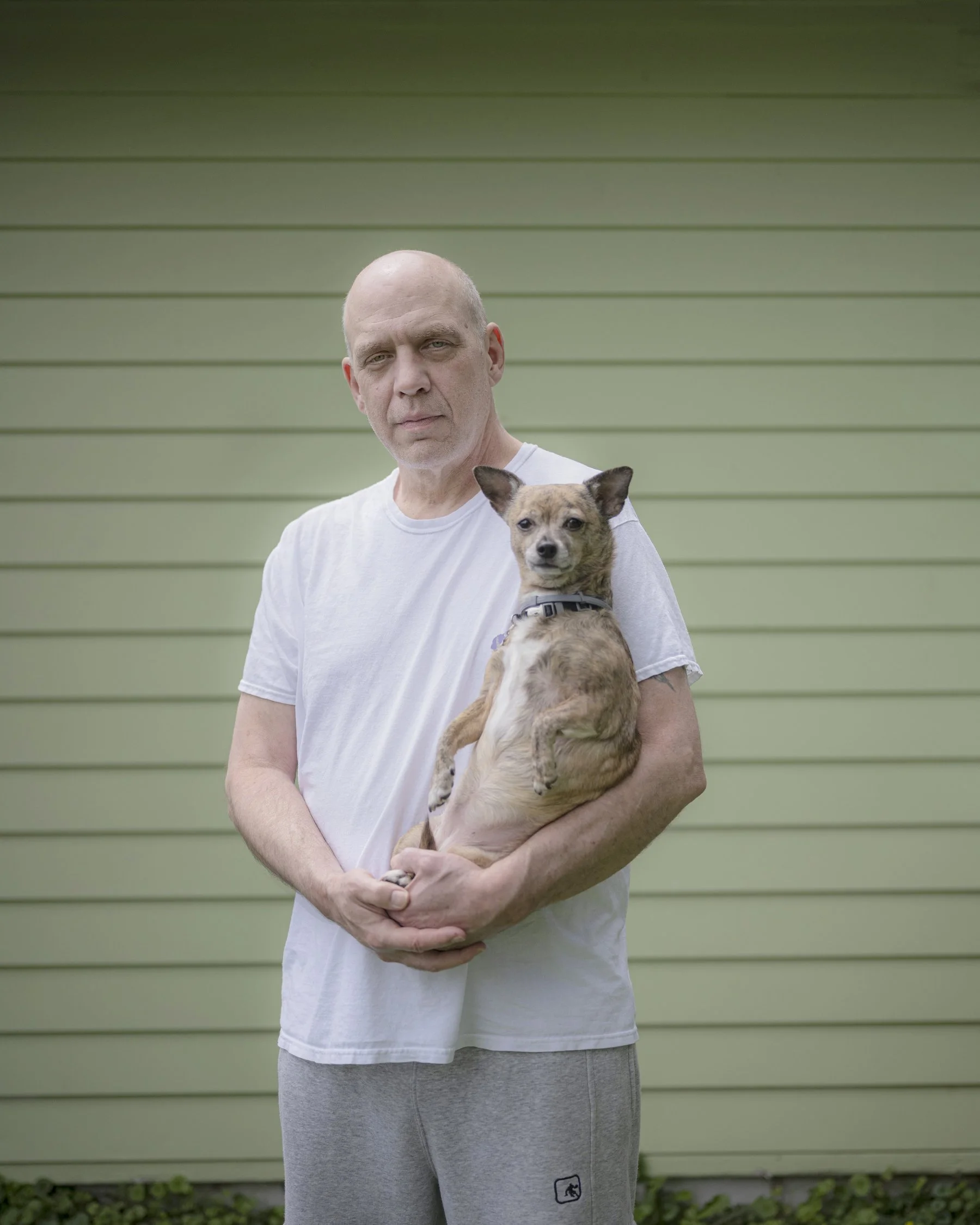
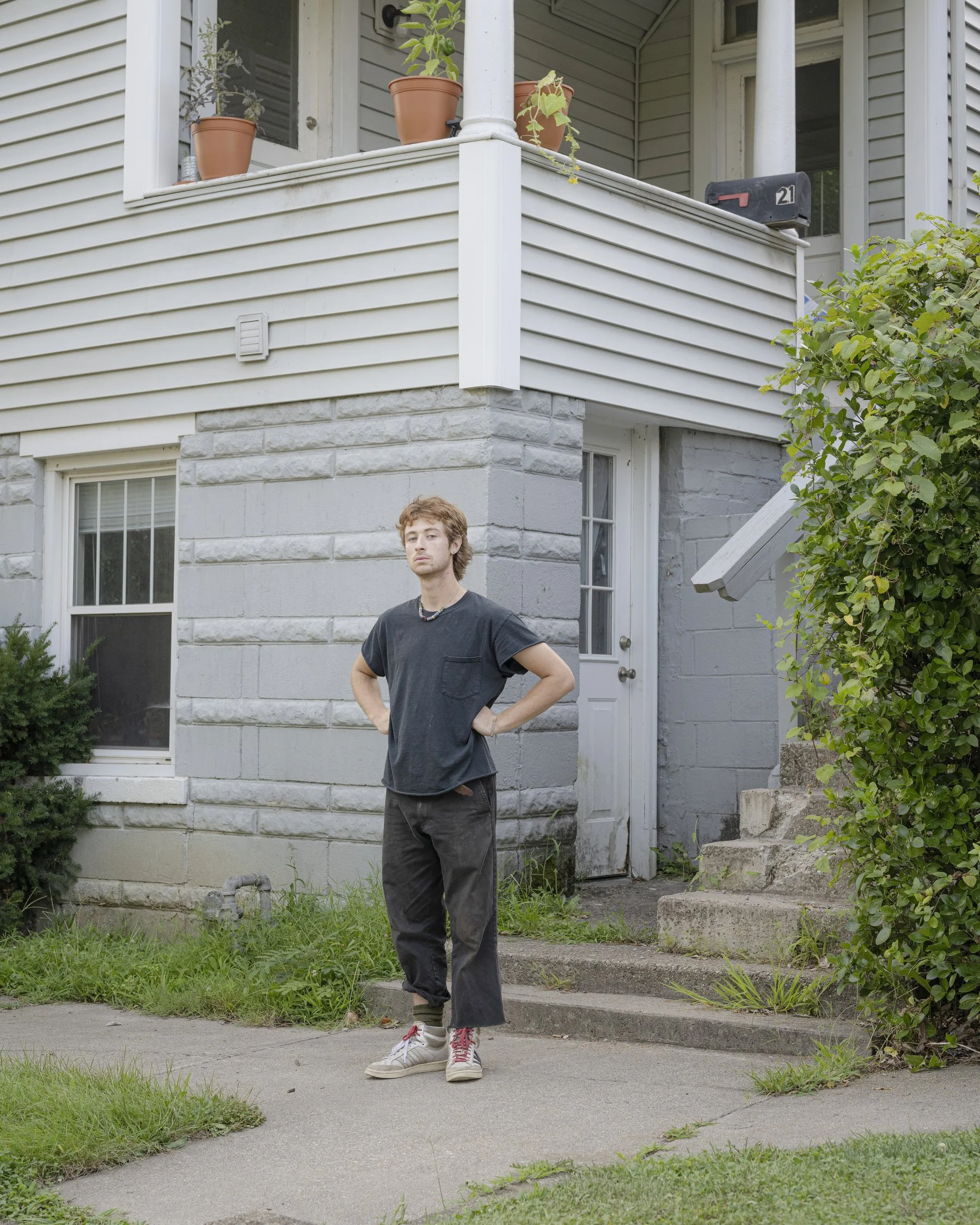
In our conversation, you mentioned that photography came into your life by accident, from skateboarding to a workshop that ultimately changed your path. Could you elaborate on how that unexpected start influenced you?
Photography came into my life in a way that felt almost accidental—but looking back, it seems like it had been quietly waiting for me all along.
As a teenager in the 1980s, I spent a lot of time skateboarding with friends. I’d often bring a camera and photograph them skating, and they’d turn the camera back on me. We documented each other without really thinking about it—just kids capturing moments. At one point, a friend and I even put together a small, Xeroxed, stapled zine built around skateboarding, using our photos and writing. It was raw and simple, but it was storytelling.
Then life shifted.
By my senior year of high school, I had my first child. Skateboarding and photography quickly faded into the background as I focused on raising my daughter and navigating adulthood. For a long time, creativity wasn’t the priority—survival and responsibility were.
Years later, in the late ’90s, I returned to college. Before transferring to a four-year university, I needed a fine arts credit. I initially signed up for a sculpture class, but it was canceled at the last minute. The only course still open was an introductory photography class.
That one small change altered everything.
By the end of the semester, I was completely drawn in. What started as a requirement became something much deeper—something that felt natural and necessary. Even though I had a scholarship lined up at another university, I made the decision to pause and explore this new direction. I took another photography class, then signed up for a workshop that would ultimately change my life.
Two of the instructors were Bill Eppridge and Carol Guzy—though at the time, I didn’t fully grasp the weight of who they were. They were legends in the field, but to me, they were simply people who saw something I hadn’t yet seen in myself.
By the end of that week, I was hooked.
They encouraged me to pursue photojournalism. I didn’t even fully understand what that meant, so I asked a simple, practical question: “Can you actually make a living doing this?” They laughed and told me yes—you can.
They pointed me toward some of the top programs in the country: Missouri, Western Kentucky, and Ohio University. I chose Ohio University, and that decision set everything in motion.
From there, I became a photographer. A storyteller. Someone who could document the world and, somehow, build a life around it.
What started as an accident—a canceled class, a last-minute decision—became the foundation for everything that followed. Photography didn’t just give me a career.
It changed the trajectory of my life.
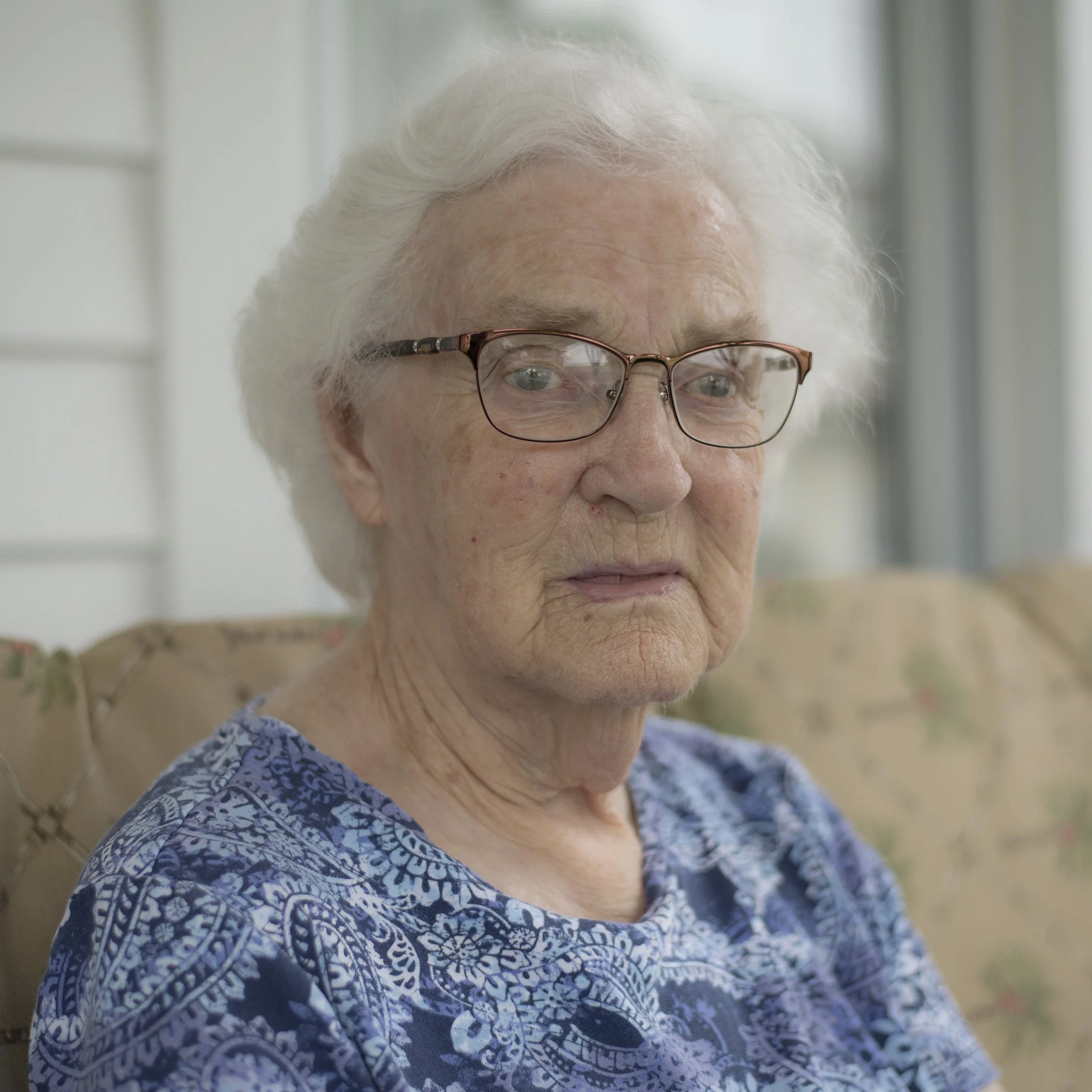
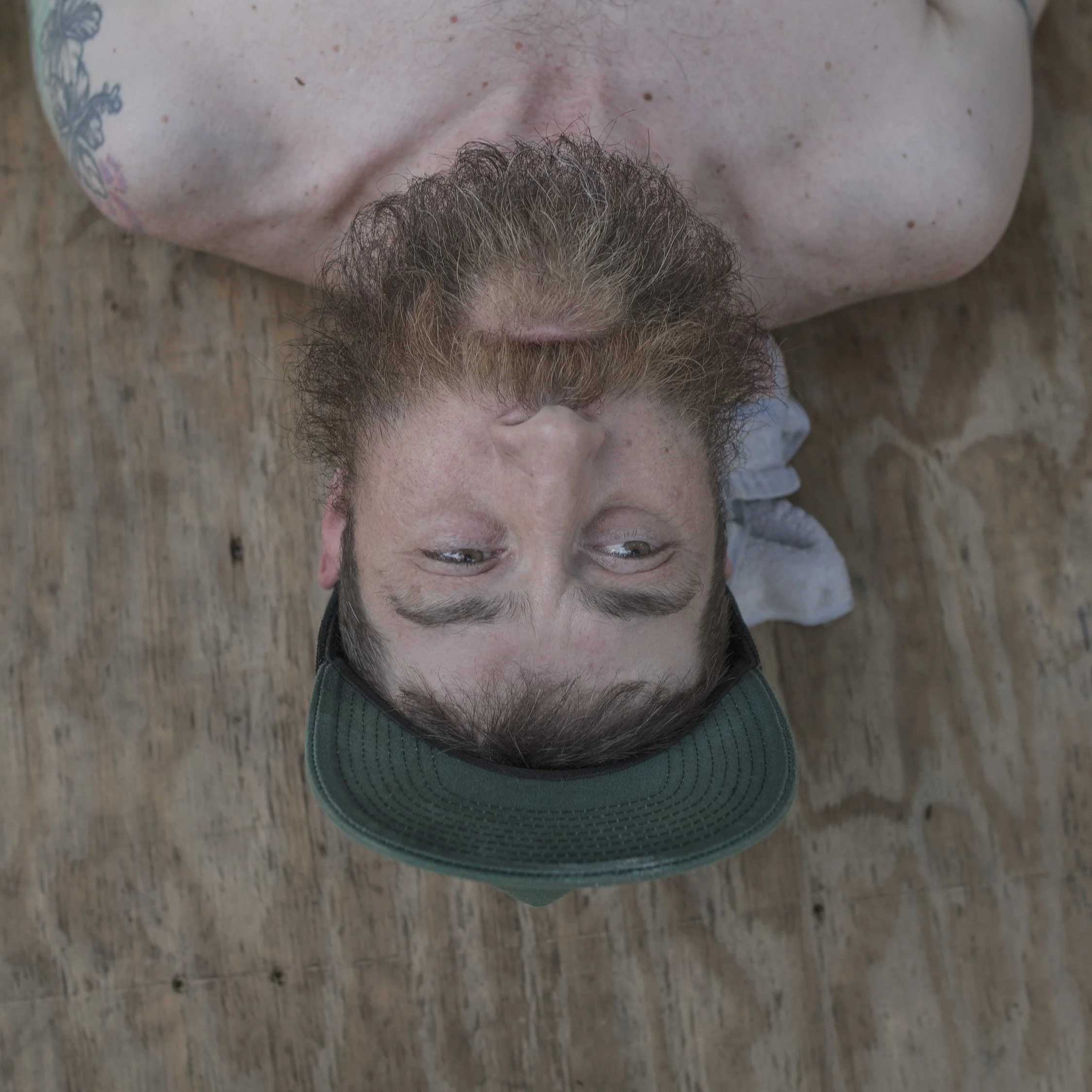
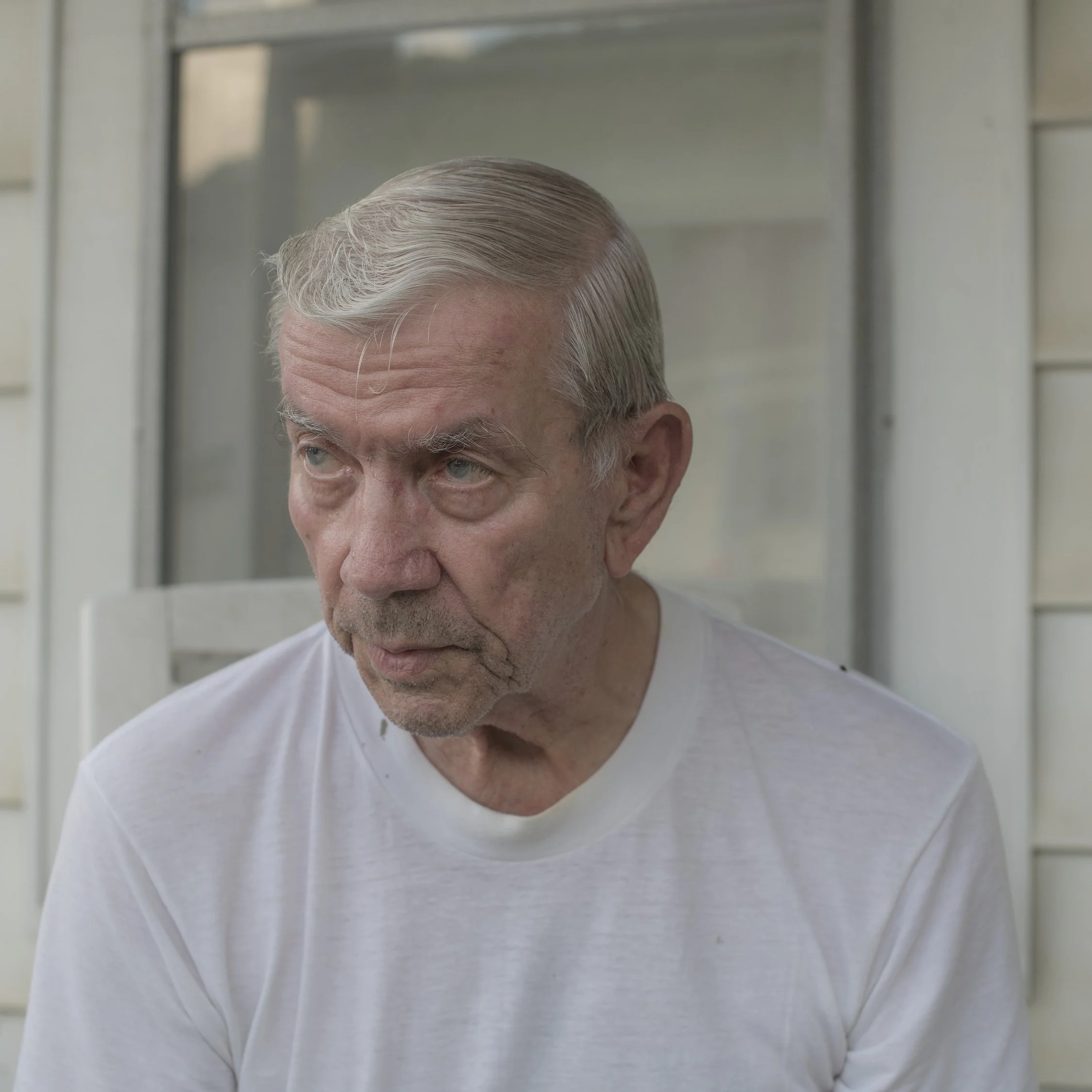
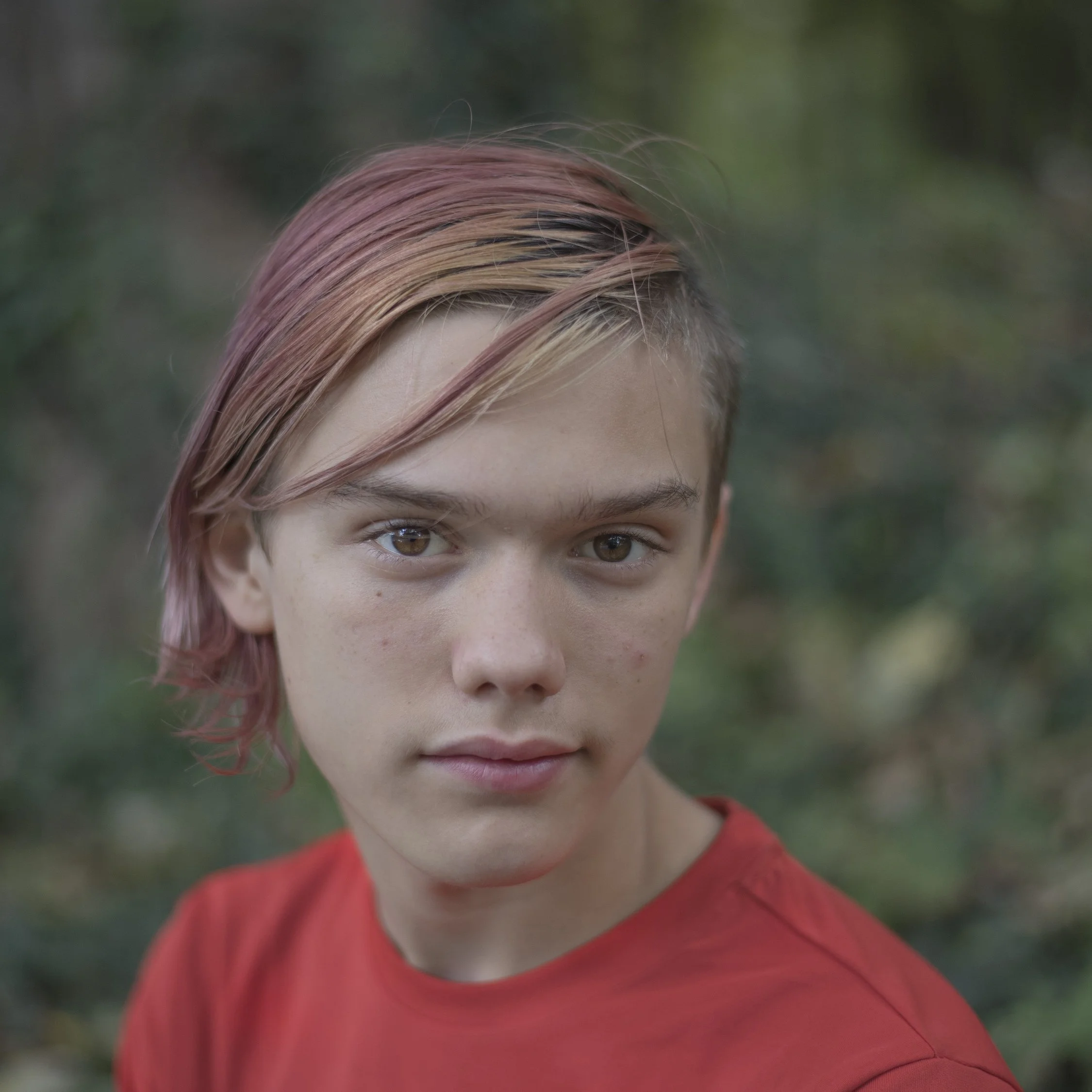
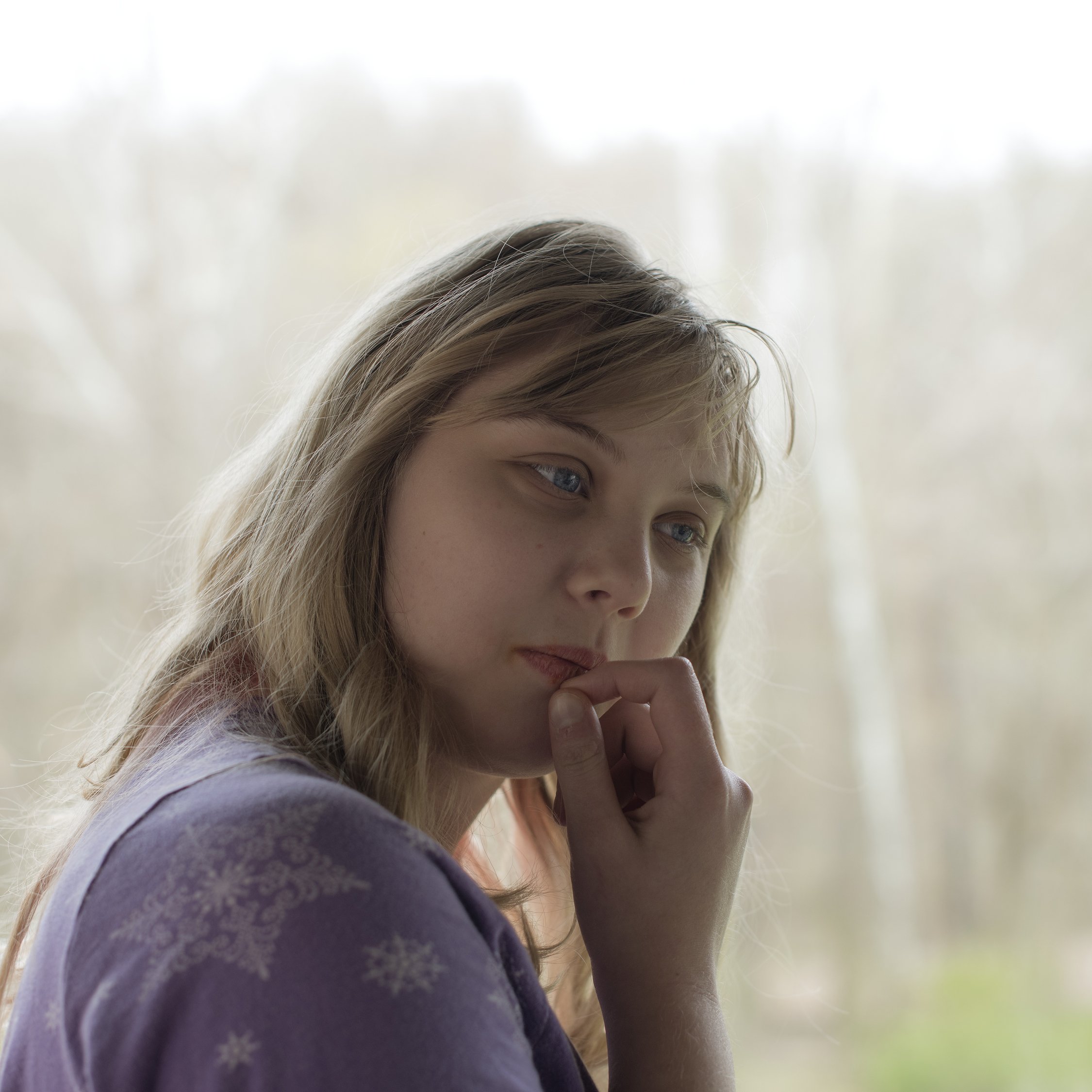
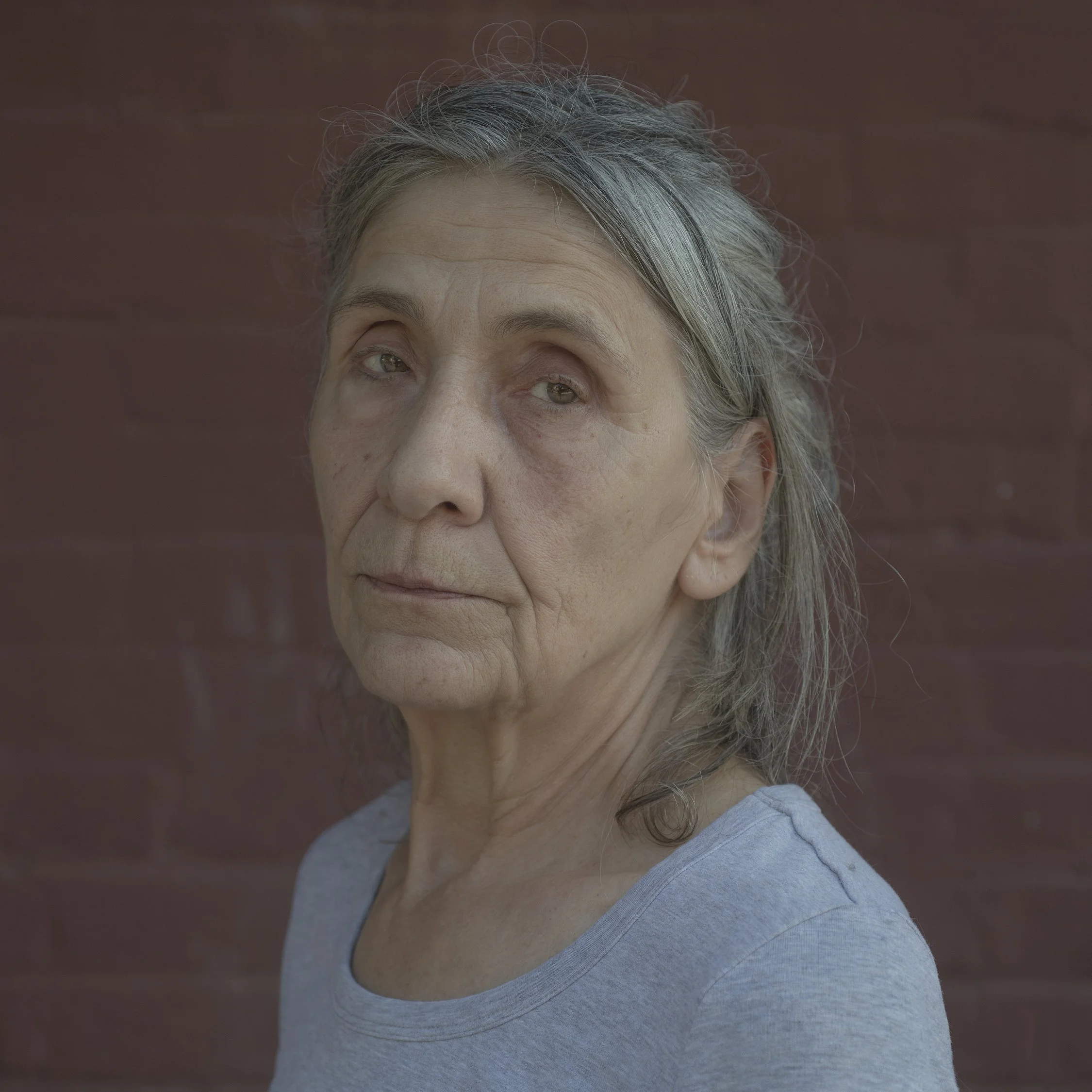
Your life experiences vary widely, and while all of yours likely contribute to how you connect with others, which ones have had the greatest impact on your ability to relate and build those connections with the people you photograph?
I think it’s the amalgamation of my life experiences that shapes how I connect with others. To isolate just one feels disingenuous, but for the sake of the question, I’ll try to narrow it down.
Adversity, diversity, and creativity have had the greatest impact. These three forces allow me to relate to people and build collaborative portraits with those I photograph.
To me, they’re interconnected—each informing and strengthening the others. For example, becoming a teen father meant facing adversity early on. That kind of responsibility is challenging even for established adults, let alone a 17-year-old still in high school. While it was a consequence of my own actions, it shaped who I am. That lived experience allows me to connect with others navigating hardship—which, in some way, is all of us.
Diversity, in my life, exists on many levels. It comes from being raised by an Otomí mother and a Pinoy father, from the color of my skin, and from economic realities—trying to care for a family on food stamps and WIC, questioning whether basic needs like rent, food, and healthcare would be met. It also includes mental diversity—living with PTSD and navigating ADHD and OCD—and educational diversity, like being bused across town to attend a more affluent school as part of a racial integration effort.
From these experiences, creativity becomes essential. You learn to adapt, problem-solve, and trust your intuition—it has to be sharp.
So when I approach someone on the street and ask to make their portrait, I’m drawing from all of this. These experiences shape how I show up, how I listen, and how I engage.
Simply put, I offer something genuine of myself—and ideally, that openness is returned.
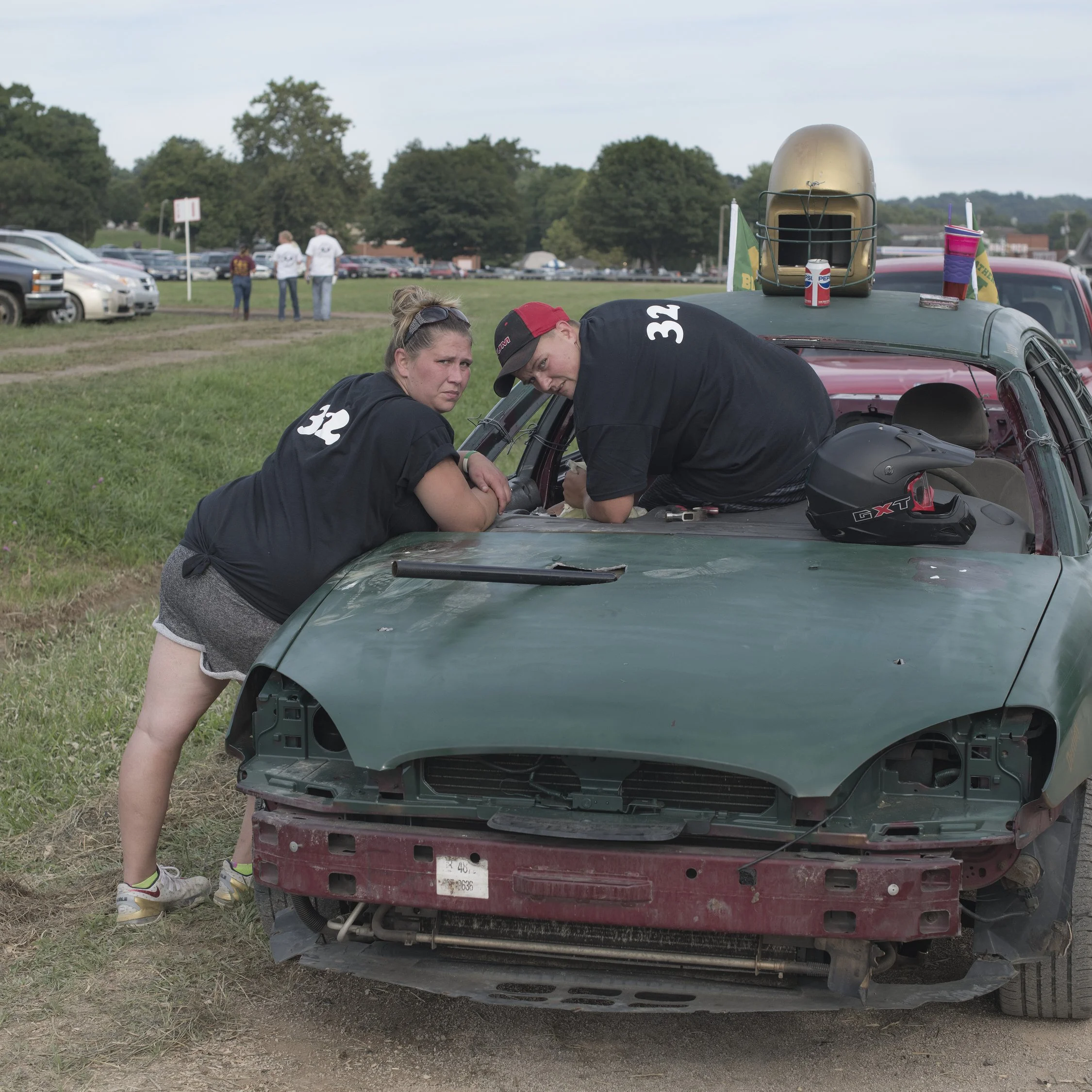
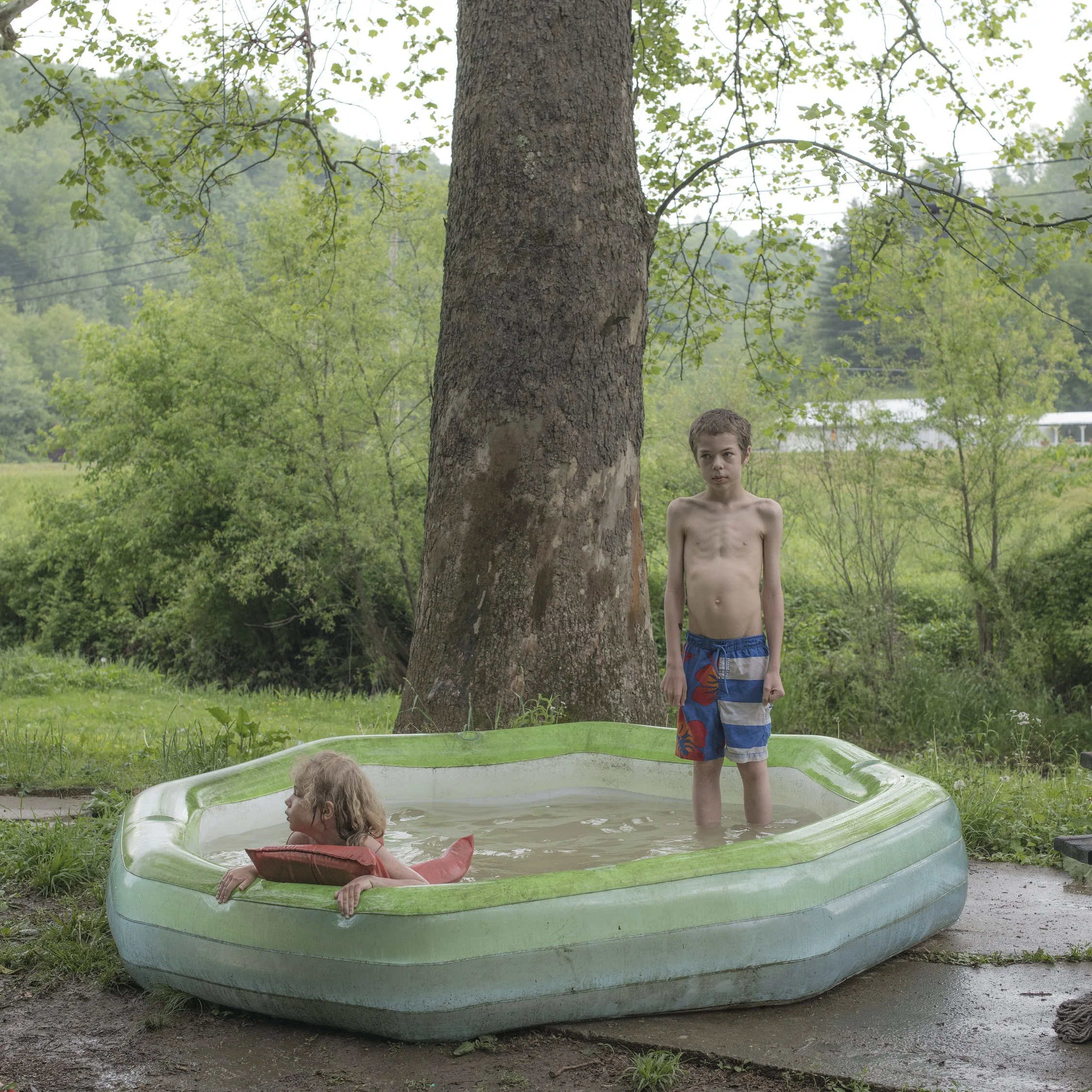
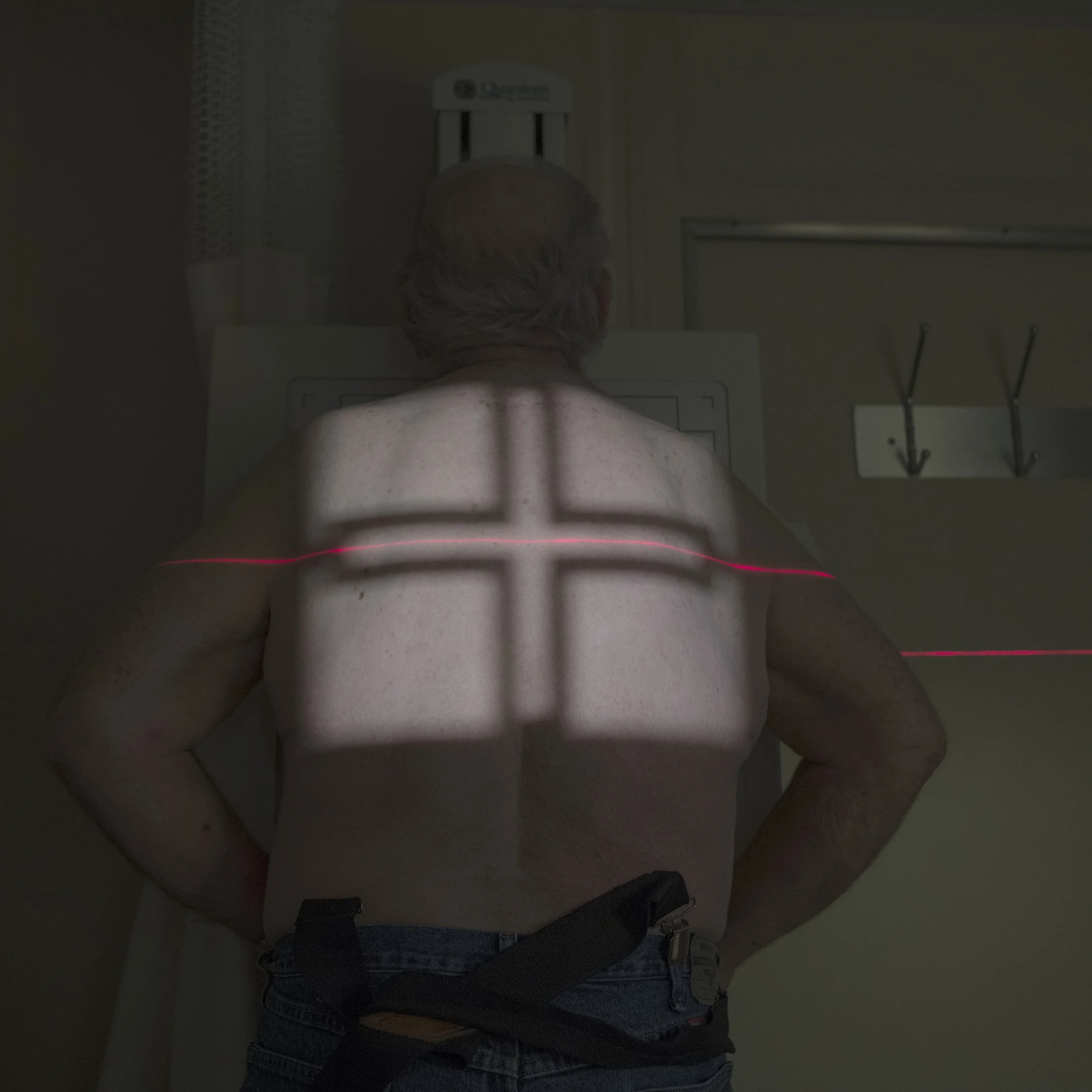
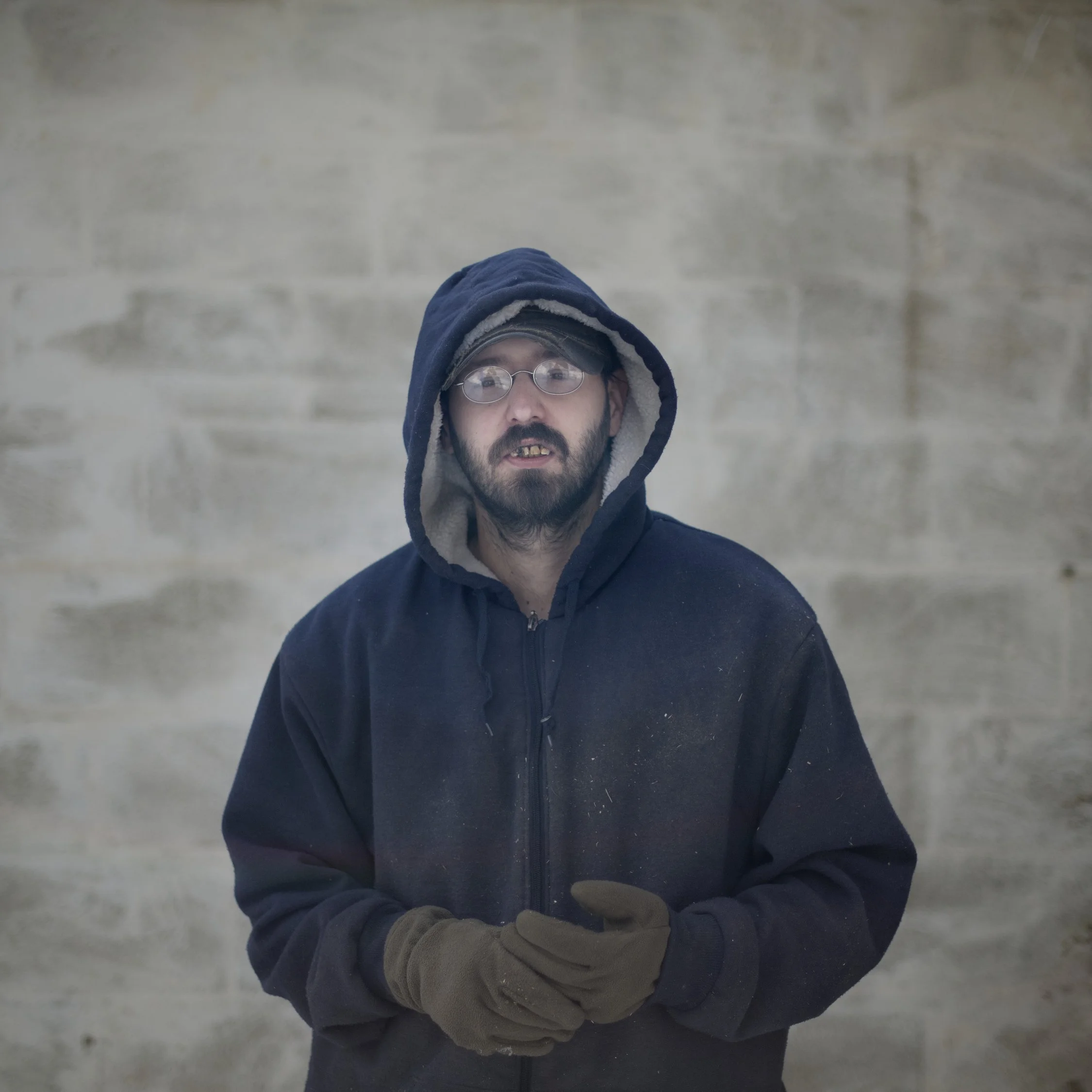
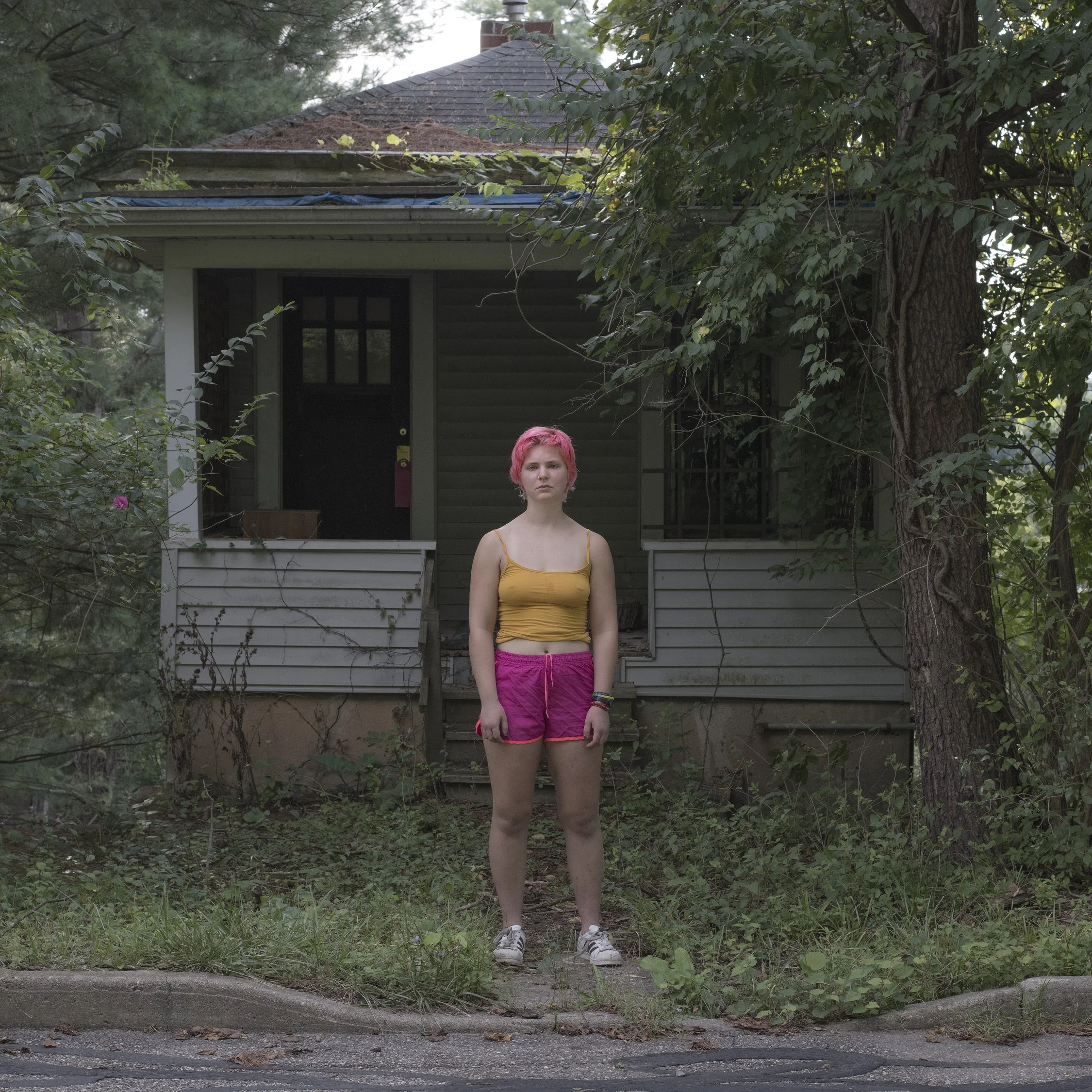
One idea from our conversation that really stayed with me was your statement, “There is no way to separate your lived experience from how you interpret the world.” This connected to your view that your work is, to some extent, a form of fiction. Could you expand on how a photographer’s personal perspective, along with their control over the portrait making process, sequencing, and presentation, gradually shifts the work away from objective truth and closer to the artist’s constructed sense of reality? And why is it important to you in this process to remain open to new opinions, experiences, and ideas? When have you purposely turned your camera away and why?
I was trained in the theory and practice of ethical photojournalism to be an “objective” observer—to document truth without bias. But coming from a background in philosophy and religious studies, I was already skeptical of that premise. If objectivity is defined as the absence of bias, judgment, or personal influence, then I don’t believe it’s something we, as humans, can truly achieve.
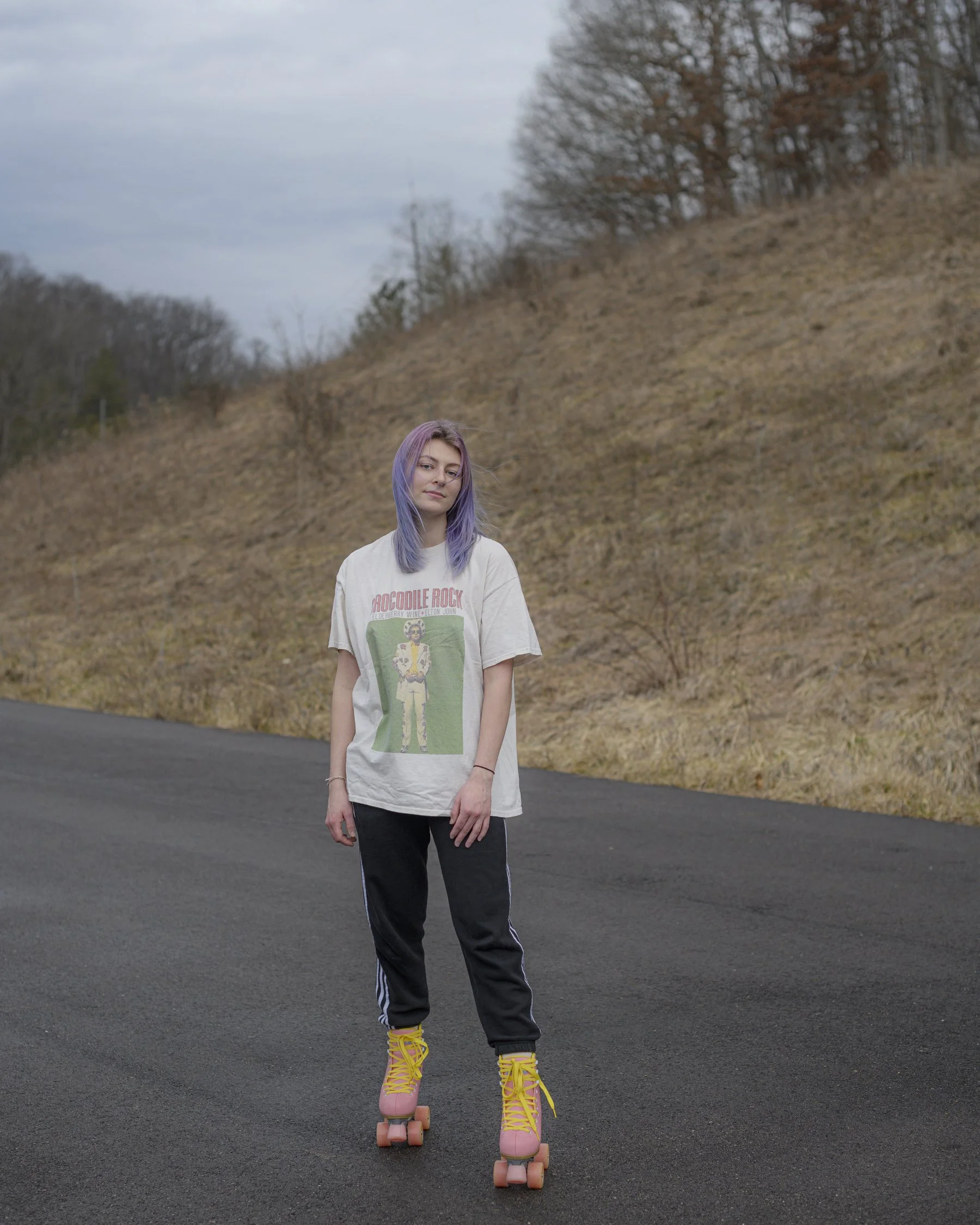
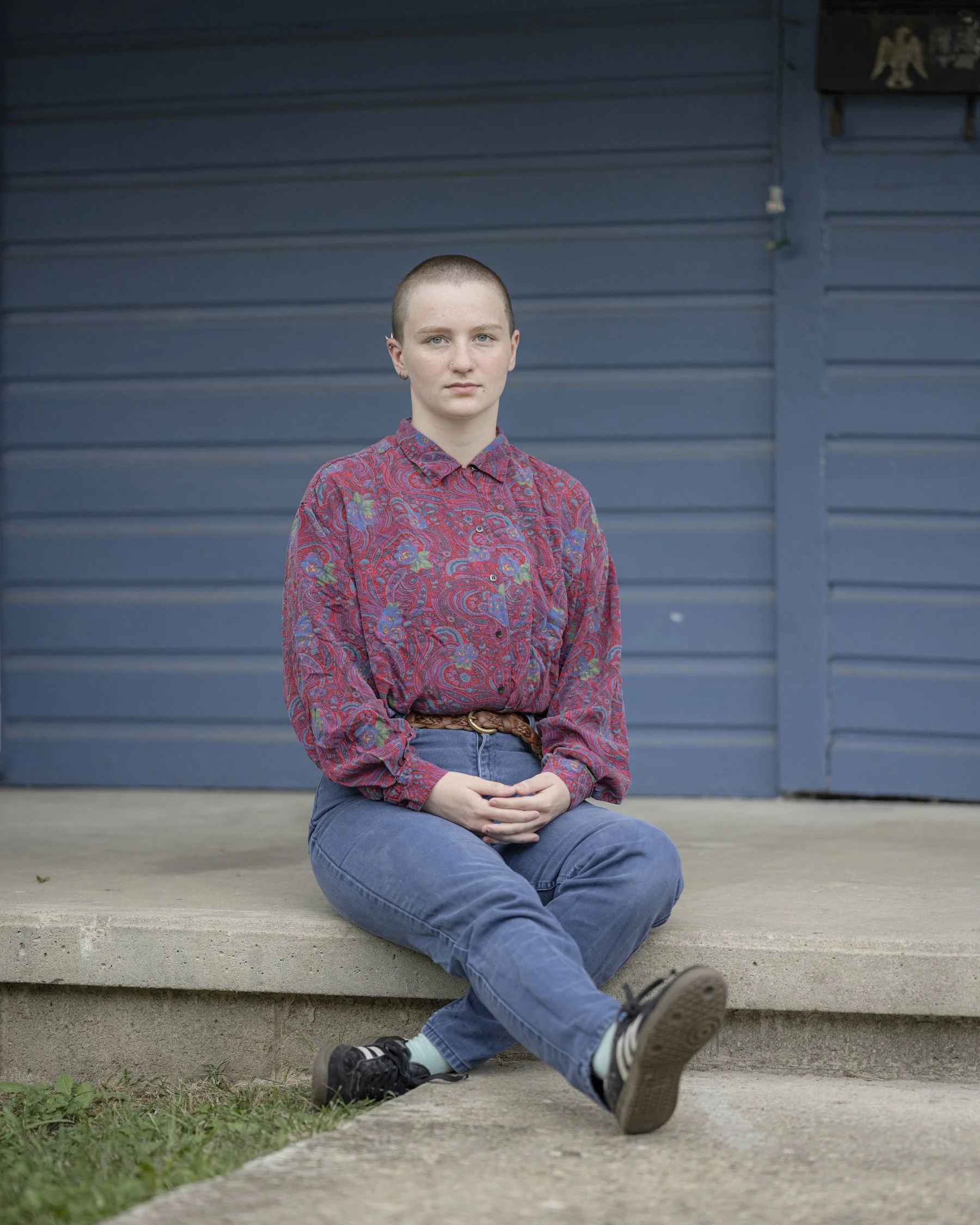
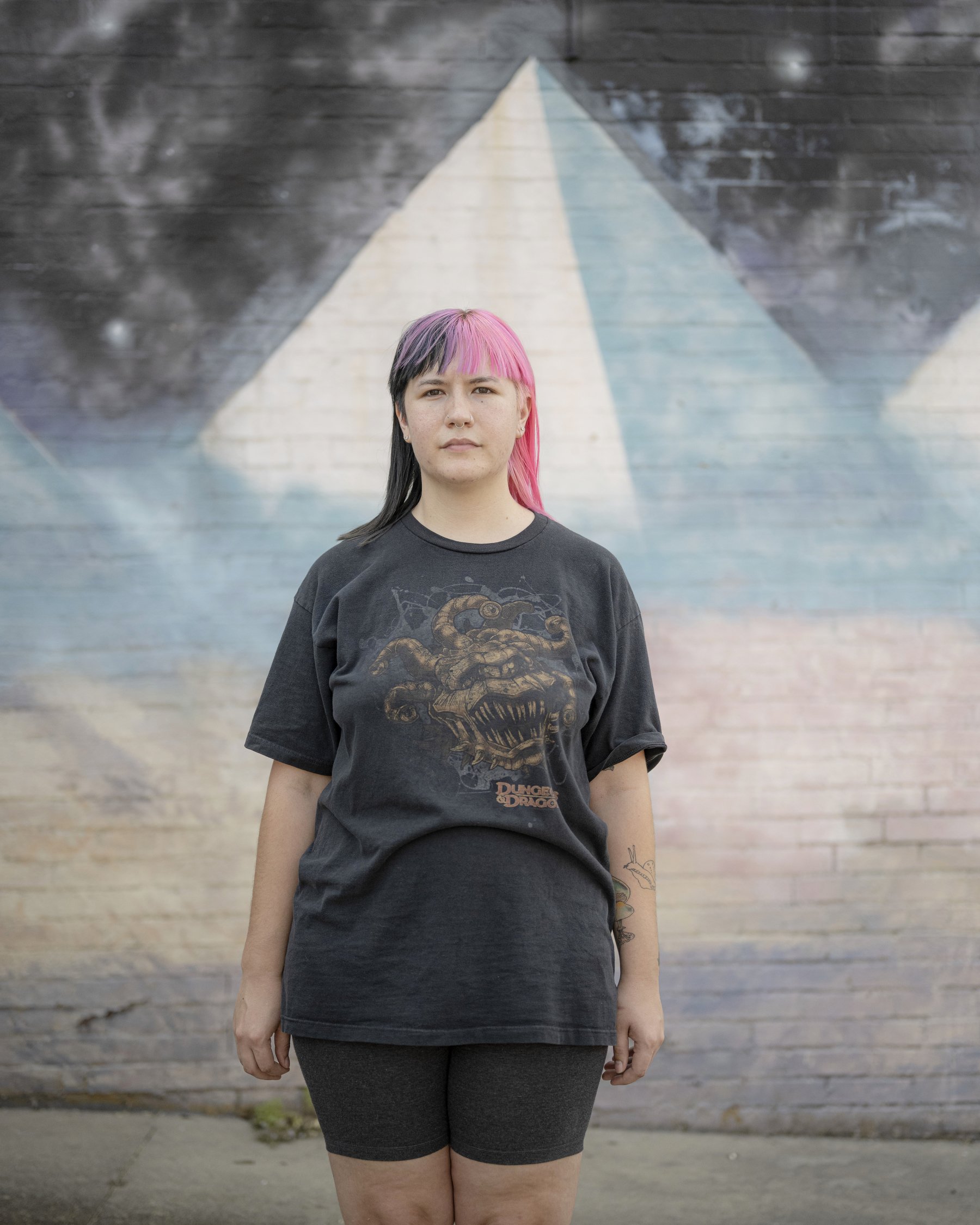
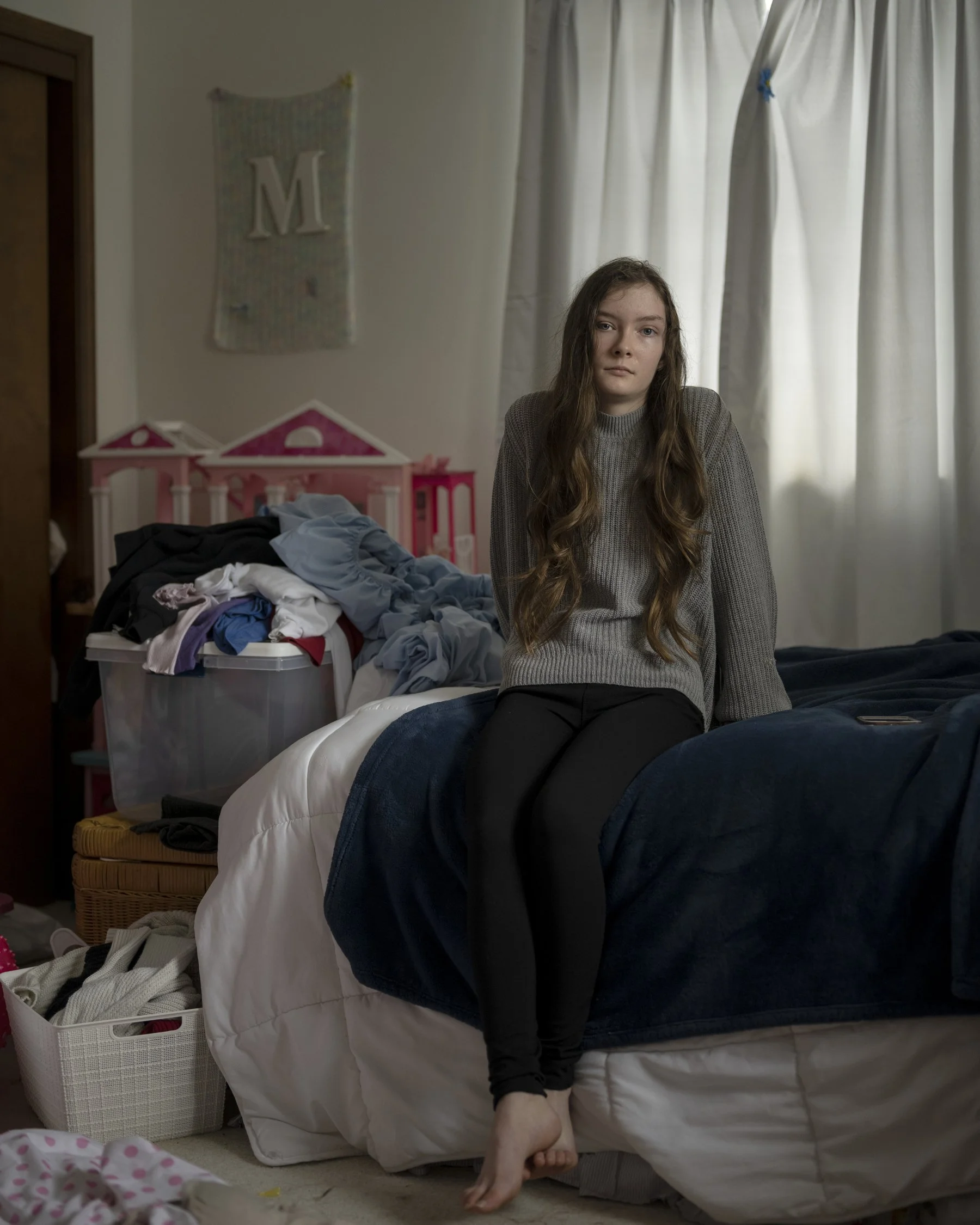
Because of this, I constantly question the nature of my own work. Can a photograph ever be purely objective, or is it inevitably shaped by the photographer’s perspective? Every decision—who I photograph, how I frame them, when I press the shutter, how the images are sequenced and presented—contributes to a narrative. In that sense, the work begins to move away from any fixed notion of truth and toward something more constructed, something that exists between fiction and non-fiction.
I’m not claiming a definitive answer, but I am interested in the tension. Does a photographer’s lived experience, combined with their control over the process, gradually shift an image away from objective truth and closer to a personal interpretation of reality? I think it does—and that awareness is important.
That’s why I try to remain open to new opinions, experiences, and ideas. Not just in my own practice, but in how we collectively define photography—especially within documentary and post-documentary spaces. I approach this with curiosity rather than critique. How can the medium evolve? How can it be more responsive, more inclusive, more honest about its own subjectivity?
There are also moments when that awareness leads me to put the camera down. Sometimes it’s about respect—recognizing when a situation isn’t mine to document. Other times it’s about acknowledging that the presence of a camera would alter the truth of the moment in a way that doesn’t feel right. Choosing not to photograph can be just as intentional as making an image.
Ultimately, I see photography as an exchange. I bring my full self—my experiences, my perspective, my questions—and in return, I hope for something genuine from the people I photograph. It’s in that space between us that the work is formed.
“I pick up my camera when I have a project in mind. It has to light a fire in me.”
We talked about how your projects tend to span around seven years. What really stood out to me was the thoughtfulness behind your commitment, how you evaluate whether a project truly deserves that level of time, sacrifice, and creative energy. Could you share what factors you consider before making that commitment, and why those considerations are essential for you to fully invest in the work?
I’ll start with my partner—my muse, my wife. If I don’t have her blessing, then any idea, concept, or project I’m considering simply isn’t going to happen. Period. Her support is fundamental to the success of my work. What we have extends far beyond traditional roles; it’s a shared commitment across every aspect of our lives. I back her, she backs me—completely. And if that alignment isn’t there, I know there’s a reason. That’s my cue to pause, listen, and really take in her perspective. That’s how we function.
Because of that connection, she has always been deeply instrumental in both the development and execution of my work. When I take on a long-term project—especially a book—we both have to be in a place where we can sustain it. This kind of work demands space, mentally and emotionally. So if she’s not fully behind it, I step back and reconsider. It’s not just my commitment—it’s ours.
At this point in my life, I also have to think about time in a very real way. I’m 53—which isn’t old—but it does sharpen your awareness. A long-form project can easily take five to ten years when you consider everything from concept to making the work, to producing the book, to promoting it afterward. If the next project takes seven years, I’m 60 by the time it’s complete. That reality forces a kind of honesty: How many more projects do I have in me? What do I want them to be? Time isn’t infinite, so the work has to matter.
And the truth is, I’m never the only one carrying a project. My wife, my children, even my close friends—they all experience it alongside me. The highs, the doubts, the setbacks. Even when I try to internalize the harder moments—self-doubt, rejection, the weight of not knowing—they feel it. That emotional presence doesn’t exist in isolation.
So I have to stay aware. I have to regulate how much of myself I give to the work. If the balance starts to slip, I have to ask difficult questions: What is this costing? Is it worth it? Because time and love are finite resources. When you give more to one thing, something else inevitably receives less.
In the end, the decision to commit isn’t just about the strength of an idea—it’s about the life around it. My partner, my children, my relationships, my time. All of that has to be considered before I’m willing to fully step into the work.
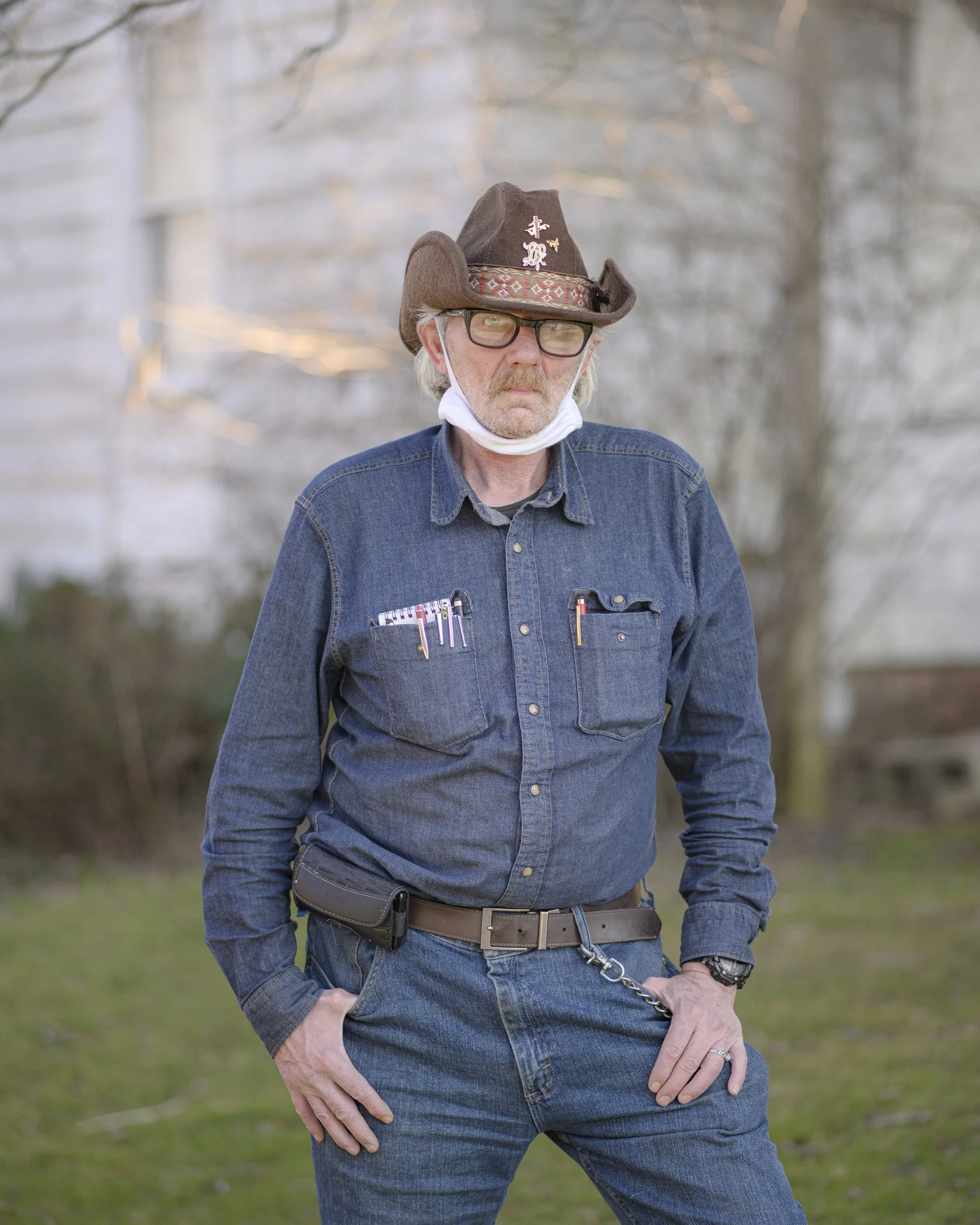
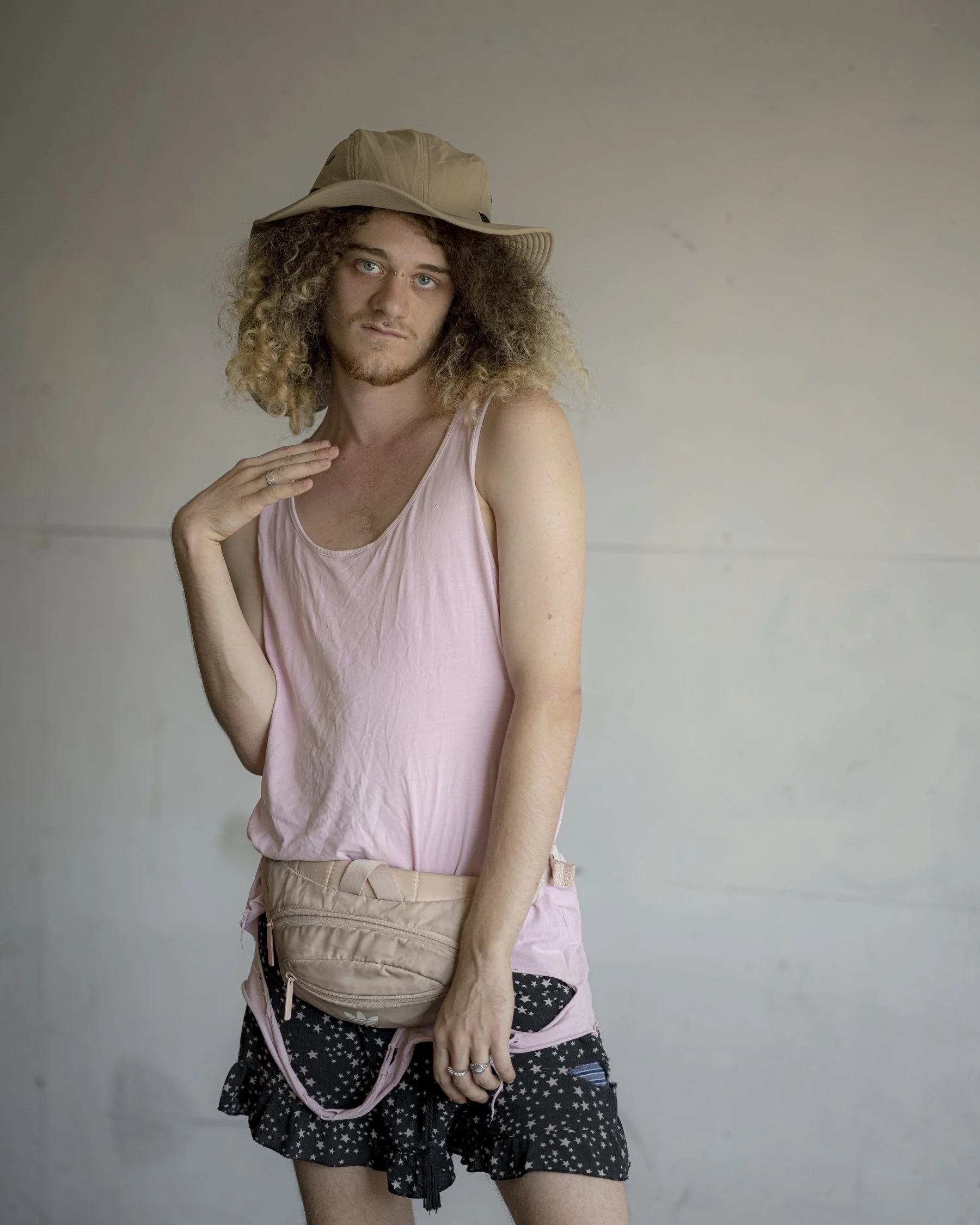
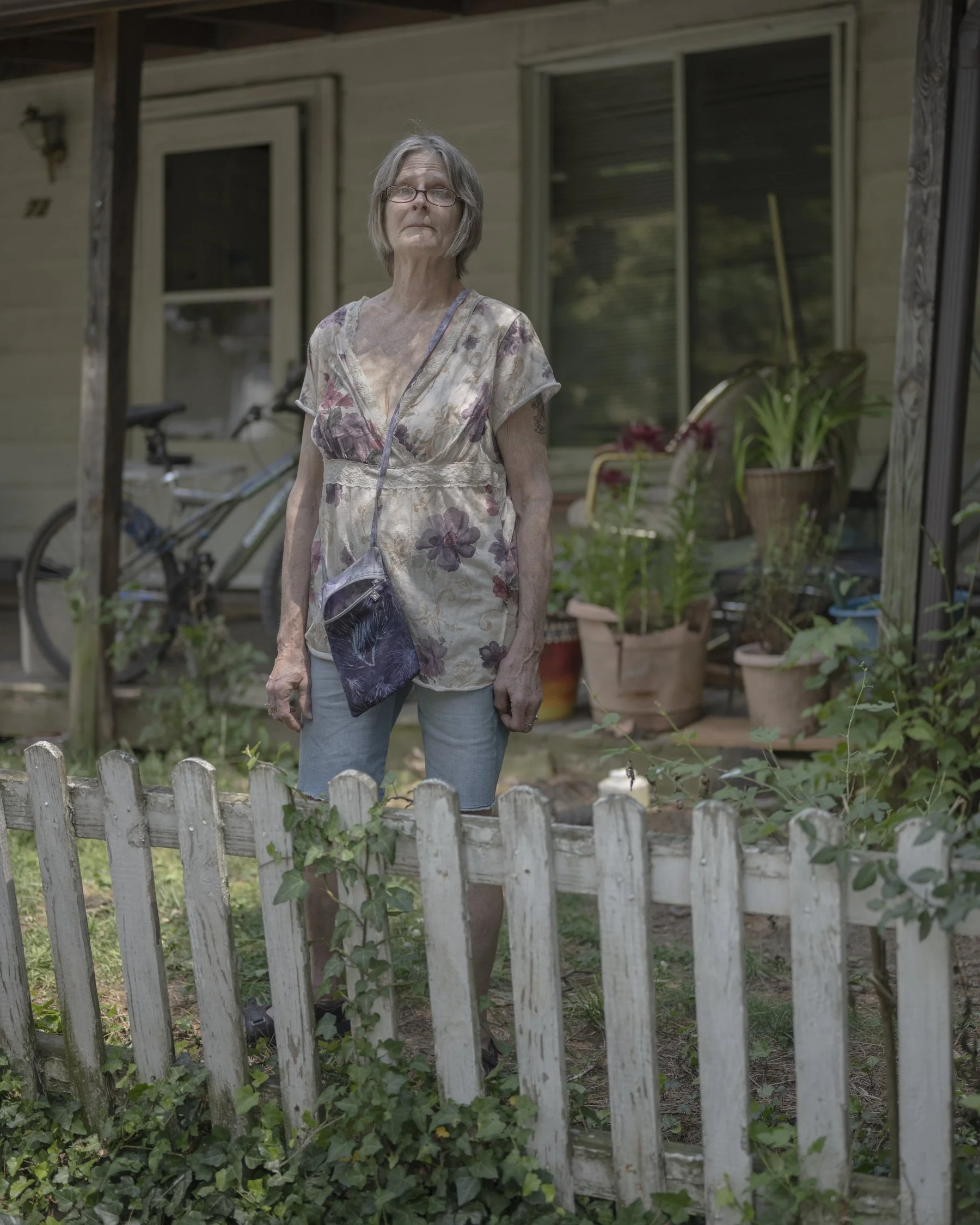
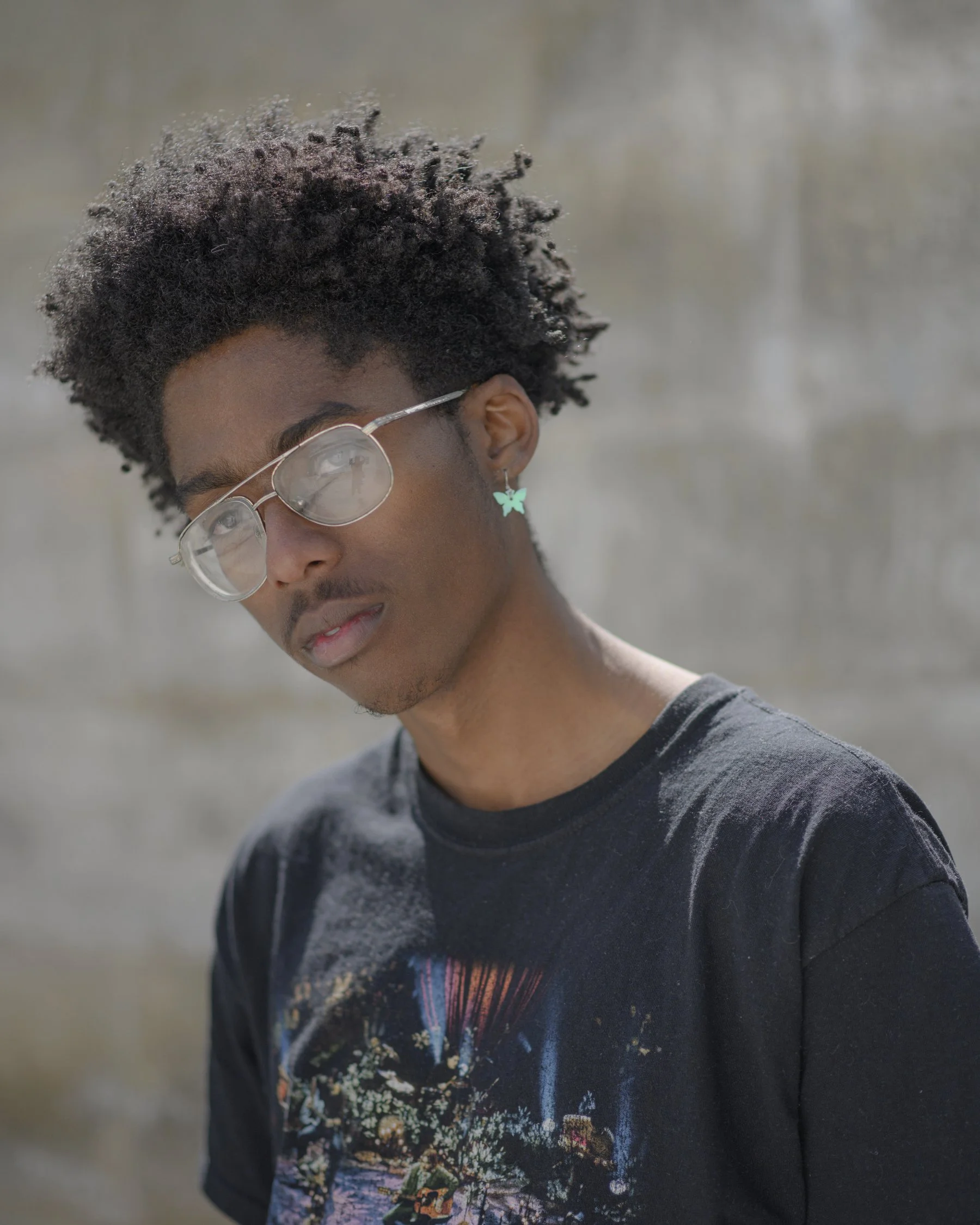
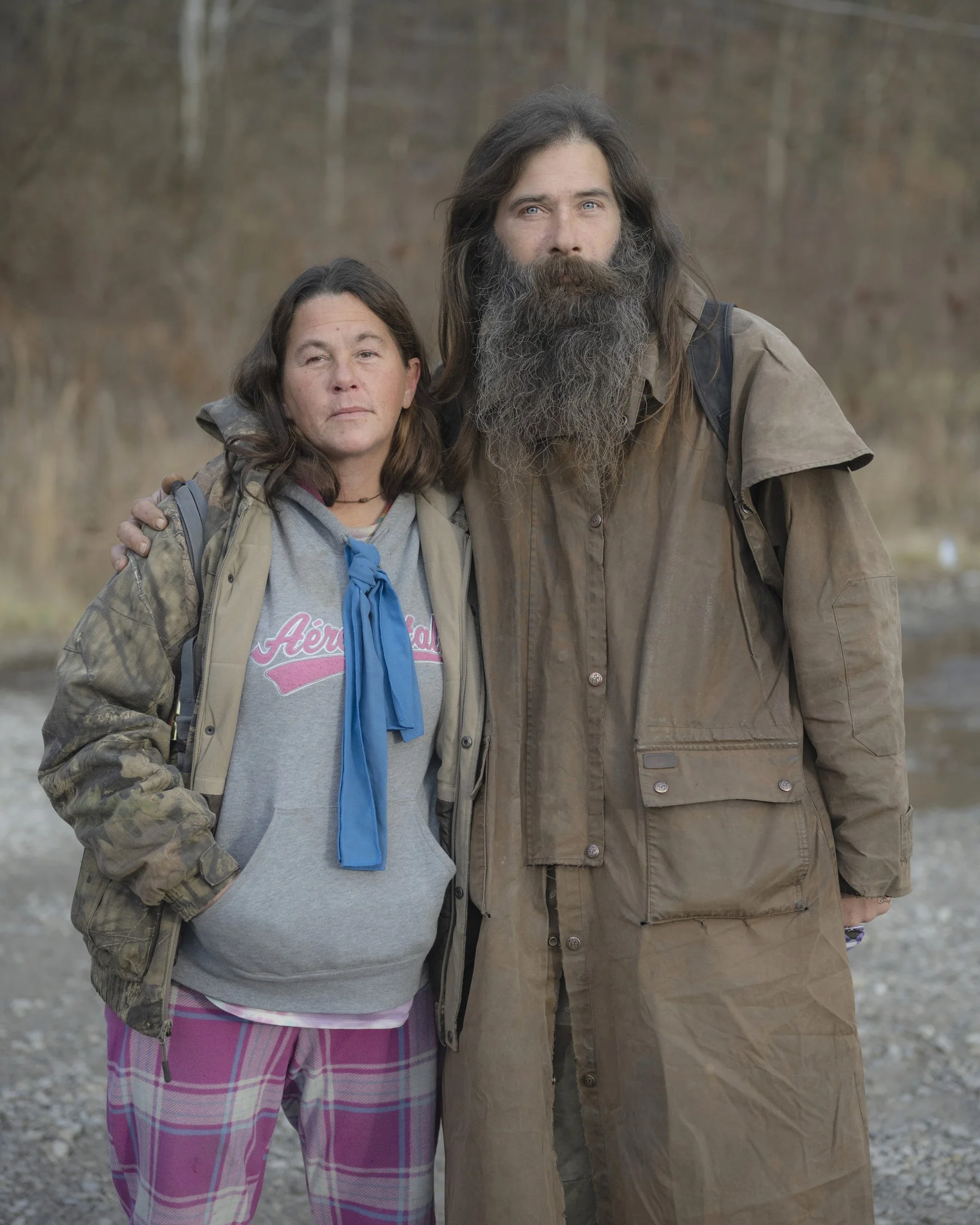
Could you talk about what led you to intentionally step away from making work for a year? You mentioned it allowed you to let go of the pressure to prove yourself, what was the internal dialogue that guided that decision, and how did it ultimately benefit you?
I intentionally stepped away from making work for about a year during a major transition in my life—moving from full-time photojournalism into a role in communications and marketing at a medical college. After nearly two decades of constant motion—chasing the next assignment, the next publication, the next opportunity to prove myself—I found myself ready for a different pace.
For the first time in a long time, my life had structure. I worked 8–5, Monday through Friday. I wasn’t on call. I had weekends. I could make plans with my family and actually keep them. I spent time working on our homestead, skating with friends, engaging in parts of life that had always been there but often came second to the demands of the profession. That shift alone was grounding.
But the deeper shift was internal.
When I stepped away, I was asking myself some difficult questions: Do I even want to continue making photographs? And if I do, what does that look like now? For so long, my work had been shaped—edited, even—through the lens of a client base. My visual voice was tied to the expectations of photojournalism. After twenty years in that space, it’s hard to separate what is truly yours from what has been conditioned.
That year gave me the distance to start untangling that.
It also gave me permission to stop forcing it. I think that’s important—this idea that you don’t always have to be producing, proving, or pushing. At some point, the work can start to feel like a burden instead of something generative. And when that happens, you have to pay attention. Stepping away allowed me to release both external pressures and the internal ones I had placed on myself. I wasn’t trying to meet expectations anymore—mine or anyone else’s.
In that space, I began to understand that photography didn’t have to be the sole thing defining me. I could just live. And in living—fully, without agenda—I felt a kind of holistic reset.
Then, slowly, something shifted again.
I started seeing images everywhere. At first, I resisted it. I wasn’t ready to return. But the impulse wouldn’t leave me alone. It wasn’t about proving anything anymore—it was something quieter, more persistent. A kind of calling.
That’s when I began making work that would become Black Diamonds.
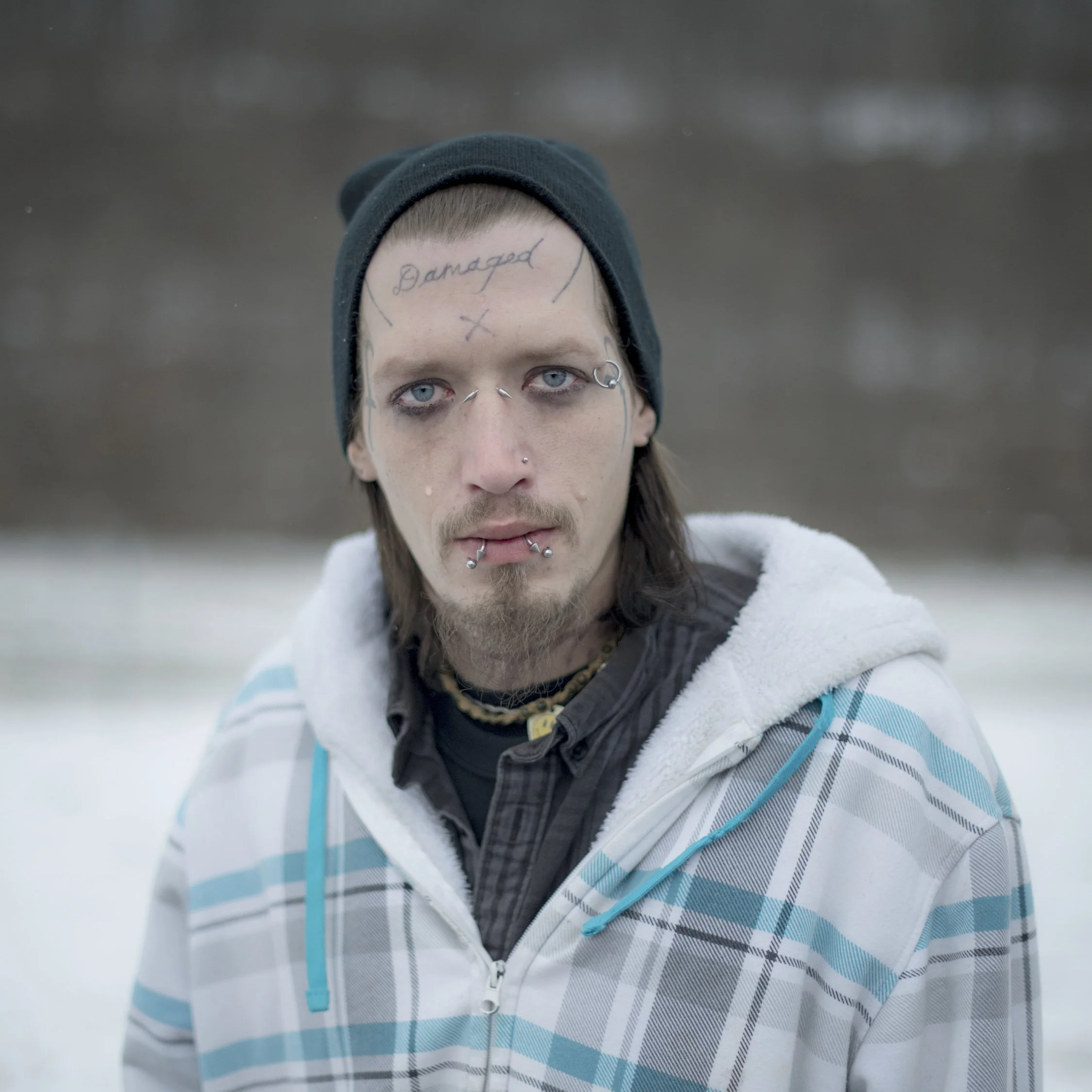
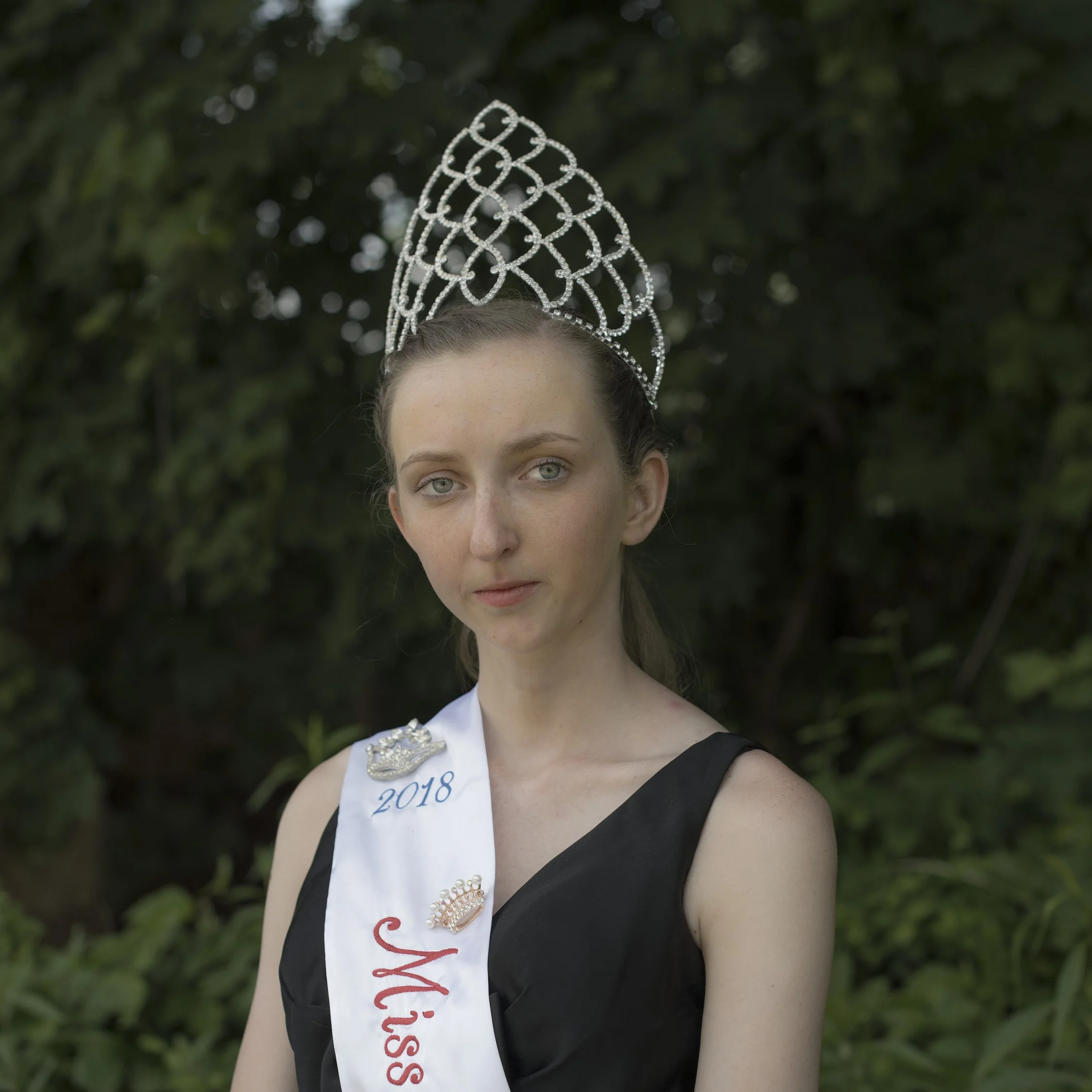
That body of work marked a turning point. It allowed me to explore a more internal voice—something less tethered to the conventions of photojournalism and more aligned with how I was experiencing the world. The process felt organic, almost inevitable. What emerged was a shift—both aesthetic and philosophical—toward a more post-documentary approach.
In the end, stepping away wasn’t about leaving photography behind. It was about creating the space necessary to return to it differently—with clarity, balance, and a deeper sense of purpose.
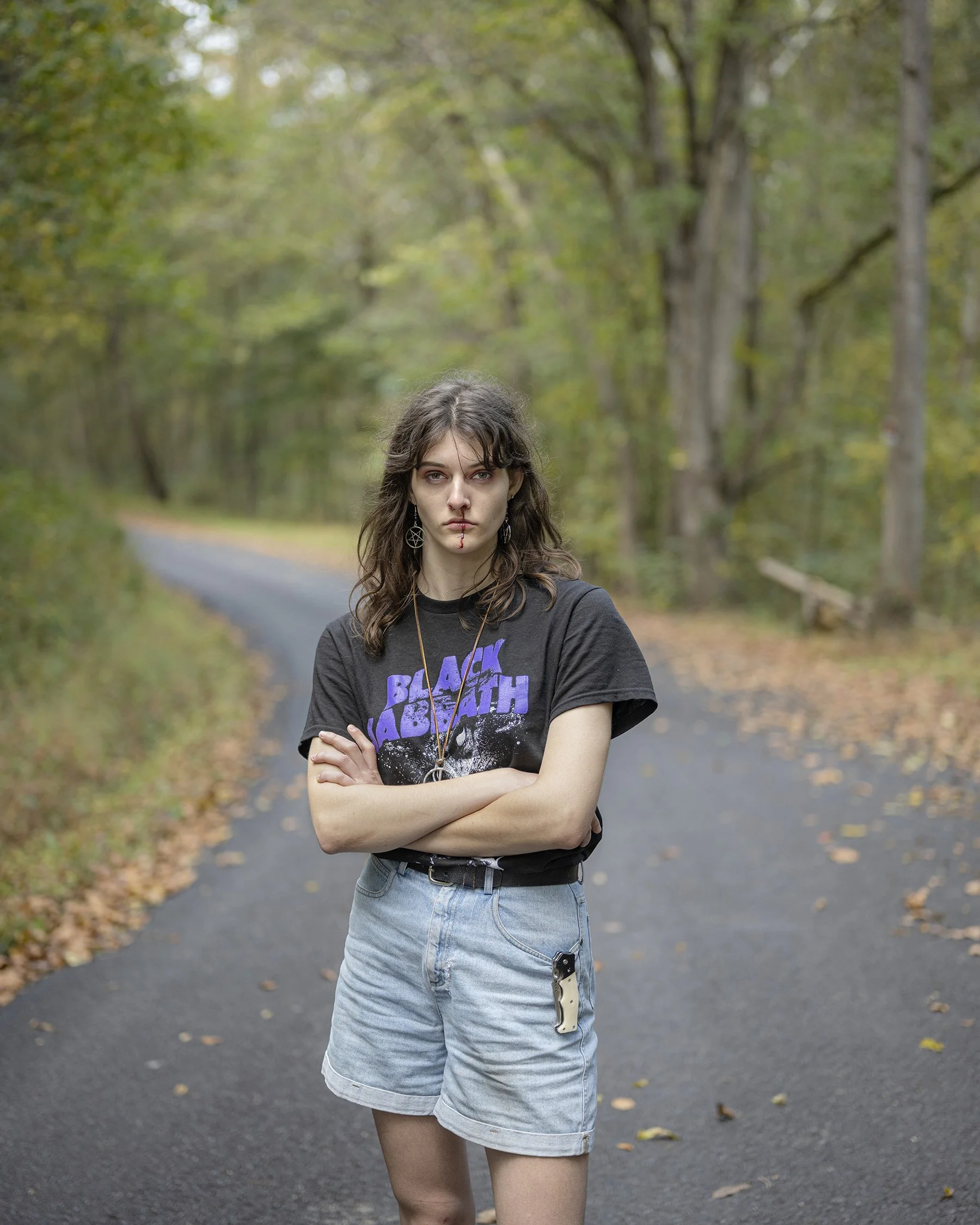
We both work in communication and marketing, and part of our conversation touched on how that background shapes the way we approach our own creative practices. You mentioned the importance of being accountable for what you say as a storyteller, how does that sense of responsibility stem from your career, and how does it show up in the way you approach your work?
The importance of being accountable for what I say or share as a storyteller didn’t start with photography—it started with how I was raised. My parents had their shortcomings, like anyone, but one thing they were clear about was accountability. Good or bad, you own what you do. No excuses. And if you feel like you have to hide something or lie about it, then you probably shouldn’t be doing it in the first place. That idea—check yourself and come correct—has stayed with me.
Later, when I became a staff photojournalist at The Virginian-Pilot in Norfolk, where I grew up, that lesson took on a new weight. I was working in the same community that raised me, with my last name attached to every image I published. “Facun” isn’t a name you can disappear behind. People knew my family. They knew me. And they paid attention. If I missed something or got it wrong, they weren’t shy about letting me know—and I respected that. At the same time, when the work resonated, I heard that too. There was a real, direct feedback loop. It made the responsibility tangible.
That experience shaped how seriously I take what it means to represent others.
Now, working in communications and marketing, that sense of accountability has expanded. I’m not just thinking as a photographer—I’m also thinking in terms of messaging, audience, and strategy. I understand more clearly how images function within a larger framework: how they communicate, how they persuade, how they can reinforce or challenge perception. That awareness carries directly into my personal work.
It absolutely affects what I choose to photograph—and what I choose not to photograph. Especially when working within marginalized or underrepresented communities, I’m hyper-aware of the implications of representation. How am I framing this place, this person, this moment? What am I contributing to the narrative, intentionally or not?
That responsibility doesn’t stop when the image is made. It becomes even more critical in the editing and bookmaking process. When I’m sequencing a body of work—whether short or long form—I’m constantly thinking about how meaning is constructed. The pairing of images, the order, the juxtapositions—these decisions can shift interpretation entirely. One photograph next to another can create a narrative I never intended.
So I have to be precise. I have to be honest.
Because at the end of the day, if the work says something I don’t stand behind—whether through carelessness or oversight—that’s on me. And that brings it right back to where it started: accountability.
One thing I think is important to highlight, especially for anyone who stands in similar shoes, is how you spoke about moments in your life when you couldn’t quite envision certain paths for yourself. Not from a place of doubt, but because those possibilities didn’t feel like a natural progression at the time. I think many people experience this, where it’s hard to picture ourselves in certain roles or futures because of how we see ourselves.
How has life surprised you in that regard, and what advice would you offer to someone who is presented with an opportunity they want, but struggles to believe it could actually become their reality?
In my own life, I never imagined becoming a photographer, a college graduate, a photojournalist, a business owner, an author, a publisher, or a steward of land. At 17, I was failing high school and working a minimum-wage job I was about to lose after being falsely accused of theft. Mentally and economically, I wasn’t in a place where those kinds of futures even felt possible.
My reality was simple: I needed stability. I needed a decent-paying job or a trade—something that would allow me to take care of my growing family. I wasn’t thinking about college. I had no plans to go. I wasn’t dreaming—I was trying to survive. I had a baby on the way, and I needed to graduate and start earning money as quickly as possible.
But life had other plans.
I eventually went to college. I picked up a camera, and within a year, everything changed. I went from cleaning gutters to having a byline in a newspaper through a paid internship. It was surreal. Almost overnight, I transitioned from being a working-class kid in my late twenties to winning awards, making a living as a photojournalist, and receiving job offers from editors who wanted me on their teams.
Life has surprised me more than once—but that moment remains one of the most profound. I’m grateful to be here and thankful that life, in its own way, has been kind to me.
If I could offer advice to someone facing an opportunity they deeply want—but struggle to believe is truly possible—I would say this:
“Believe in yourself, even when it feels unfamiliar. Trust your intuition. There’s a part of you that often recognizes truth before you’re ready to accept it consciously.”
Everything you need to move toward your goals already exists within you. Yes, there will always be external obstacles—circumstances, setbacks, doubt—but those forces are outside of you. The power to continue, to adapt, and to grow comes from within.
Make thoughtful, calculated decisions. Learn from every experience, whether it feels like progress or failure. And build a community—starting with yourself. Then expand outward with intention. It takes a village, but you have the ability to choose who and what becomes part of yours.
Sometimes the life you can’t yet imagine is the one already beginning to unfold.
Keep up to date with Rich-Joseph’s latest work here:
Website
Instagram
Purchase his latest book 1804, here:
Liars Corner