
Ruthie Brownfield
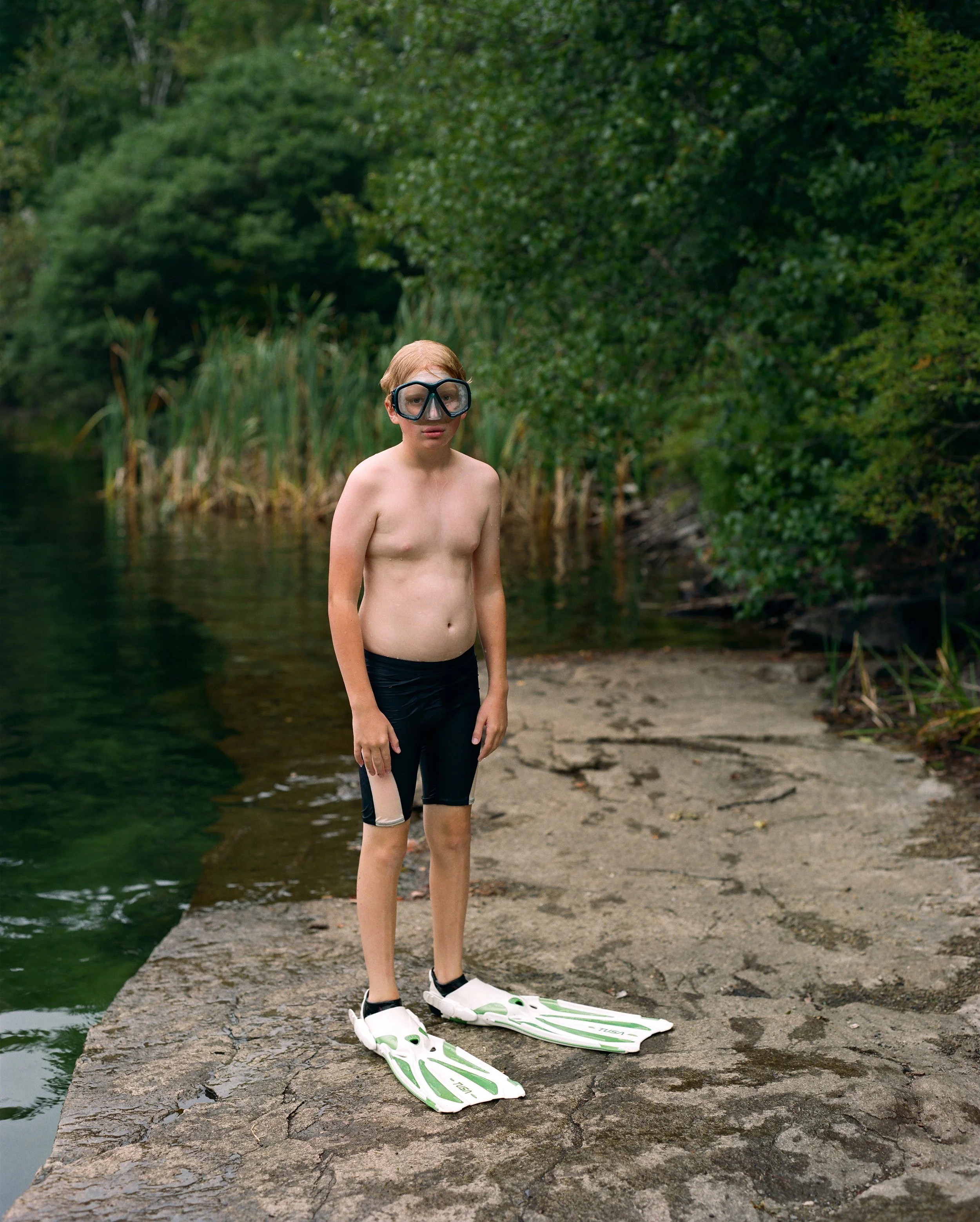
In my conversation with Ruthie Brownfield, we kept circling back to a question many of us wrestle with: what does it really mean to call yourself an artist? Is that identity something you claim for yourself, or is it something others assign to you? Does it depend on making a living from your work, or is it simply a calling, something you feel compelled to do, regardless of labels? What I appreciated most about Ruthie’s perspective was her willingness to explore these questions while also emphasizing the importance of not overthinking them.
The work I feature on Anywhere Blvd centers on portraits by artists who don’t see strangers. For many of us, though, approaching the people we photograph can feel daunting. Ruthie is one of the first people I’ve interviewed who doesn’t share that hesitation, and it seems linked to her ability to move forward without overthinking.
This interview explores photography as both an instinctual act and a space where even the smallest doubt can pull us away from what we crave most, connection. Ruthie reflects on how the question, “What are you going to do with these photographs?” can mirror the feeling of, “Am I really a photographer if this isn’t how I make my living?” What I admire most about Ruthie is her willingness to sit with these questions and search for the answers. In many ways, beyond our desire to connect, learn, and understand one another, isn’t that what all of us are searching to answer when we pick up a camera, our why?
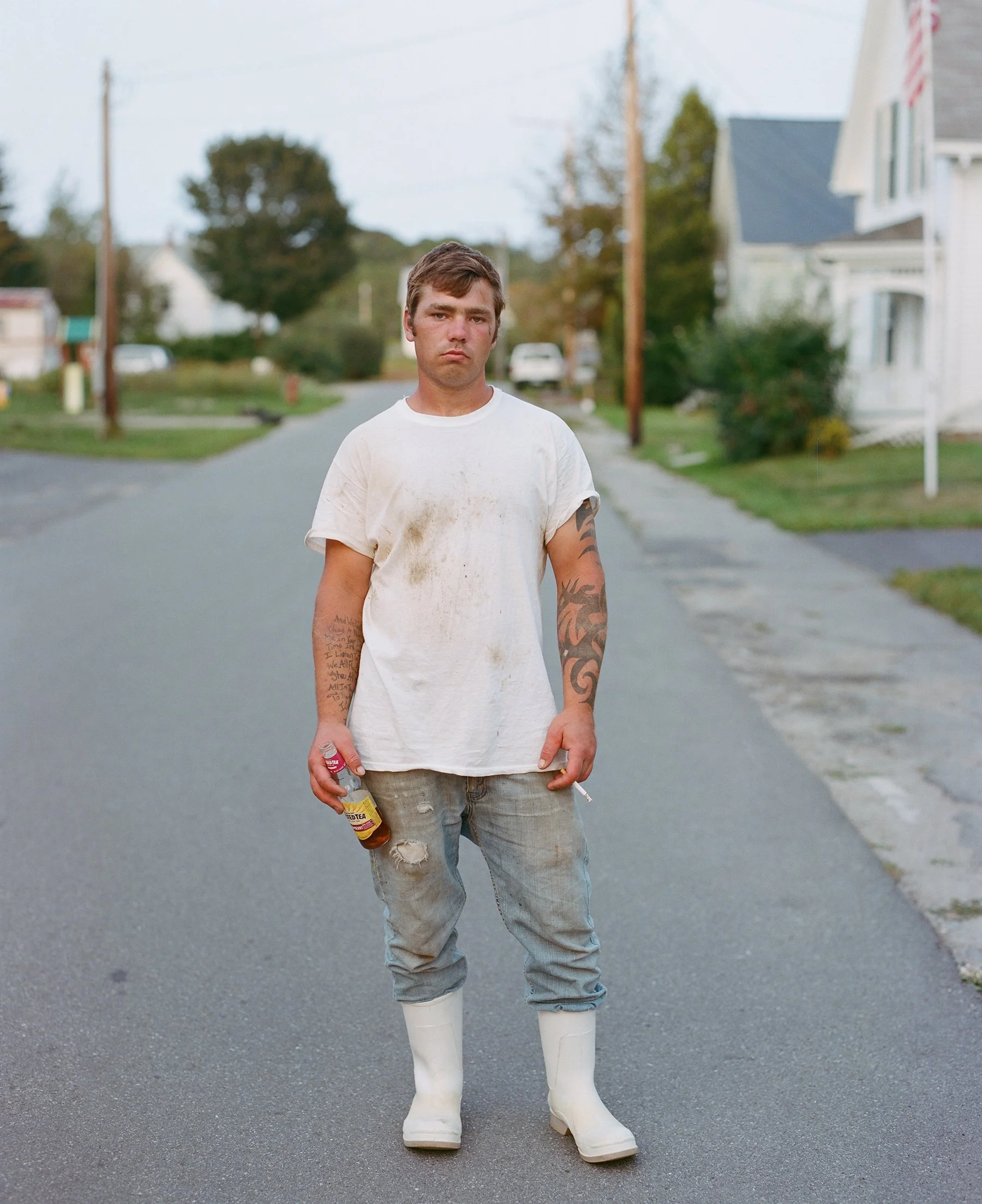
At the start of our conversation, you described being at a crossroads, figuring out where to call home next, and that naturally led into what it feels like when someone you photograph asks, “What do you do with these pictures?” It’s a question that can feel both expansive and overwhelming, making you wonder if you need a clear, definitive answer. Could you introduce yourself through that experience, what it means to you to feel compelled to document the world?
So much of my photography feels instinctual and hard for me to put into words. I am naturally a very visual person and I find my eye is always tracking the people and places around me. When shooting or even when just going about my day, my eye will be drawn to a person, an interesting face, what they’re wearing, the way they carry themselves, how comfortable or uncomfortable they are in their skin, and instinctively I want to isolate and capture that moment. As a curious and empathetic person, I am interested in human nature and how we function societally. I studied Sociology in college and that’s what led to my first body of work. My mother’s first cousin was schizophrenic and I began to visit her at the retirement halfway house where she was living in Los Angeles.
The portraits I made at the halfway house brought together my growing interest in photography as a way to document human connection with my background in sociology. Security was minimal, so I was free to wander the halls and spend time there organically. The more often I returned, the more I came to know the different residents. They seemed to have an abundance of time and were often overlooked, but I saw incredible stories in their faces and gave them my full attention.
Many of the people living there struggled with mental illness and carried an awareness of being cast aside by society. Through those experiences, I realized that portrait photography is about far more than simply making an image. The camera became a way of accessing closeness and connection. It gives you permission to remain in a space longer, easing the awkwardness by providing an “obvious” reason to be there. But the real purpose is the relationship itself, the act of truly seeing someone and learning from them.
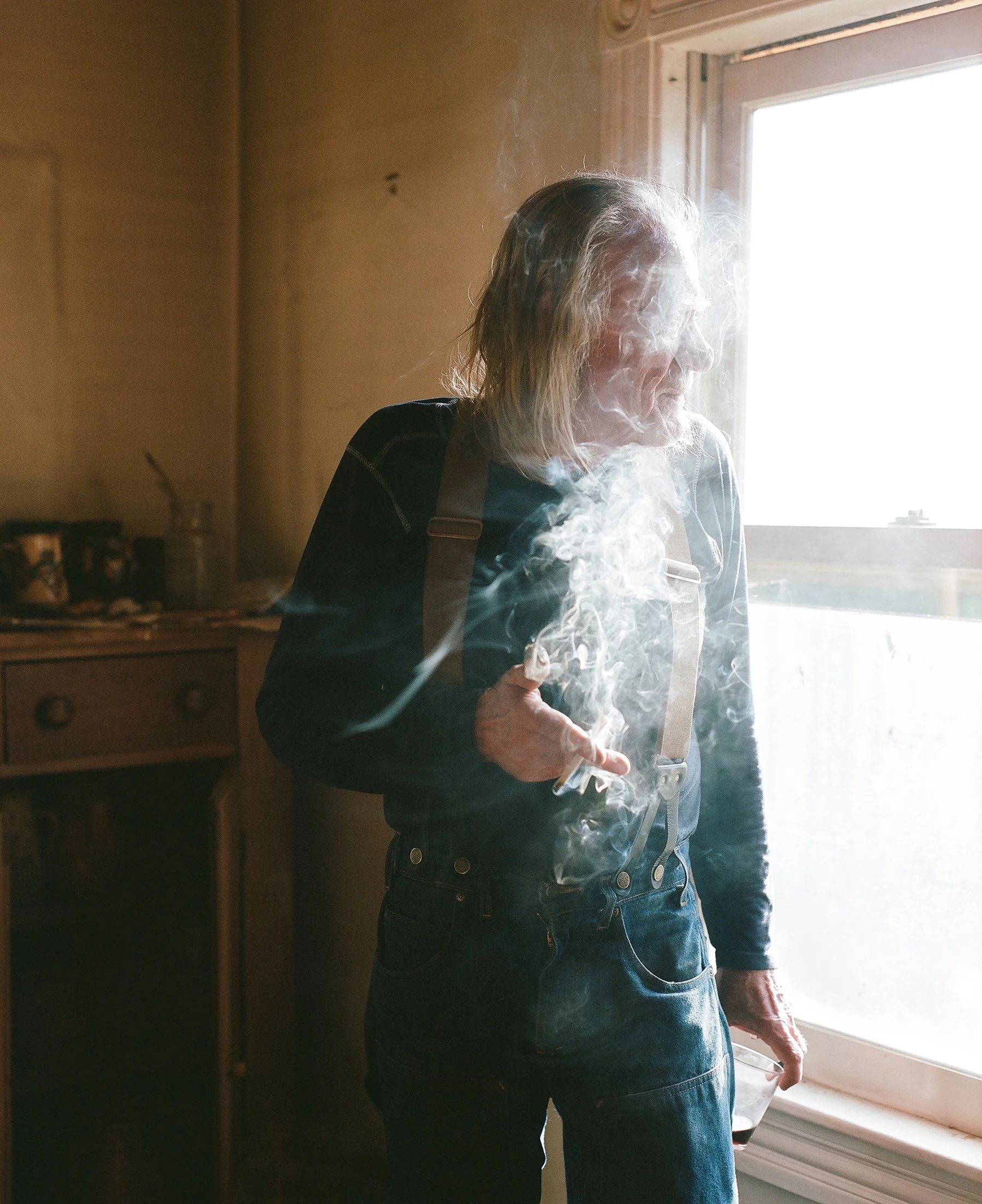
As we spoke, you shared a moment from your commute that stayed with you, a situation where your internal dialogue was actively encouraging you to approach and photograph someone who caught your attention. That story stood out to me because, while you don’t seem to overthink your approach, it revealed the energy and effort it still takes to step forward, make the ask, and, if they agree, shift your focus fully into creating the portrait. Can you talk about the energy it requires of you, how it can be both exhausting and fill one’s cup at the same time?
Usually when I see someone that I want to photograph, I have little issue with approaching them and introducing myself and my intentions. First impressions are super important; people are sizing us up the second we begin the approach. I think my genuine enthusiasm for what they emanate as a person comes through and at the very least it opens the door to conversation. With that said, it does take energy and courage to approach a total stranger and some days, I have less enthusiasm for it than others. I recently came across a striking person on the subway that I wanted to approach, but it was the end of a busy day, we were on a crowded train, and I had gotten a seat. We both got off at the same stop, but they went one way and I the other, and I talked myself out of chasing them down. The thing is I don’t think you can hesitate when the impulse strikes. It can kill the momentum and fill it with doubt.
I truly love the connection with strangers that photography brings, especially in this increasingly isolated public sphere we currently reside in. I recently moved to NYC from LA, where everyone always talks about how isolated life is there with everyone in their little bubble of a car, but the majority of people I come across on the subways here are building their own bubble too. They may sit in close proximity to others, but they have their noise cancelling headphones on, their heads are down, and they are interacting with their phones instead of their fellow passengers. It makes for good people watching, but doesn’t seem to be bringing us any closer as a society.
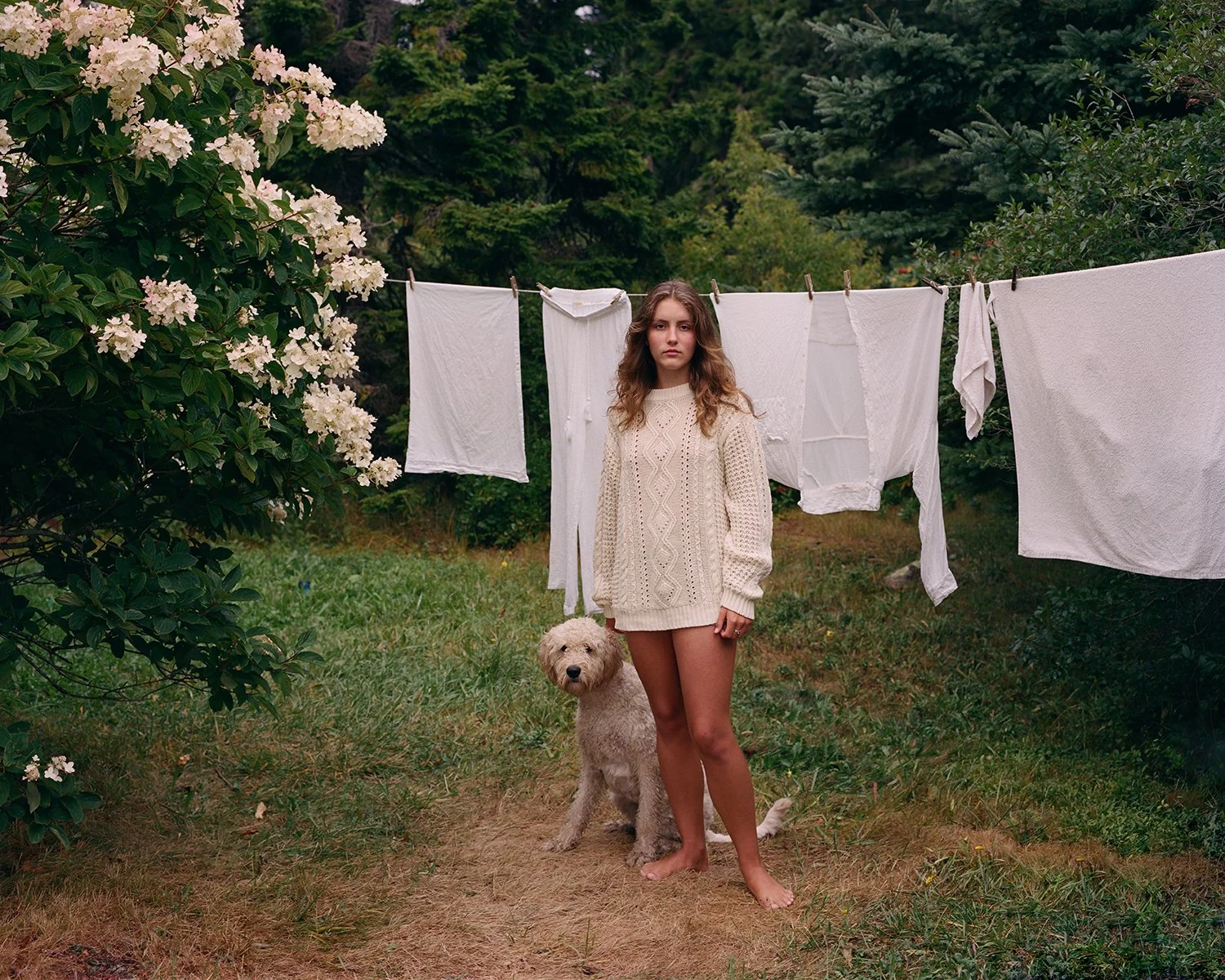
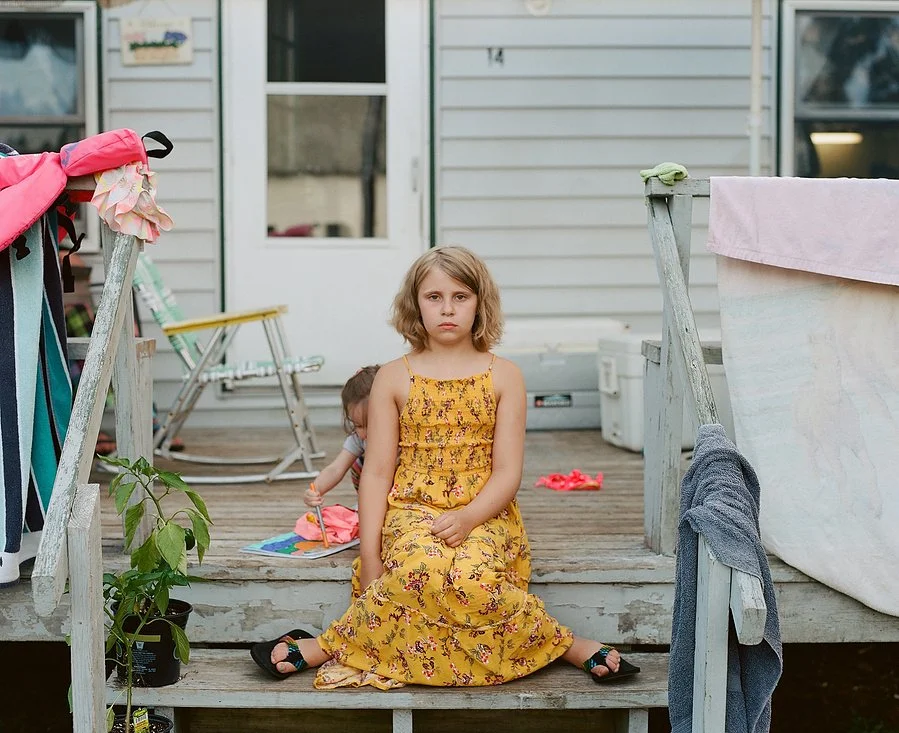
Looking at your work, I noticed how many of your portraits feature women. What draws you to primarily photograph women, and what have you learned through that focus?
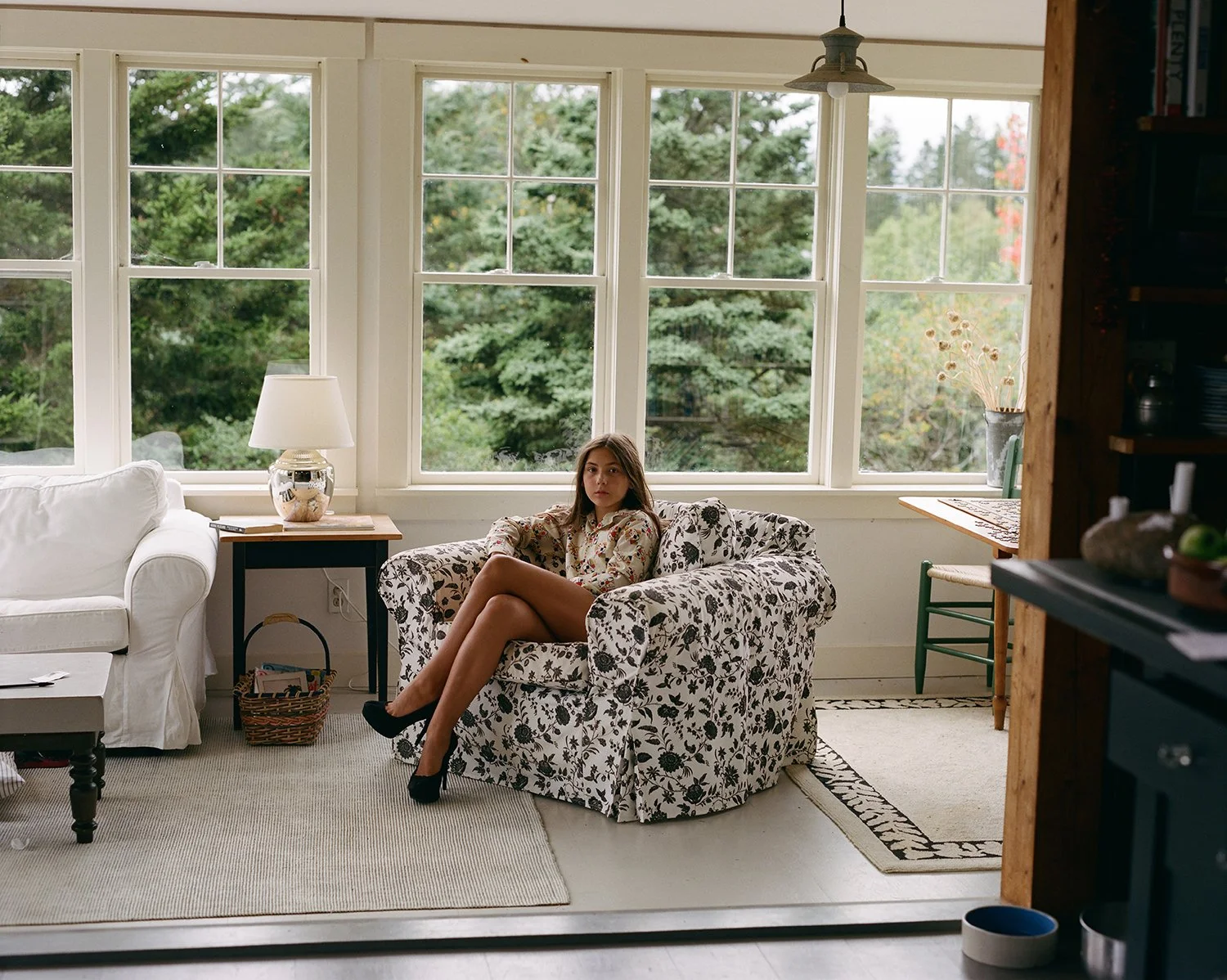
I do find that I am often drawn to photographing women, especially girls on the cusp of childhood and adulthood. There is an inherent awkwardness and vulnerability to this transitional phase of life that I am attracted to. There is so much in front of them and they are still discovering who they are and how they want to present themselves to the world. I find their stillness and honesty so touching. There is also often an inner fierceness that is striking and I have been encountering it more frequently in young women these days. In many ways, these girls act as a conduit to my own childhood and cause me to reflect on the little girl I once was and could have been.
Since childhood, I have been drawn to sentimental narratives in fiction and film and I think this translates into my photography. Intimacy, loneliness and the melancholiness inherent in life all interest me. I lost both of my parents relatively young and I think this just made the calling stronger. One of my favorite concepts is the Japanese expression, mono no aware, which speaks to a sensitivity of the impermanence of things. And what’s more bittersweet than youth?
As a portrait photographer, I strive to capture the quiet, unguarded moments and connect to the subject’s inner world. My approach is rooted in documentary photography and I’m more interested in capturing real life and the little imperfections and quirks in which beauty can be found.
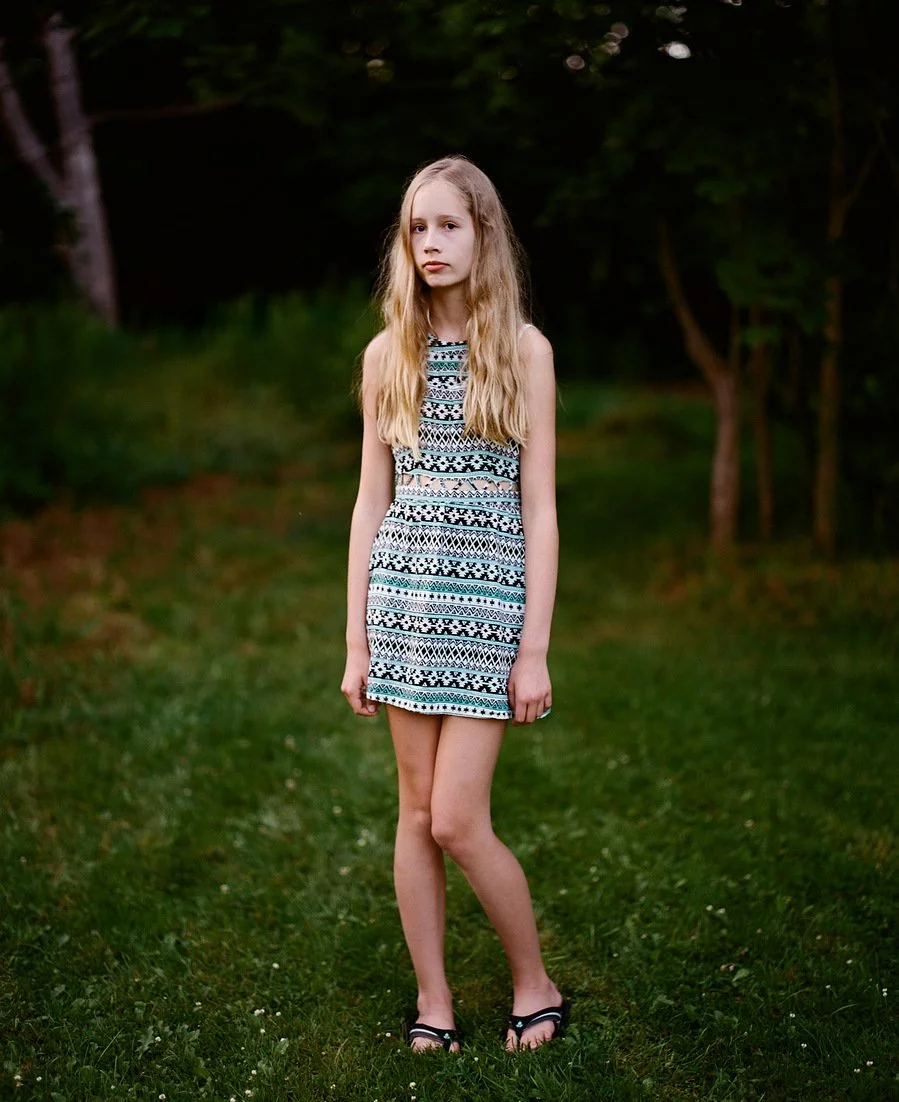
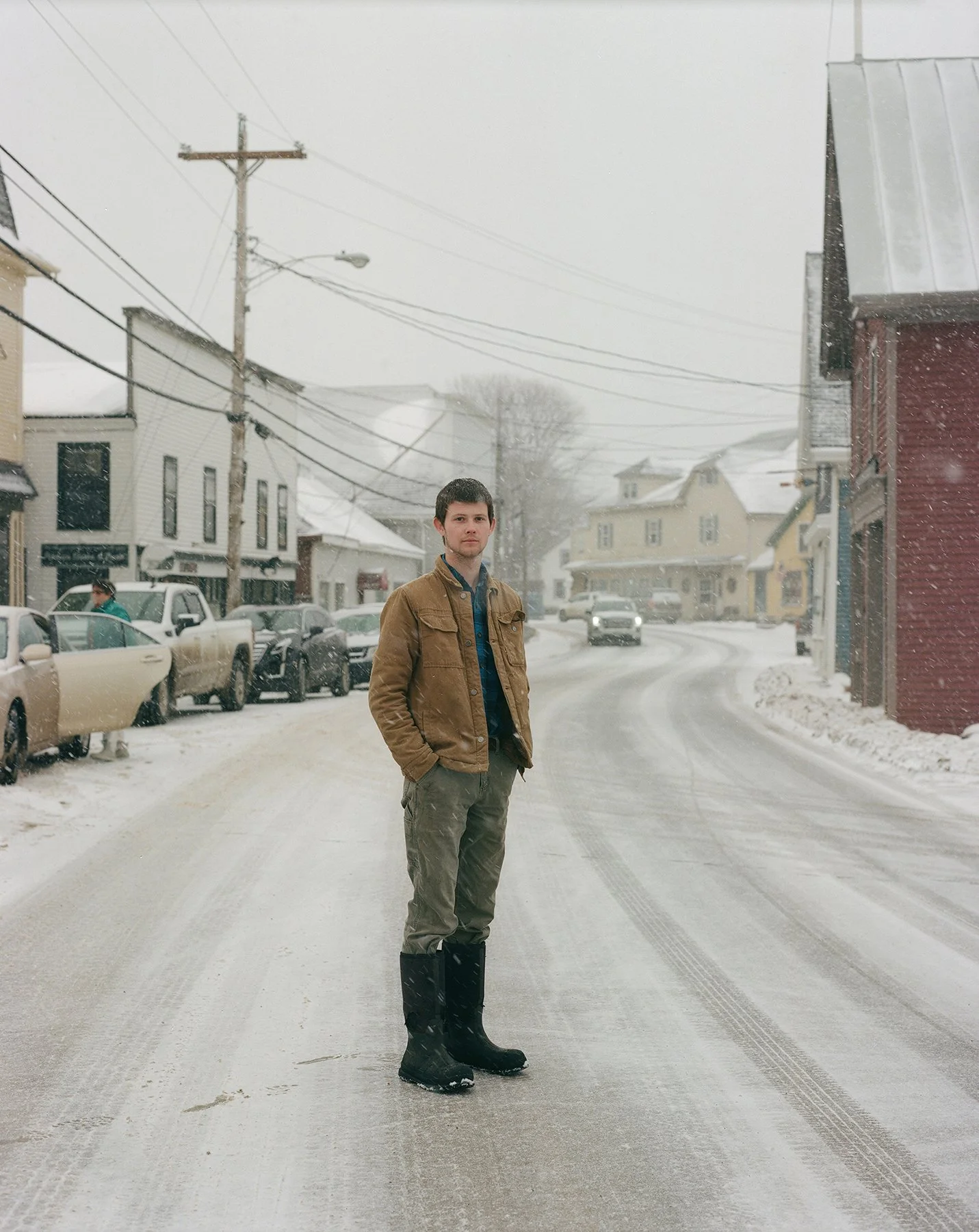
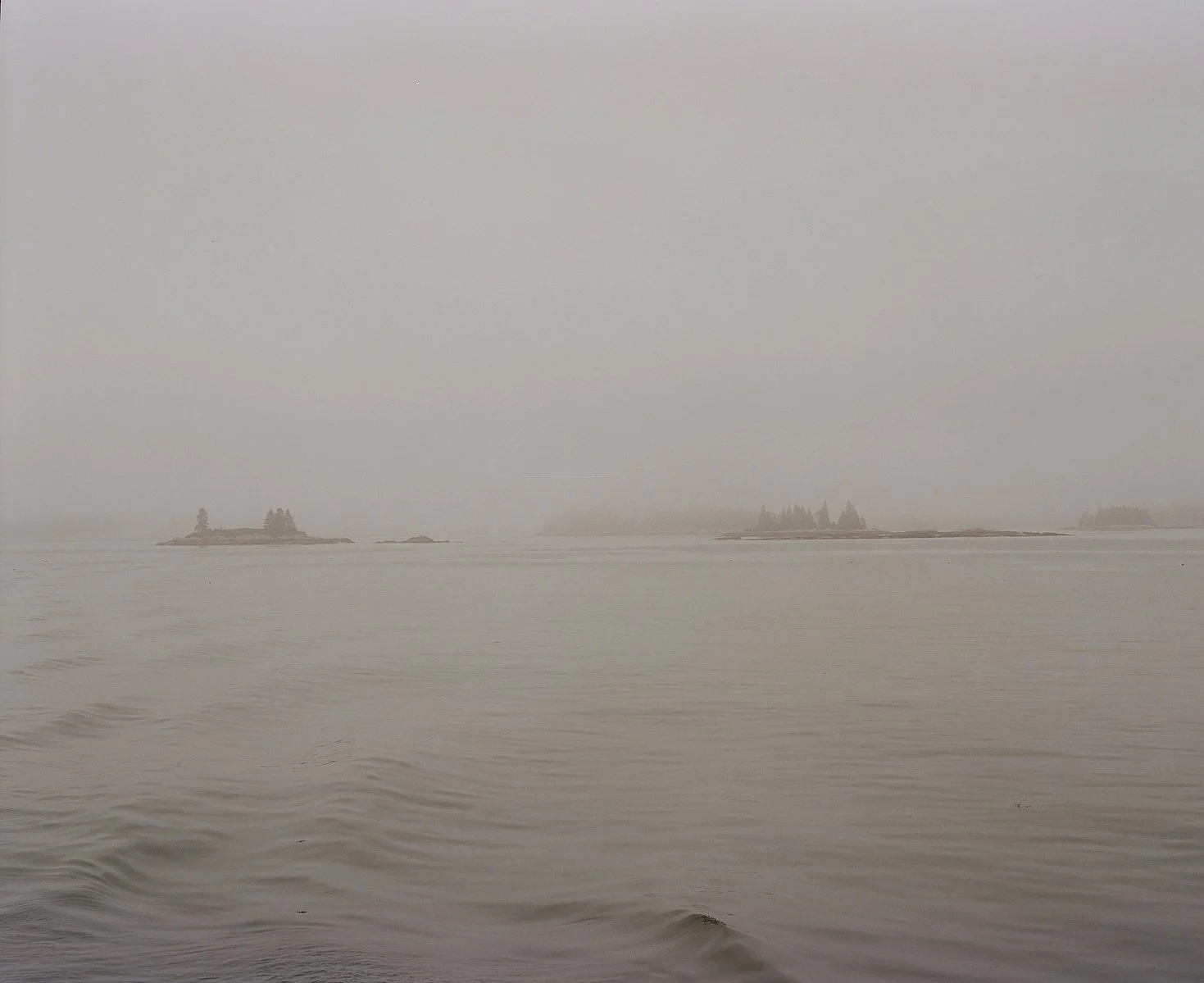
Your ongoing series Vinalhaven explores life on a small island in Maine. How long have you been working on this project? What has surprised you most about returning over time? And how has revisiting the island across different seasons changed the way you see a familiar place anew? What has Vinalhaven given you and what have you given it? Describe that relationship.
Years ago I took a photo workshop with Mary Ellen Mark. She was encouraging of my portraits and pressed me to return to my subjects. This advice stuck with me. My Vinalhaven series grew naturally out of a love of a landscape and its people. This is a remote island in Maine I have been returning to for over a decade. It is a place that feels out of time and when I am there, I live differently and my senses feel more alive. My eye is constantly scouting for new faces and places and the island never ceases to amaze me. What started out as a yearly summer retreat, has turned into a significant body of work. Over the years, I have gotten to know more people that live on the island and have been invited into their worlds. More recently, I have begun visiting during the off seasons when the landscape changes and the population dwindles and this has given me a fresh perspective.
Vinalhaven has only a few main roads, and by 5:00 PM, the ferry service stops for the day. The island transports you somewhere entirely different, both physically and mentally. Although I’m not a local, I’ve come to understand that its sense of harmony exists through a set of unspoken rules, almost as if the island moves according to its own rhythm. With such limited infrastructure, your movements are shaped by the environment itself. Simply arriving there feels like being dropped into a different pace of life.
It stands in contrast to the city, where time often feels guarded. On Vinalhaven, people make time for one another and hold space for connection. One morning in the town cafe, I struck up a conversation with a local couple who told me about their property up island with all these animals. By the end of our conversation, they had invited me to stop by that day, where I later photographed the woman with her tortoise.
Experiences like that make me think differently about travel. So often people arrive in an unfamiliar place without making an effort to truly engage with it, as if they can move through somewhere without learning its language, rhythms, or people. My approach is an attempt to do the opposite, to understand a place through the people who call it home. People can sense when your interest in them is genuine, and when it is, that openness is often returned. It takes effort just to get to Vinalhaven, and in some ways that alone begins to open doors. You can’t arrive assuming you already understand a place. Coming in without judgment, with a willingness to listen and learn, changes the experience entirely.
Spontaneity is central to my process, but on Vinalhaven there’s a particular openness to it. People are willing to be photographed in the moment, to immediately invite you into their world. There’s always something unexpected waiting just around the corner. In those moments, I give myself fully to the experience, and in return, it gives itself back to me.
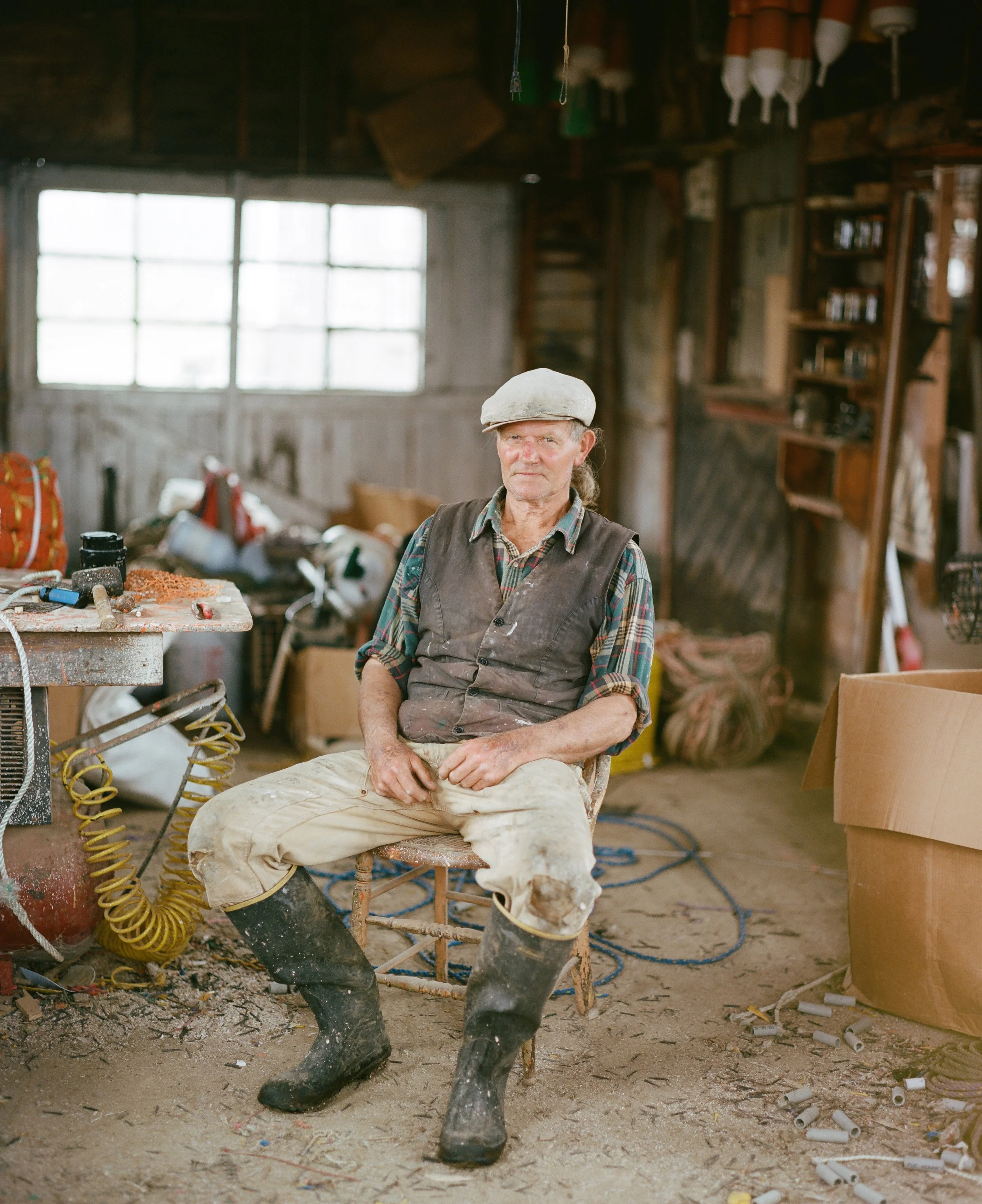
Our phone call touched on something many people hesitate to say out loud but quietly feel: that we’re not doing enough, that we’re not great at networking, or not sharing our work consistently, and it all loops back to the same question: what are we going to do with these photos?
That cycle of discouragement feels almost inevitable today. How do you navigate it? How do you let it pass through you without getting stuck, so you can keep moving forward? How do you remind yourself that part of being an artist is the gift of not having the answers but more so having the questions to find your way?
I came to photography post college, while I was already working in another field. I struggle with self-promotion and this has limited my ability to get my work out there. I often feel I would like to pursue photography more as a career and wonder if I am less of a photographer because I am not doing it full time. I am committed to my practice, but because it might differ from someone who would sacrifice everything to make it their full time career, I wonder if I am doing enough. As creatives we are taught to believe that sacrifice is a requirement. At the same time I wonder whether turning photography into my primary source of income would eventually change my relationship with it, or even diminish the passion I have for it now.
Photography is one of my greatest passions and I have never stopped shooting just because it wasn't rewarding me financially. Recently, I approached a woman and her teenage daughter on the street in the Bronx and asked to take their photo. The mom asked, what are you going to do with these images, which really got me thinking. What am I doing with all these photos? Over the years I have amassed a large archive of images, but for the most part, they live with me instead of out in the world, which is not such a great thing anymore. I feel ready to get them out there and be seen.
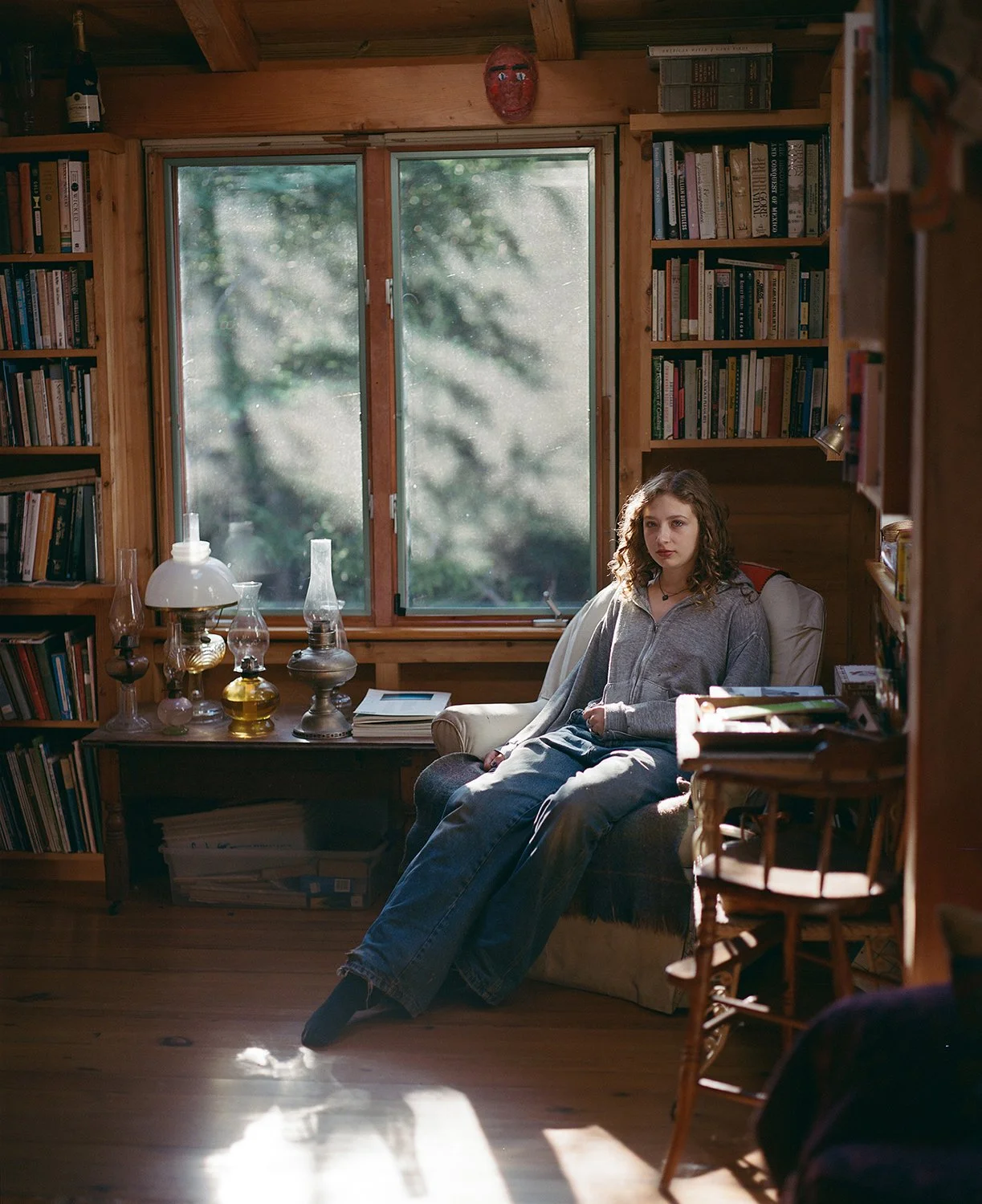
You mention that you wonder if you are less of a photographer because you are not doing it full time, How have you answered or been in dialogue with this thought by continuing to make new work. I believe many feel this way, so for you, who defines if you are an artist? Is it how others see you or yourself? Part of my process for these interview features involves asking follow-up questions that expand on a person’s responses and allow the reader to encounter them on a more intimate level. But in this case, the conversation became a shared experience between Ruthie and I about our feelings regarding it.
One of the first questions people ask when meeting someone new is, “What do you do?” If your occupation is separate from photography, the question can carry an unspoken assumption that you somehow failed to turn your passion into legitimacy, or that you are not fully enough. Leaving one to prove themselves in the space in between, but to who and more importantly, why?
So rather than including the direct words of Ruthie and my conversation, we feel that the problem might be in the question itself. What would change if, instead of asking one another what we do, we asked, “What do you love?” I know from speaking with Ruthie that what she loves is meeting people and photographing them, and I created Anywhere Blvd, not as a space to prove yourself but to share one’s self.
Keep up to date with Ruthie’s latest work here:
Website
Instagram