Ben Ward
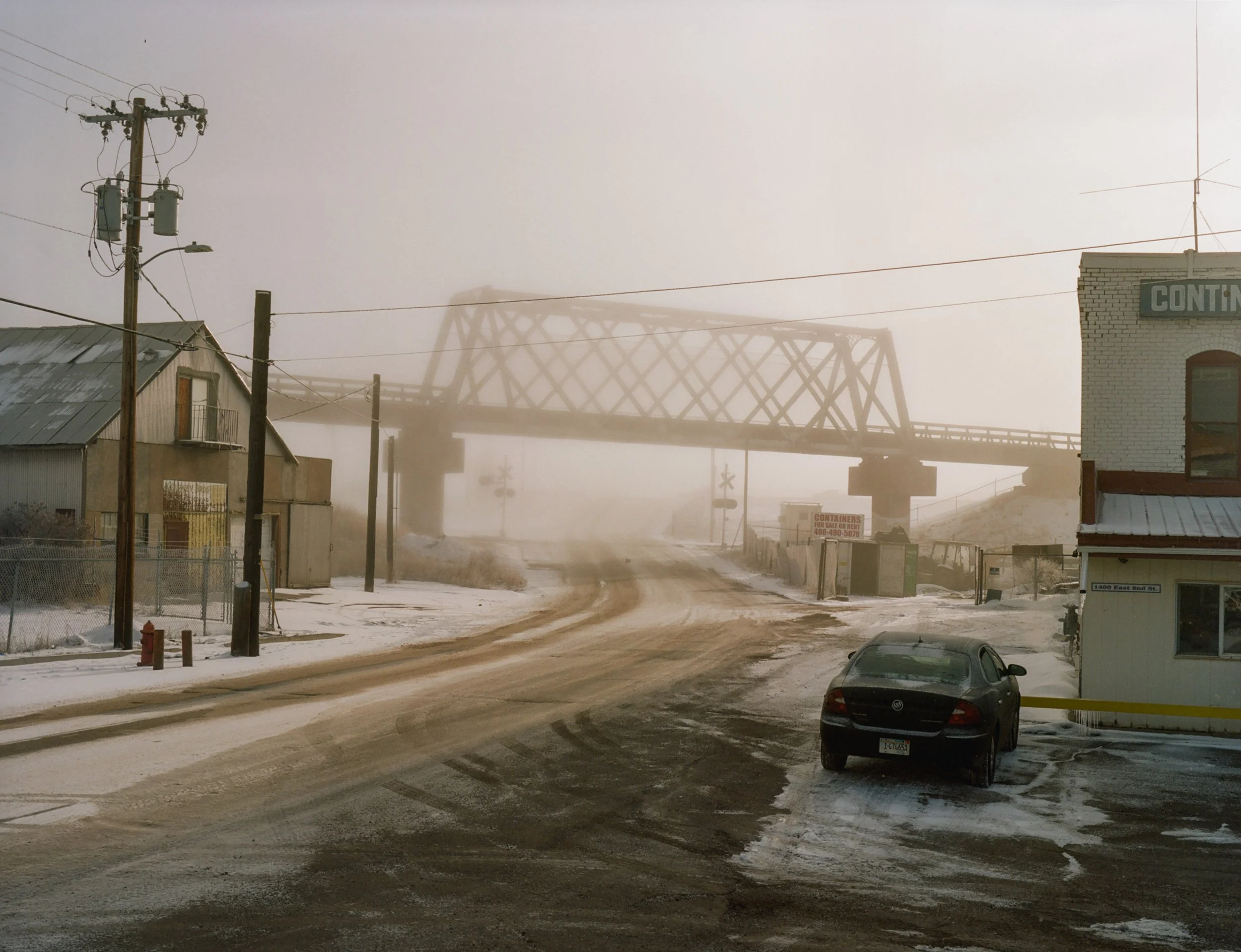
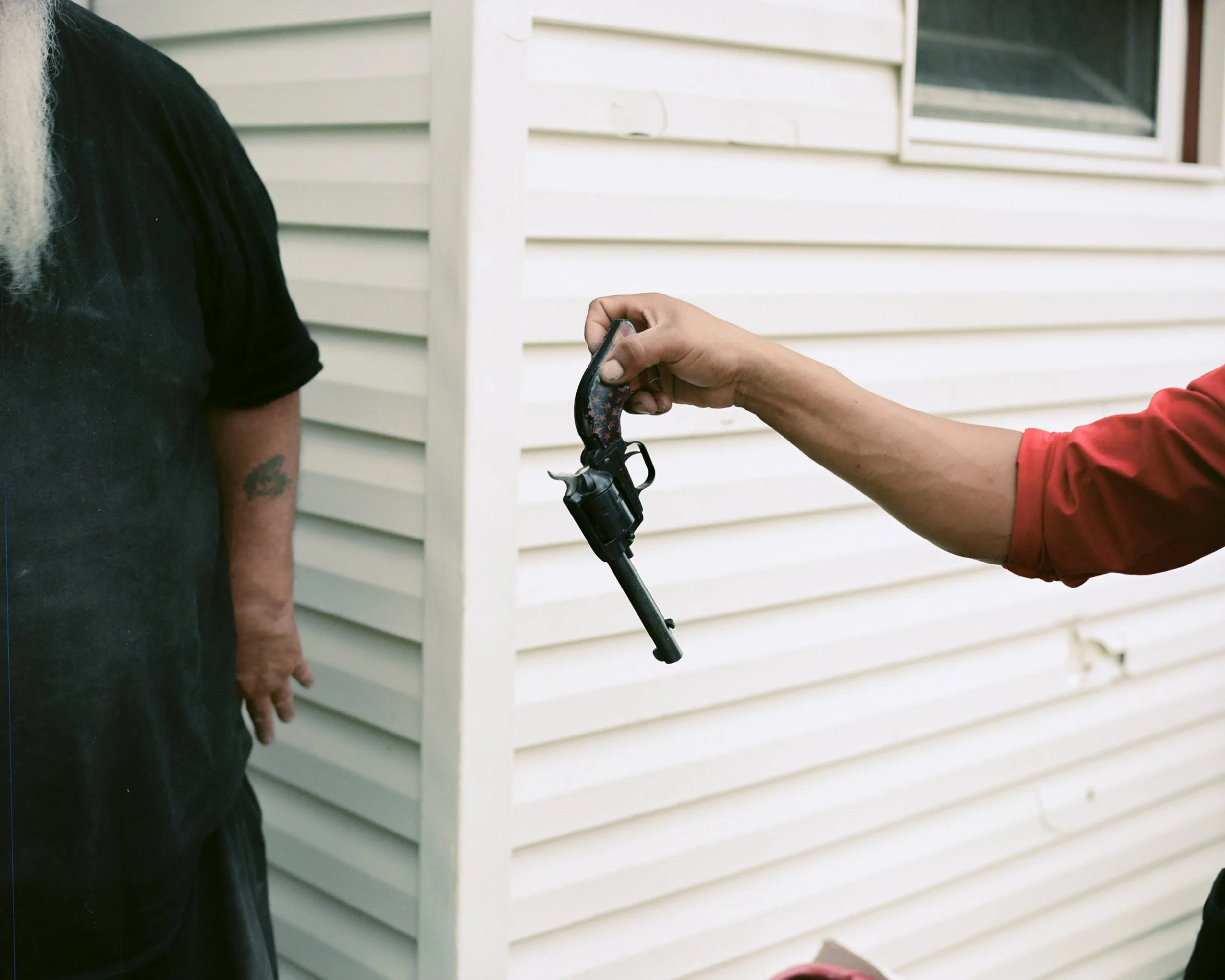
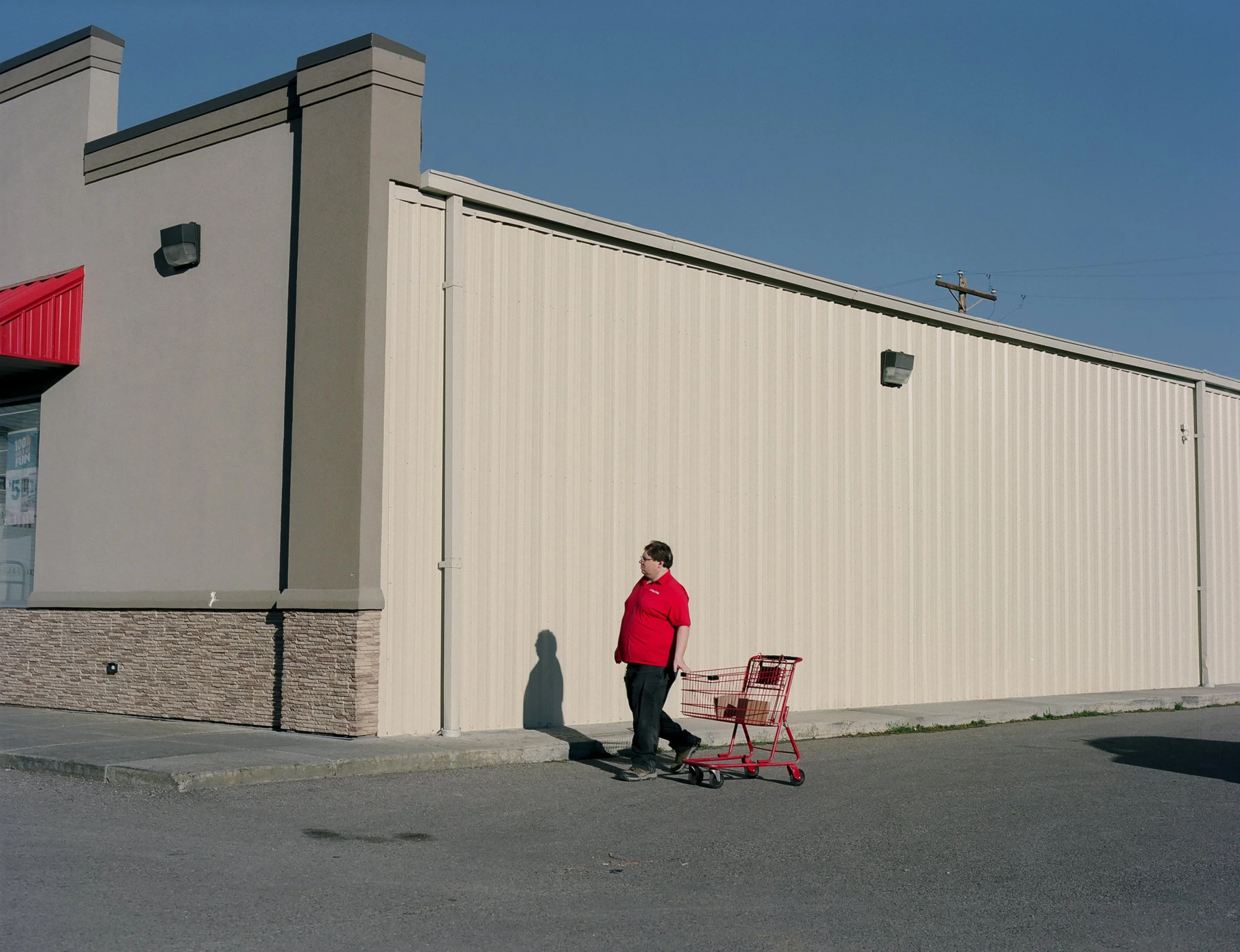
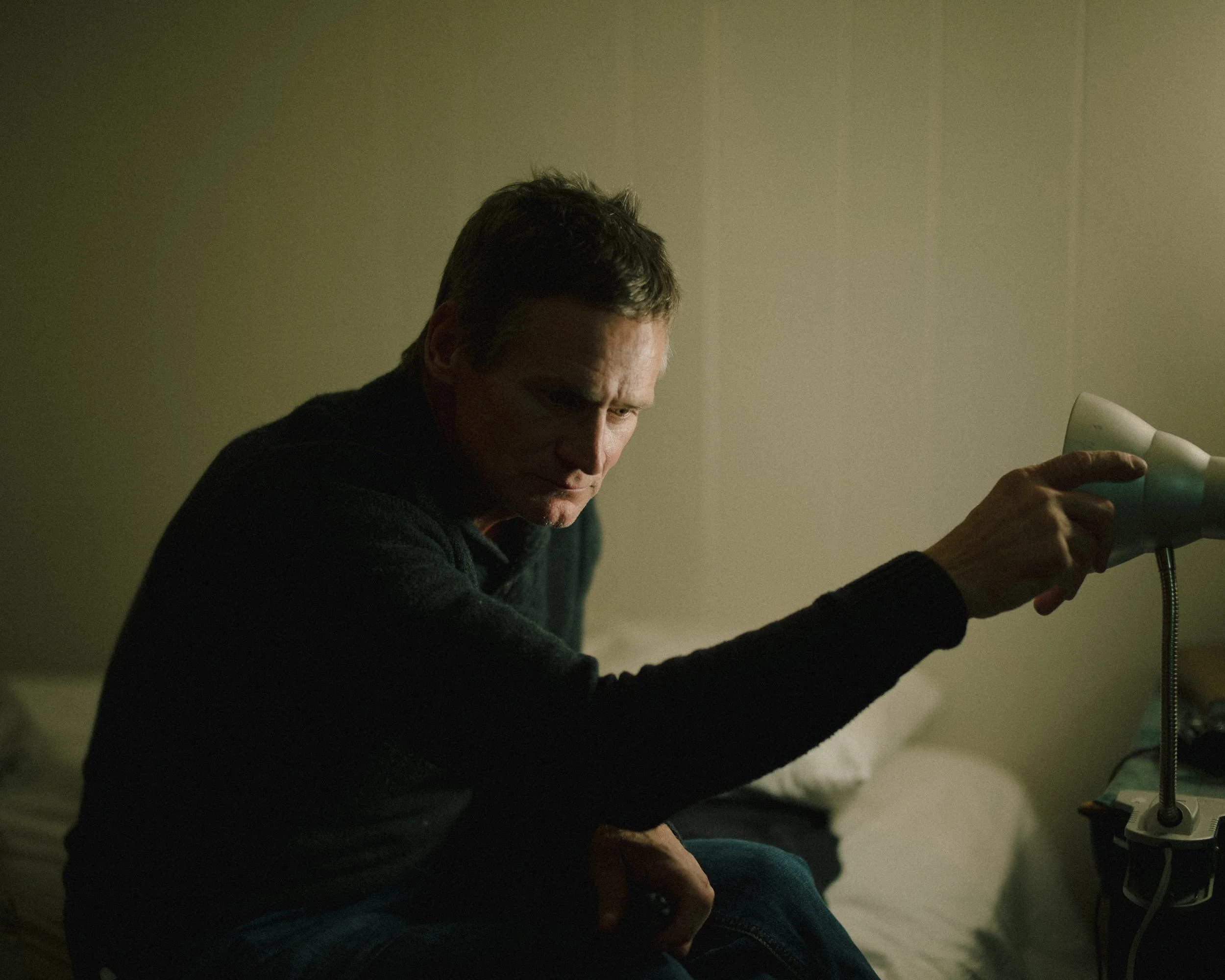
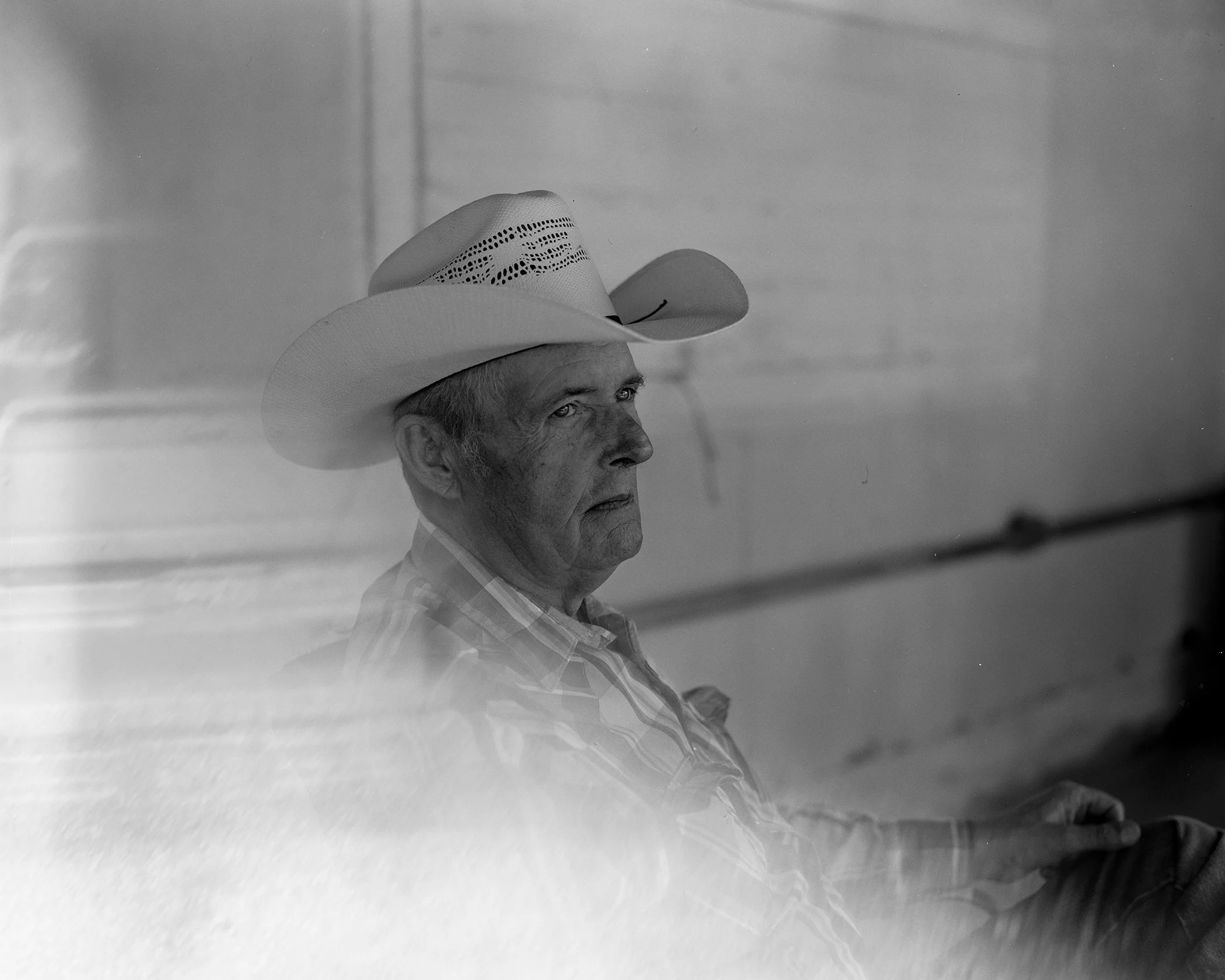
I’m excited to share the work of Ben Ward. With a camera in hand, he explores the effects of capitalism on the American West, tracing what and who remains after resources have been exploited. Rather than reinforcing familiar myths, Ben meets the West on its own terms, uncovering the hope and humanity that continue to endure.
When I first spoke with Ben, he would often answer my questions and then end with, “I don’t know.” But it quickly became clear that he knew exactly what drove him. His pauses weren’t expressions of uncertainty so much as acknowledgments that no simple answer could capture the complexity of his thinking. As our conversation unfolded, he shared that the people we’re drawn to photograph often reflect something back to us about ourselves. At one point he said, “I want to be by myself doing something that matters to me,” and that resonated deeply with me.
In our conversation, Ben shares how limiting his relationship with technology has become a form of creative resistance, why he often chooses to travel alone, and how his work isn’t always driven by what appears within the frame, but by the life that unfolds when you simply choose to go. Photography isn’t his only objective, and for anyone who has lost sight of their why, this interview offers a thoughtful path back to it.
When I asked about the focal point of your work, you described the American West as a victim of capitalism, a place where industries have extracted from both the land and the people whose labor once sustained it, only to abandon them in the process. How have your experiences growing up in Colorado, along with the countless miles you’ve spent driving across these landscapes, revealed that story to you? And what about it interests you?
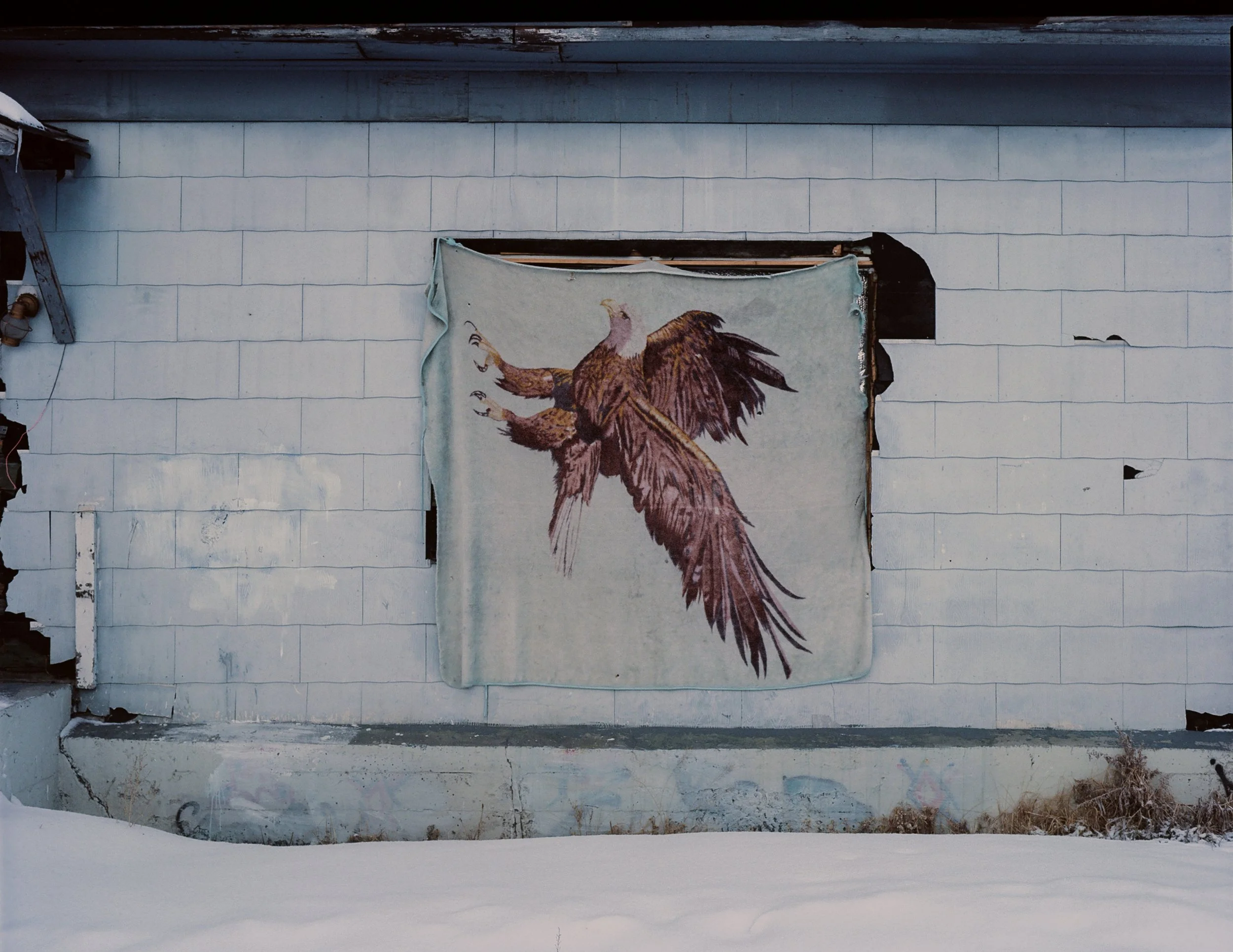
I grew up along the front range of Colorado, and for as far back as I can remember, nature was always an important part of my life. Our family went camping often in the summers, in our little pop-up Coleman trailer. I grew to love the mountains and the forests and the stars - and nature was the first thing I began photographing when I really got into photography. The older I got, the more cracks in the surface seem to reveal themselves, which I suppose is just part of growing up. Colorado has seen record levels of population growth, and with it has come development and expansion and all the things you’d expect. The natural world has suffered - it’s overcrowded, it’s shrinking, it’s drying up, it doesn’t feel like it used to. I think this is always in the back of my mind while I shoot. How things change, how we exploit the land and give nothing back. This is the story of the west - extracting from the land and the people until one or both are dried up, and then moving on to the next place. I’m interested in photographing the footprint that is left behind. There’s obviously a lot of bleakness in those stories, but I find there’s hope and humanity that shines through as well.
The crushing weight of technology came up during our conversation. You mentioned how disappearing for a weekend can feel like an act of resistance against it, stating, “I want to be by myself doing something that matters to me.” It never sounded like a rejection of your everyday life, but rather a tension between the structure of a 9-to-5 and the kind of freedom that comes when that can be tossed aside. Can you describe that space between the two, and how it shapes the way you approach your work and process?
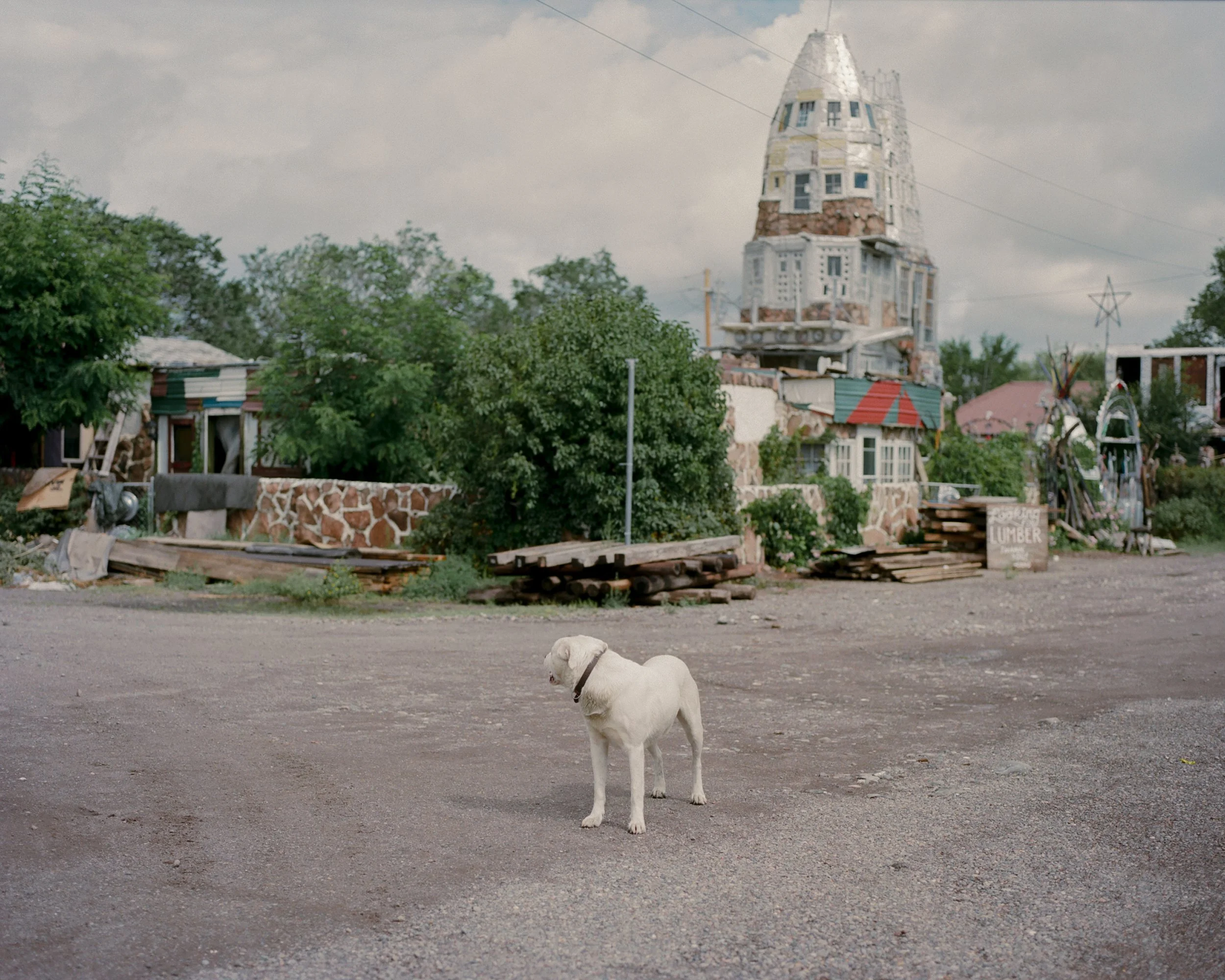
You can spend an entire day online plotting a road trip and finding the best places to stop for photos and the best places to eat, or you can just get in your car and drive. Embracing uncertainty truly feels like an act of resistance in a tech-obsessed world that is designed to make things feel safe and efficient. More and more, I feel drawn to people and places that have, in a way, rejected some sort of social norm, especially technology. Beyond all the heady art-speak, I think the reason I do what I do is just because it’s fun and feels more like freedom to me than anything else. I want to be by myself doing something that matters to me, even if it doesn’t matter to anyone else. It’s an escape from deadlines and emails and client feedback. None of that exists on the road. It’s a good reminder how little any of that stuff matters.
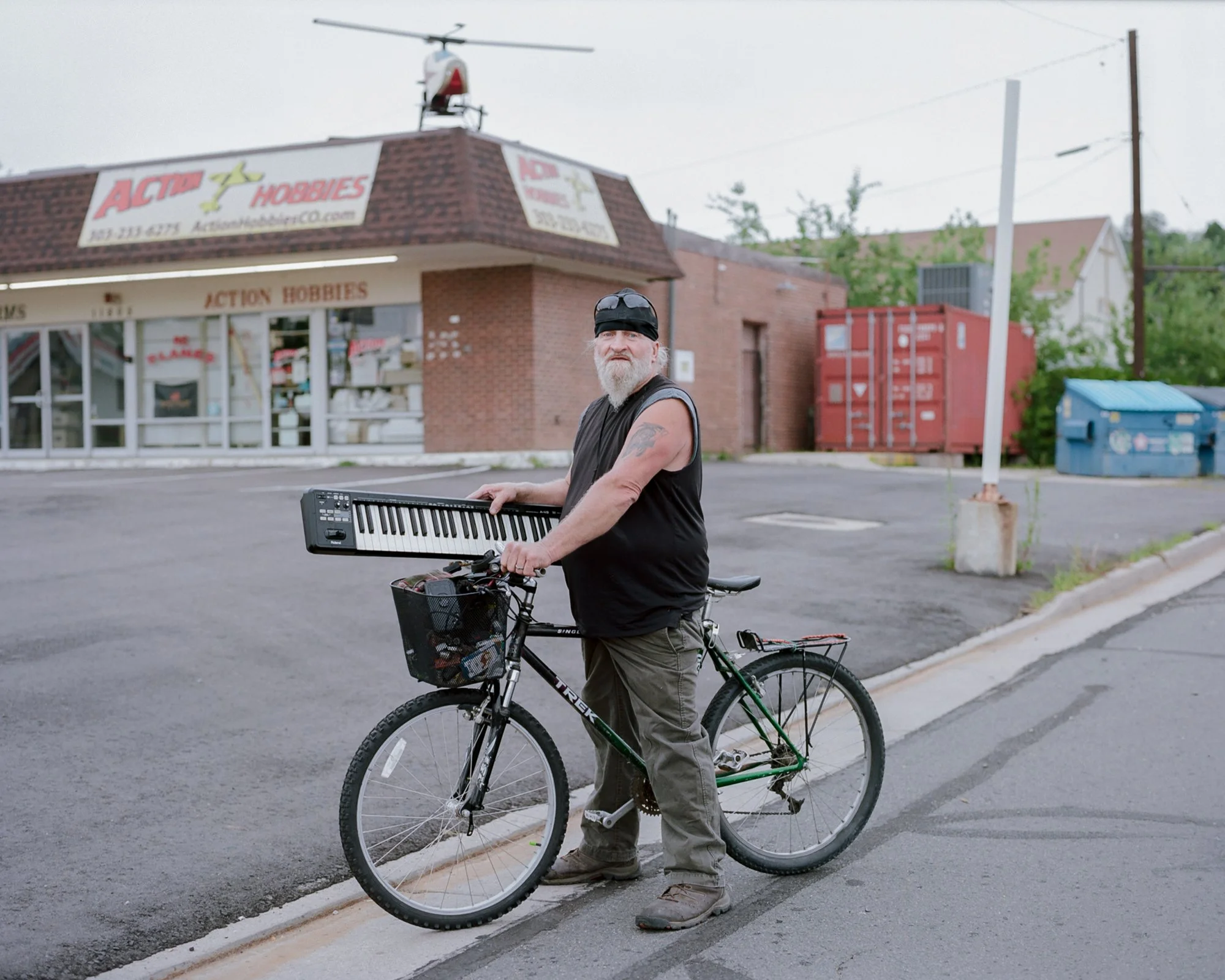
You mentioned that when you first began photographing, you felt most drawn to people. But over time that focus shifted, it became less about the individual and more about creating a broader portrait of a place. As we continued talking, though, it felt like the idea circled back to where many of us begin: realizing that, with age and perspective, what drives us is no longer just what exists within the frame, but the experience of the moment that led to the photograph in the first place. Can you share some of the experiences you’ve had that make all the effort feel like this is what you’re doing it for.
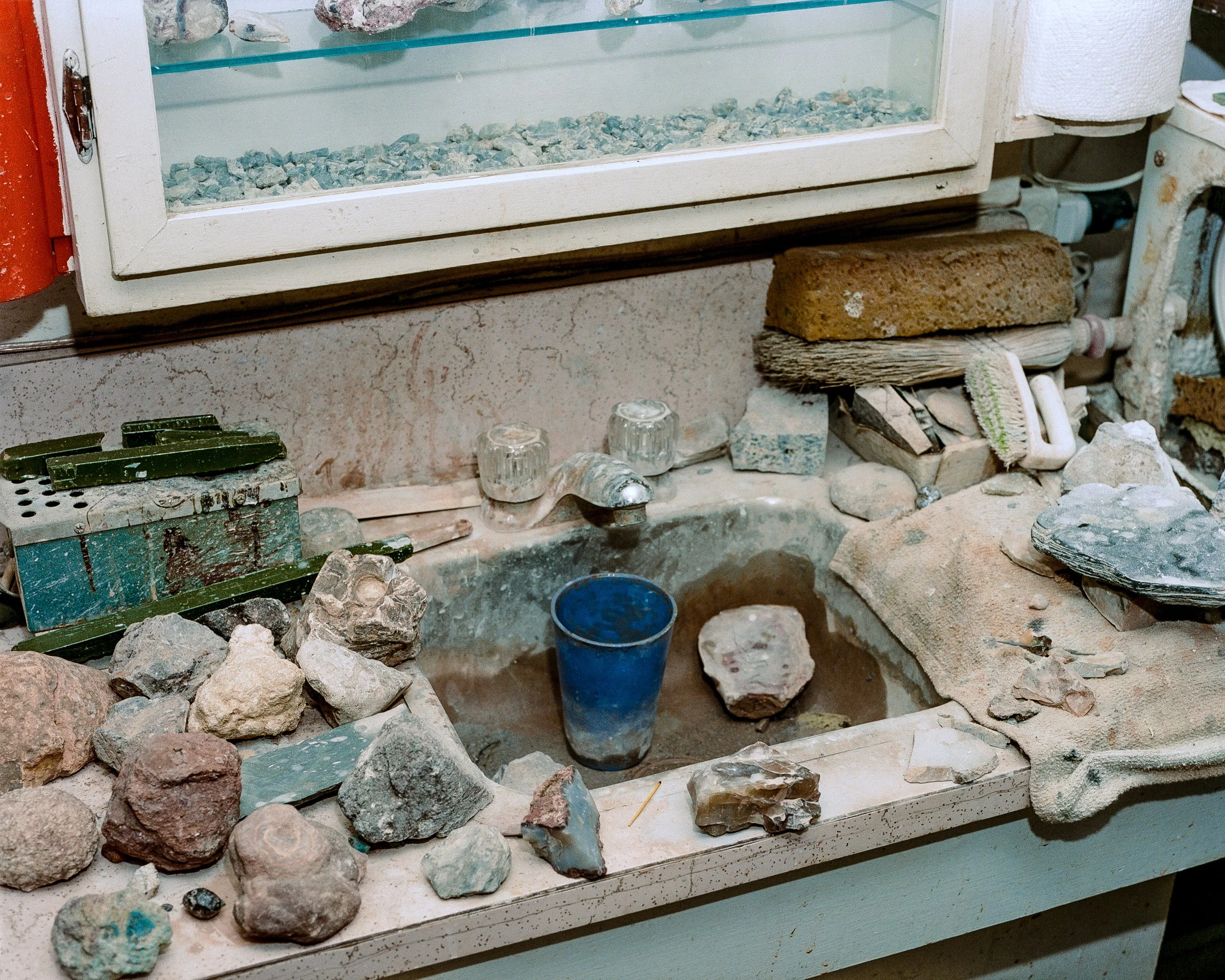
Months ago I met a man who was known colloquially as the “rock man”, or at least that’s how he was introduced to me. It was a small town, so I would run into him every once in a while, while I was wandering the streets with a camera. One day, he told me about a sinkhole outside of town that he’d been frequenting. He spends his free time in the hills outside of town digging for rocks, so he knows the ins and outs of the region pretty well. The next day, he offered to take me up to the sinkhole on the back of his gas-powered mini bike. We ended up spending the whole afternoon just wandering the hills, digging for rocks, and admiring the 40ft sinkhole. I felt a true sense of childlike freedom that hasn’t been in my life for a while. I’m constantly in awe and grateful for peoples’ willingness to share things with me, be it stories, time, food, or secret sinkholes.
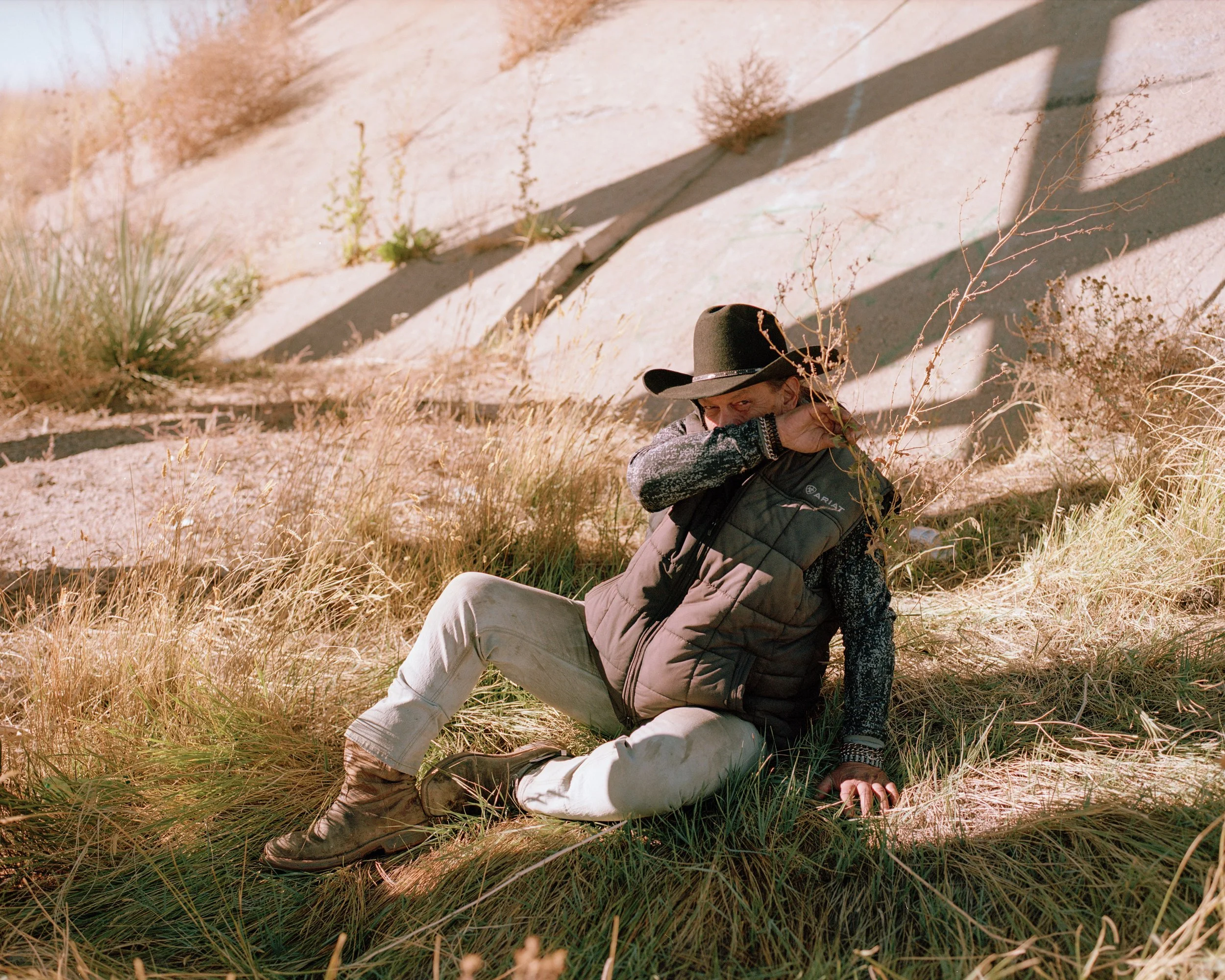
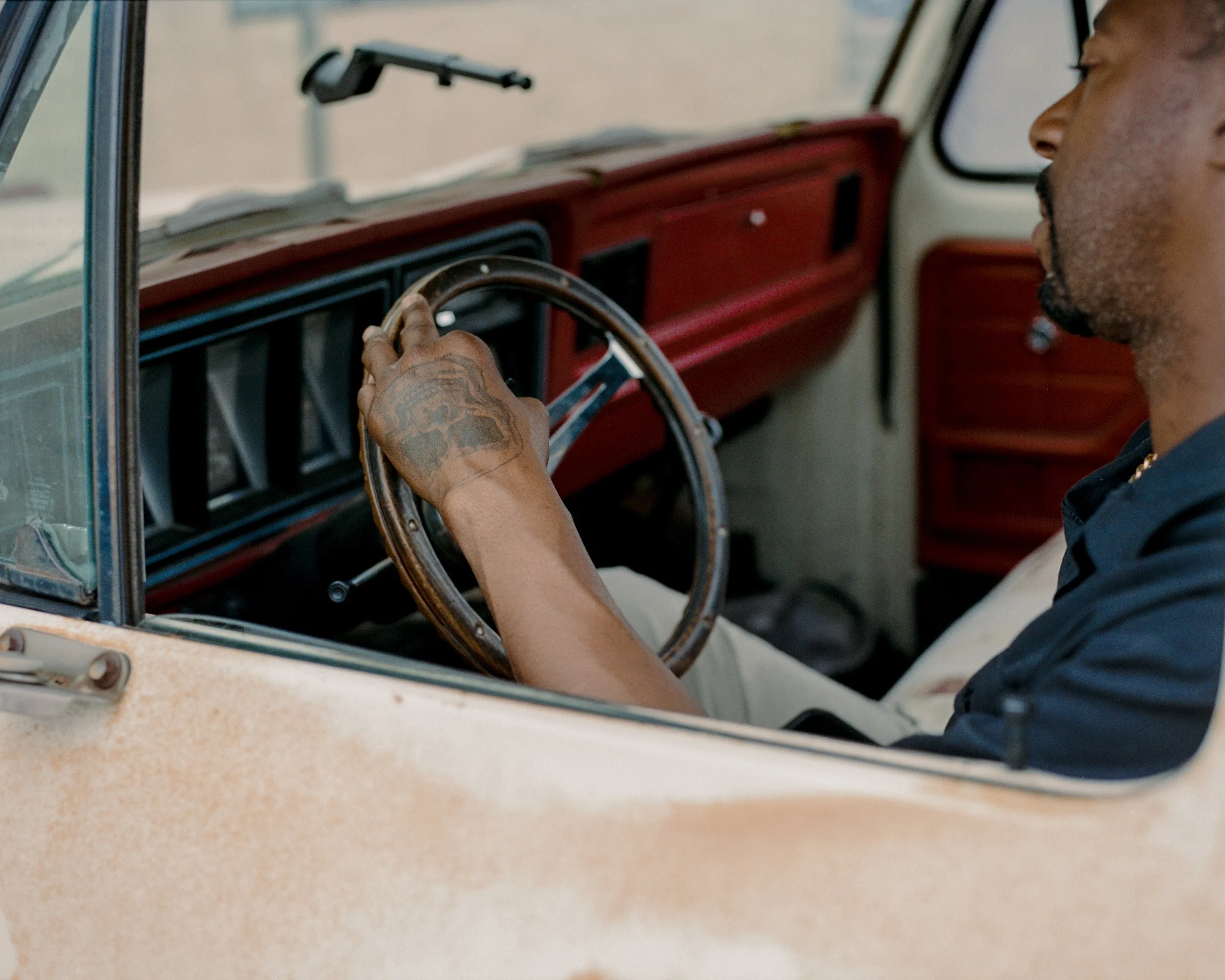
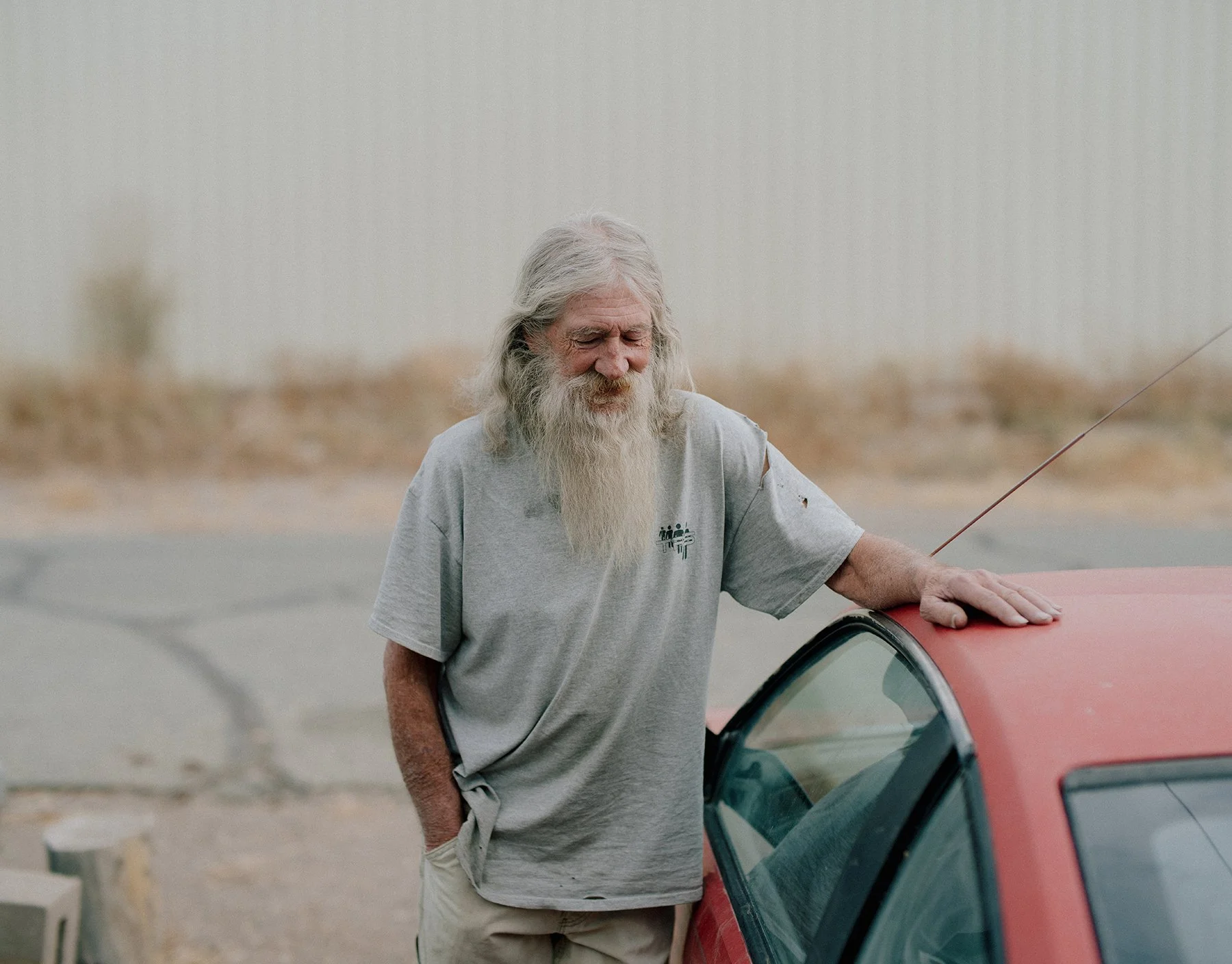
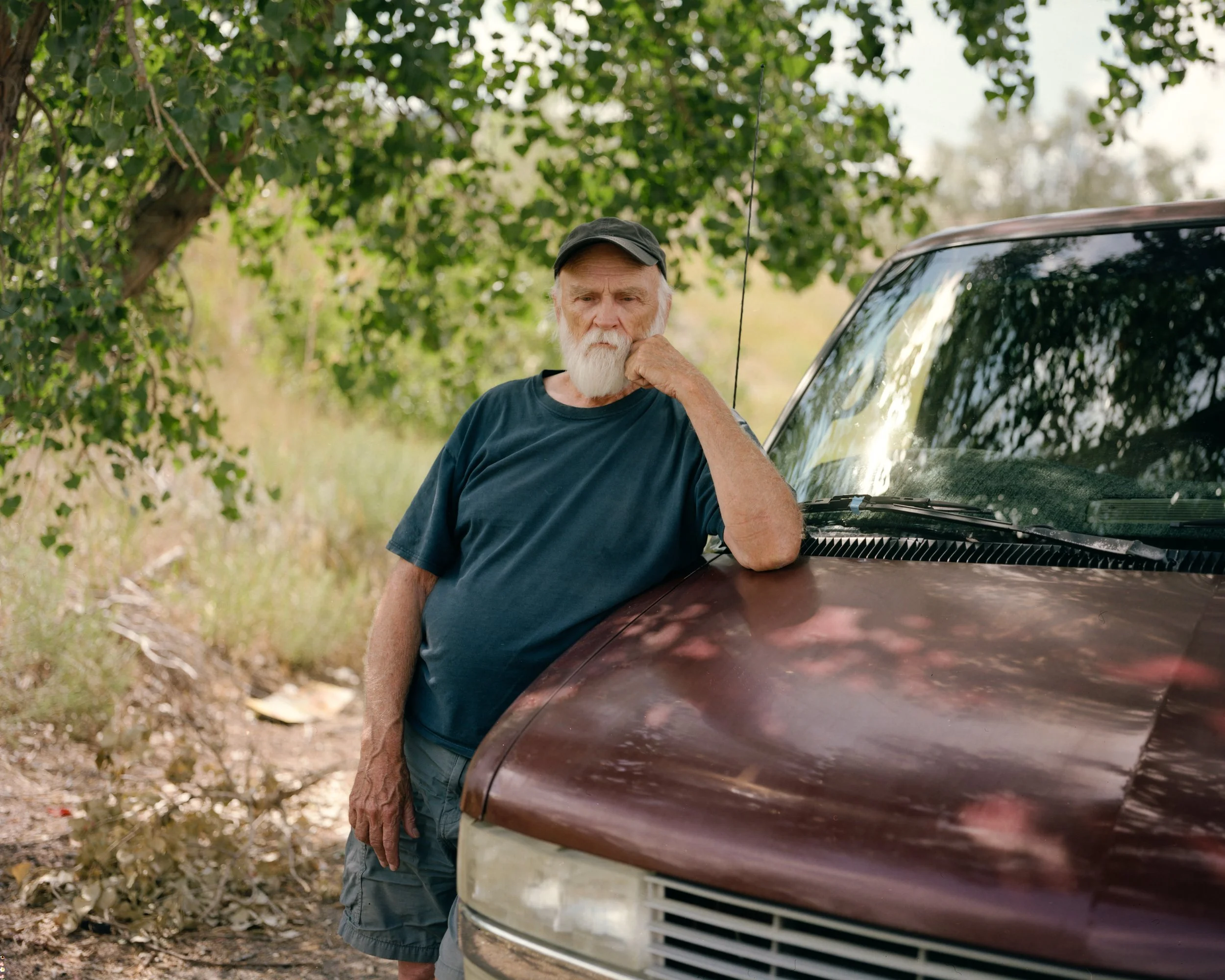
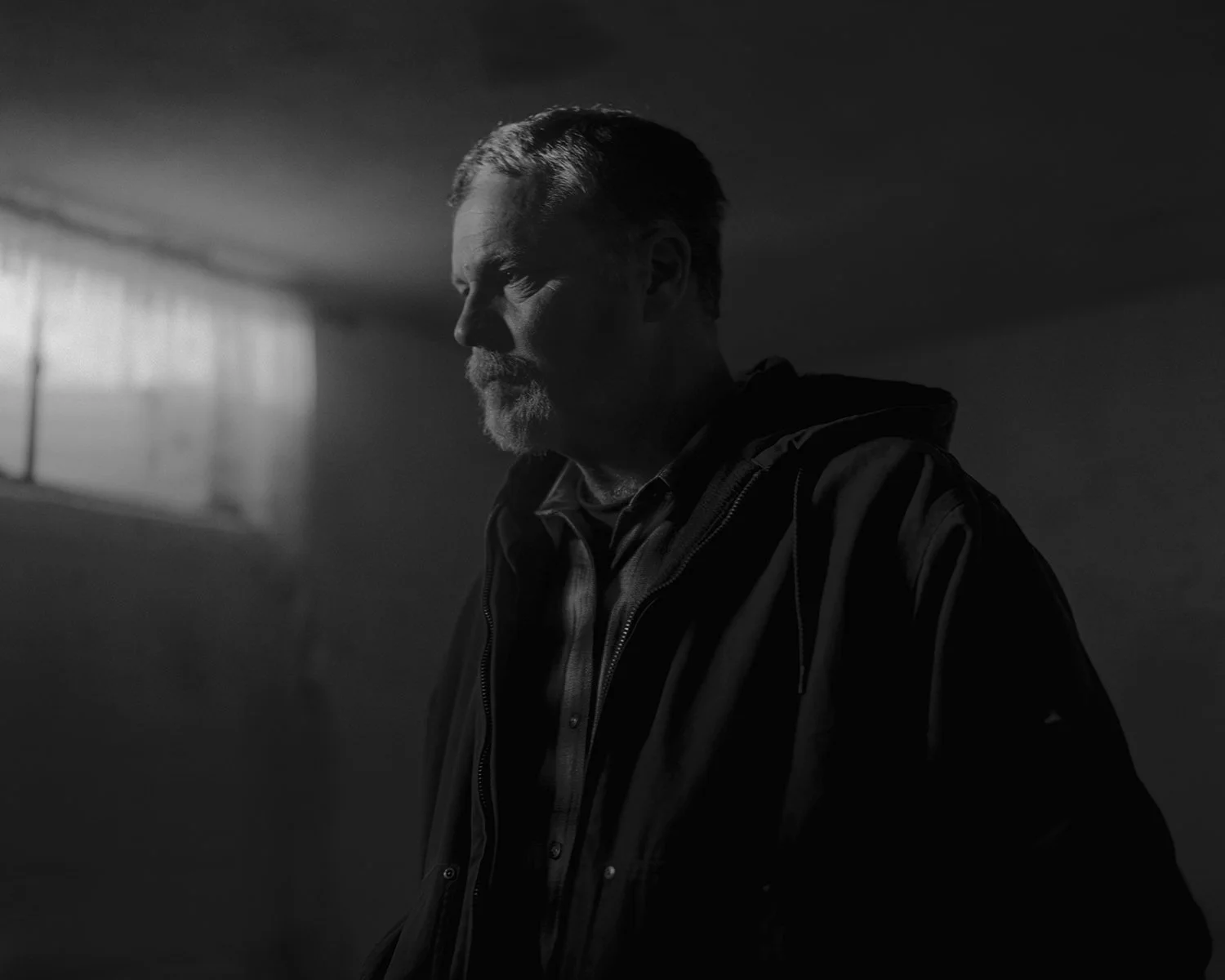
I noticed there are many portraits of men throughout your work, who, at first glance, can appear tough. But what continues to draw me in is the softness in their demeanor, that your portraits pull from beneath that exterior. I think much of that comes from the space you create for people. Whether intentional or instinctive, it says something about who you are and the way you’re able to put others at ease. What parts of yourself do you see reflected in these images, and how do you create and hold space for the people you photograph? “There’s always a piece of me in the people I’m interested in.”
I think good portraits should convey a sense of tension - a hardness and a softness, a lightness and a darkness. I’m really drawn to people that can convey that visually.
I don’t think it's necessarily a conscious thing, but I definitely am drawn towards people that I can see parts of myself in, in one way or another. Just like in life, you want to be around people that you can relate to and learn from. The West especially celebrates characters with a tough, rigid exterior. I like to see where I can cut through that a bit. I feel such a sense of relief when I start to have a conversation with someone who is willing to set that aside and just be real for a bit. I try to do that right off the bat - I don’t pretend to be anything I’m not, I just try to be honest with people about the work that I’m doing and show some enthusiasm about it, and often that enthusiasm is reciprocated.
I’m not entirely sure how to phrase this question, because it touches on feelings that many of us instinctively avoid speaking about openly. But no matter the path someone takes in life, there often comes a kind of internal crisis, a voice that pushes back against your pursuit and asks what any of it is really for. We spoke about how experience is what drives you, but you also mentioned those moments when something will “cut through the noise,” stopping you in your tracks, and how profound it can be both to create that feeling and to experience it through someone else’s work.
I’d like you to place us in the passenger seat with you, driving, searching for what you want to photograph. In those moments on the road, what are the feelings that work against you, and which ones keep pulling you forward?
These days, I rely on instinct and muscle memory a lot. I have to put on blinders to make work. If I start to think too much about why I do what I do, or why I’m investing so much time and energy and money into this pursuit, the logic doesn’t really hold up. It seems to work best when I just turn my brain off for a weekend and drive and take pictures. Pushing through that feeling of uncertainty has just become a part of the process. All it takes for that feeling to fade is just taking the first picture, and from there it’s a clean slate. It’s really such a simple thing that keeps me going - it’s just taking a picture that I think is going to be good, or having a positive encounter with someone, whether a picture comes out of it or not. I often think about Joel Sternfeld’s image of the elephant on the road. Those sorts of moments are happening out in the world all the time, there’s usually not a camera around. A big part of my motivation is just being in the right place at the right time. Turning the next corner just to see what’s there.
Stay up to date with Ben Ward’s latest work here:
Website
Instagram