
Stephen Ross Goldstein
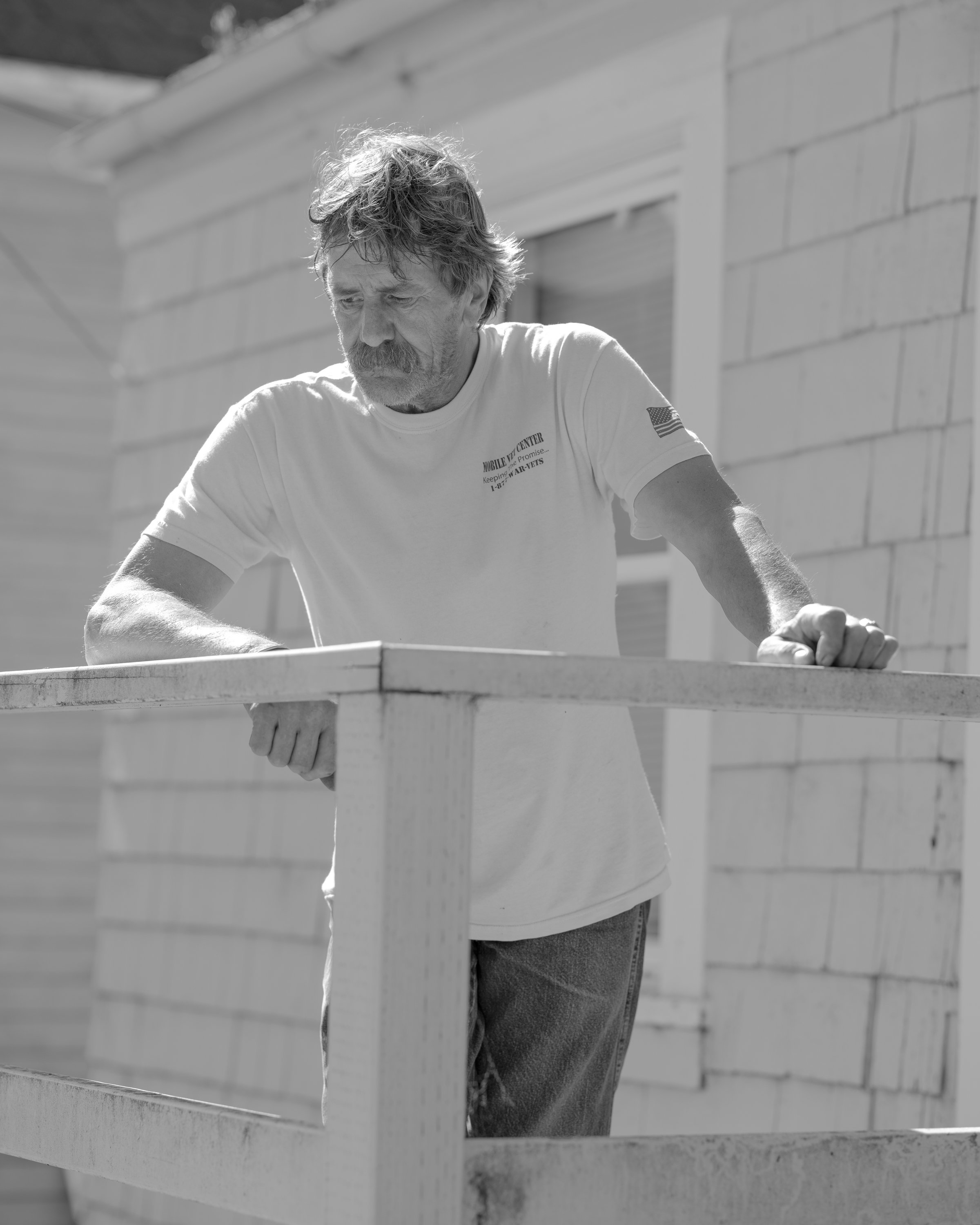
Can you elaborate on how seeking inspiration from various art mediums has influenced your approach to photography? Tell me more about why you wish you were a painter.
I’m not sure where I first heard the quote, “I would be a painter if I could,” but it resonates with me. I have a lot of imaginary photographs that live in my head, ideas that I find difficult to come to life photographically. I envy painters for being able to create directly from what they envision, without needing to find the right place or person. That’s partly why I watch so many films, read, and look at paintings, I don’t want to be limited to just photography. Some of the best advice I’ve received was to stop looking only at photos and start paying attention to other art forms and to life itself. Everything I take in, movies, books, and art shape how I think about my work, not just aesthetically but conceptually how I want to move forward. When my photographs feel “painterly,” it feels like a small manifestation of that broader inspiration.
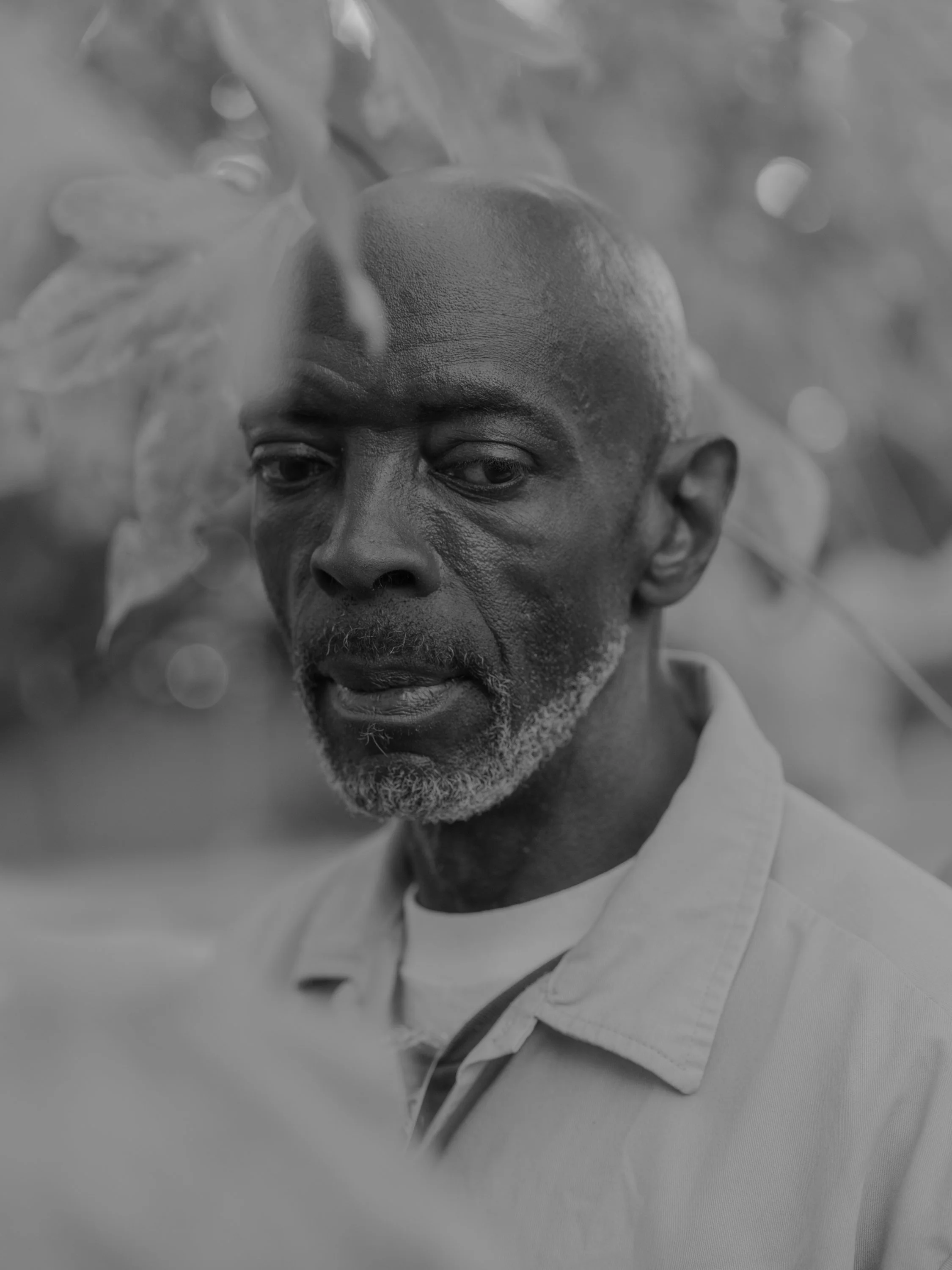
What photography series have been impactful for you? How has that impact translated into incorporating yourself into your photographs?
Many photography projects have stayed with me, but the ones that stand out most are Pictures From Home by Larry Sultan, Leaving and Waving by Deanna Dikeman, and A Period of Juvenile Prosperity by Mike Brodie. A photograph of Sultan’s mother standing in a doorway stopped me in my tracks. I’ve never forgotten it. I see my own mother in that image, along with a metaphorical path to my own photographic journey. And when I first saw Dikeman’s Leaving and Waving, I knew instantly it was my favorite project of all time.
I was moved beyond words. I saw my own parents in that driveway waving goodbye, just like when I’d leave for college or drive back to Los Angeles. I feel the need to hold on to that book as a way to hold on to them. I first saw Mike Brodie’s A Period of Juvenile Prosperity in college, struck by an image of someone atop a train at golden hour, hair blowing in the wind. His work felt invincible. I discovered it just as I was beginning to wander with a camera, and I never really stopped. I sometimes try to quit being the “wander around aimlessly and take pictures” photographer, but it’s in my core and Brodie’s images helped awaken that. I don’t take many self-portraits, but these projects taught me that there are pictures everywhere, including in myself.
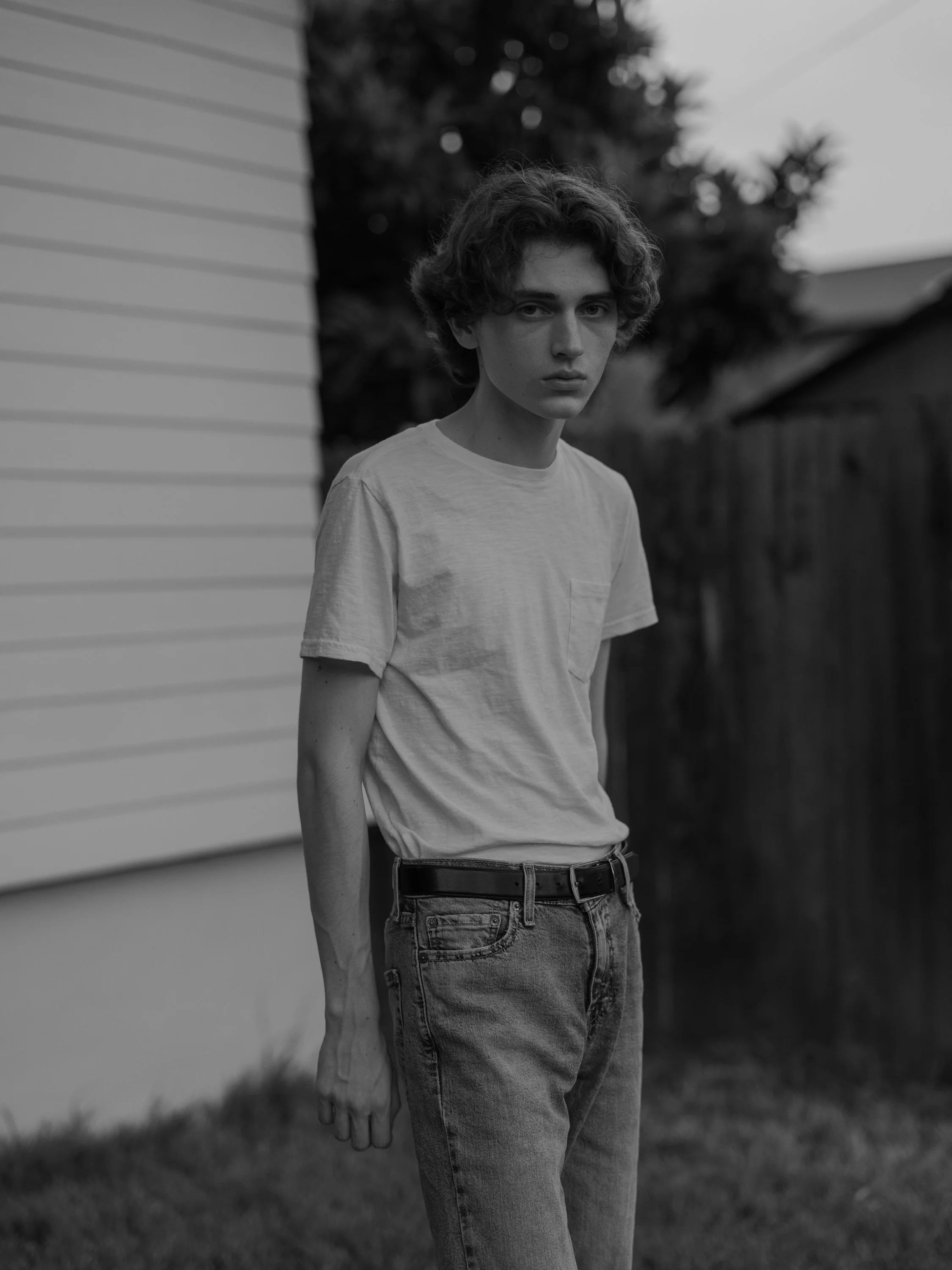
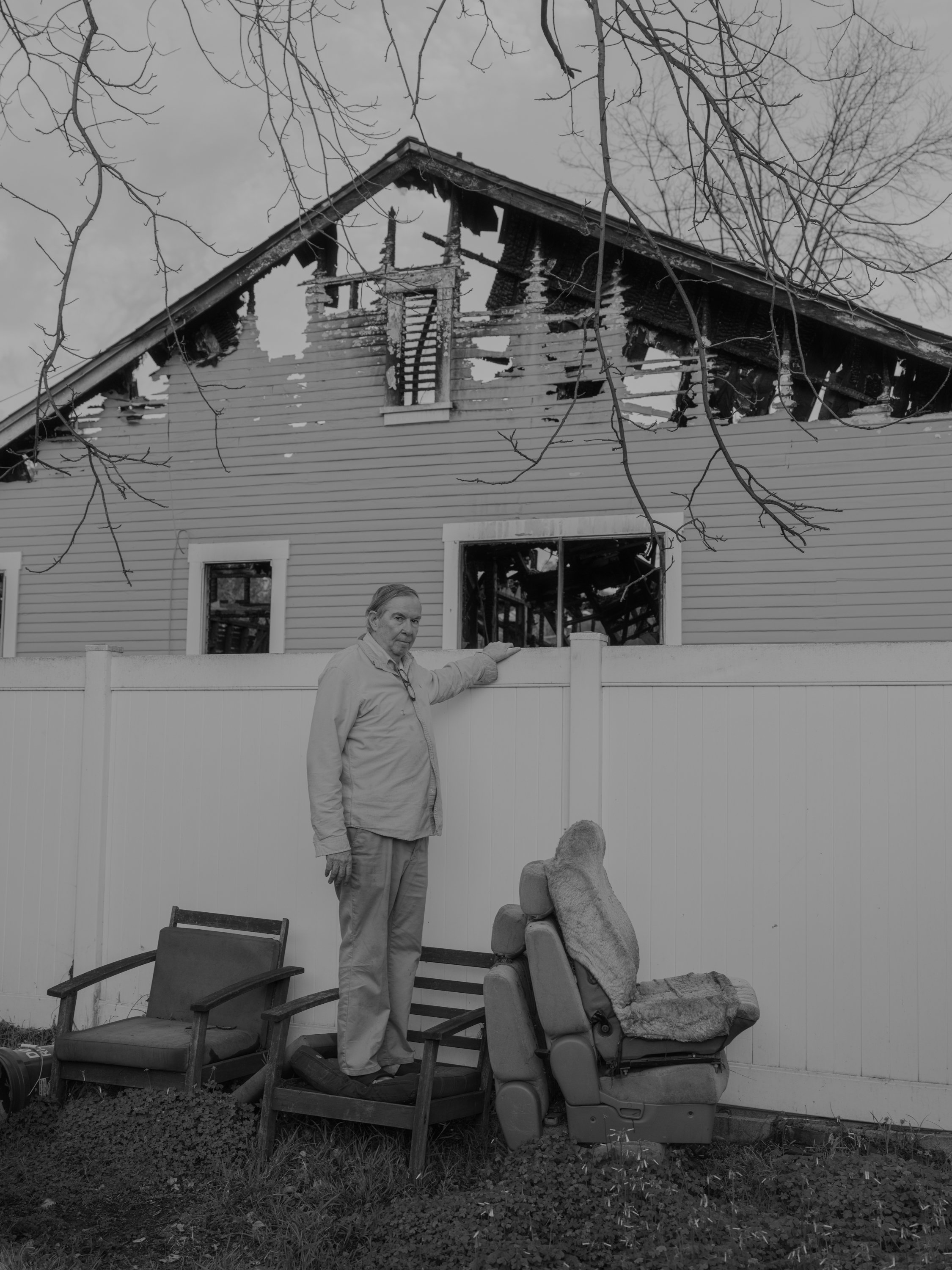
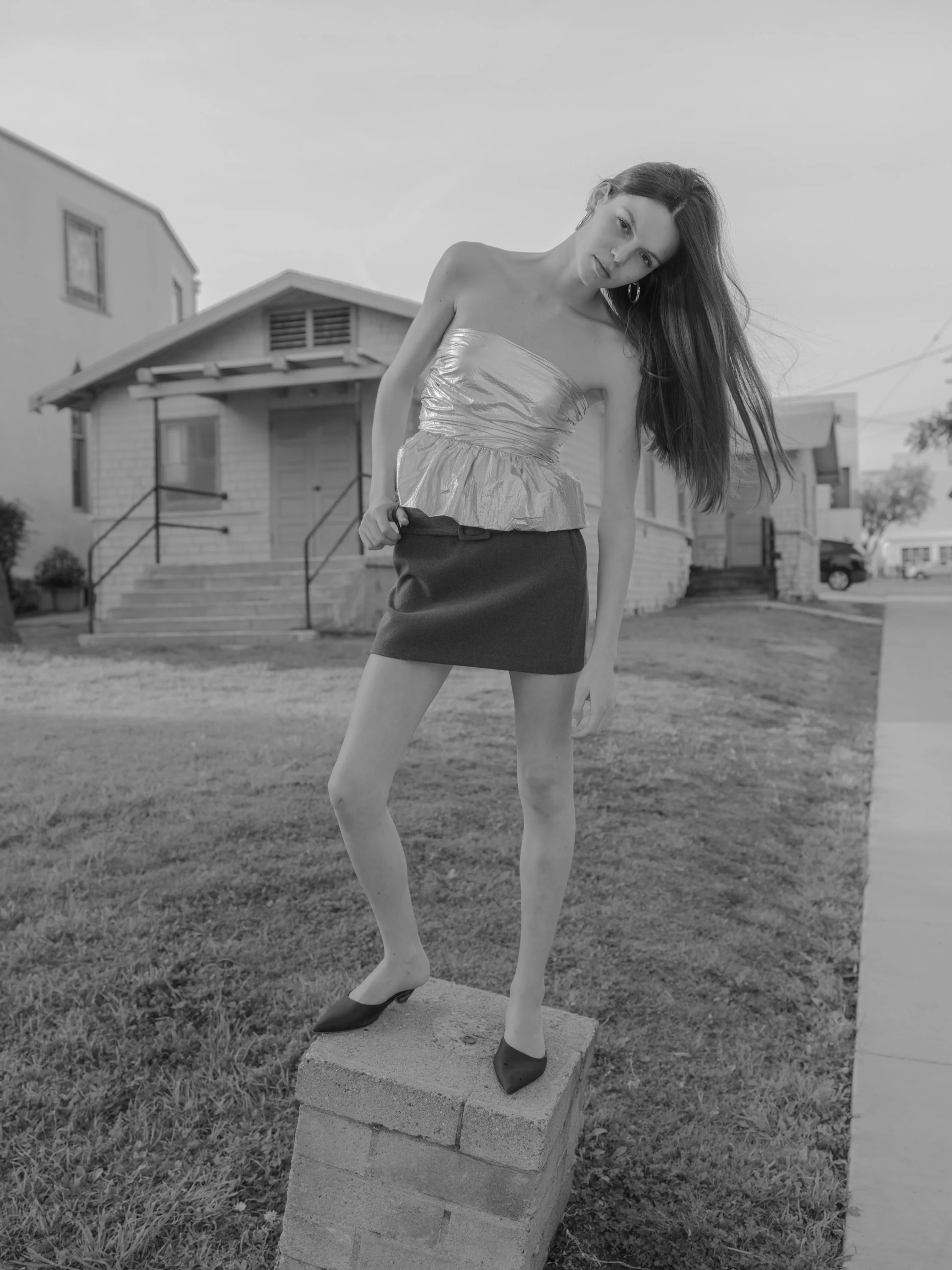
In your series of self portraits you reflected on your own trajectory. How has becoming in tune with your own emotions led to creating work that aligns with your growth?
In May 2022, I moved from Phoenix to Los Angeles. I was goal driven but unsure of what I wanted, both in photography and in life. I landed in Pasadena, and my first photos were of the oak trees in Pasadena and Altadena. For a moment, I thought I was making a project about trees. Then I began exploring the wilderness around Altadena and photographing strangers I met, thinking it might become a project about a particular place.
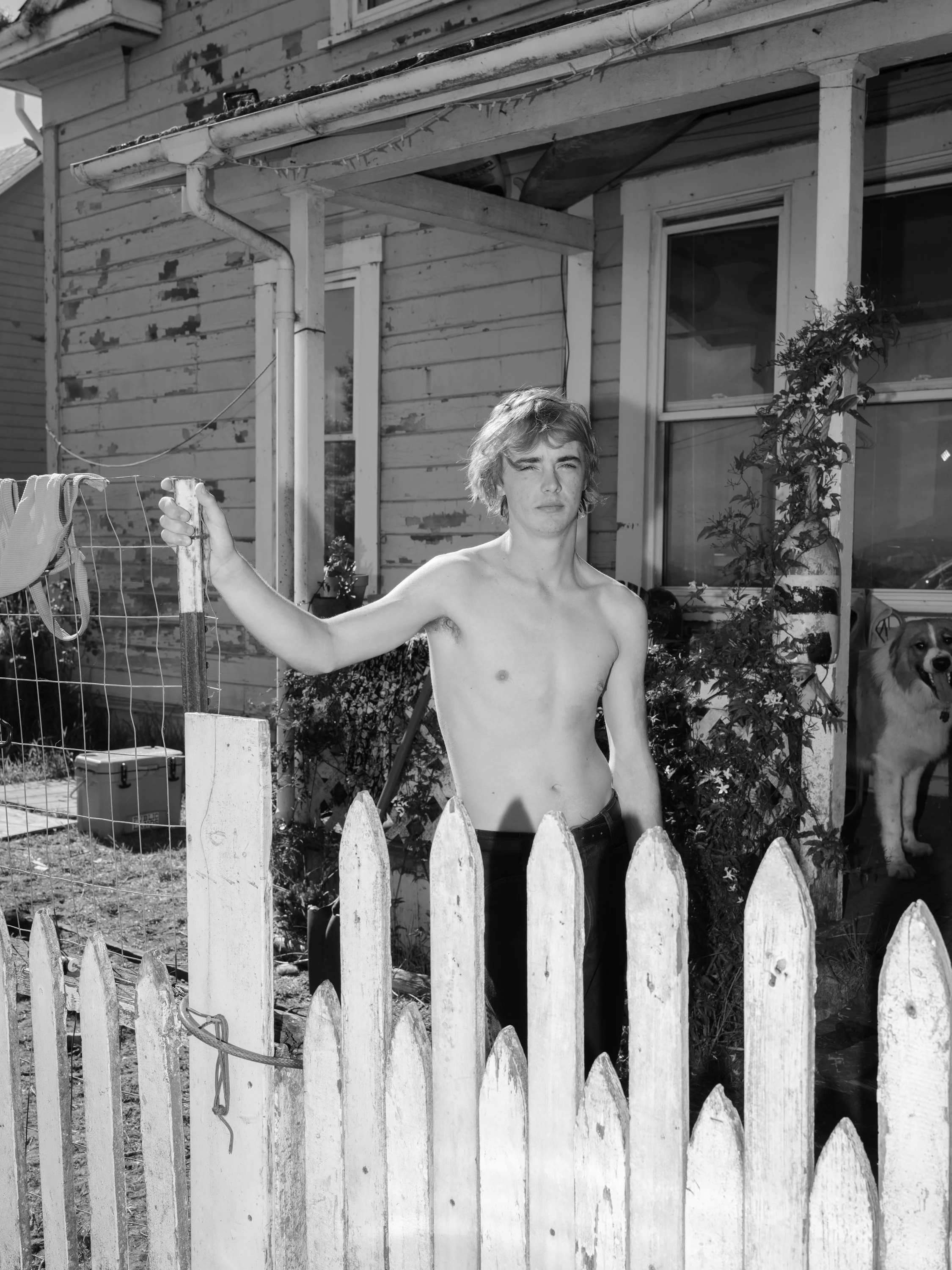
During that time, I was experiencing many firsts and slowly becoming the photographer I’d always hoped to be. It wasn’t just life experience shaping the work, it was the constant push to start new, to become new. I’ve always worked hard to adapt, and that led me to photograph friends and family more. Something clicked: the people closest to me were essential to a project about self-discovery and coming-of-age.
Even though The Oak Echoes doesn’t include many self-portraits, it’s still very much about me. As I became more in tune with my emotions and more accepting of my own interests and personality, the project gained freedom and grew into what it is now. Challenging my own insecurities, especially around my personality, hasn’t been easy, but I know how far I’ve come. And the project is still evolving; it may change again.
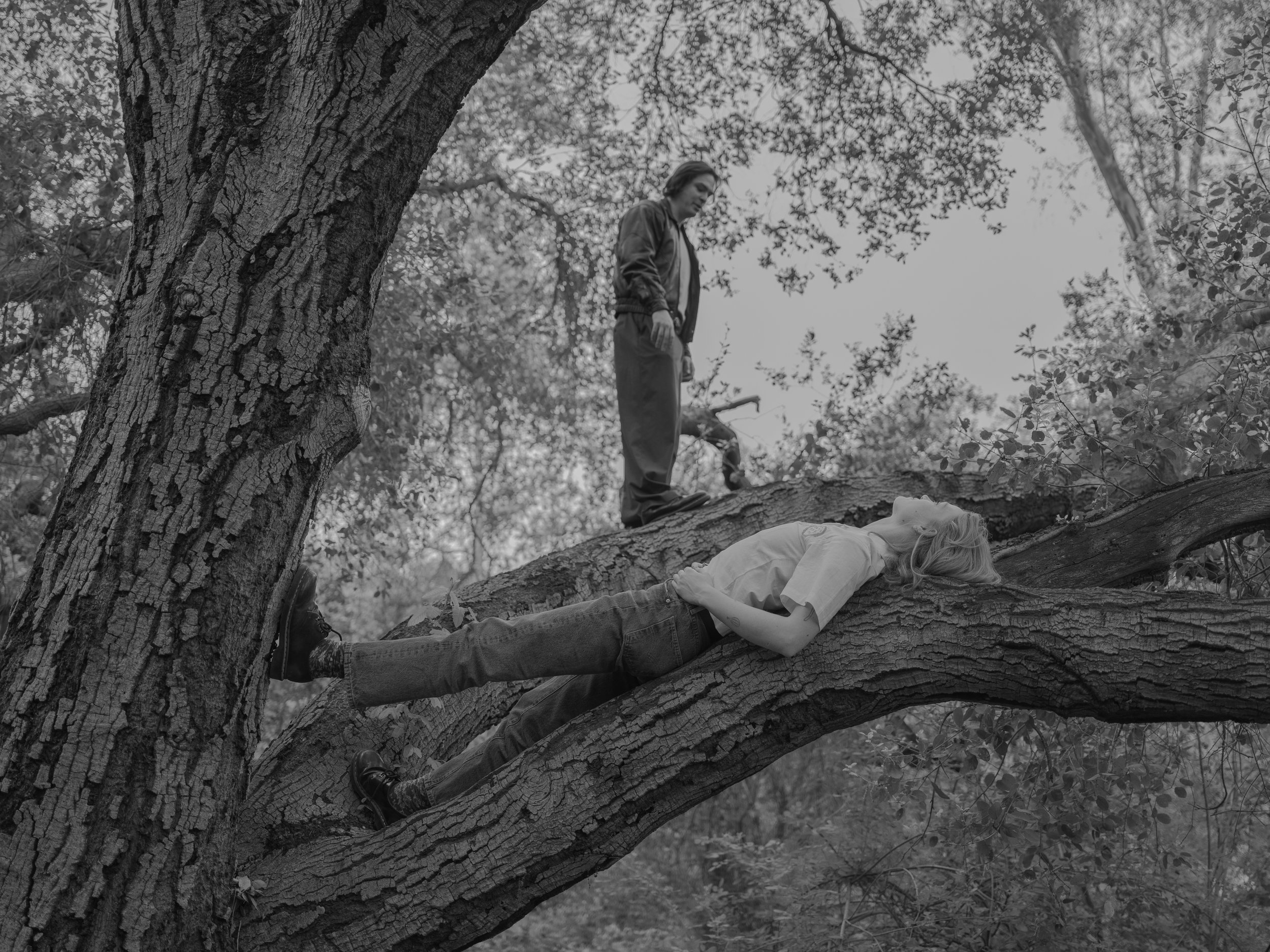
Why the absence of color? In its absence, what becomes more present? How does the range of grey tones help communicate what you are feeling?
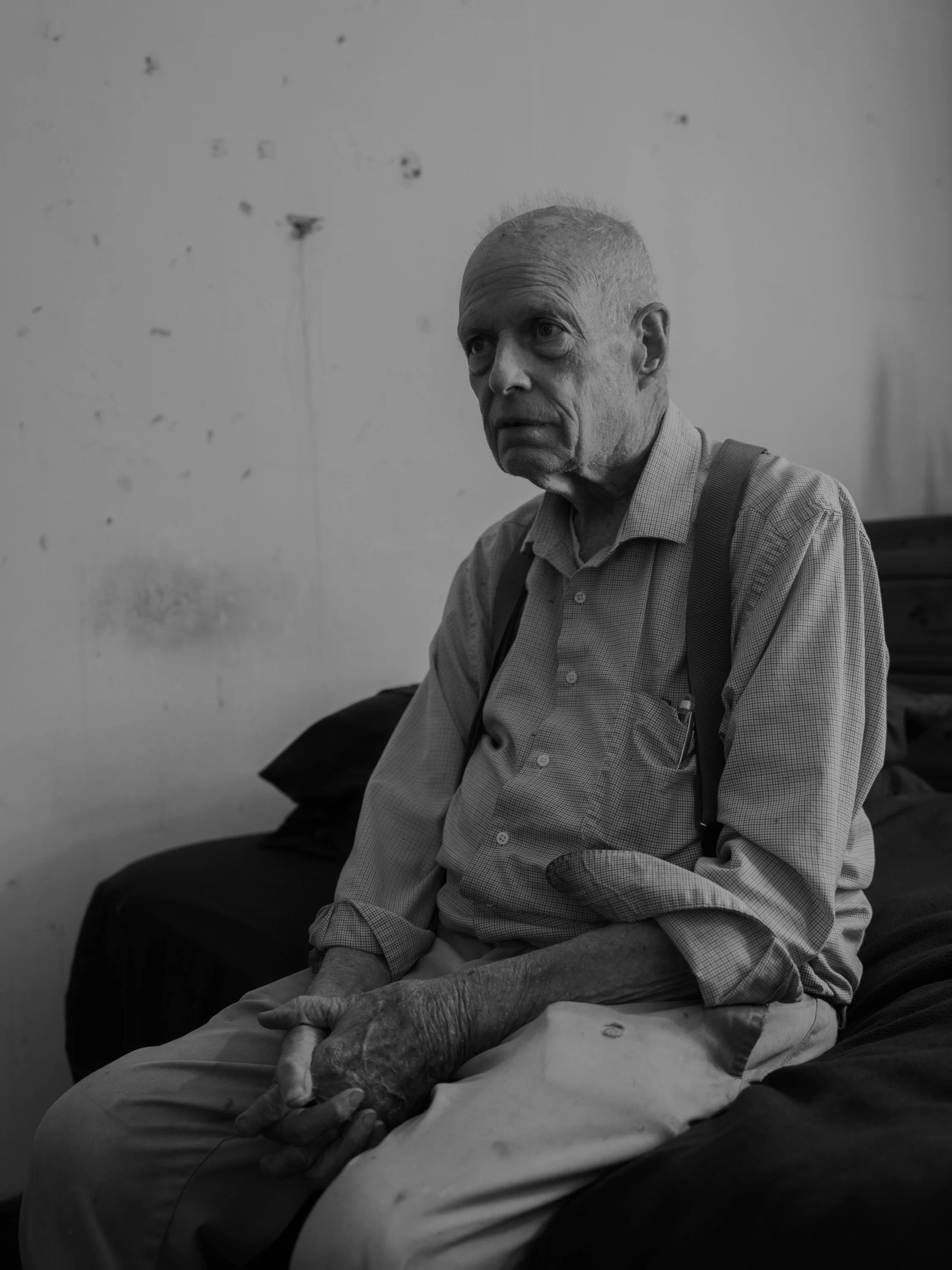
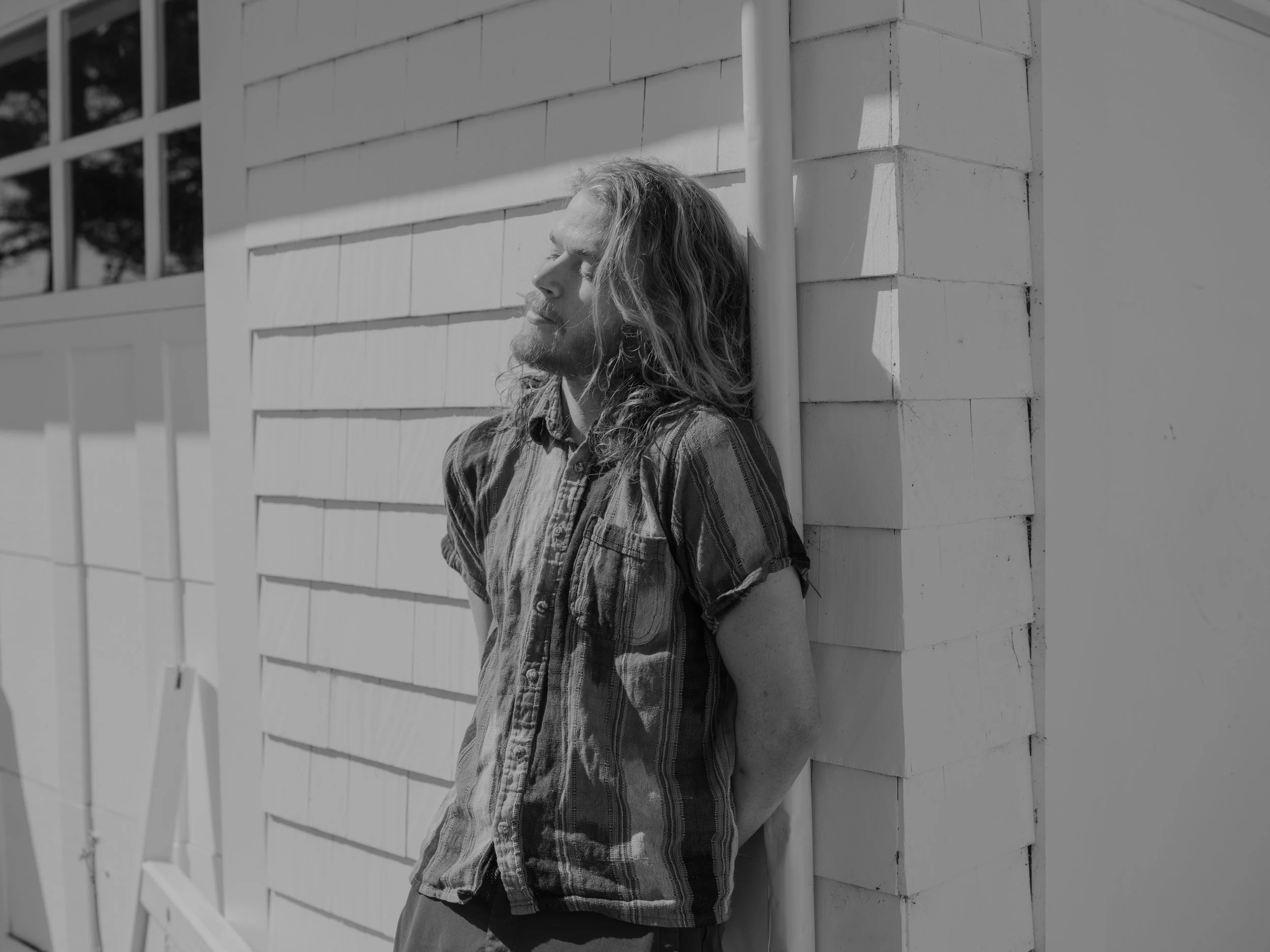
I don’t know if I’ll ever have a clear answer, but I do love color and plan to use more of it. Still, I often feel more connected to my subjects, people, landscapes, and objects in black and white. It keeps me present, removes distractions, and makes me focus on shape and texture. My black and white palette became softer and grayer after moving to California in 2022, a subconscious reflection of solitude, grace, and sensitivity in my life at the time.
Black and white simply feels more consistent to me, maybe even more poetic. For me, the best photographs hold mystery, can stand the test of time, make you think, and feel unique. And while black and white can shape that mood, it doesn’t make a photo better; it’s just a choice about what you want the image to say.
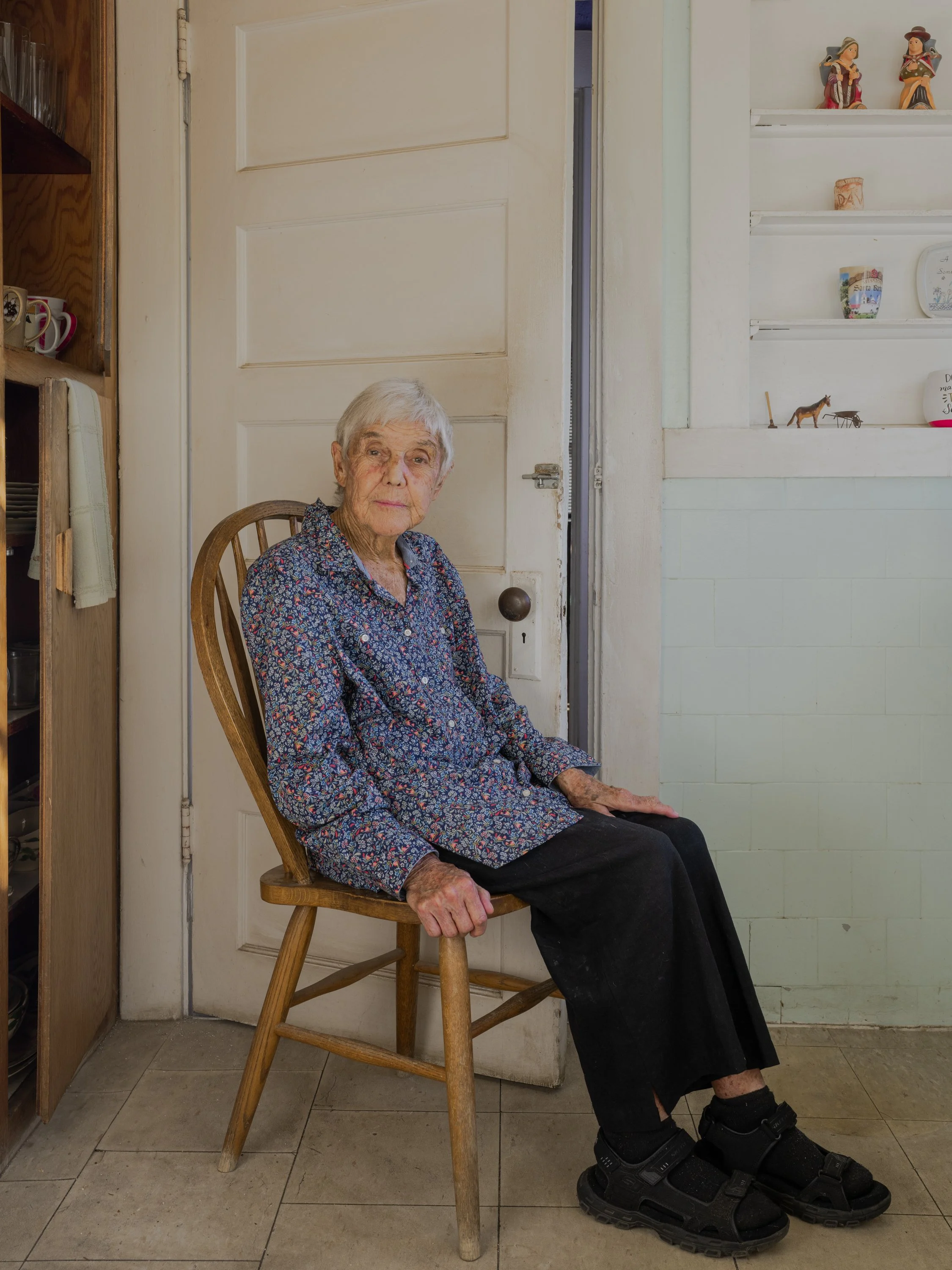
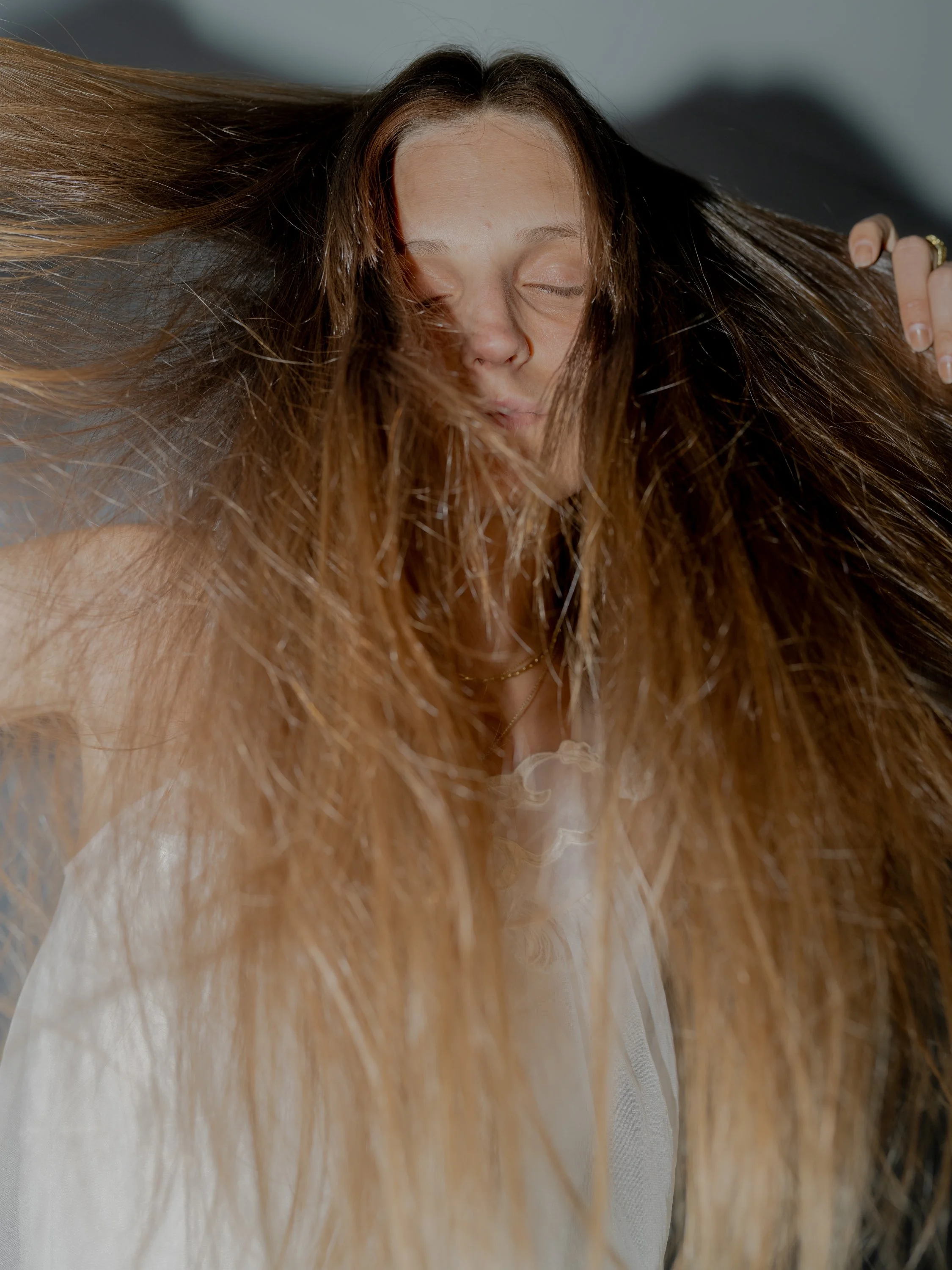
During our conversation you mentioned how your move from Arizona to California helped you discover your voice as an artist, how have you continued to shift scenery or your approach in order to not pigeon hole yourself? How has creating loose perimeters for your process allowed helped you?
When I moved to California, it felt like a bandage ripped off, an entirely new chapter in life and in my photography. I needed more life experience to develop my voice and style, which I see as connected but not identical. Being in a new landscape with new people pushed me to grow. I had no familiar locations or family to lean on; I had to rebuild everything from the ground up.
Los Angeles has plenty of creative energy, but so much of photography is simply where you stand. You have to put yourself out there, accept the long game, and face rejection. When I’m stuck, I change my perspective. If I've been to a place too many times, I’ll climb a tree or lie in the dirt and make a picture. Perspectives shift, places change, and photography is always a long term process.
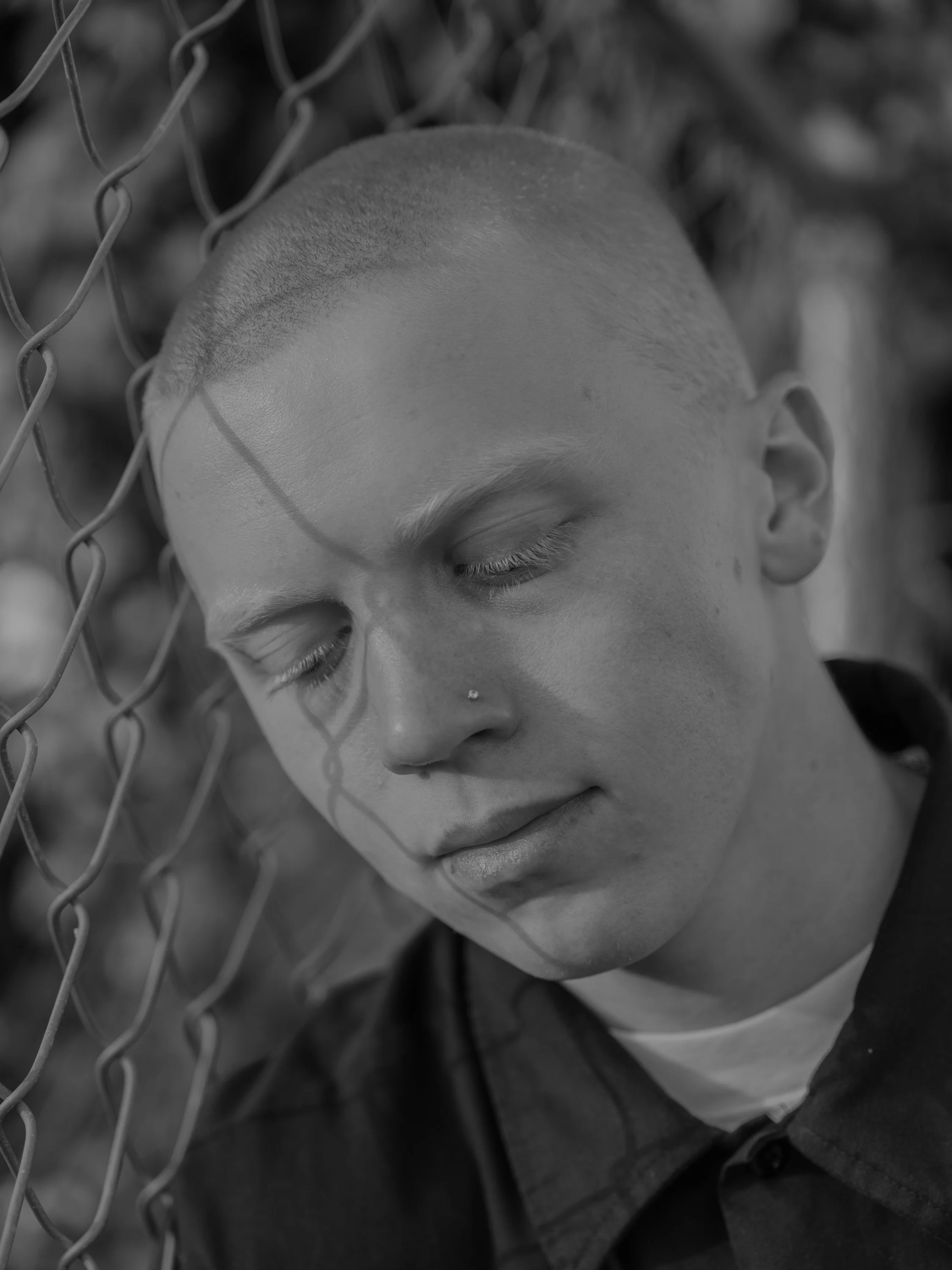
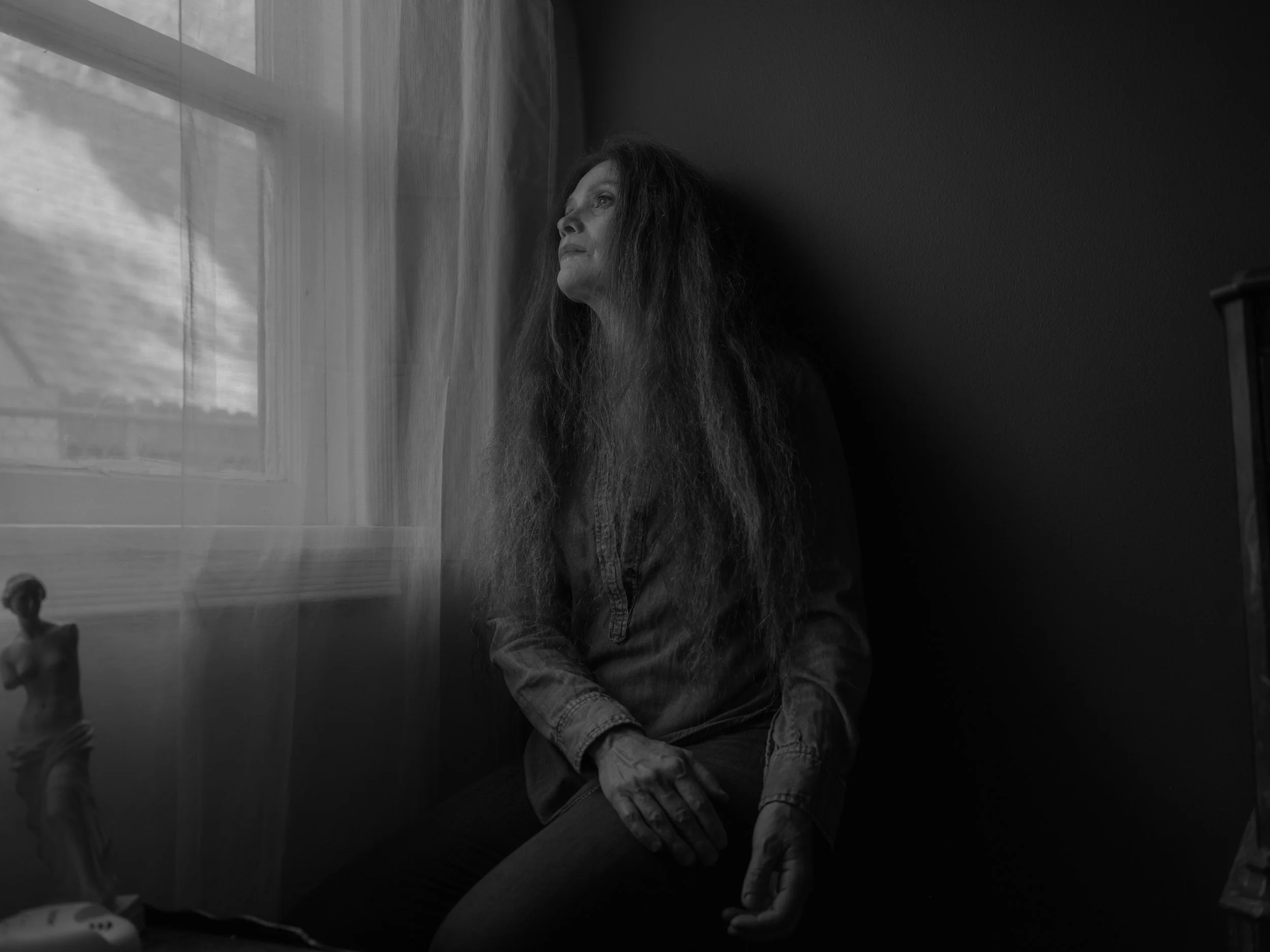
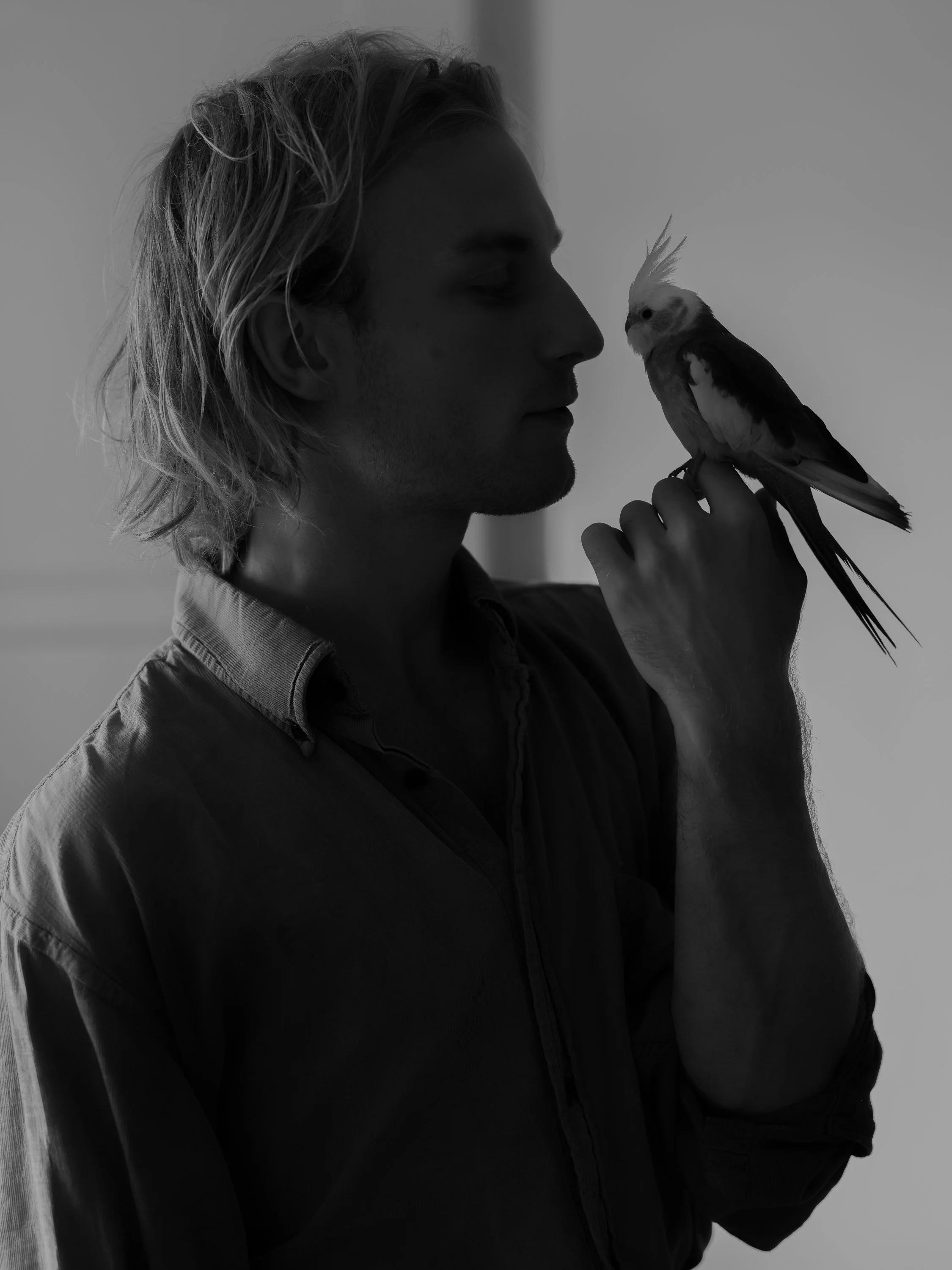
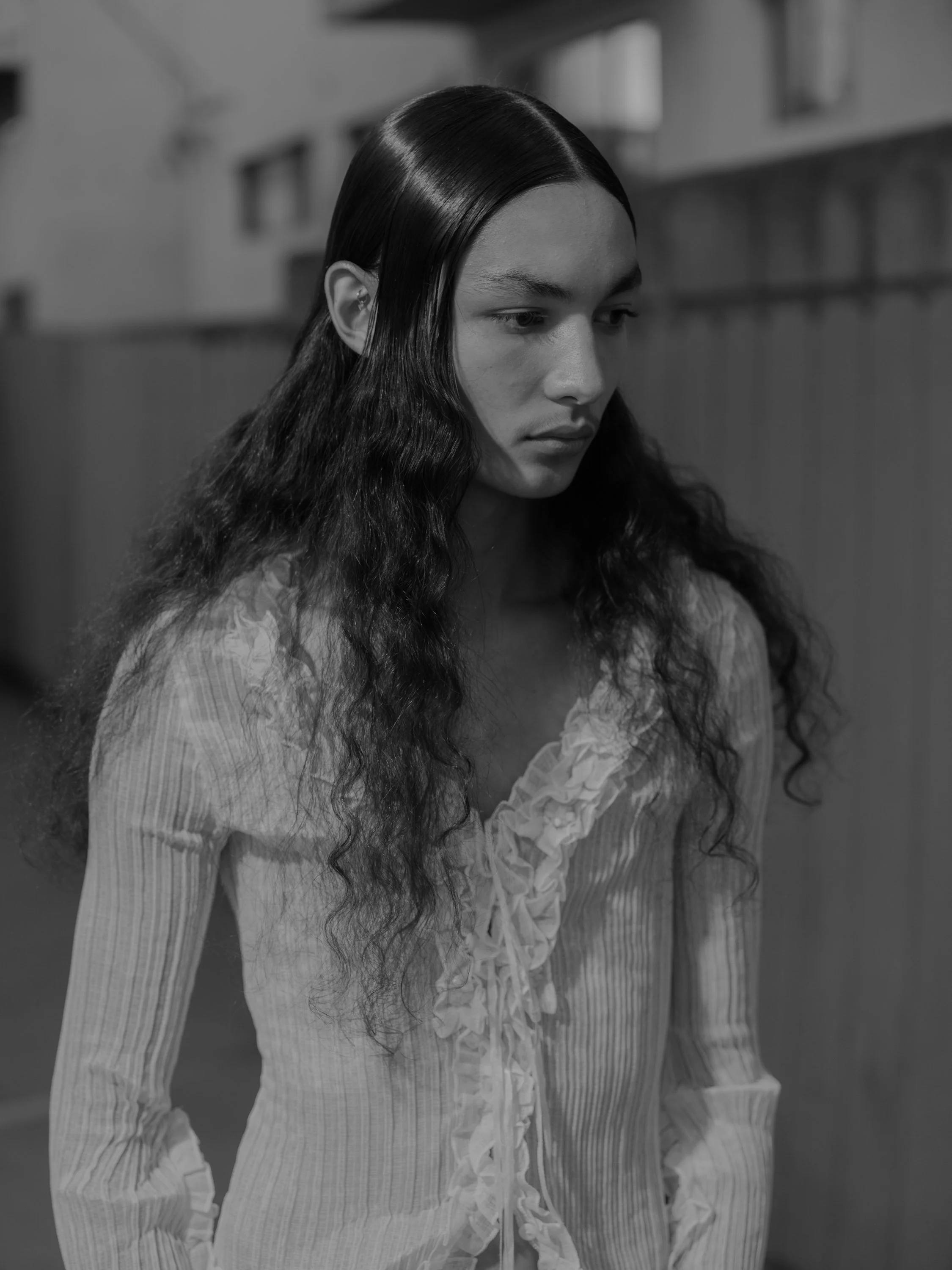
You described yourself as introverted, and understand how that lends itself to having a natural ability to make others feel comfortable. Can you talk about how your own qualities help you create that sense of ease, how you 'let them take the photo,' so to speak.
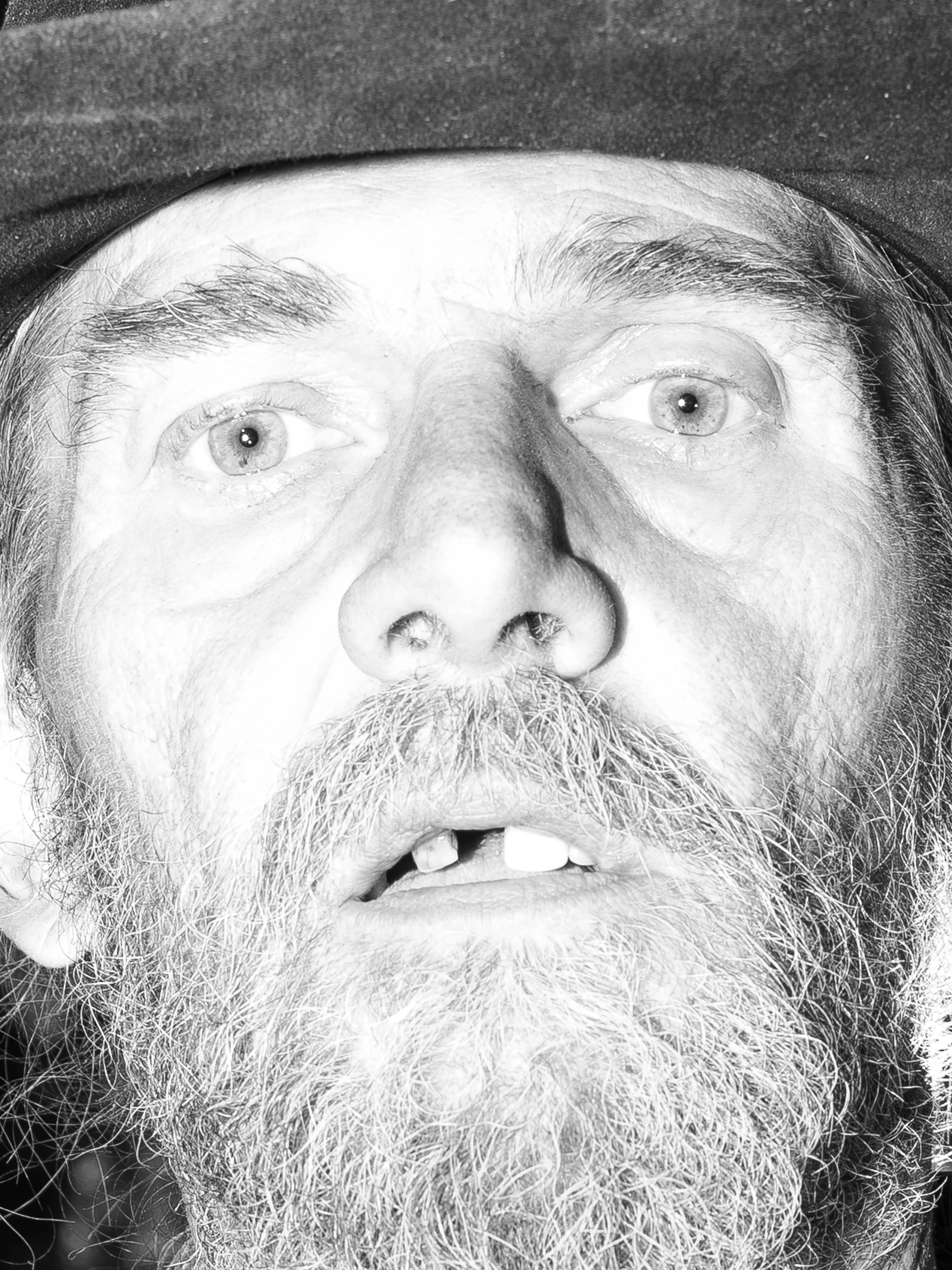
One of a photographer’s most important qualities is treating their subjects with sensitivity and respect. Above all, people need to feel comfortable, you want the environment to be at ease. I try to stay mindful, ask questions, and treat the process as a collaboration. I forget about the camera and focus on connection, whether the portrait is candid or posed.
I want my subjects to “take the photo for me,” to interact with the scene rather than just stand in it. The atmosphere dictates the image, and a calm environment helps. Portrait photography isn’t for everyone, but my favorite photos always involve people, which says something about me.
At heart, I’m introverted and shy, drawn to quiet moments. If my photography had a vignette, it would be strips of window light from window blinds on a wall at dusk, the last bit of golden light moving through the world.
Keep up to date with Stephen’s latest work here:
Website
Instagram