
Jon Moore
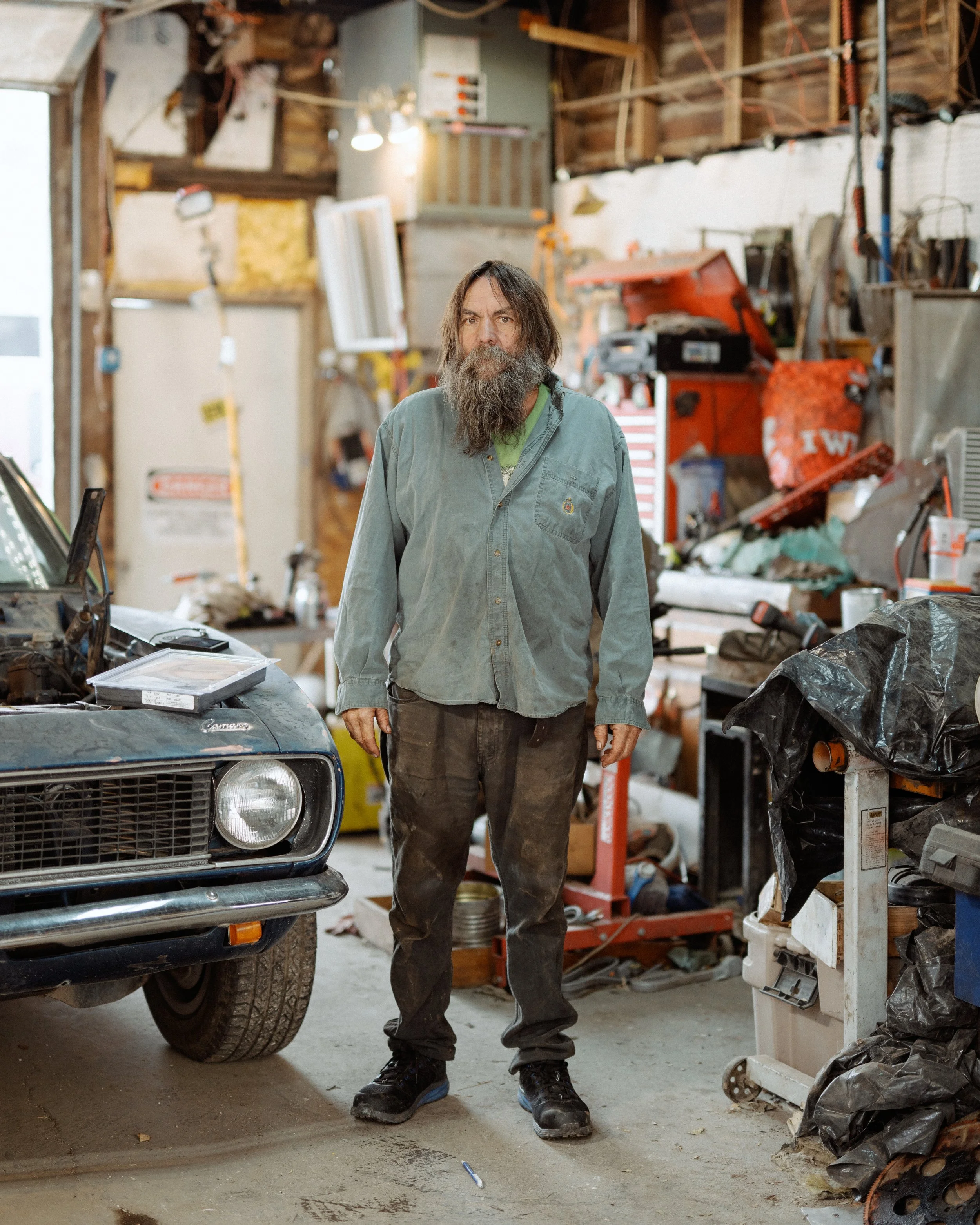
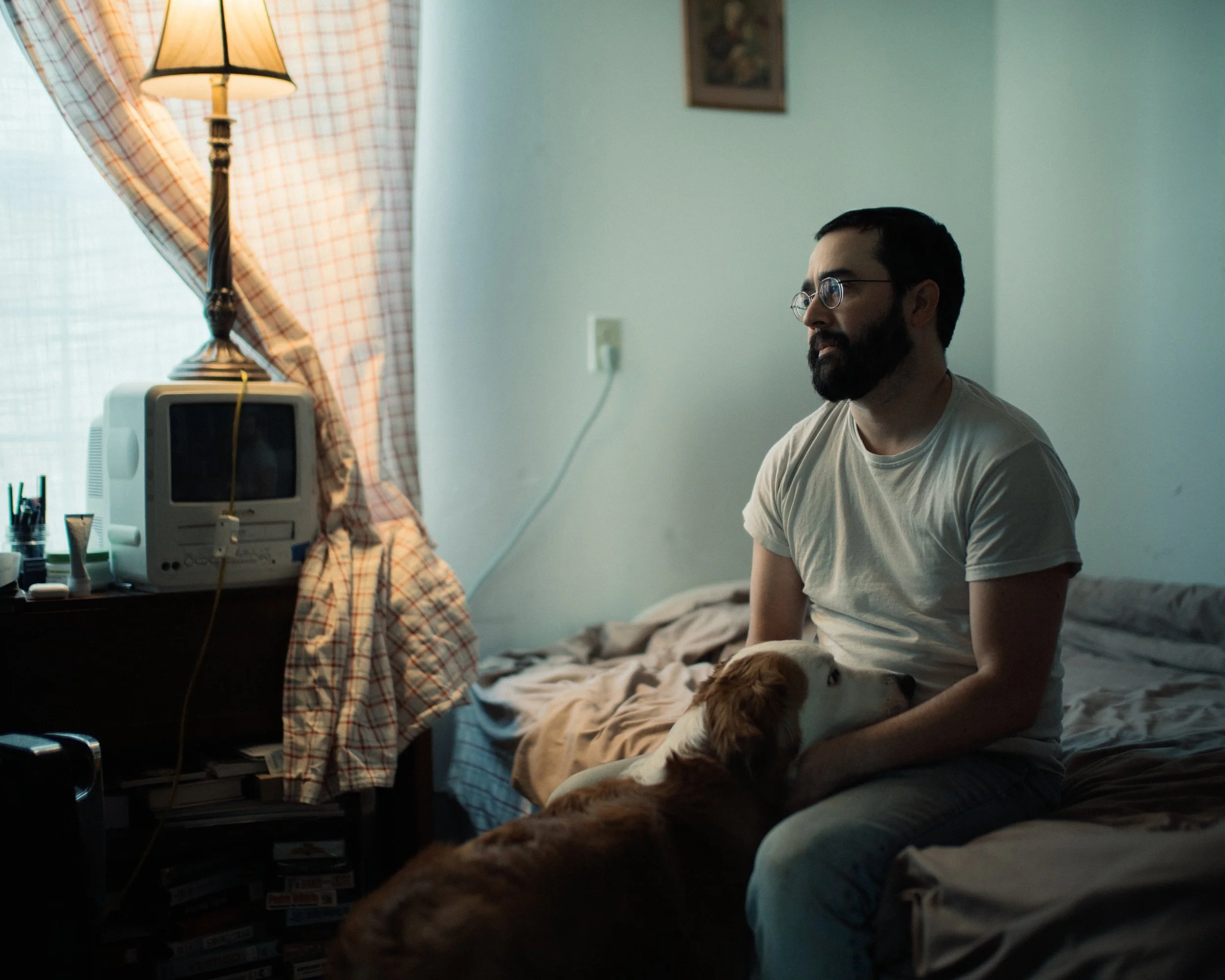
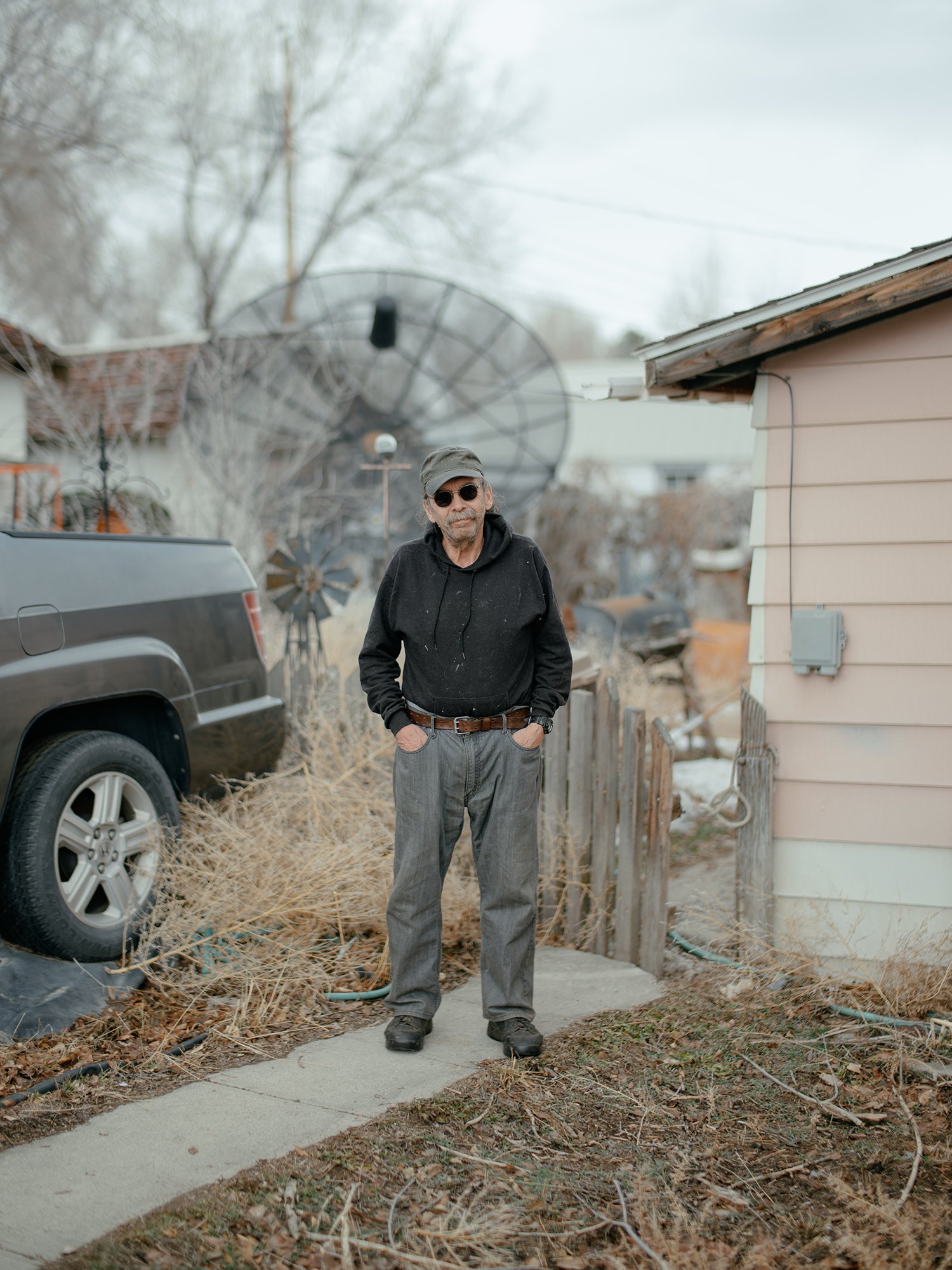
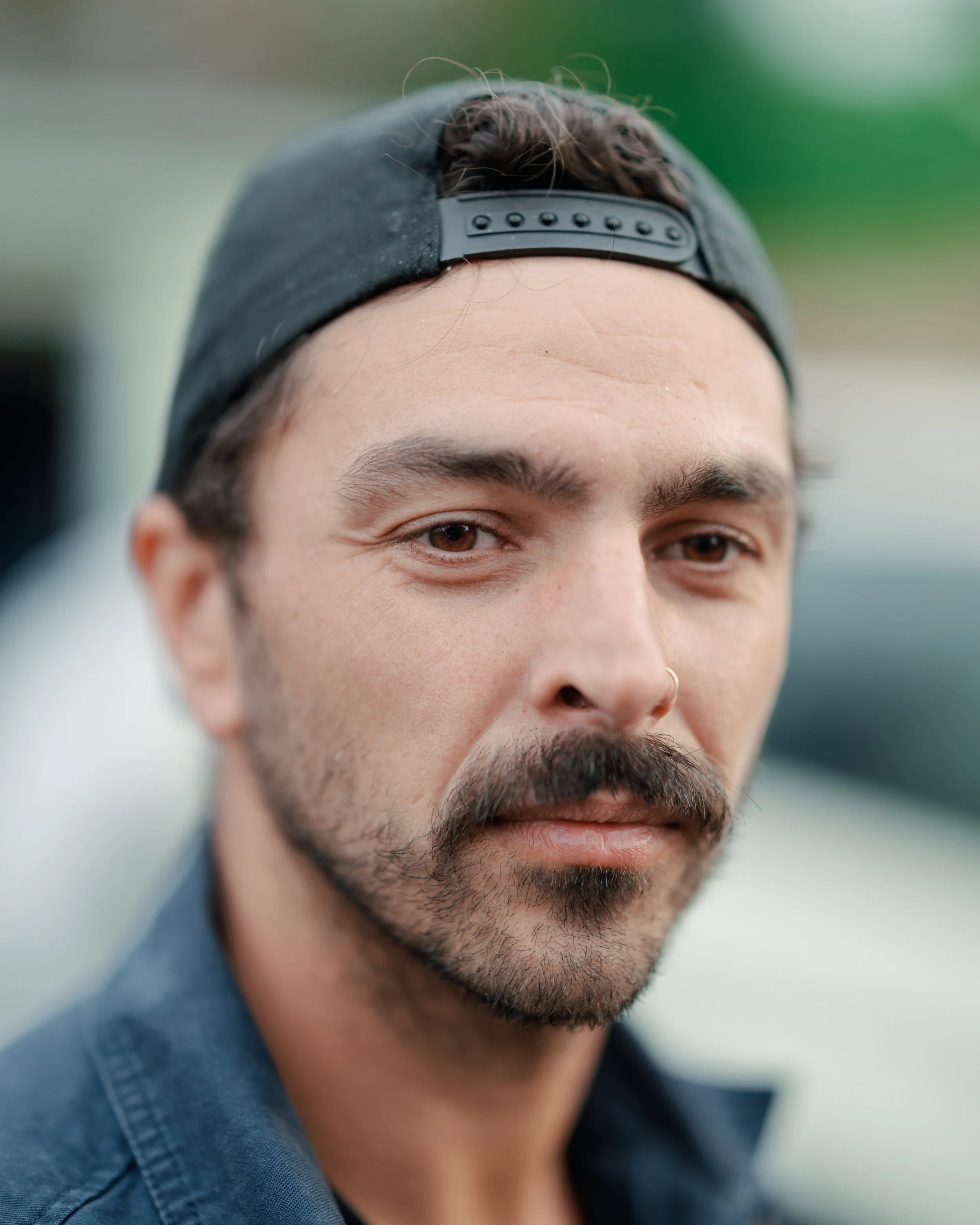
In my first conversation with Jon Moore, it felt as though I was sitting beside him on the couch where a pivotal moment in his life had shaped the way he sees the world. Jon makes decisions by asking himself a simple question: Will this take me one step closer to what I want? And what he wants is far removed from the white picket fence version of the American Dream.
He wants to experience life in the company of others. He does that by walking into taverns, striking up conversations, and treating every stranger like a friend from the moment they meet. His warmth and willingness to say yes to whatever life offers carry him far beyond where a map ever could. As he leans back to frame a photograph, a rat might dart across the scene, or he might find mold floating in the coffee mug he's just been offered. None of it deters him. Every unexpected moment brings him one step closer to what he's really after, a genuine experience of life.
Jon warned me that he isn't poetic, but after hearing the way he's navigated life, I realize it's often hardest to recognize the poetry within ourselves. His story begins with an obsession to understand how things work and a trip to New York, where his mother let him borrow her camera. Experiencing the city through a viewfinder fixed his relationship to the world in a way that never left him. I think Jon is still that same person today, driven by curiosity, wondering why people choose to live where they do, and believing the best way to understand them is by meeting them where they are.
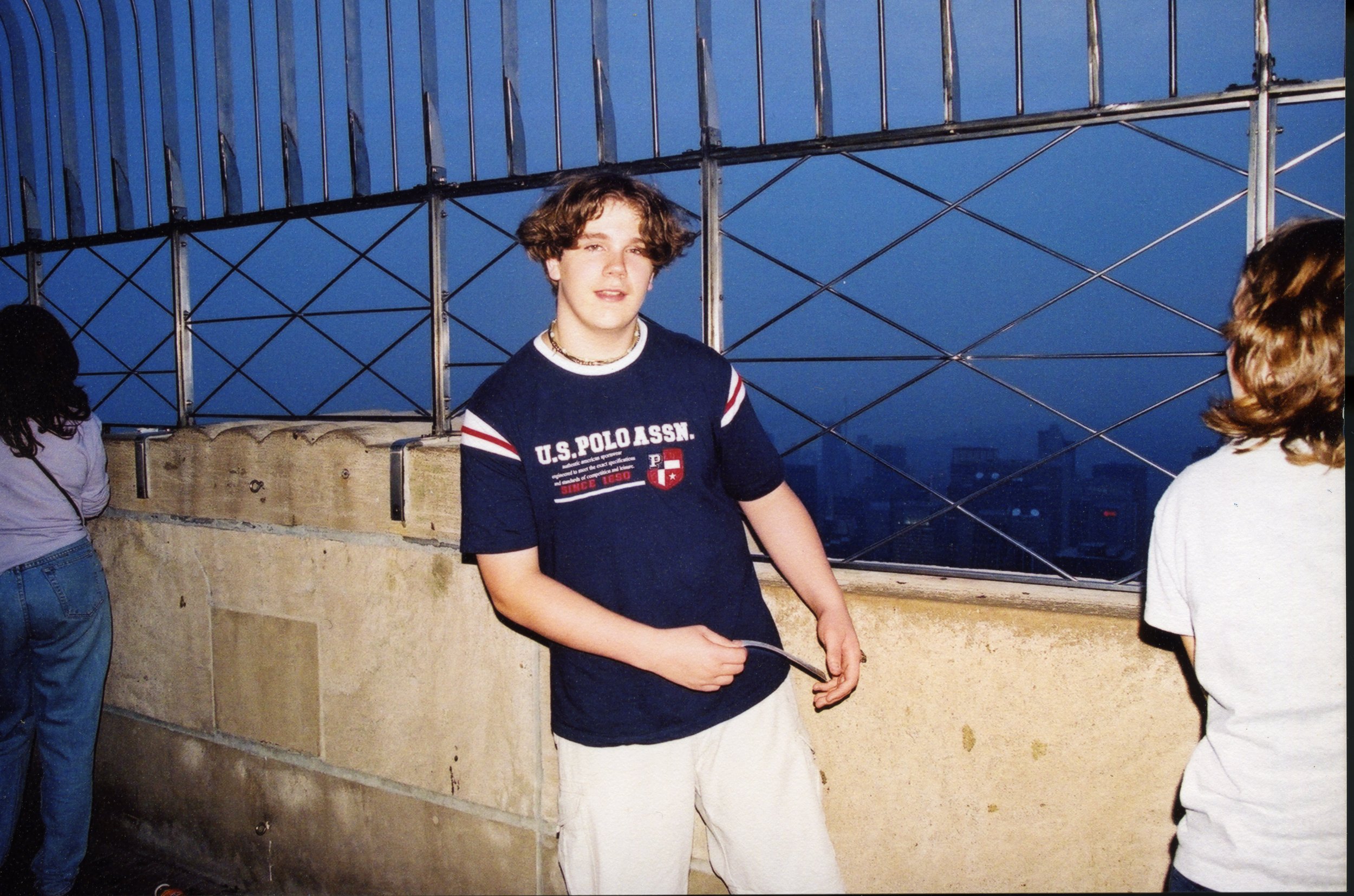
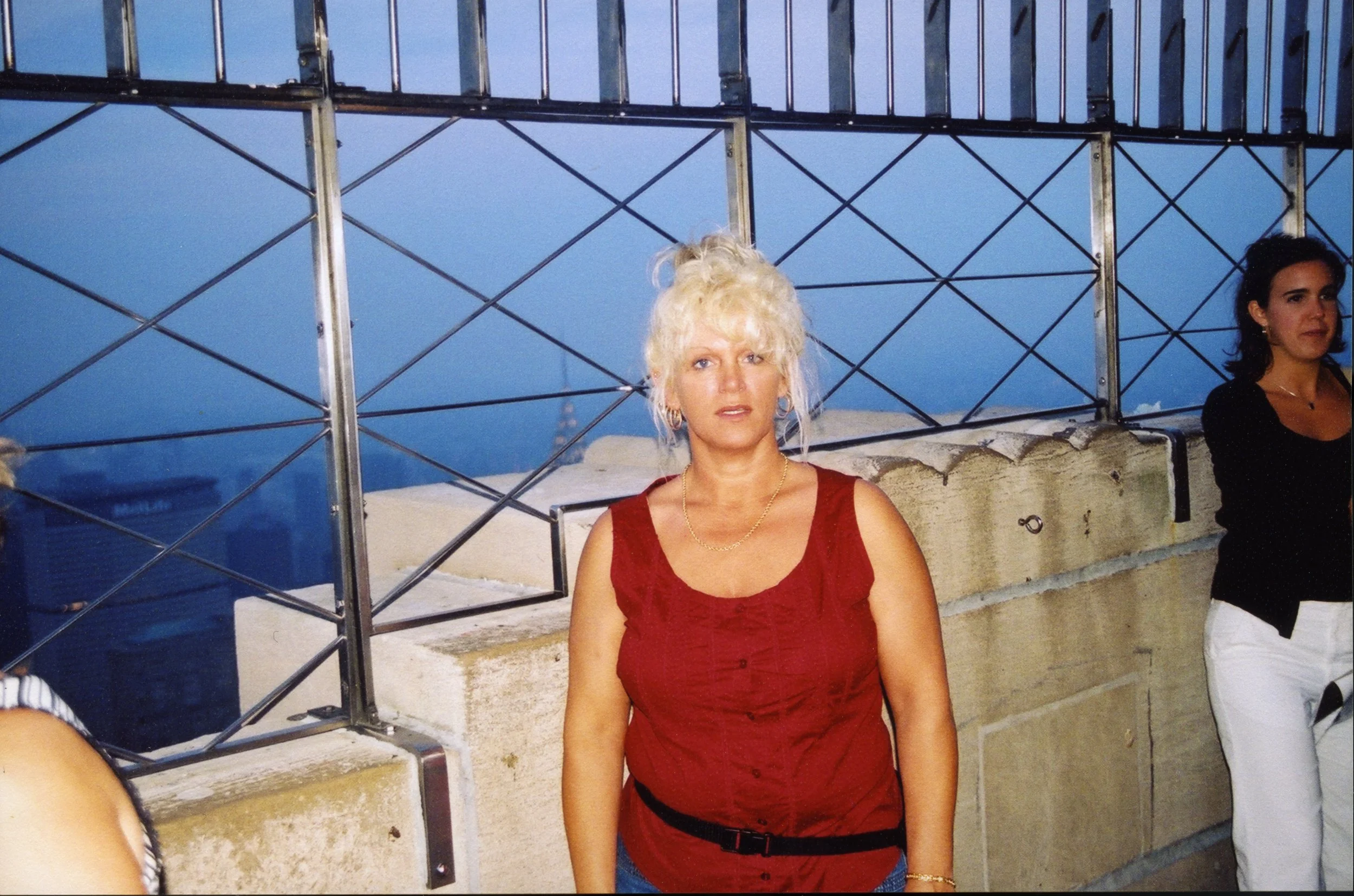
You shared that, from a young age, you were driven by a curiosity to understand how things worked. Sometimes that curiosity got you into trouble, as you took things apart to figure them out. Then, at 13, you took a trip to New York, and your mom finally handed you her camera. What did that moment feel like? What was it like to experience a place so different from home? How did photography become another way of exploring how things worked, only this time, instead of taking things apart, you were observing and making sense of the world through images.
I took my camera apart to try to understand how to use it. Everyone who has picked up their first manual camera has their own horror story, film coming back completely blank, or having no idea what all those settings actually do. There was so much to learn, and I think that’s what intrigued me most.
I went to New York and began to photograph. The feeling of using a real camera for the first time was everything to me, and I was in one of the best spots in the world to use one. I was able to frame the things I wanted in real life into a single image. I loved it.
After seeing that binder full of images from our trip to New York, I began to realize what I could actually accomplish with a camera. Each photograph unlocked something I had already begun to forget. I could remember the smell of the street, the weather that afternoon, the conversation happening just outside the frame. I realized that photographs weren’t simply records of what something looked like. They were vessels for memory, capable of holding an entire experience inside a single frame.
That realization has stayed with me ever since. Photography became less about documenting what was in front of me and more about preserving the feeling of having been there. It’s still how I approach the medium today: as a way of paying closer attention to the world, trusting that if I look closely enough, the photograph might reveal something I didn’t even know I was looking for.
As your interest in photography grew, it eventually led you to art school. You started out as a Graphic Design major, but it didn't take long for your peers in your one photography class to ask the obvious question, "Why aren't you a photo major?"
From there, we talked about your time in school and you shared how you felt that you didn't quite fit in. Then you stopped and asked me, "Do you want the real story?" My answer was simple, "Fuck yeah, I do."
So, tell us about the dinner, the couch, and what it means to make a decision to get one step closer.
I wasn’t particularly interested in continuing down the Graphic Design path, especially after Alec Soth gave a lecture at my school that same semester. We all know how much of a poet he is, and it was the first time I had ever heard someone talk about photographs that way. It completely changed how I thought about the medium. I remember later that evening getting invited to dinner with him and several other students. I asked my professor if it was an expensive restaurant, and she assured me it wasn’t. It was. I had just gotten paid $500 that day for donating a printer to the school, and I was pretty excited about it. Mind you, $500 was a lot of money for a college kid in 2011. I didn’t get much of a chance to talk to Alec that night, but it felt worth it to use my money to explore what inspired me.
I stayed in school for another semester, but eventually had to drop out because I couldn’t afford another year. I stayed with friends and once I even moved in with a girlfriend’s grandparents to get by. When that relationship ended, I got a job as a janitor and ended up on my friend’s couch, sharing the place with him, another friend, and three pit bulls. It was chaotic, but honestly, I kind of miss those days.
Through all of this, I was still photographing, both film and digital, and I needed a computer to edit my work. I no longer had access to the school’s resources, and I really needed something of my own. A friend was selling a brand-new Mac Mini that he didn’t like, and I jumped at the opportunity.
Buying a computer to edit my photographs was somehow more important to me than finding a new place to live. And it worked out. I ended up using that computer for the next ten years. Like the dinner, it was an investment, and it got me one step closer to my goal.
You're the first person I've interviewed who has said they'd rather be in the company of others than work alone. As our conversation unfolded, I noticed something that every person you mentioned was described with such warmth. It brought me back to your story about not being able to afford a seat at the table. In many ways, it feels like you've spent your life creating your own table, one that anyone can pull up a chair to, wherever you go.
That metaphorical table seems to have shaped the way you move through the world. You understand that people want someone to talk to, that all of us crave connection from time to time. Can you talk about how you approach people, what happens when you greet strangers as friends, and how those conversations have led you to places no map ever could?
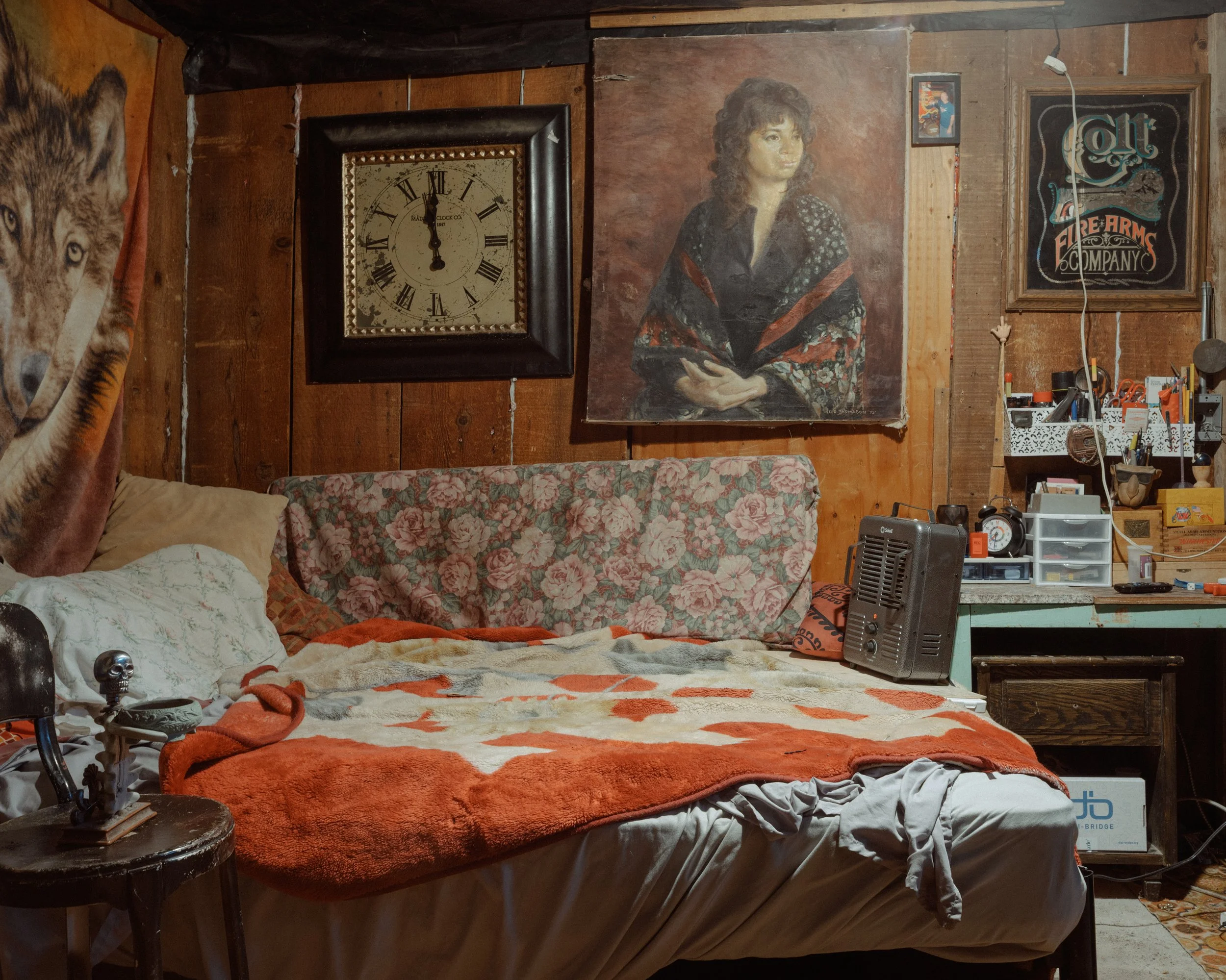
So that’s kind of the power of talking to people, right? You gain access to things you never would have found on your own. Be patient with people. Most people are lonely. They’re looking for someone to talk to. If you show up without introducing yourself or starting a conversation, especially if you’re wandering around with a camera, people can get suspicious. They see someone doing something unusual and assume the worst. But if you take the time to talk to people first, everything changes. A conversation becomes a gateway. It builds trust, opens doors, and often leads to experiences and photographs you never would have found otherwise.
I also let my guard down tremendously. I’ll let people tease me or make fun of me if they want to. It’s a good way of showing them that I can take a punch, and I think it makes people feel more comfortable around me. I listen to people. I ask questions. I never brag about anything I’ve done or anything I own. After all, you can’t learn anything if you’re the one doing all the talking.
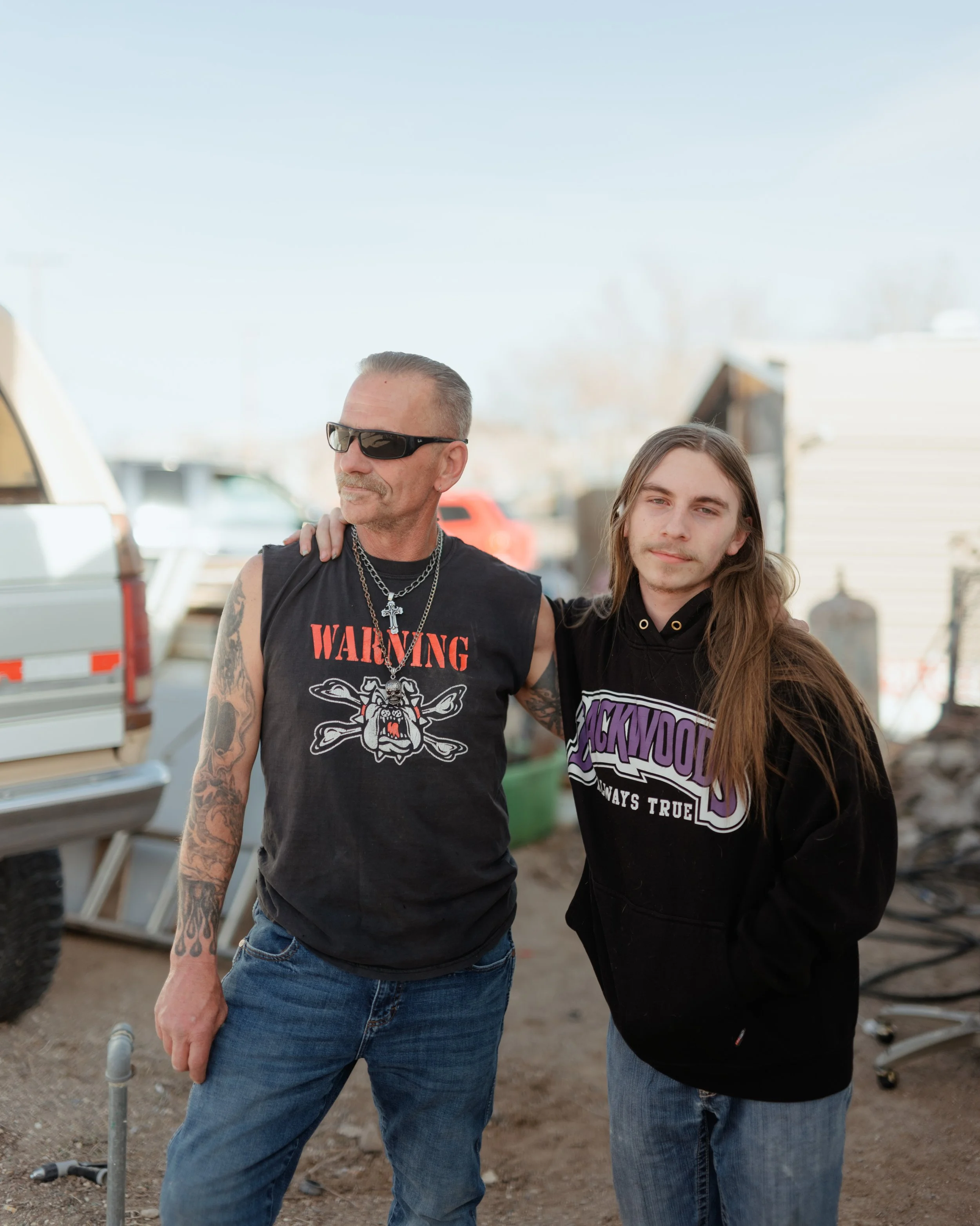
I met Phil in a town called Tonopah, Nevada. I was riding around in a rental truck with my friend Lucas, which is a pretty common thing for us to do. We had planned to photograph the town at sunset, and as we were getting ready to park, I noticed an interesting looking guy pulling up on a motorcycle. I had to make his portrait.
The first thing I said to him was, “That’s a cool bike.” He thanked me and started telling me about it. From there, I asked where he lived and what he did for work. It turned out he was a miner, which is a pretty common occupation in Nevada. He lived in a neighboring town called Goldfield, one of the most interesting places I’ve ever visited. I’d been wanting to meet someone from there ever since I first went a few years earlier, and here was my chance.
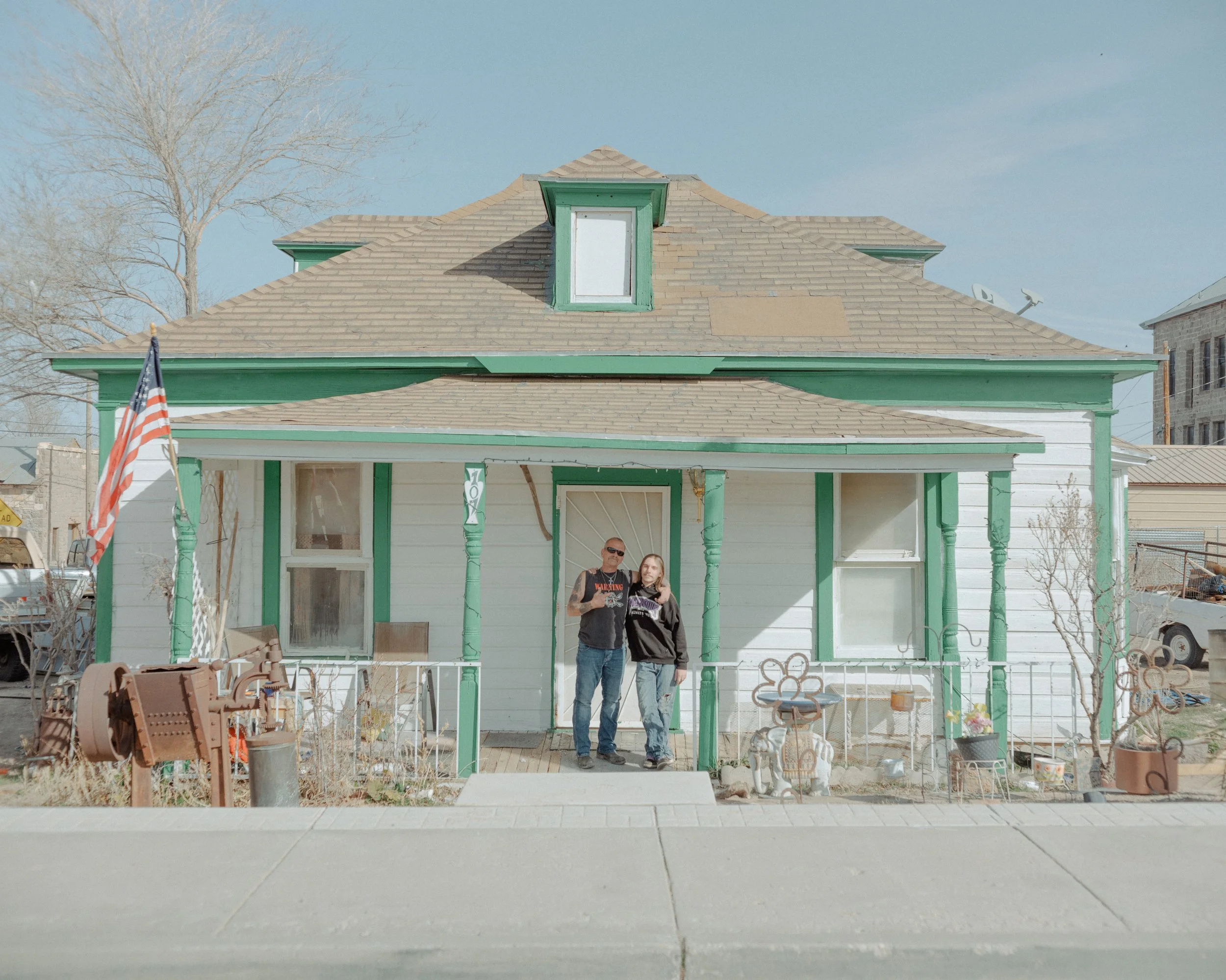
He ended up inviting Lucas and me over the next morning to show us his old house and an old miner’s shack on his property. Turns out, his son lives in the main house, his wife lives in an RV out back, and Phil lives in the old miner’s shack.
Fast forward to 6 a.m. on a freezing morning, and Phil is inviting us into his house for some instant coffee. I look down at the bottom of the cup he handed me and notice there’s mold in it. I quickly wash it out in the sink and hesitantly make myself a cup anyway.
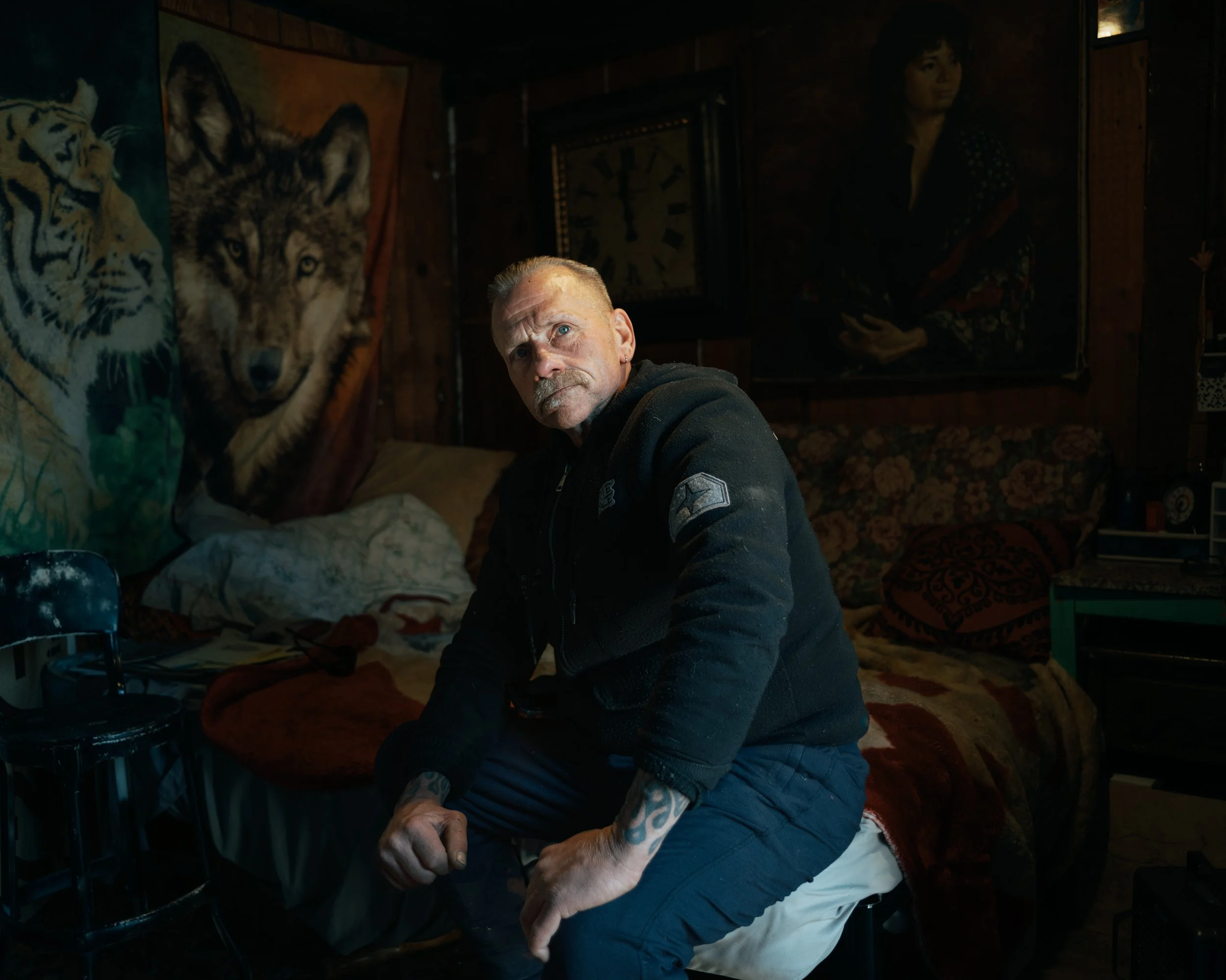
At one point, I set up my tripod on the couch inside the shack to photograph him. As I’m looking around, I notice a gigantic rat climbing up the bedside table, an indication that I’m in the right spot.
After that, Phil shows us pictures of himself from his days as a firefighter, along with other memorabilia. He tells us stories about prison, firefighting, and mining. He keeps showing us interesting things around the property before eventually taking us to an abandoned mine just outside of town.
We follow his F-150, which apparently doesn’t have brakes, into what looks like a Martian landscape. At one point, he pulls over because he’s afraid to drive any farther down a hill, so he hops into our truck and we continue on together.
We see the open pit mine and eventually head back toward his truck. We follow him home. As Phil approaches his driveway, he realizes he needs to slow the truck down. His solution is to make a U-turn, drive over the sidewalk on the opposite side of the street, and use that to bring the truck to a stop. We then help him push the truck back into his driveway before making a portrait of him with his son.
I could write about many of the people I’ve met over the years. This story barely scratches the surface of everything that happened that morning. And honestly, that’s the point. You never really know where a conversation is going to take you. Sometimes it leads to a photograph. Sometimes it leads to an experience. And sometimes, if you’re lucky, it gives you a story that stays with you long after you’ve left.
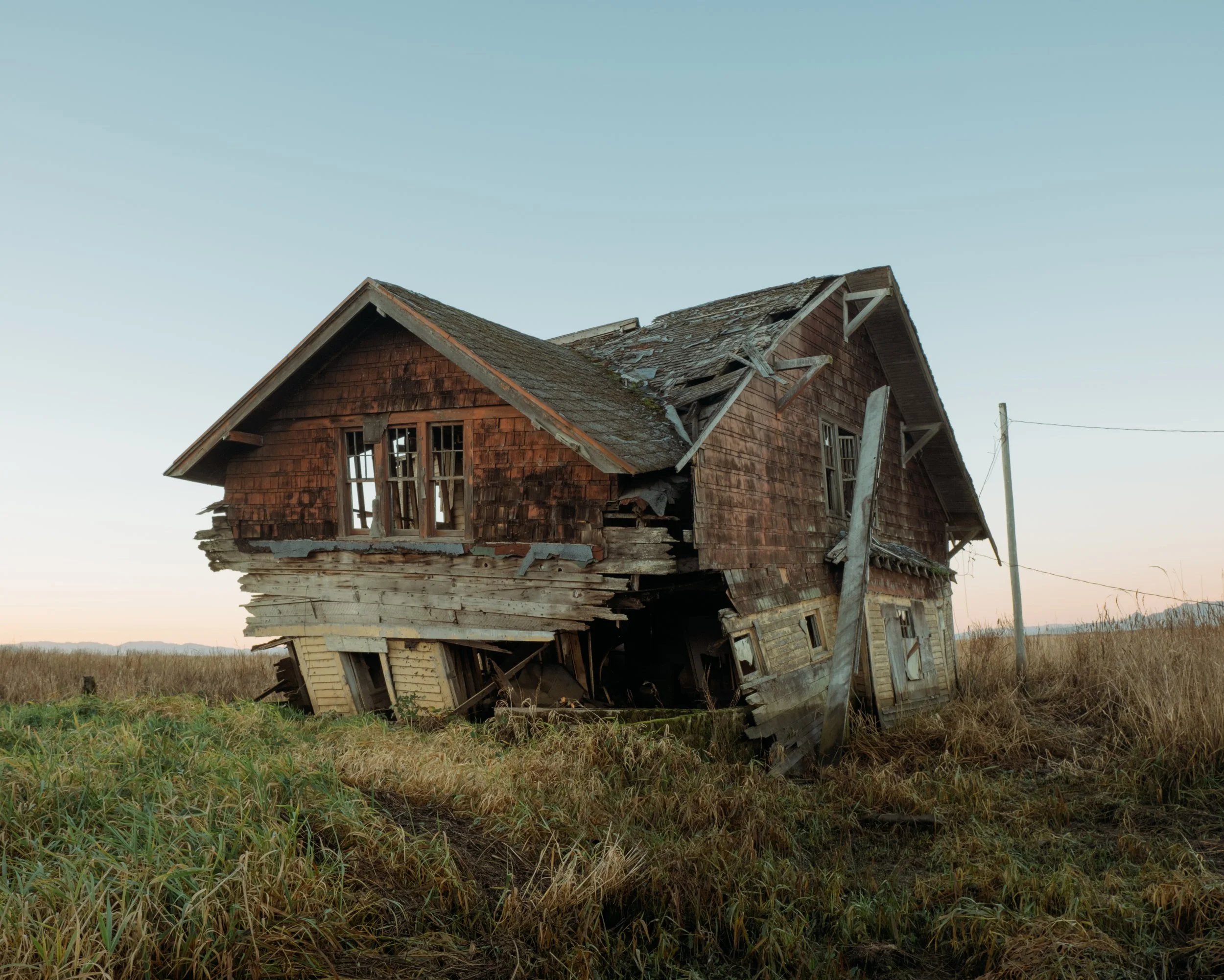
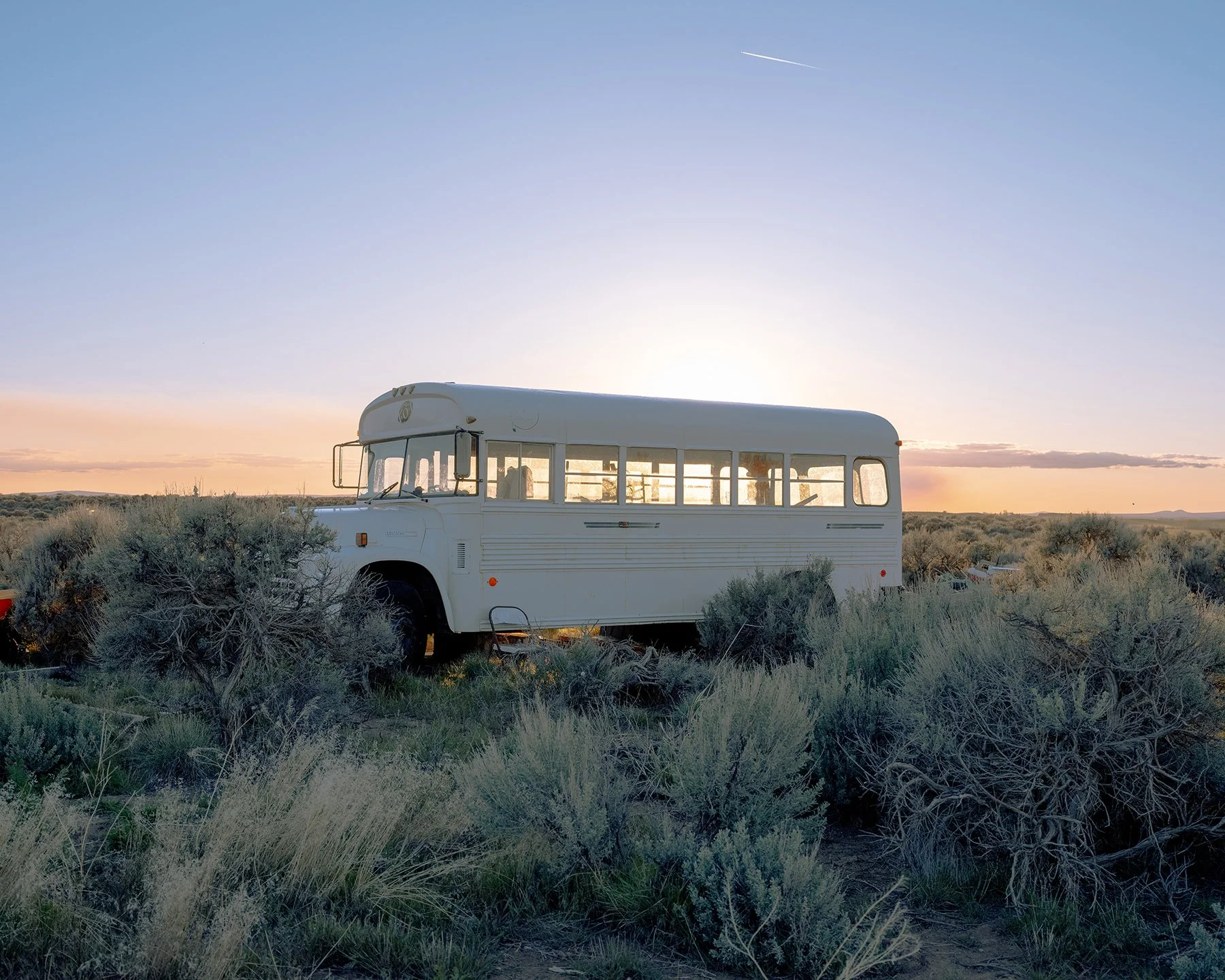
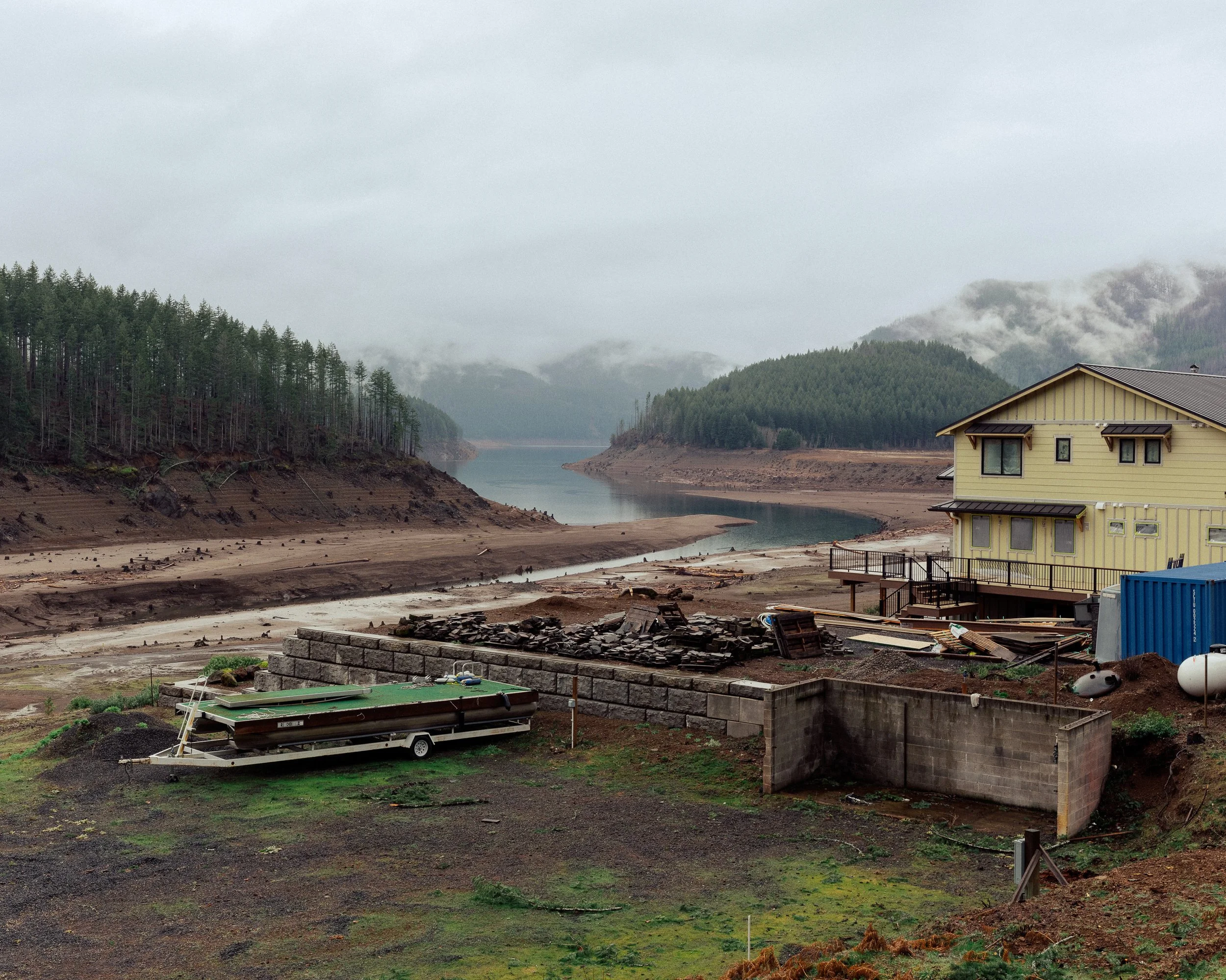
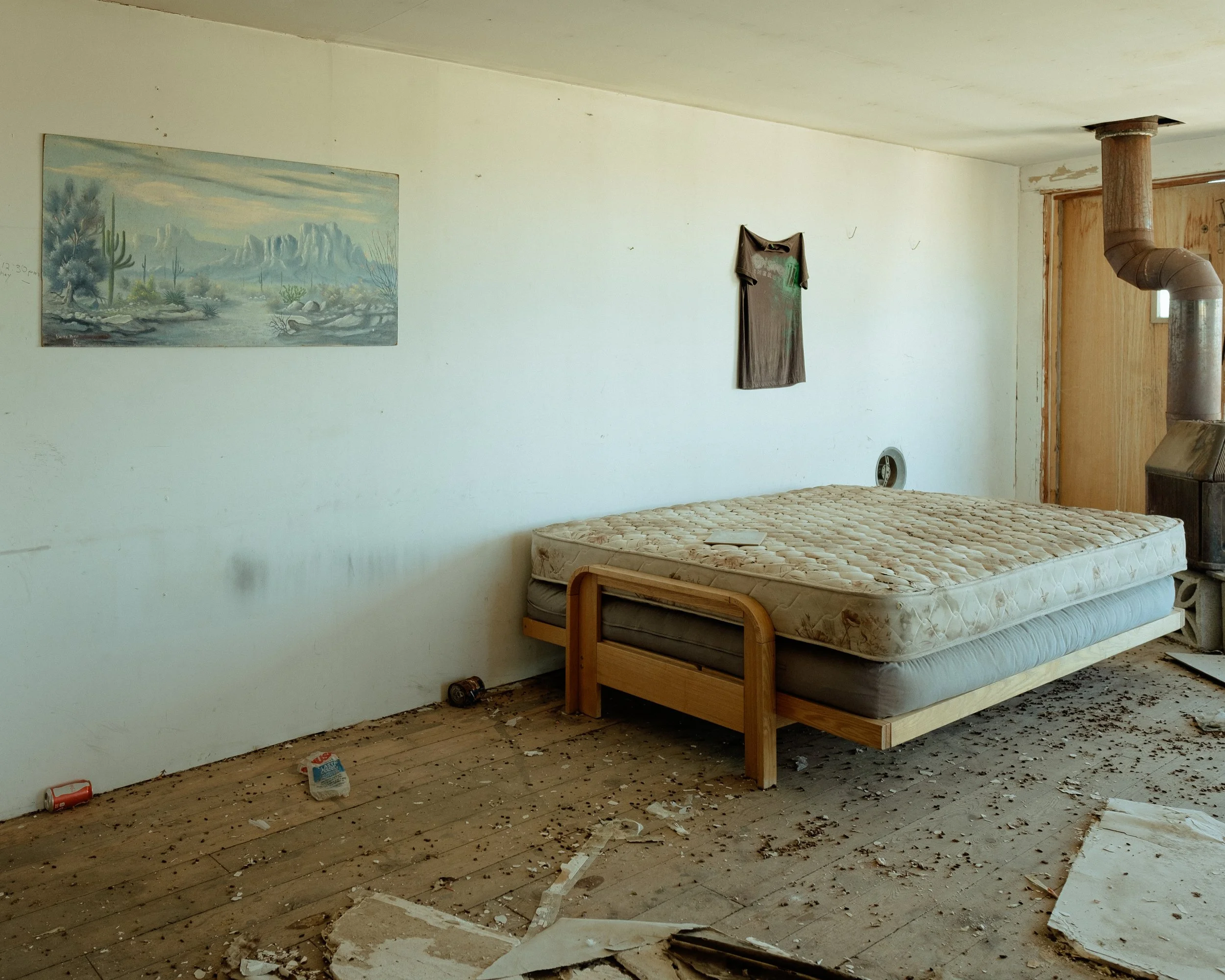
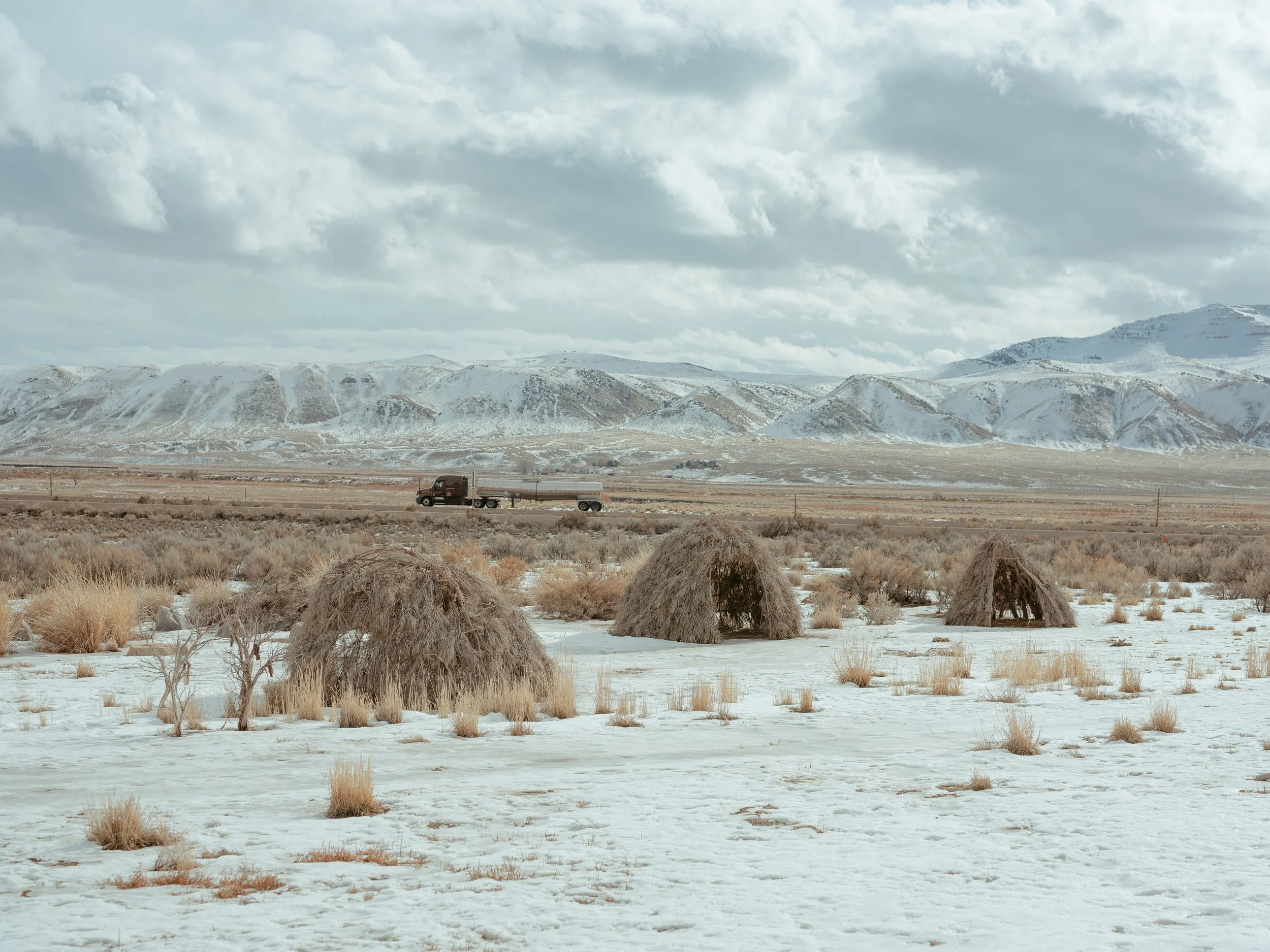
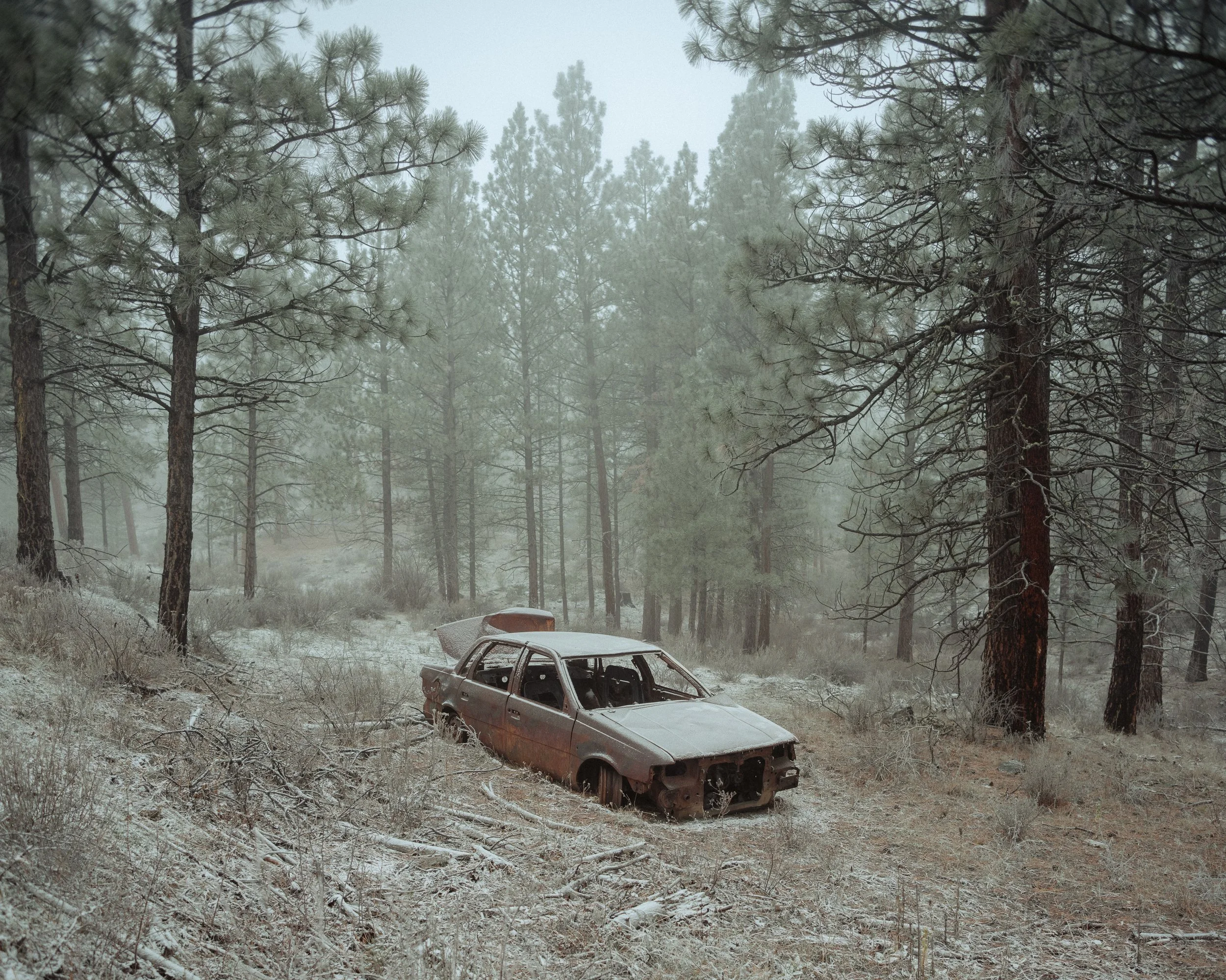
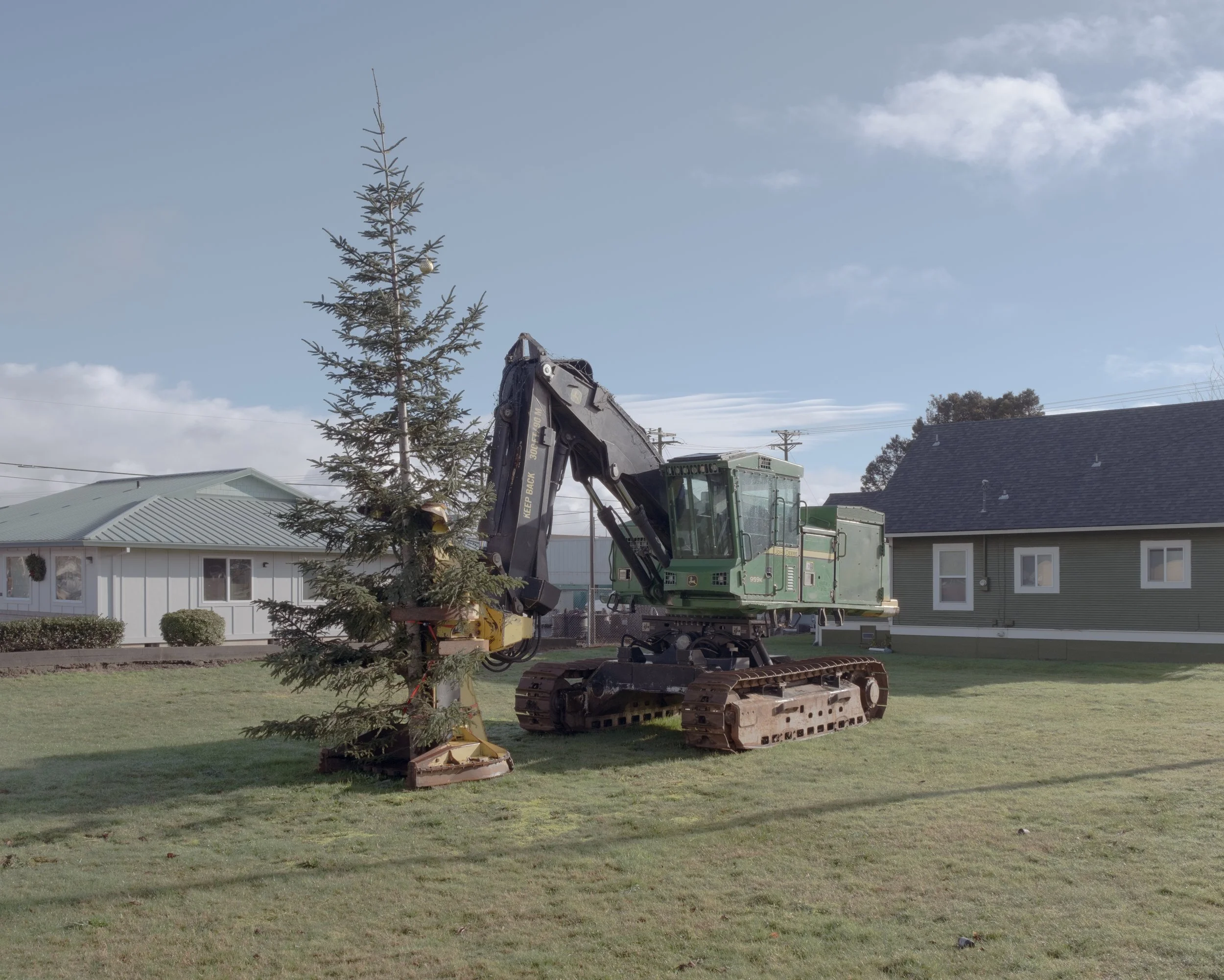
The majority of your work features ‘human affected landscapes,’ images that show our footprint, our past presence on a landscape. I'd love for you to talk about what draws you to a particular location in the first place, and once you arrive, how you begin to move through it. What does it mean to circle a place, and what are you looking for as you slowly come to understand it? Why is it important to you to document a variety, so that you aren’t just “collecting spoons?” What does that variety help convey?
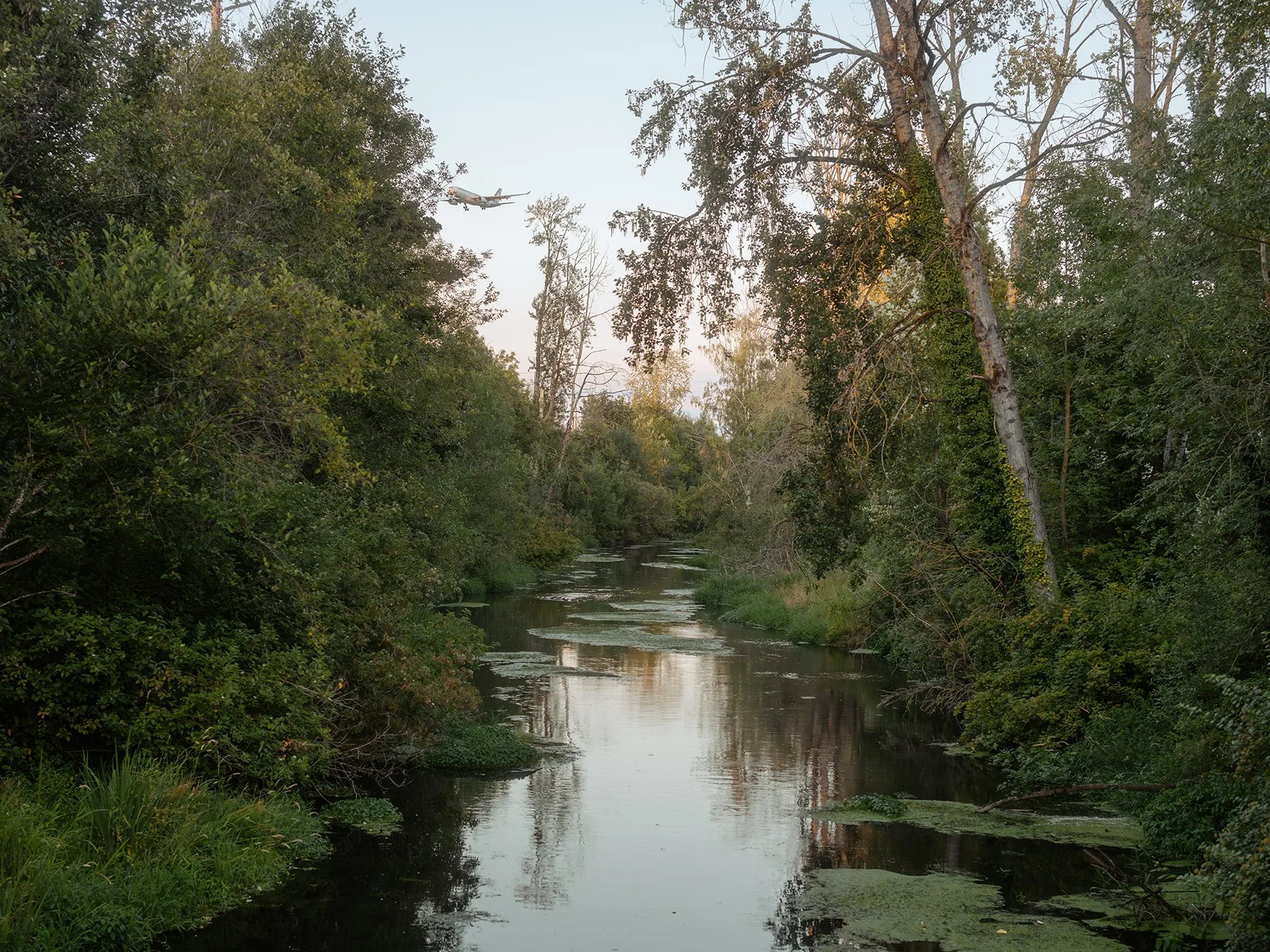
I’m always open to photograph any area on a map, but first I try to find a point of interest and then expand out from there. The point of interest can be inspired from an article I read online about a small town, a friend of a friend that might know an interesting person in that town, or just scanning satellite maps all day until I find something interesting. If I get enough points of interest in a certain area, I’ll make a trip out of it. I usually have to have at least three of them.
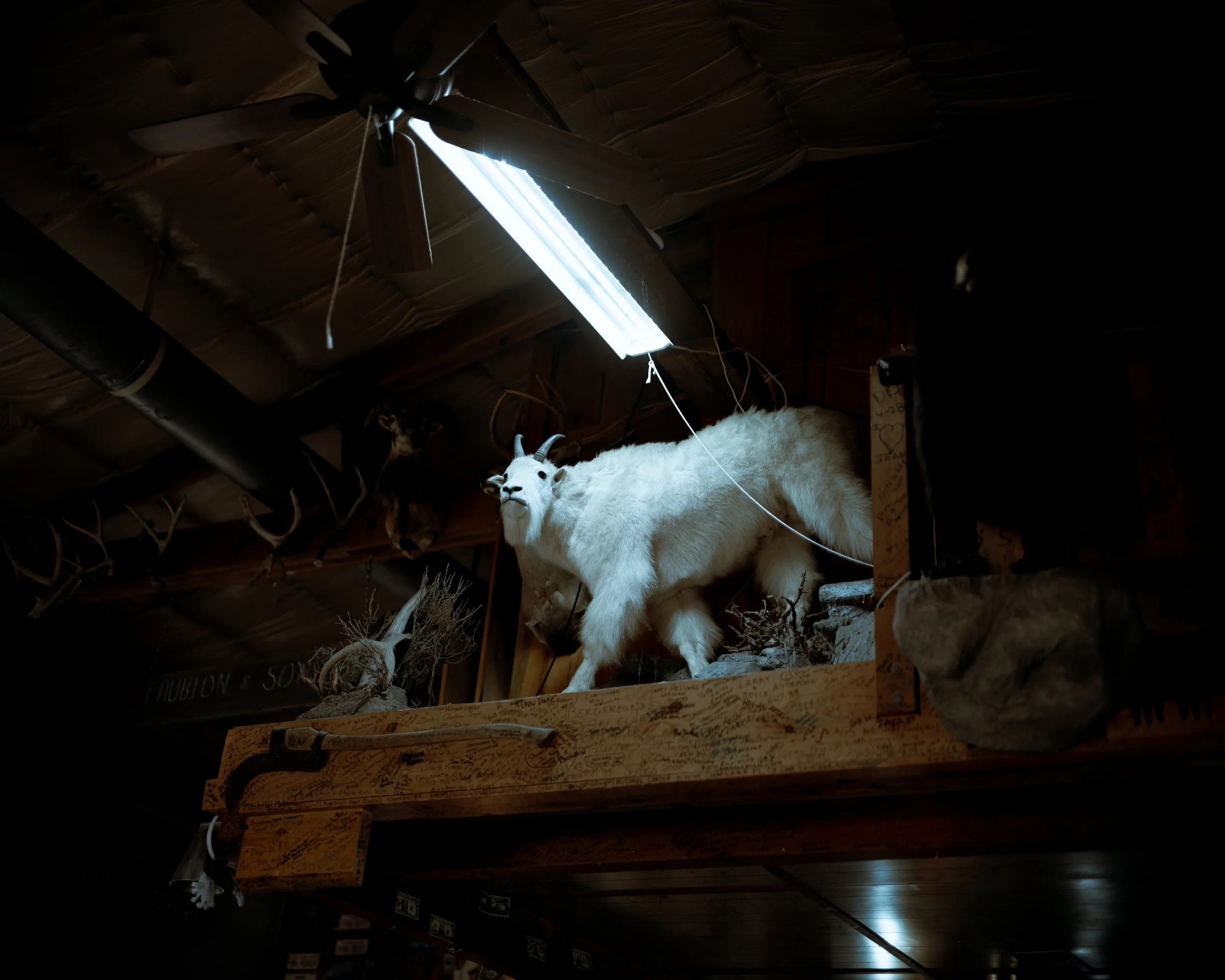
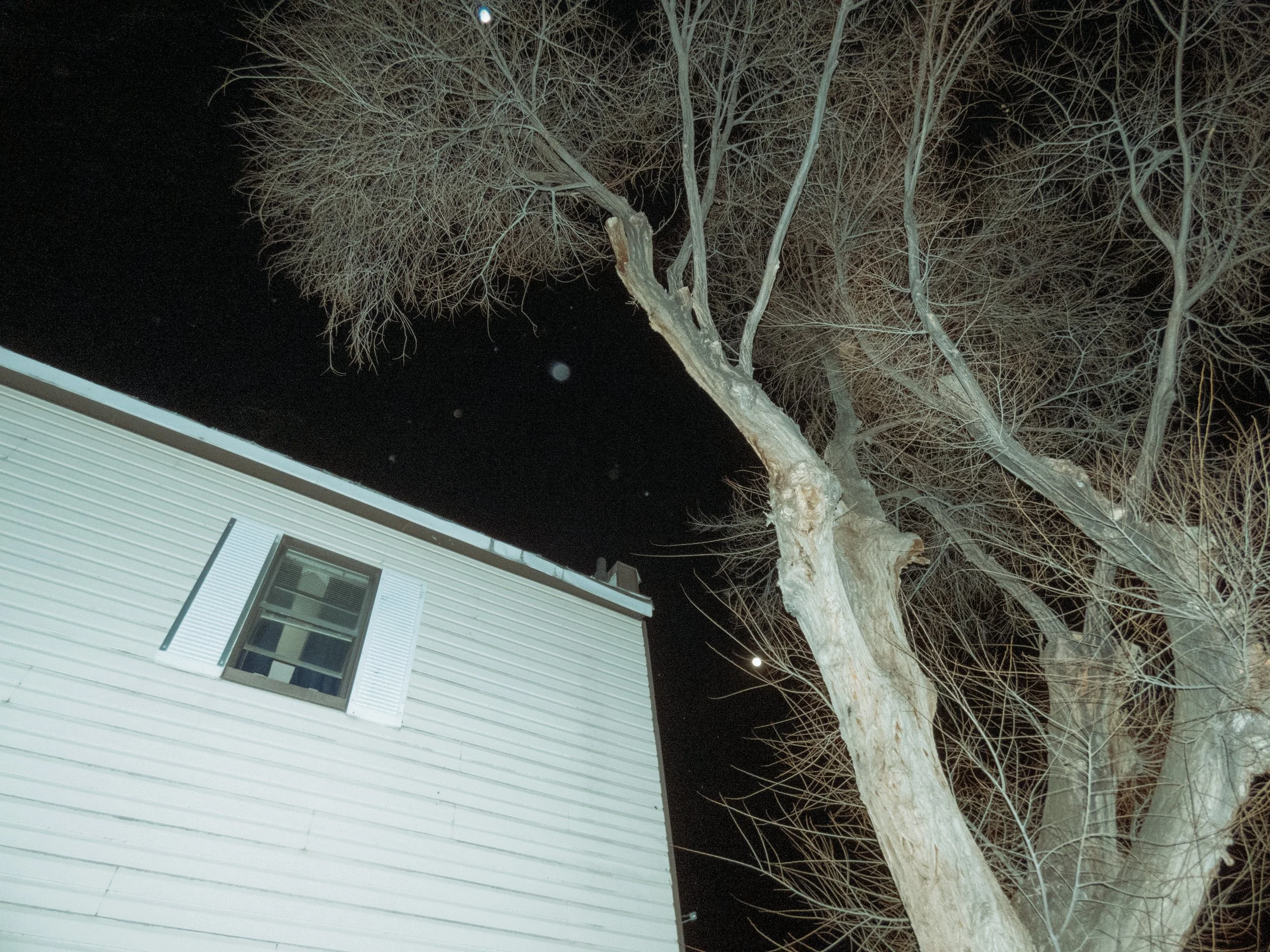
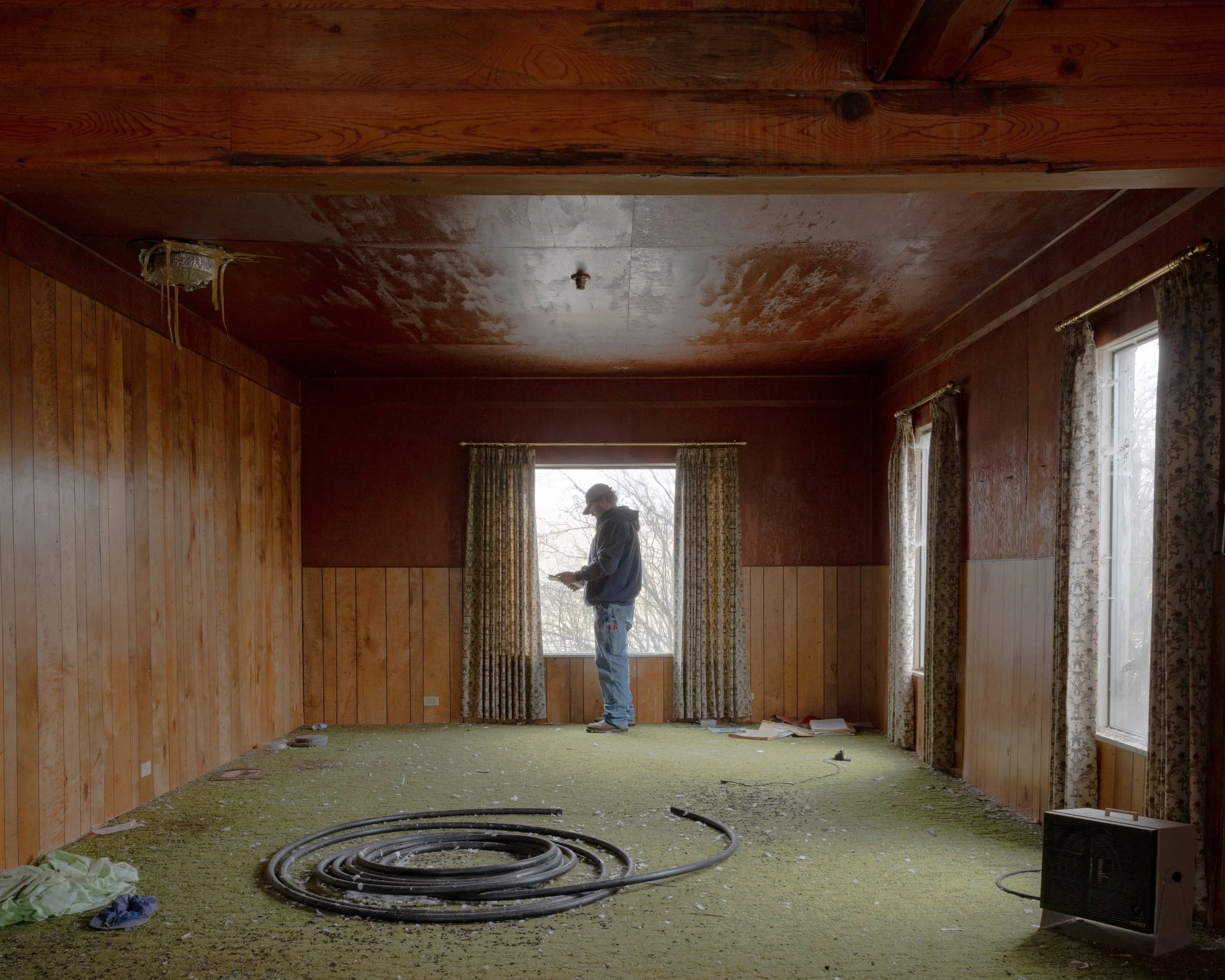
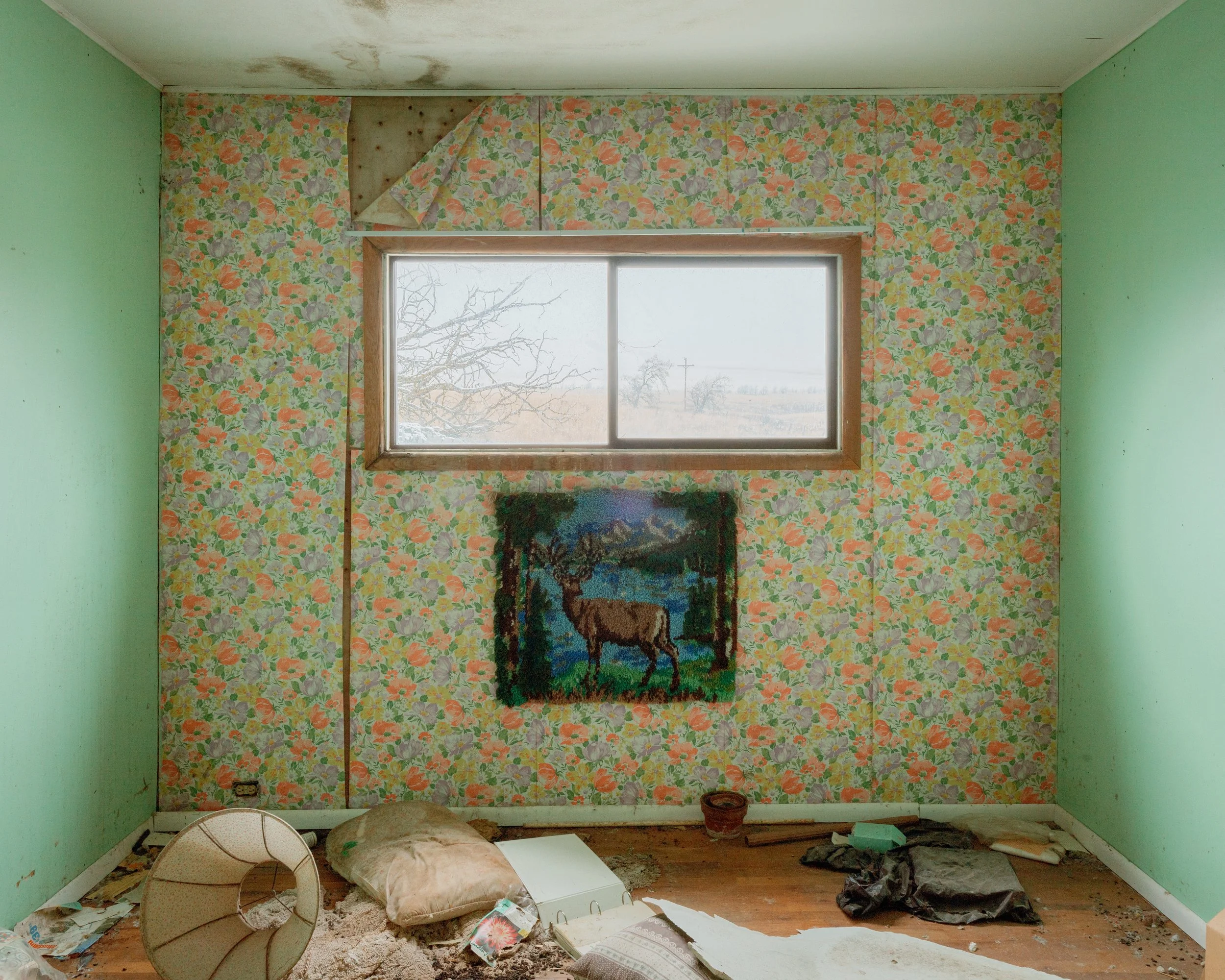
I'm usually drawn to places that feel lived in, places where people have left traces of themselves without necessarily being present anymore. A weathered building, tire tracks, an abandoned parking lot, a fence that's been repaired a dozen different ways. Those details feel less like evidence and more like conversations. They tell you something about the people who passed through, even if you never met.
I'm not looking for a single iconic image. I'm trying to understand the place well enough that the photographs begin to speak to one another. I try not to take the same picture of a building or car. After a while, it’s like collecting spoons, as my friend Chris would say. A place is always more complicated than that. There are wide landscapes and intimate details, quiet moments and visual noise, beauty alongside neglect. Photographing those perspectives together feels more honest. I try my best to photograph close-up details of handwritten notes, or small objects that signify a human presence.
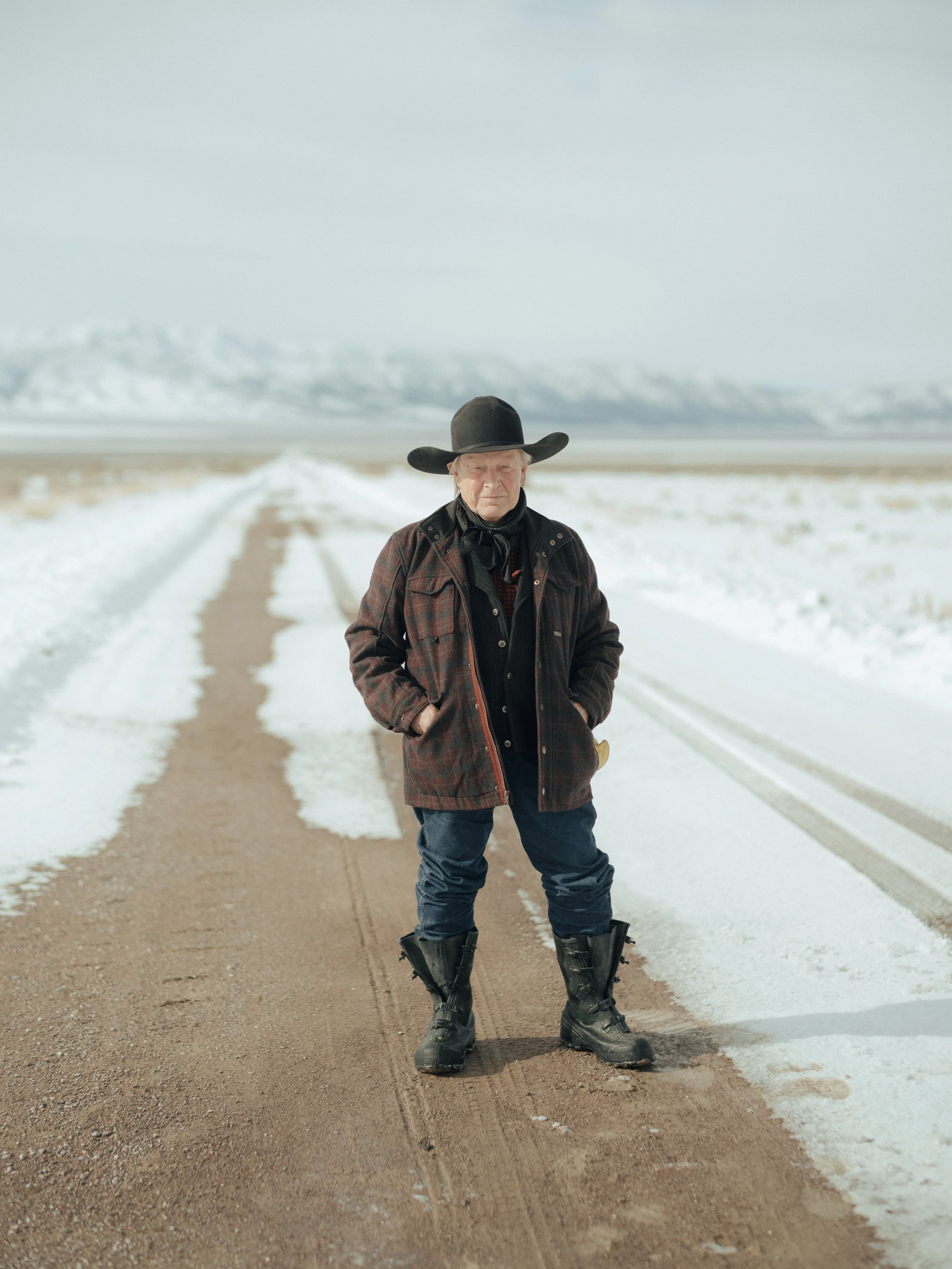
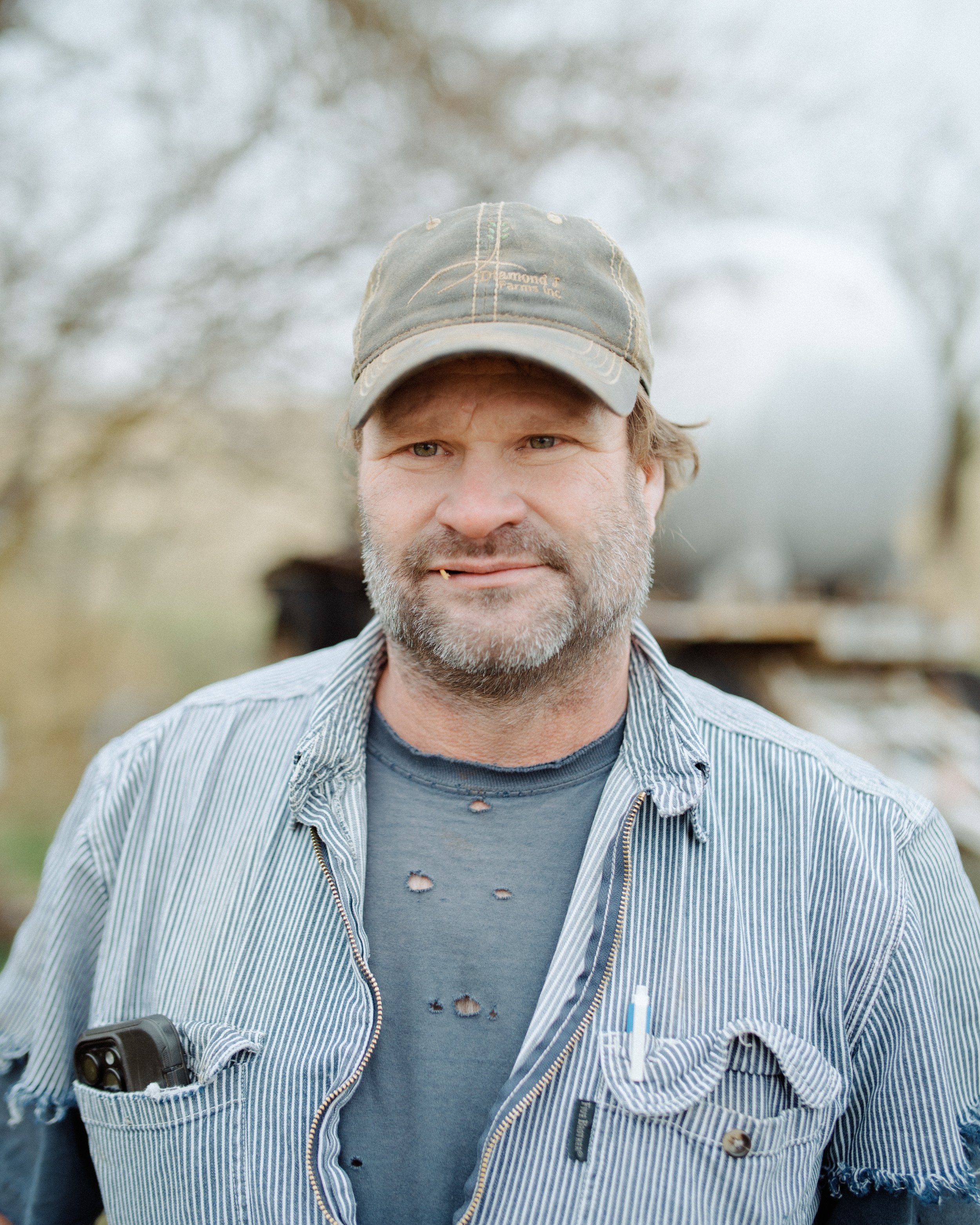
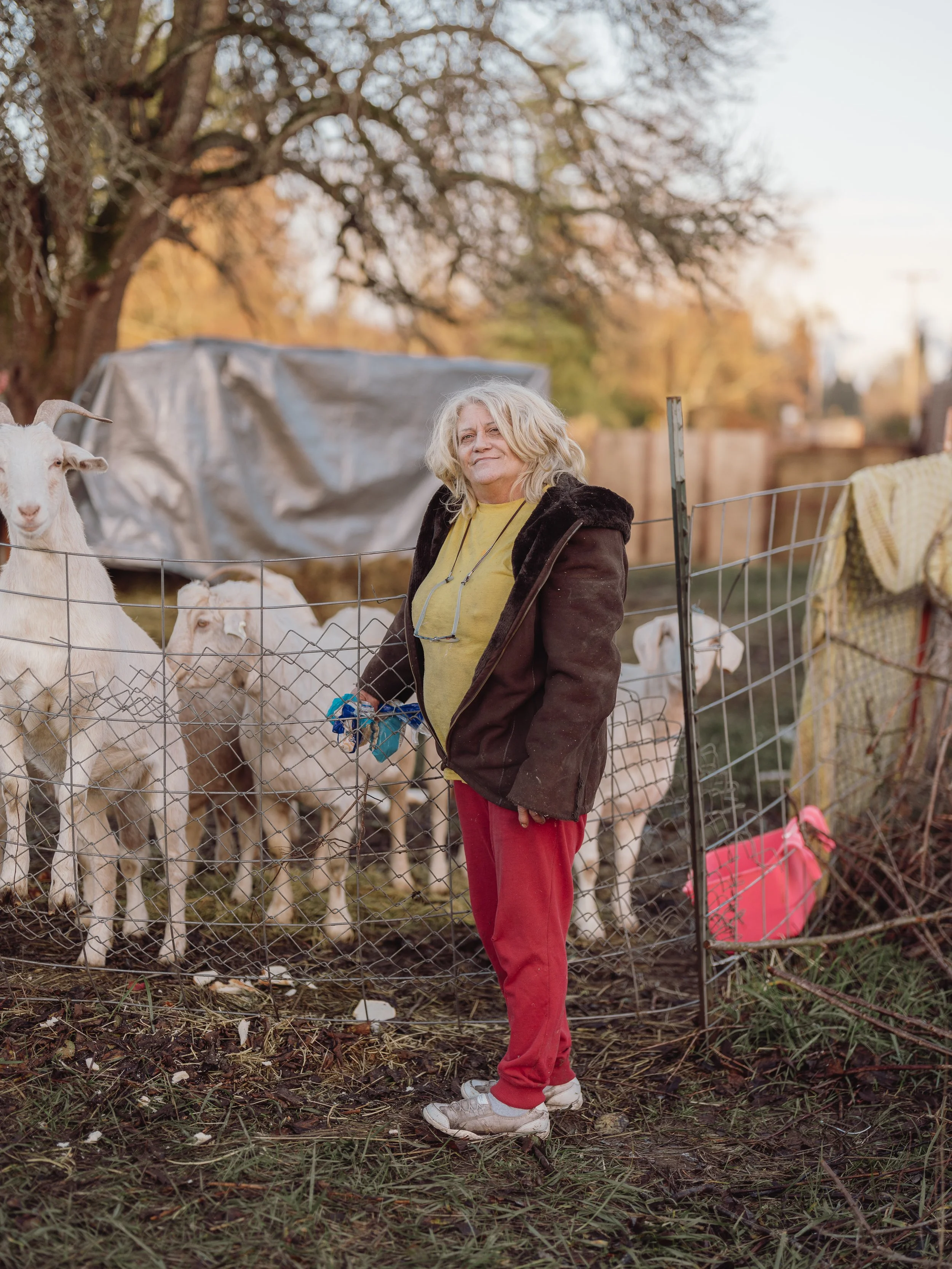
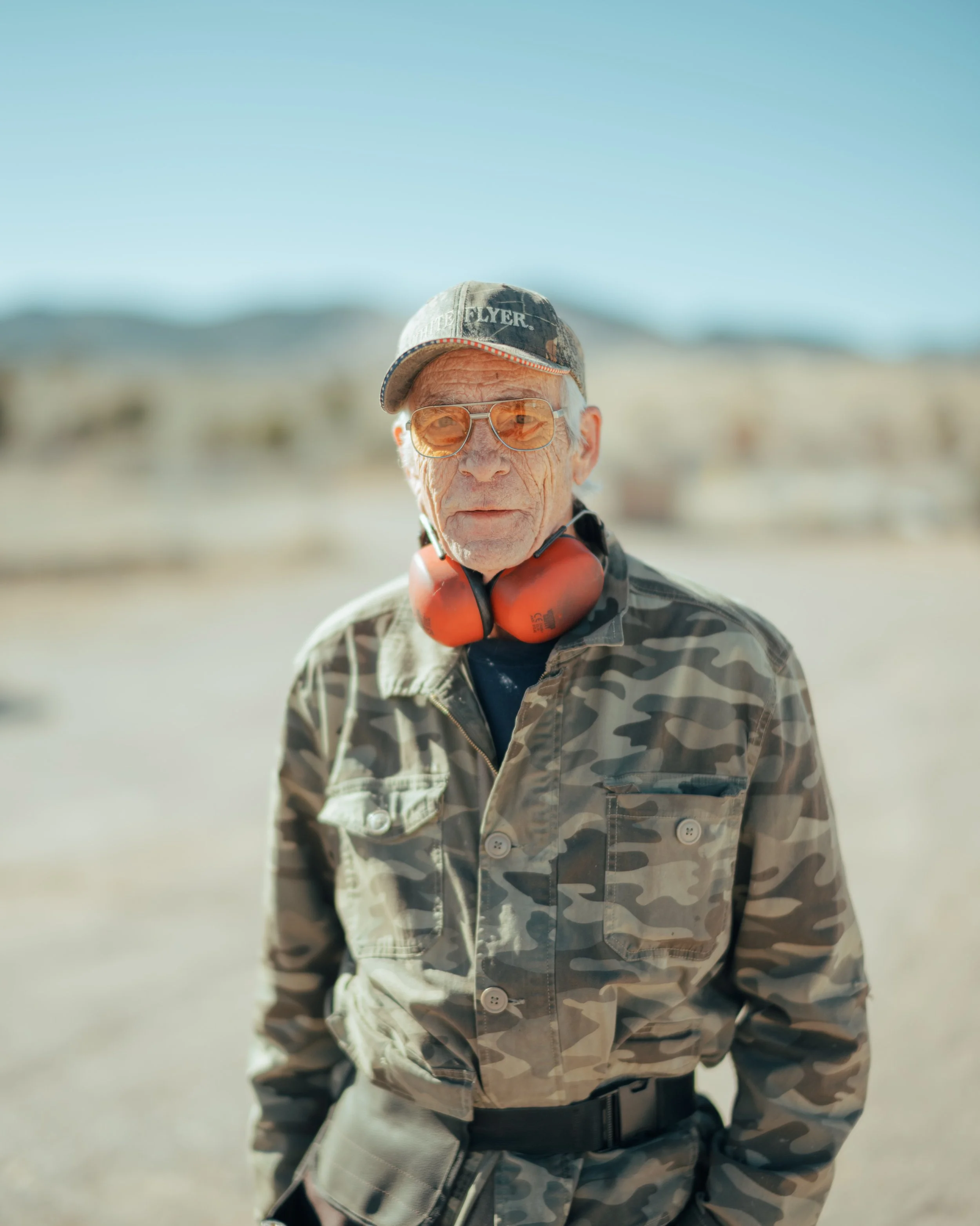
Can you tell us a bit about your interest in exploring why people live where they live?
I like looking at it from a geological perspective. Why do people live next to this mountain? Why do they settle by this pond? Why do they choose to live in the middle of the desert? What draws them to those places? For a lot of people, it's not really a choice. They end up somewhere because of family, generations, and history. It's just where they've always been. But then there are people who intentionally move somewhere remote because they love it. I've met people who relocate to the desert simply because they love the desert. They want the quiet. They want to be away from everything. They're drawn to that emptiness, and I think that's fascinating.I 'm always curious about what makes someone choose to live in the middle of nowhere. As a photographer, I love that I get to step into all these different worlds and witness how other people live. It's almost like surfing the web, you get to jump from one completely different life to another, except you're experiencing it in person.
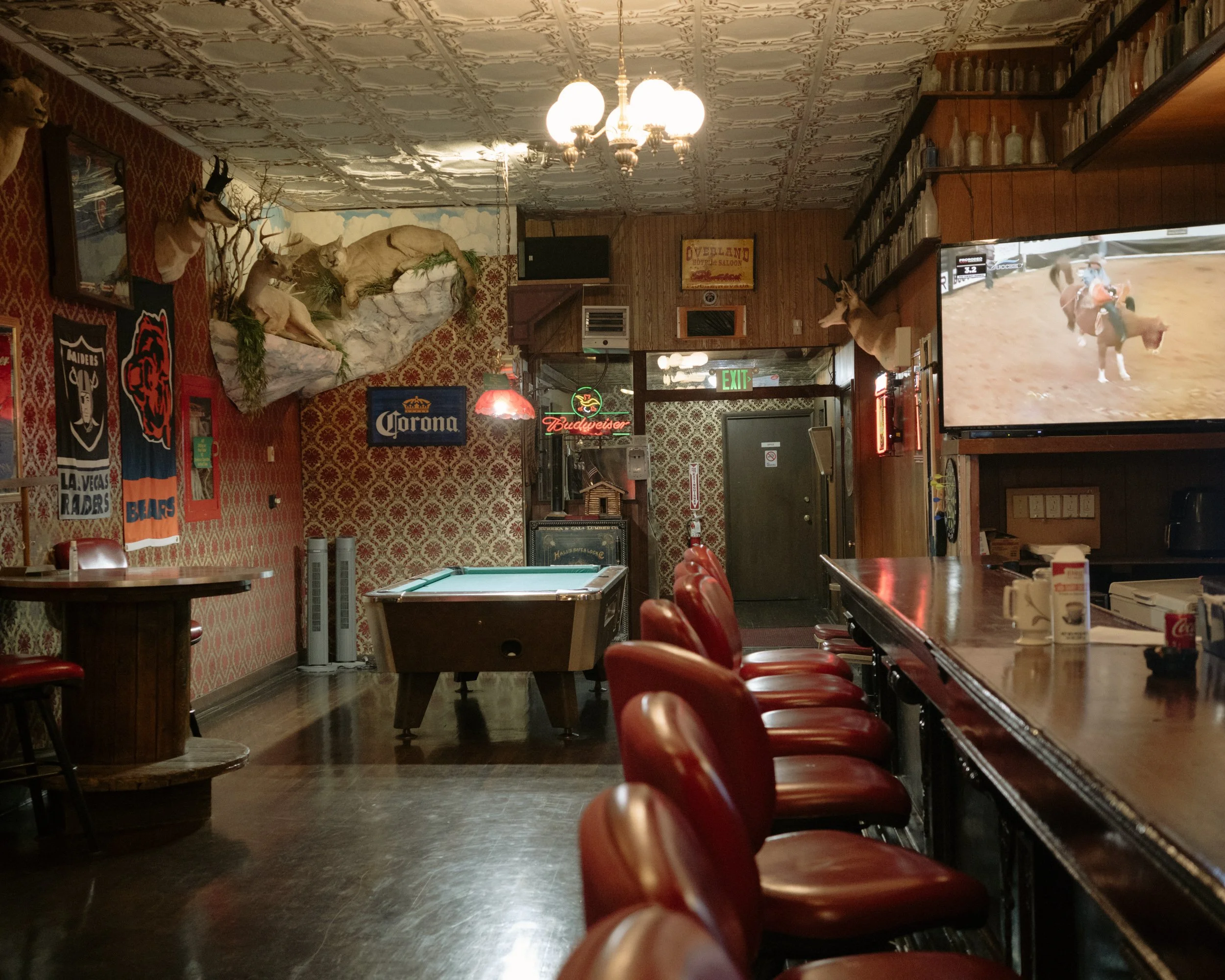
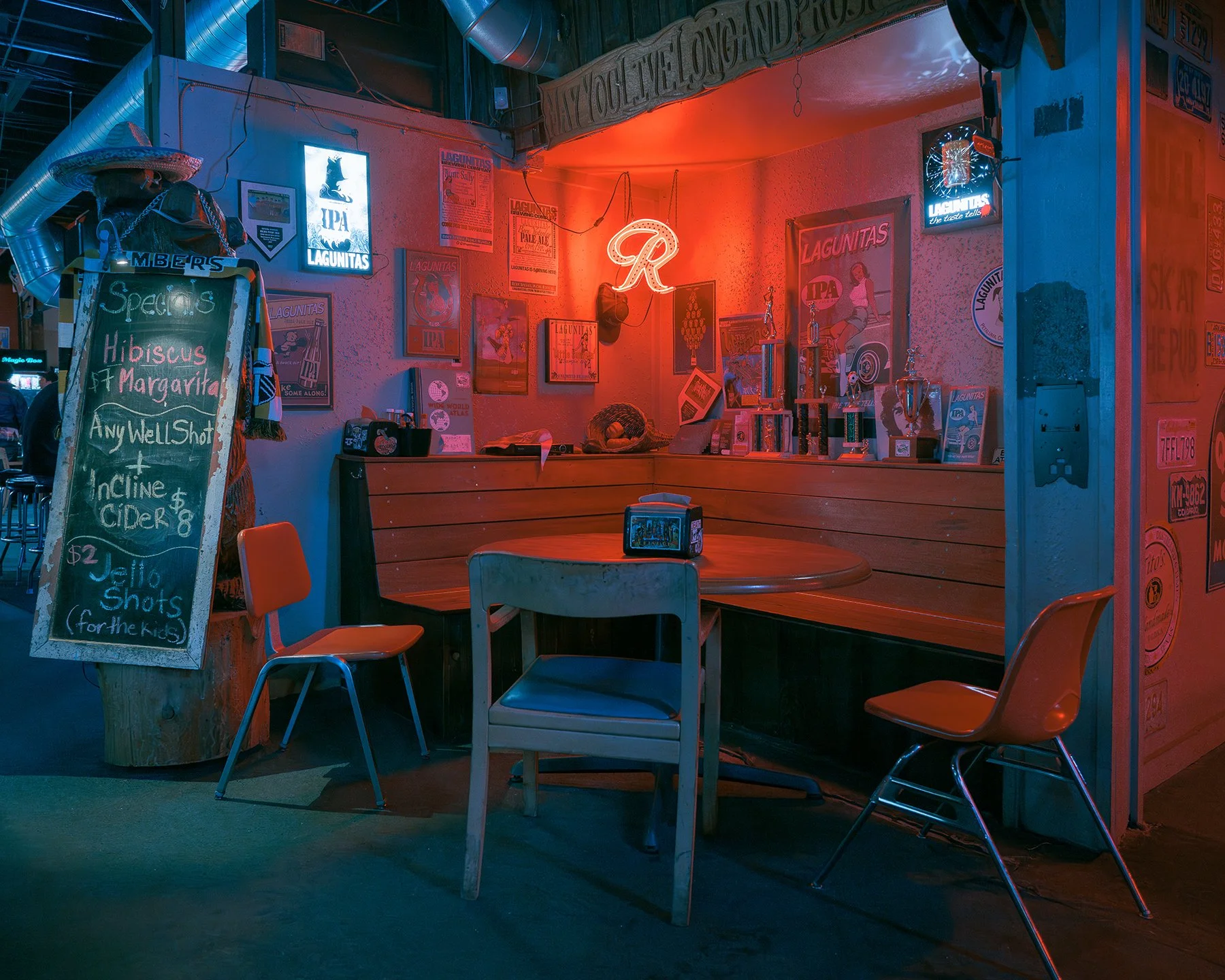
Often online it's easy to make assumptions about another’s life. We discussed the reality of funding one’s personal projects and this led us to one of my favorite topics, what it means to redefine the American dream. Can you share a bit about your work and your openness to struggle if it gets you one step closer to your dream.
I think the American Dream is a kind of guise that people buy into, ultimately allowing giant corporations to continue making more money. America isn’t just a country, it’s a business.
I grew up as a creative person, and I’ve spent my whole life wrestling with this idea of the “American Dream,” especially through my involvement in punk rock and hardcore music. The DIY scene has given me an incredible trajectory for expressing myself creatively. Along the way, I’ve met an amazing number of interesting and inspiring people who have challenged the way I see the world. Those experiences have shaped how I think, how I create, and ultimately how I photograph the things around me.
Stay up to date with Jon Moore’s latest work here:
Website
Instagram